Ka — The Egyptian “Soul” That Was Really a Life Force
To the ancient Egyptians, a human being was never just a body. A person was a network of forces moving through flesh, memory, breath, and identity. And among all these…
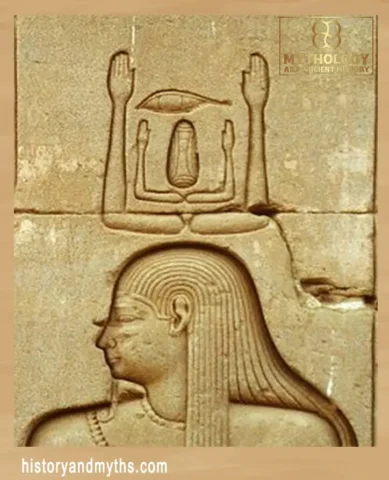
To the ancient Egyptians, a human being was never just a body. A person was a network of forces moving through flesh, memory, breath, and identity. And among all these…
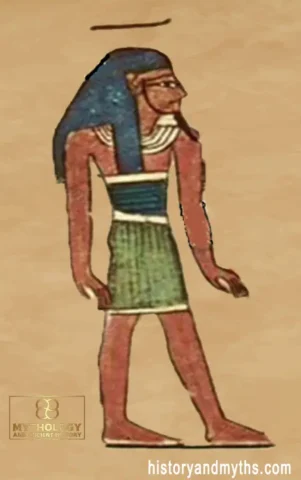
In ancient Egypt, creation did not begin with a gesture, a battle, or a thunderbolt. It began with a word. Before mountains rose, before gods were born, before time learned…
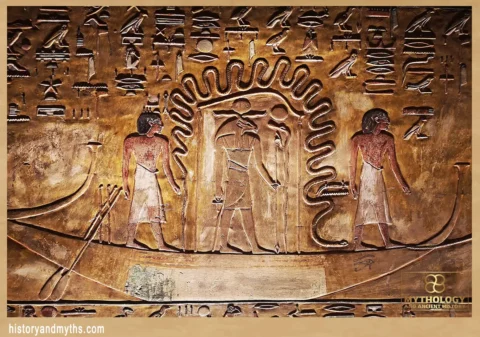
In ancient Egypt, the world did not begin with fire, water, or land. It began with awareness. Before anything could be shaped, named, or ruled, it first had to be…
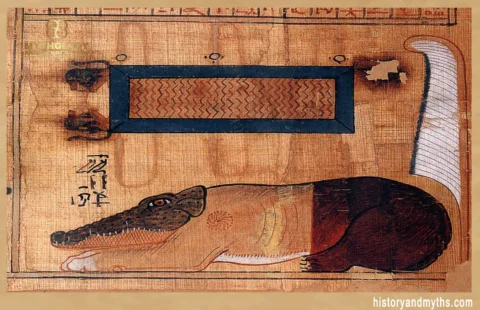
In Ancient Egypt, death was not silence. It was a courtroom. The soul did not drift into the dark; it stood trial. And beside the scales of justice waited not…
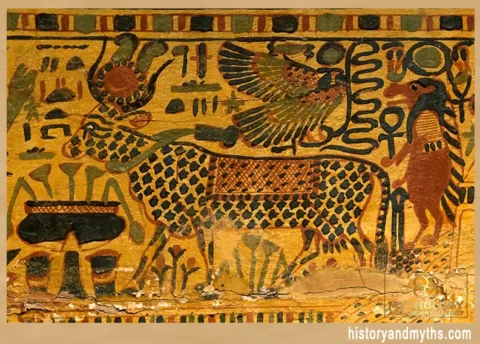
Mehet-Weret does not enter Egyptian thought as a character. She enters as a condition of existence. Before there was sky, before the first sunrise, before land broke the surface of…
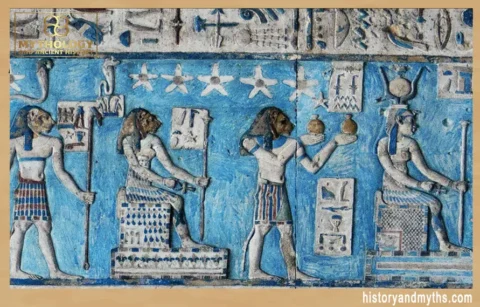
No Egyptian god makes modern readers hesitate like Shezmu. One moment he appears as the master of wine, oils, and perfume—the crafts that softened life with scent and warmth. The…
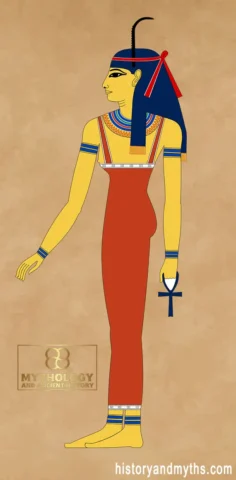
Renpet was not a goddess of temples or statues. She lived where Egypt measured life: in days, floods, harvests, and the quiet promise that what ends will return. Her name…
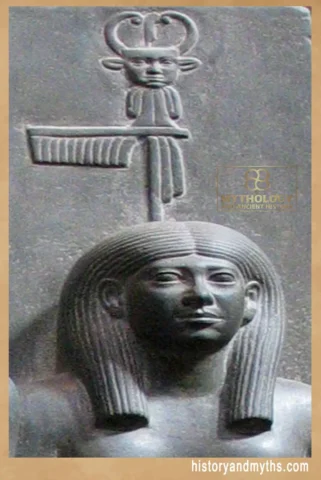
Long before Egypt had temples of limestone or gods with national followings, it had Bat. She belonged to a deeper layer of belief, older than dynasties and older than royal…
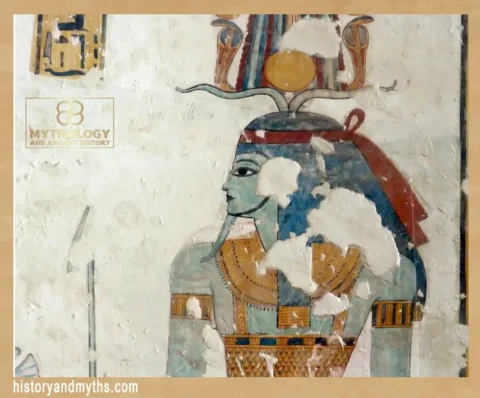
Few Egyptian gods feel as elemental and overlooked at the same time as Tatenen. While names like Ra, Osiris, or Anubis dominate popular imagination, Tatenen belongs to an older layer…
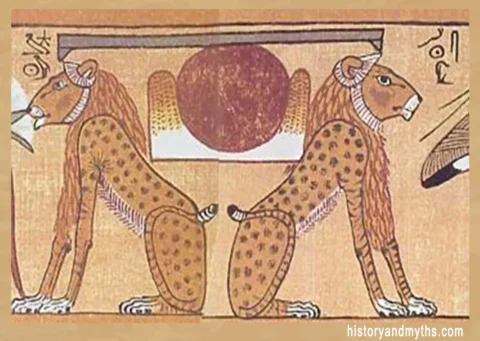
Every sunset terrified ancient Egypt. Not because the sun disappeared— but because it might not come back. To the Egyptians, the horizon was not scenery. It was a gate. A…
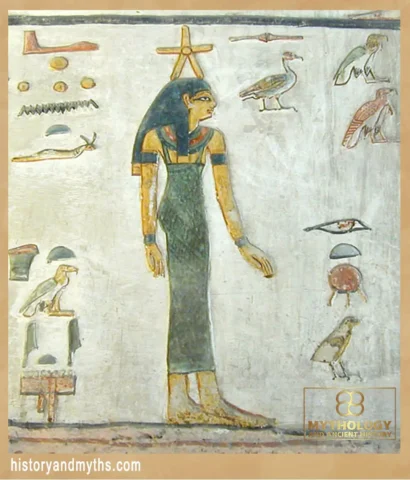
Every year, the survival of ancient Egypt depended on something the people could not command: the river’s return. If the Nile rose too late—or not at all—fields cracked, grain died,…
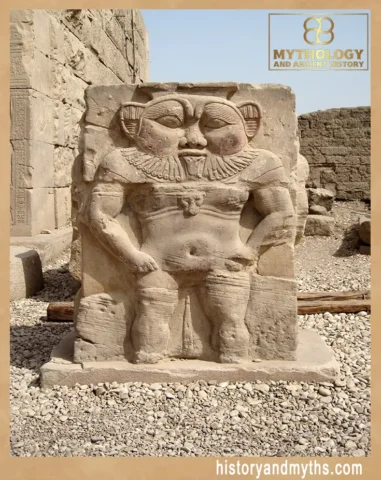
In ancient Egypt, danger did not always arrive like a storm. Sometimes it came quietly—through a child’s sudden illness, a mother’s painful labor, or a night heavy with bad dreams….
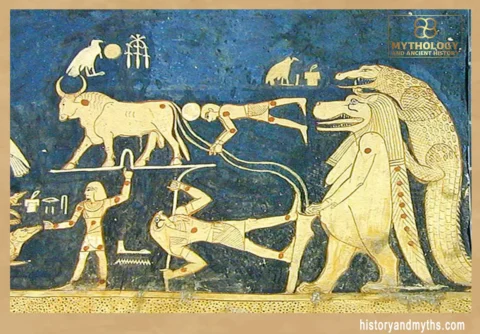
In ancient Egypt, childbirth was the most dangerous moment in a woman’s life. There was no medicine that could stop infection, no surgery to save a mother, and no certainty…

Long before temples defined faith in ancient Egypt, something more powerful shaped its world: trade. Gold from the south, incense from distant lands, and rare goods that turned kingdoms into…
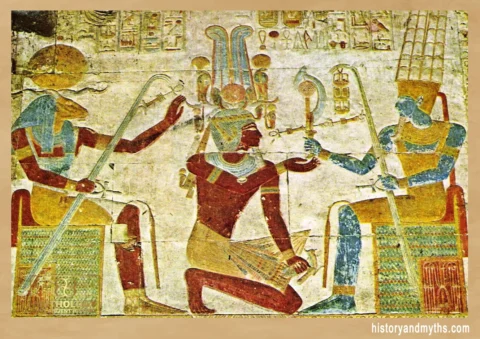
To the ancient Egyptians, power was not always loud or visible. Some forces were felt rather than seen, shaping kingdoms from behind the veil of the sacred. At the heart…
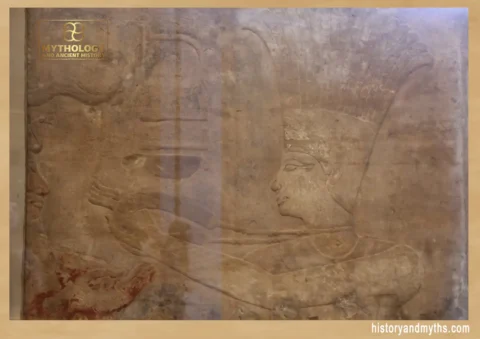
To the ancient Egyptians, the Nile was not just a river — it was a living boundary between safety and danger, order and the unknown. And at the very edge…
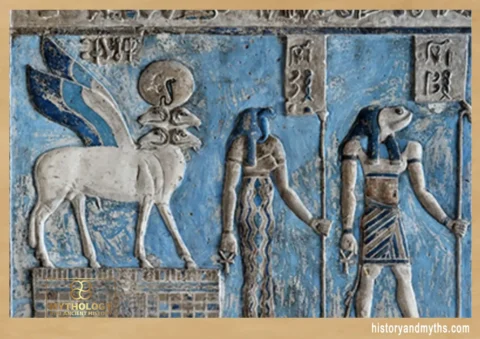
Few figures in ancient Egyptian religion captured the mystery of birth as clearly as Heqet, the goddess who presided over the moment life entered the world. To the Egyptians, birth…
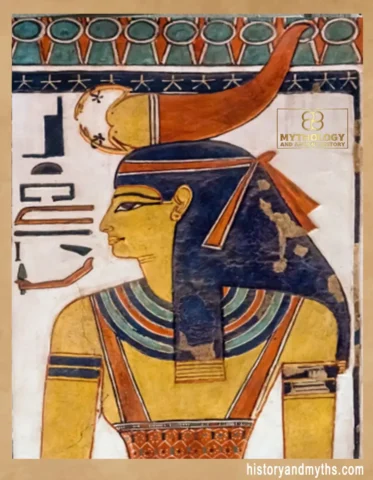
To the ancient Egyptians, danger was not always a distant force. It lived in the deserts, in the tombs, and even in the quiet corners of daily life where a…