Myth as Symbolic Language in Ancient Egyptian Mythology
Ancient Egyptian myths were never meant to be read like stories. They were meant to be decoded. To the modern reader, these myths often appear fragmented, repetitive, or strangely symbolic—but…
Explore the gods, myths, creation stories, sacred symbols, afterlife beliefs, and religious traditions of ancient Egypt. This section examines how Egyptian mythology explained the cosmos, kingship, death, rebirth, and divine order, while also exploring the roles of major deities and the cultural meaning behind some of Egypt’s most enduring myths.
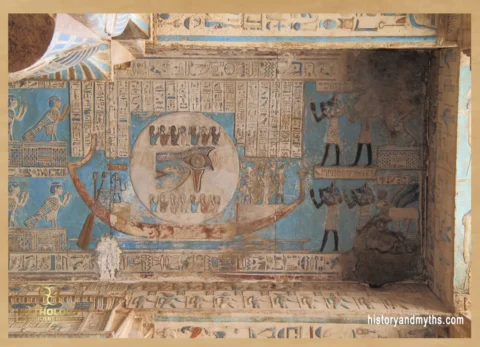
Ancient Egyptian myths were never meant to be read like stories. They were meant to be decoded. To the modern reader, these myths often appear fragmented, repetitive, or strangely symbolic—but…
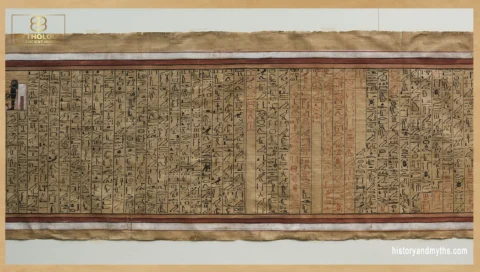
In ancient Egyptian belief, speech was never neutral. Words did not merely communicate ideas; they did things. A spoken phrase could protect, create, bind, or destroy. To speak incorrectly was…
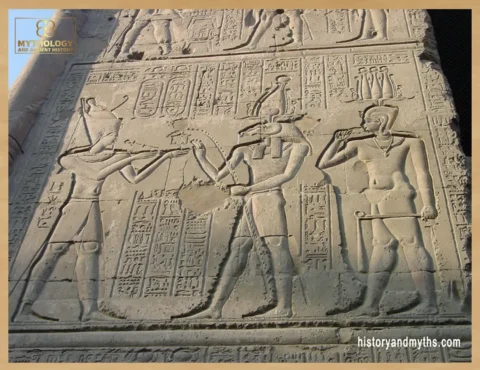
In ancient Egyptian thought, heka was not magic in the modern sense. It was the force that made existence function. Without heka, the gods could not act, words carried no…
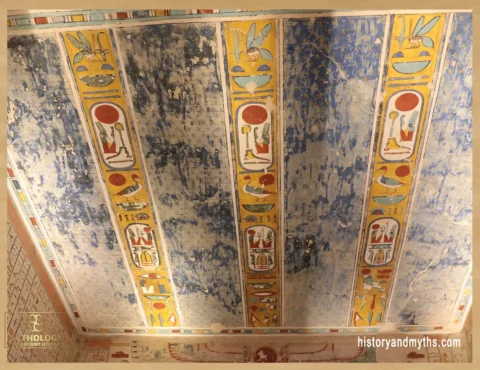
In ancient Egypt, a symbol was never just a picture. It was an action. To carve a sign, draw an image, or inscribe a word was not to represent power—but…
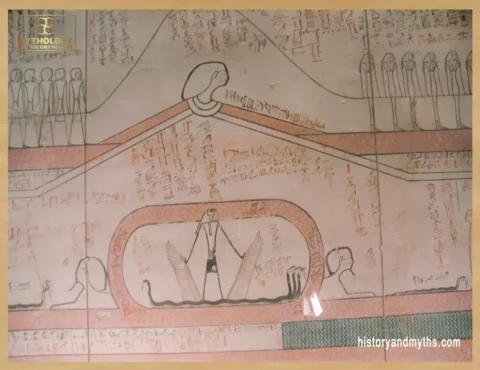
In ancient Egypt, the symbolism of light and darkness was never based on a simple opposition between good and evil. They were forces that defined how the world functioned, rested,…
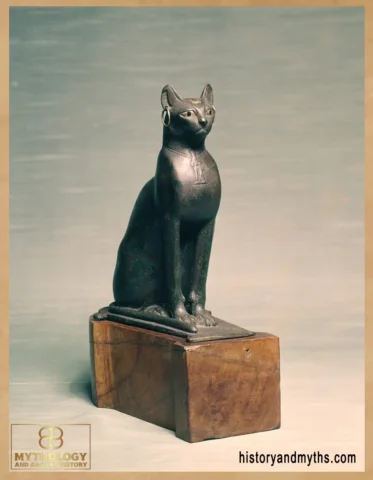
In ancient Egypt, the cat was not sacred because it was loved—it was revered because it protected order. Long before it appeared in temples or myths, the cat earned its…
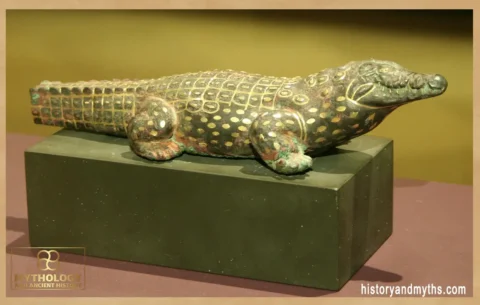
The crocodile symbolized far more than danger in ancient Egypt. Living in the Nile, it represented raw natural power, survival, fertility, kingship, and the delicate balance between order and chaos….
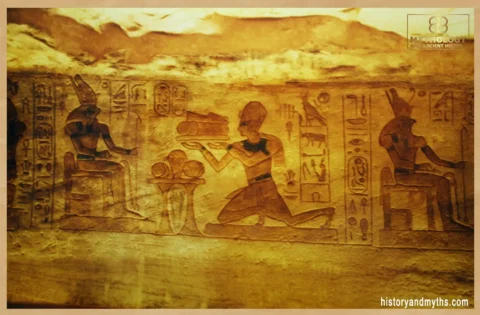
Stone was sacred in ancient Egypt, but it was never a god. This distinction matters, because misunderstanding it distorts how Egyptian religion actually worked. The Egyptians did not worship stone…
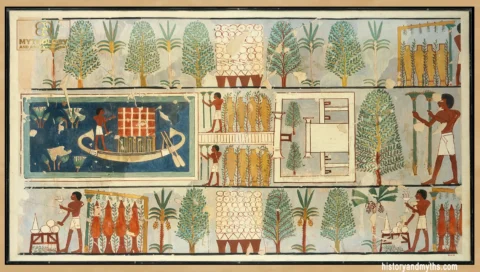
In ancient Egyptian belief, trees were never valued simply as elements of nature. They were understood as points of connection—places where different realms met and interacted. A sacred tree could…
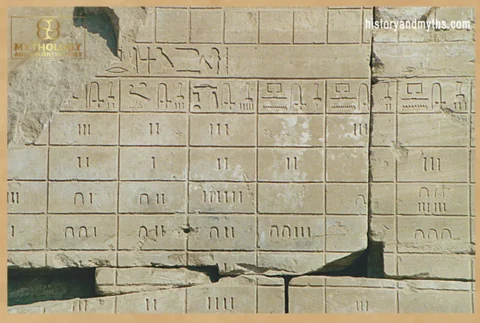
In ancient Egyptian belief, numbers were not abstract symbols or mathematical curiosities. They were understood as tools that shaped reality, helping maintain order, structure time, and regulate the relationship between…
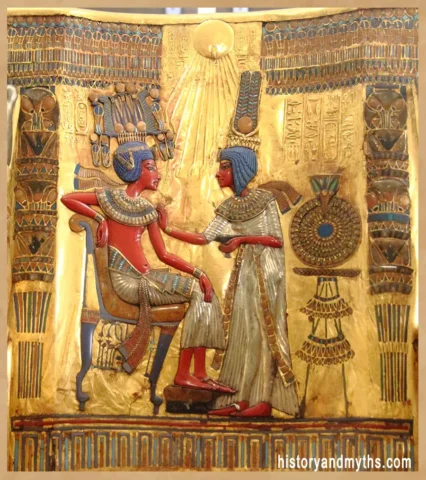
In ancient Egyptian belief, colors were never chosen for beauty alone. They were understood as active forces capable of shaping reality, signaling divine presence, and altering the state of the…
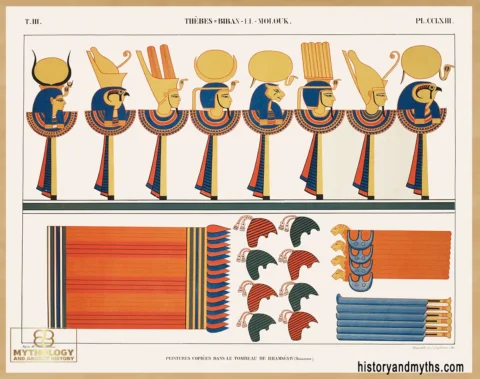
In ancient Egyptian religion, a crown was never a decorative accessory. It was a statement of identity, authority, and function. When a god appeared wearing a specific crown, the image…
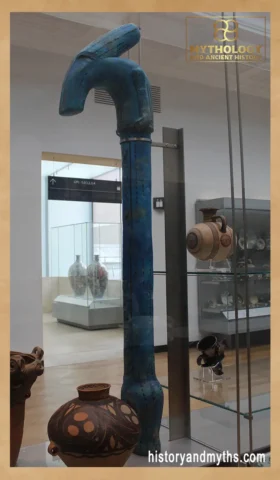
What did the Was scepter mean in ancient Egypt? Why is it shown in the hands of gods and pharaohs, and what made it one of the most recognizable symbols…
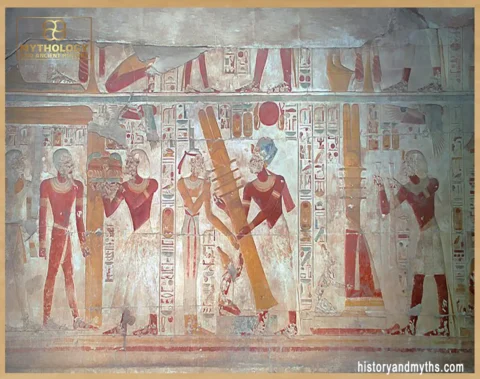
The Djed pillar was one of the most fundamental symbols in ancient Egyptian belief, yet its meaning is often misunderstood. While commonly translated as a symbol of “stability,” the Djed…
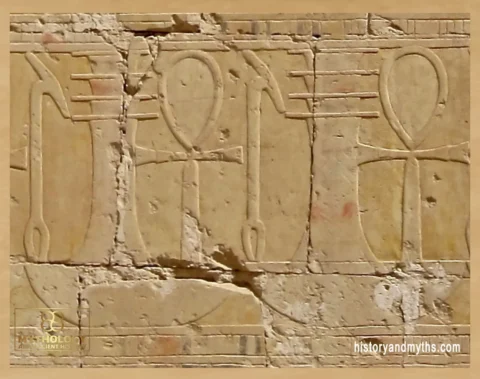
Few symbols from ancient Egypt are as instantly recognizable as the Ankh. Often described as the “key of life,” the Ankh was far more than a decorative sign or religious…
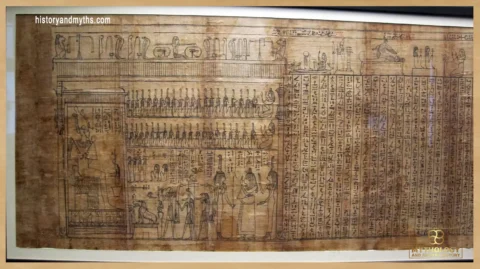
In ancient Egyptian belief, resurrection and rebirth were not rewards granted at the end of judgment. They were complex processes that determined whether existence itself could continue. Death was not…
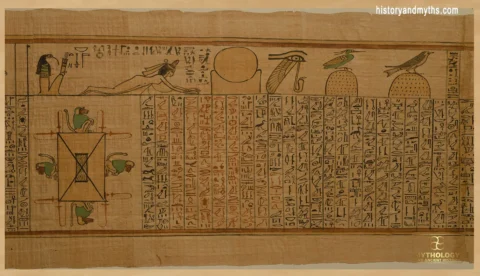
In ancient Egyptian belief, the Lake of Fire was not a place of endless torment. It was a controlled force within the afterlife, created to protect cosmic order. Fire here…
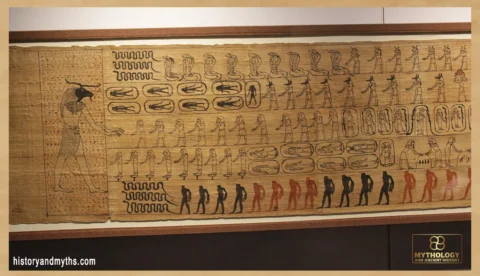
Not every soul was meant to be reborn. In ancient Egyptian belief, judgment did not always lead to renewal, and failure was not always followed by correction. The Book of…