Destroyed Cities in Greek Mythology: Why Gods Destroyed Civilizations
In Greek mythology, the destruction of a city was rarely presented as a simple military defeat or natural disaster. When an entire city fell, myth often treated the event as…
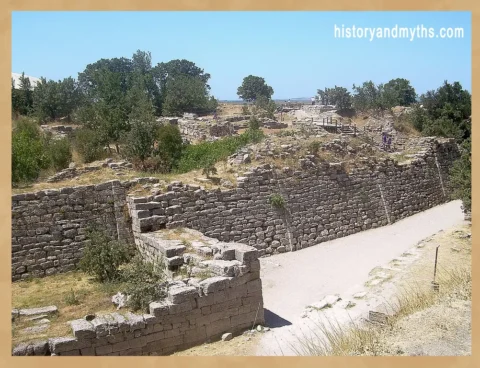
In Greek mythology, the destruction of a city was rarely presented as a simple military defeat or natural disaster. When an entire city fell, myth often treated the event as…

Sacred caves appear throughout Greek mythology, but their importance goes far beyond providing dramatic settings for myths. These underground spaces were often treated as places where the ordinary world gave…
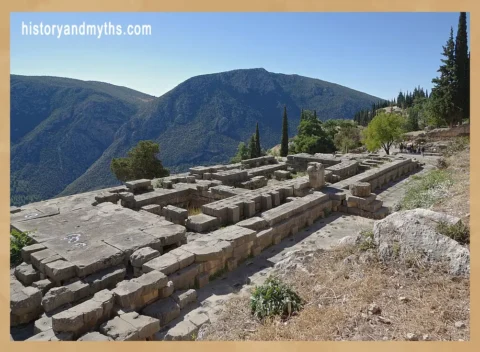
Delphi was far more than a sanctuary, an oracle, or a religious city. In Greek mythology, it was believed to occupy the very center of the world itself. According to…

Hyperborea was one of the most mysterious places in Greek mythology. Located beyond the realm of the North Wind, far outside the boundaries of the known world, it was described…
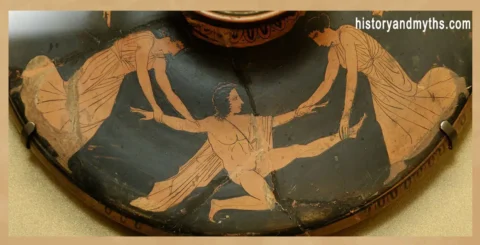
The tragedy of Pentheus is one of the most disturbing stories in Greek mythology. At first glance, it appears to be a conflict between a king and a god. Pentheus,…
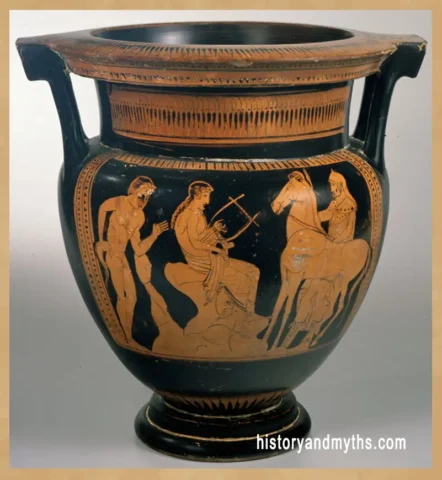
Orpheus is often remembered as the musician who descended into the Underworld to recover his lost wife, Eurydice. Yet the enduring power of his myth does not come from the…
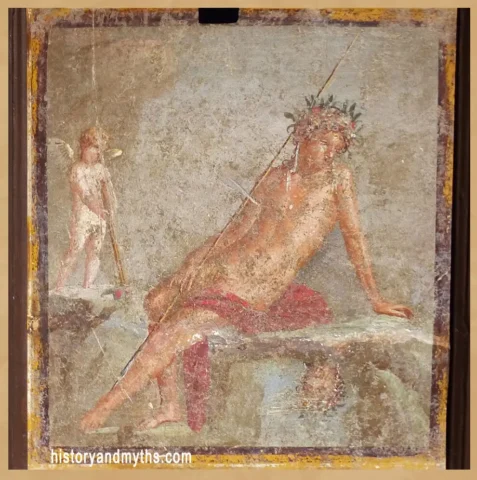
The myth of Narcissus is often reduced to a simple warning about vanity. According to the popular version of the story, a beautiful young man becomes obsessed with his own…
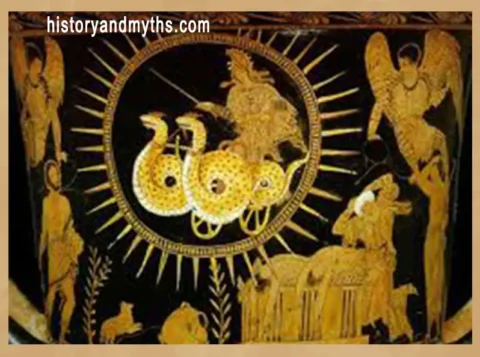
Medea is often remembered as one of the most feared and controversial figures in Greek mythology. In many retellings, she appears primarily as a woman driven by revenge after being…
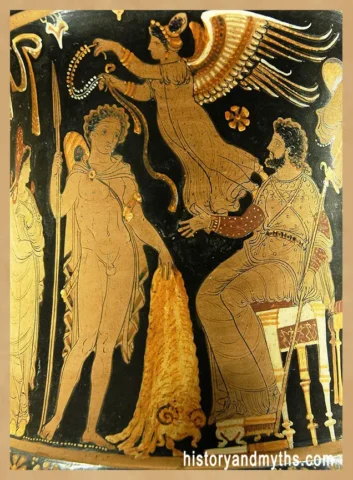
Jason is usually remembered as the hero who won the Golden Fleece. He gathered the Argonauts, survived dangerous trials, defeated impossible obstacles, and completed one of the most famous quests…
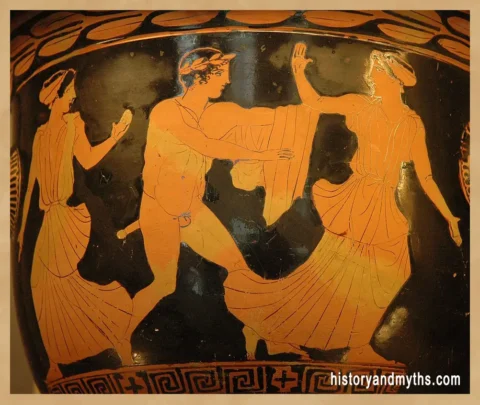
Theseus is often remembered as one of the greatest heroes of Greek mythology. He defeated the Minotaur, became a legendary king of Athens, and was celebrated as a symbol of…
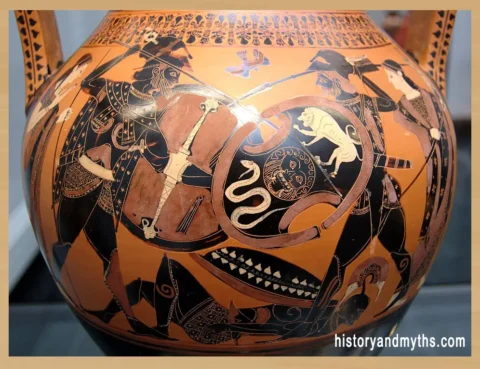
Achilles is often remembered as the greatest warrior in Greek mythology, a hero whose name survived long after the fall of Troy. Yet the ancient Greeks did not admire him…
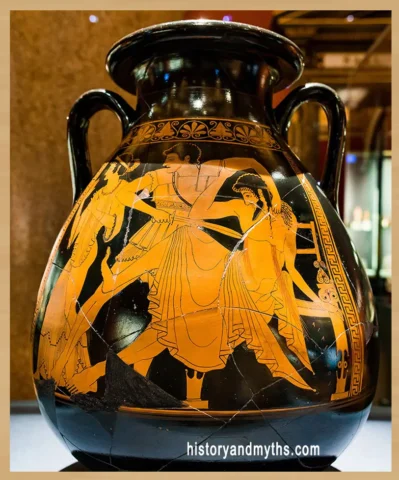
Agamemnon, Clytemnestra, and Orestes are often remembered as some of the most tragic figures in Greek mythology, but their story is more than a sequence of murders and acts of…
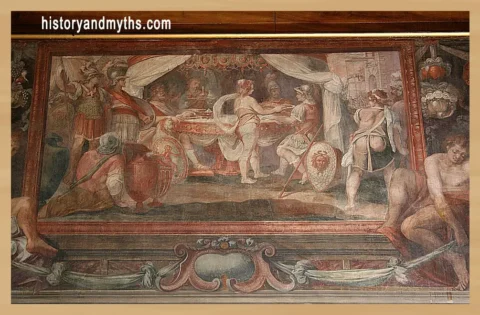
Many Greek myths are remembered for their heroes, gods, and legendary battles, but few stories are as relentlessly tragic as the House of Atreus. Across several generations, members of the…

In Greek mythology, few ideas were feared more than hubris. Modern readers often translate the word as pride or arrogance, but the Greeks meant something far more serious. Hubris was…
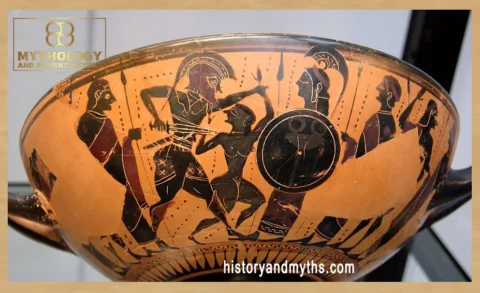
Cassandra is often remembered as the woman who could see the future. Yet in Greek mythology, her tragedy was not the gift of prophecy itself. The true disaster began when…
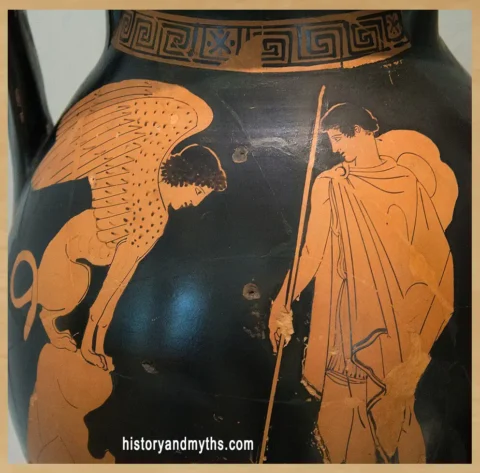
In Greek mythology, prophecies were rarely sources of comfort or guidance. More often, they marked the beginning of a crisis. A king hears a prediction and takes drastic action to…
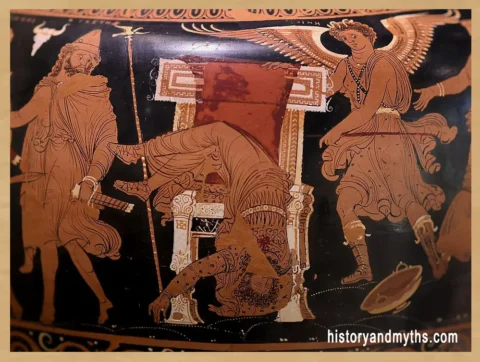
In Greek mythology, a divine curse was more than a punishment imposed by an angry god. It was often portrayed as a lasting force that could shape lives, destroy families,…
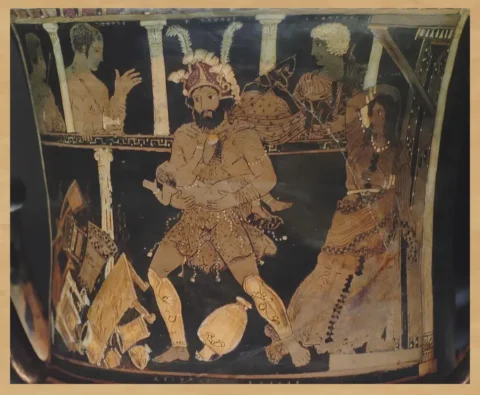
In Greek mythology, madness was not usually portrayed as a medical condition or a personal weakness. It was often understood as a force sent by the gods—a punishment capable of…