The Odyssey Explained: Odysseus’ Journey Back to Ithaca
The Odyssey is one of the most famous stories to survive from ancient Greece, but its plot is often reduced to a simple image: Odysseus wandering from island to island,…
Explore the gods, heroes, monsters, sacred stories, and mythic traditions of ancient Greece. This section examines how Greek mythology explained creation, fate, divine conflict, heroism, death, and the relationship between humans and the gods, while exploring the cultural meaning and lasting influence of its most important myths.
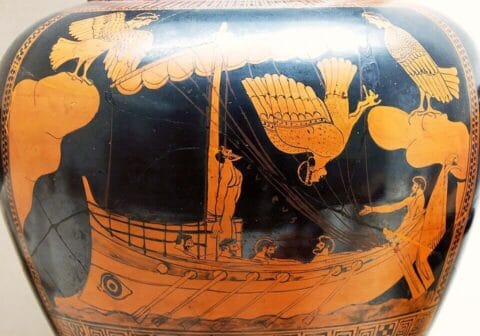
The Odyssey is one of the most famous stories to survive from ancient Greece, but its plot is often reduced to a simple image: Odysseus wandering from island to island,…
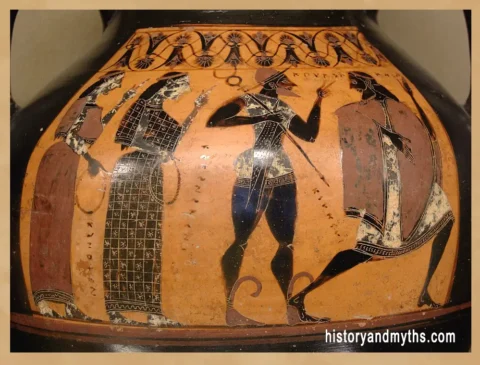
The gods of Greek mythology are powerful, immortal, and capable of shaping the fate of the world, yet they often behave in surprisingly human ways. They fall in love, become…

Human suffering appears everywhere in Greek mythology. Heroes lose loved ones, entire families are destroyed by violence and revenge, cities fall despite courage and sacrifice, and even those favored by…
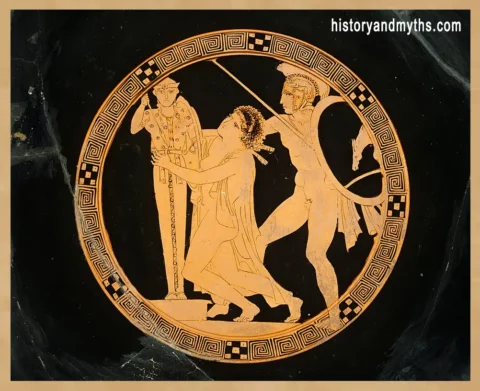
Greek mythology is filled with heroes who fail, families destroyed by their own actions, victories that lead to suffering, and prophecies that end in disaster. At first glance, this pattern…
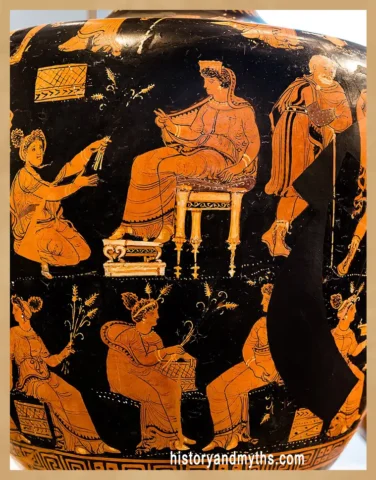
Many people use the terms Greek mythology and Greek religion as if they mean the same thing, but in ancient Greece they were closely connected without being identical. Myths told…
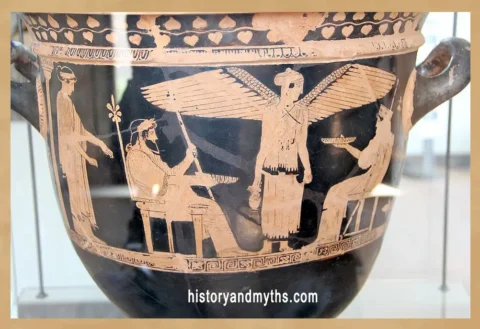
Greek mythology is one of the few ancient mythological traditions that remains widely known more than two thousand years after it first emerged. Its gods, heroes, monsters, and stories continue…
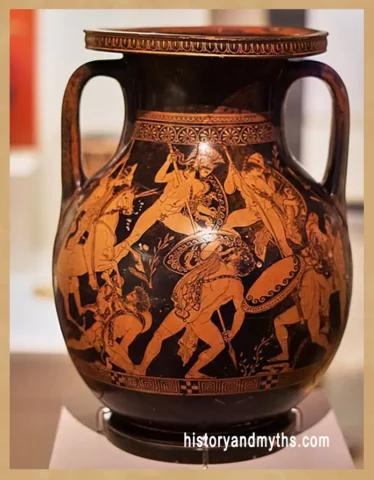
In Greek mythology, the conflict between the Titans and the Olympians was more than a struggle between two generations of gods. It represented a transformation in how divine power was…
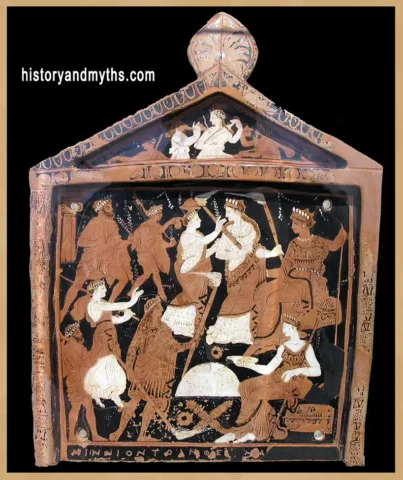
In ancient Greece, religion was not limited to public sacrifices, temples, and civic festivals. Alongside the official religious system, a different form of worship developed that offered something more personal…
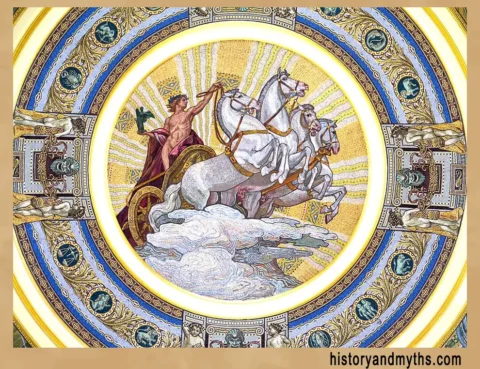
In Greek mythology, colors were more than visual details. They often carried symbolic meanings that helped express ideas about divine power, sacred rituals, death, status, and the structure of the…
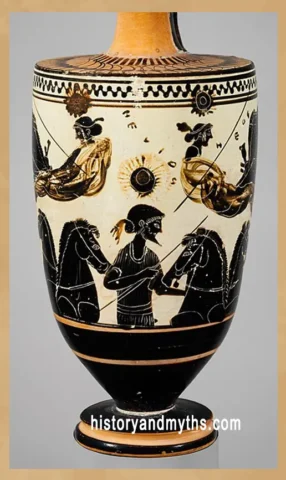
In Greek mythology, light and darkness were far more than natural conditions of day and night. They served as powerful symbols that helped the Greeks explain how the universe worked,…
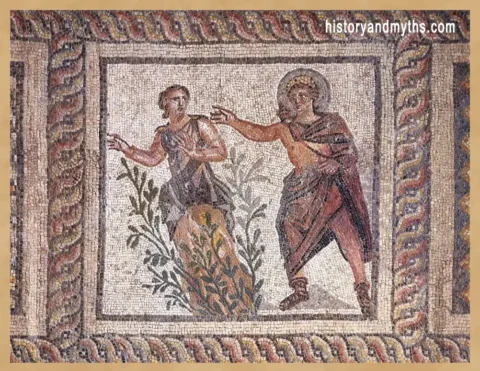
In Greek mythology, certain trees and plants carried meanings that extended far beyond the natural world. The laurel, olive, oak, and cypress were not important simply because they appeared in…
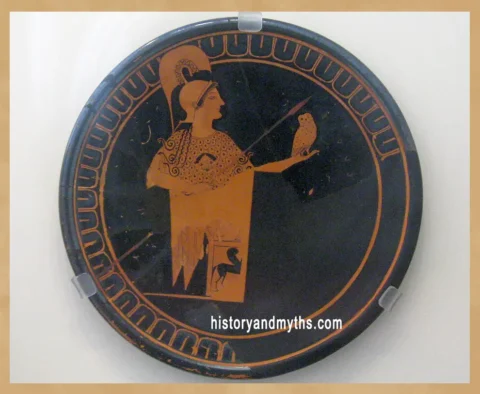
In Greek mythology, animals are rarely included as decorative details or simple companions of the gods. When an owl appears beside Athena, an eagle accompanies Zeus, or a serpent is…
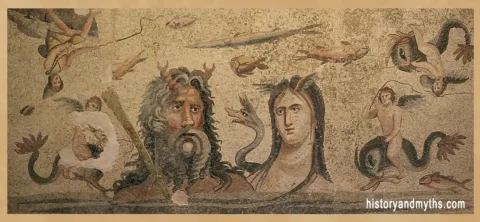
In Greek mythology, water is far more than a physical element. It appears at the beginning of the world, surrounds the boundaries of the cosmos, marks the entrance to the…
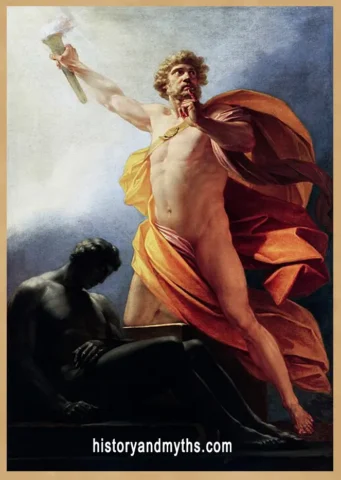
In Greek mythology, fire is rarely presented as a simple natural element. It appears in myths about divine authority, human progress, craftsmanship, punishment, and the fragile boundary separating mortals from…
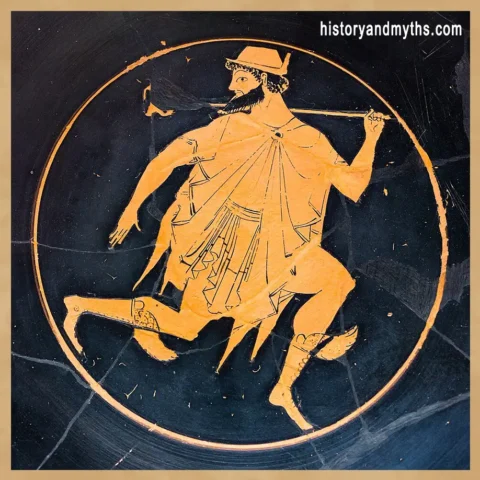
Wings appear throughout Greek mythology, yet they rarely serve the same purpose from one myth to another. They are found on messengers, personifications of victory, gods of desire, transformed souls,…
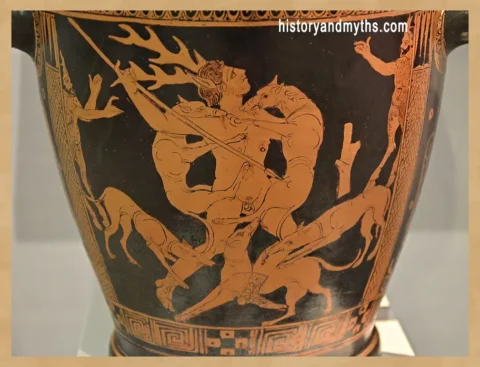
Transformation is one of the most distinctive patterns in Greek mythology. Again and again, humans, nymphs, heroes, and even kings are changed into animals, plants, stars, or other forms. At…
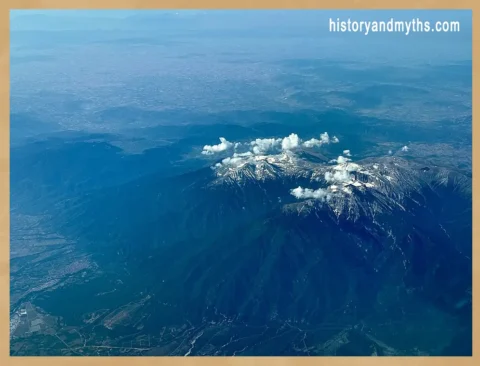
In Greek mythology, mountains were far more than dramatic features of the landscape. They were places where the ordinary world seemed to give way to something greater. Some served as…
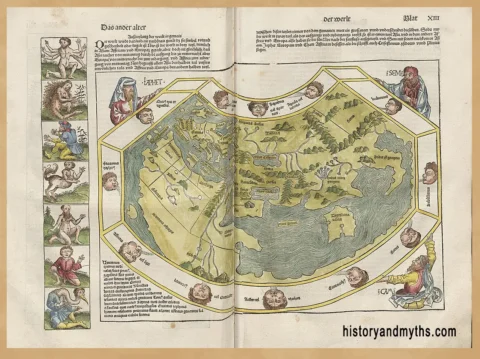
The Islands of the Blessed occupy a curious place in Greek mythology. They are often described as a paradise reserved for exceptional heroes, yet many modern readers encounter them only…