Sokar: Ancient Egyptian God of Death and Rebirth
Few Egyptian gods embody the quiet power of the underworld as clearly as Sokar, the ancient funerary deity of Memphis. To the Egyptians, Sokar was not a figure of terror but a presence that ruled the stillness between death and rebirth the moment when the body rests in darkness before transformation begins. His cult is older than the Osirian mythology that later dominated Egypt, and his identity reflects a world in which burial, silence, and renewal were deeply connected parts of religious life.
Sokar was imagined as a falcon that did not soar across the sky but watched over the necropolis, guarding the dead and the hidden spaces beneath the earth. He stood at a point where creation and decay met: the craftspeople of Memphis shaped funerary objects in his name, while priests carried his sacred bark in rituals that reenacted the soul’s journey through shadow toward renewal. For ancient Egyptians, he represented the essential stage between endings and beginnings the threshold that every soul must cross.
Sokar’s Origins: A Pre-Osirian God Rooted in Memphis
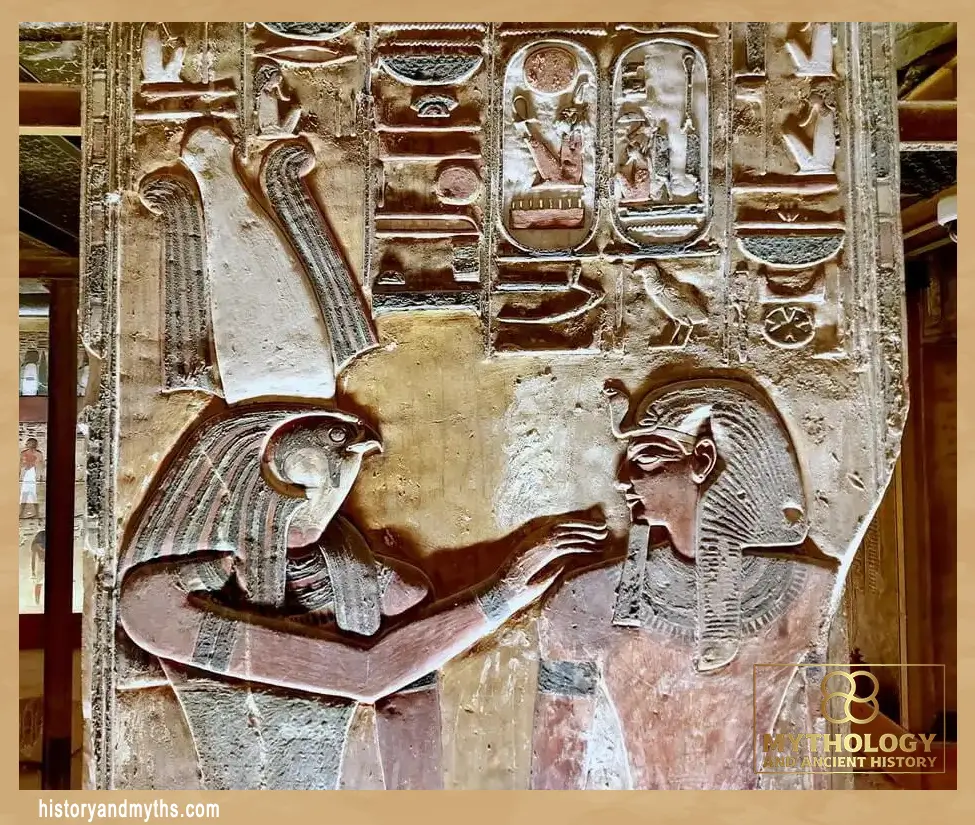
Long before Osiris became the dominant lord of the dead, Sokar was already venerated on the desert edge west of Memphis. His cult emerged from the oldest layers of Egyptian mortuary tradition an environment shaped by tomb builders, craftsmen, and the constant presence of the necropolis. Unlike later deities whose myths grew through narrative storytelling, Sokar’s authority came from place and practice. He embodied the physical reality of burial: the sealed chamber, the ritual silence, and the expectation of renewal that followed.
What made Sokar distinctive in early Memphis was the belief that he governed the critical interval between death and rebirth. Egyptians recognized that transformation did not happen instantly; it required a period of stillness during which the body was prepared, protected, and symbolically re-positioned for its journey. Sokar personified that moment. His presence assured that the transition would not collapse into chaos, and that the dead would remain intact until the divine forces of regeneration could take hold.
| Aspect | Details |
|---|---|
| Primary Role | God of the necropolis, silence, preservation, and the transition between death and rebirth. |
| Cult Center | Memphis (ancient capital of Lower Egypt). |
| Iconography | Grounded falcon; mummified figure with falcon head; funerary bark. |
| Associations | Linked to craftsmen, tomb builders, and the composite deity Ptah–Sokar–Osiris. |
| Underworld Role | Guardian of hidden passages in the Duat, especially in the Book of Gates and Book of Caverns. |
| Festival | Annual procession of Sokar’s funerary bark symbolizing the soul’s journey through darkness. |
What Was Sokar the God Of?
Sokar was primarily a funerary god associated with the necropolis of Memphis, the protection of the dead, and the hidden stages between death and rebirth. He was not a judge of souls like Osiris, nor a guide of embalming like Anubis. His role was more specific: he guarded the silent, enclosed, and dangerous space where the deceased awaited transformation.
This made Sokar a god of preservation rather than resurrection itself. He protected the body, the tomb, and the stillness required before renewal could begin. In Egyptian belief, death was not imagined as instant rebirth. The dead first entered a vulnerable interval in which the body had to remain intact, the soul had to pass through darkness, and divine protection had to prevent dissolution.
Sokar’s connection with Memphis also tied him to craftsmen and tomb builders. The people who made coffins, funerary figures, and burial equipment worked within a religious world shaped by Ptah, the creator-craftsman, and Sokar, the protector of the necropolis. This is why Sokar later became central to the composite form Ptah–Sokar–Osiris.
In simple terms, Sokar was the god of the sacred pause between death and rebirth. He represented the hidden stage where the dead were preserved, protected, and prepared for renewal.
The Silent Falcon: What Sokar Represented in Egyptian Thought
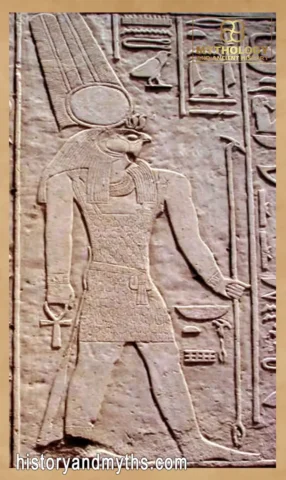
Sokar’s identity as a falcon sets him apart from other avian gods of Egypt. While Horus soared across the sky and Ra traveled the solar path, Sokar’s falcon did not rise into the heavens. Instead, it remained close to the earth fixed, silent, and watchful. This grounded falcon captured a unique theological idea: the moment when life has ended, movement has ceased, and yet the possibility of renewal is quietly forming beneath the surface.
To Egyptians, this was not a negative state. Stillness was necessary. Silence was sacred. Sokar represented the protective pause that allowed the dead to retain their integrity before the forces of regeneration embodied later by Osiris could act. His realm was not the dramatic judgment hall of the afterlife but the hidden darkness of transition, the space where the deceased waits, preserved and unbroken, for the rebirth that lies ahead. This made Sokar a crucial guardian of the liminal stage that every soul was believed to pass through.
Sokar’s Role in the Underworld: Guardian of the Hidden Passages
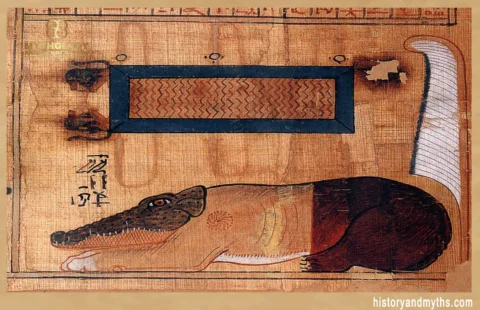
In the funerary texts of the New Kingdom, Sokar appears not as a judge or a ruler but as a guide through the concealed regions of the Duat. These were the sections of the afterlife where the sun god momentarily lost his light, where movement slowed, and where the dead faced the densest layers of darkness. Sokar’s presence in these passages was essential because he governed the space where both the sun and the soul were most vulnerable.
The Book of Gates and the Book of Caverns depict entire hours of the night dominated by Sokar’s landscape quiet, shadowed realms where the solar bark must be pulled rather than sailed, and where the journey pauses before resuming its ascent. This imagery captures the theological essence of Sokar: he represents the point in the cycle when energy is at its lowest but still preserved, protected from dissolution.
For the Egyptians, this was a moment of profound meaning. Rebirth required stillness before it could unfold, and Sokar oversaw that sacred interval. His guardianship ensured that neither the sun god nor the deceased would be lost in the depths, and that the transition toward renewal remained intact.
Ptah–Sokar–Osiris: Why the Three Gods Became One
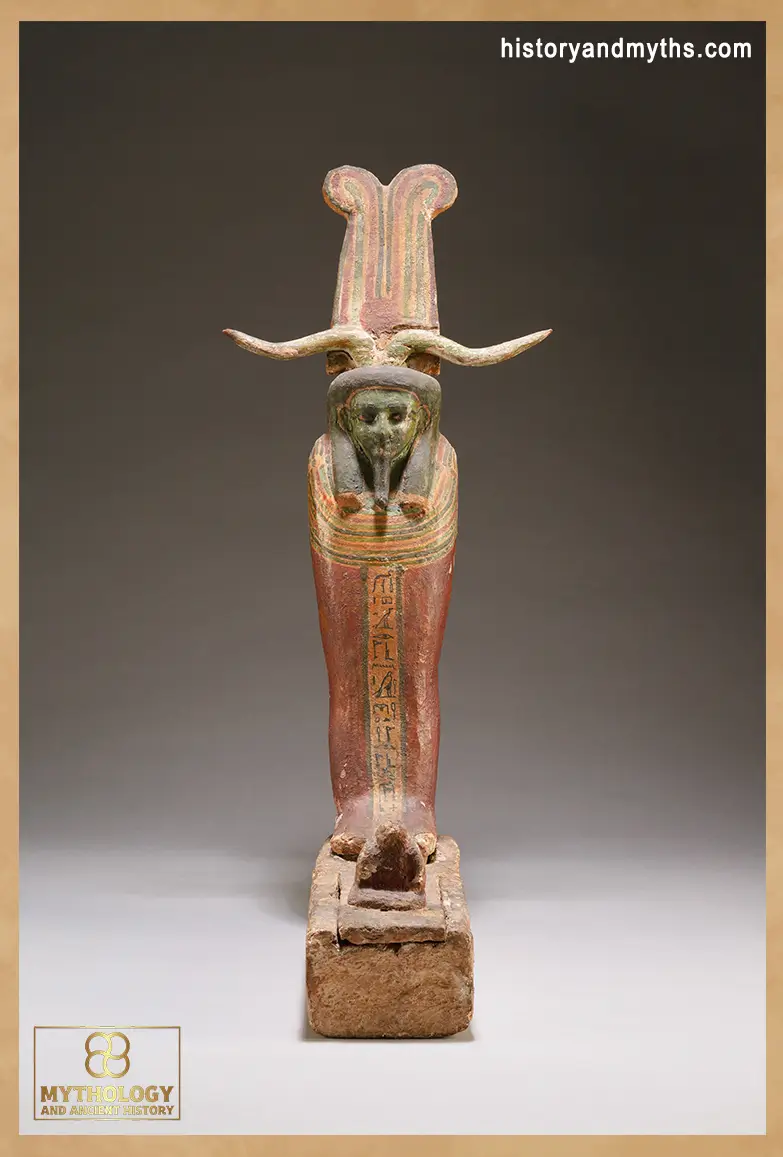
One of the most distinctive aspects of Sokar’s history is his gradual fusion with two major deities Ptah and Osiris into the composite god Ptah–Sokar–Osiris. This union was not a random merging of cults but a theological solution that linked three essential stages of existence: creation, preservation, and renewal.
Ptah, the great creator god of Memphis, represented the act of shaping the world craft, speech, and intention made real. Sokar embodied the stillness of death and the protective silence that holds the body intact. Osiris symbolized the rebirth that follows, the moment when life re-emerges transformed. Together, these three formed a complete cycle: the thing created, the thing preserved, and the thing reborn.
This fusion also mirrored the practical reality of funerary practice. Craftsmen in Memphis fashioned coffins and ritual objects under Ptah’s patronage, the burial grounds west of the city fell under Sokar’s protection, and the promise of resurrection centered on Osiris. The composite deity gave Egyptians a unified way to understand the journey from life to death to new life, and it became one of the most widespread funerary symbols of the Late Period and beyond.
The Iconography of Sokar: Falcon, Mummy Form, and the Funerary Bark
Sokar’s imagery developed over centuries, but it always centered on themes of stillness, protection, and transition. His most common form was a falcon, yet unlike the soaring birds associated with Horus or Ra, Sokar’s falcon remained grounded. It symbolized vigilance rather than flight a guardian watching over the necropolis rather than ruling the sky. This grounded posture expressed his role in the silent, earthbound realm where the dead awaited renewal.
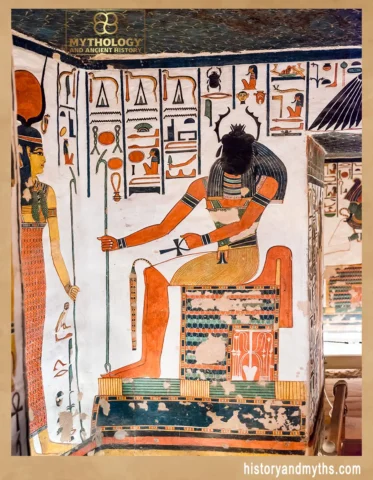
In other contexts, Sokar appears in a mummified human form, often standing upright with a falcon’s head. This image connected him directly to the physical process of burial. The wrapped body evoked the careful preparation of the deceased, while the falcon’s head preserved his identity as a divine protector. It was a visual reminder that preservation was the first step toward rebirth.
One of the most meaningful symbols associated with Sokar is the funerary bark, a sacred boat carried during his festival in Memphis. The bark represented the soul’s passage through the hidden regions of the underworld slow, deliberate, and guided by ritual rather than motion. Unlike the solar bark that glides across the sky, Sokar’s bark moved through shadowed terrain, reflecting the challenging part of the journey where silence was necessary and divine protection essential.
The Festival of Sokar: Rituals of Renewal in Memphis
Among the oldest religious celebrations in Memphis was the Festival of Sokar, a ceremony that reflected the god’s deep connection to both death and cyclical renewal. Unlike the dramatic festivals of Osiris or the public processions of Amun, this ritual carried a quieter, more solemn character. It centered on the belief that the moment of stillness following death was not an ending but a vital preparation for rebirth.
During the festival, priests carried Sokar’s funerary bark on a processional route around the necropolis. This movement symbolized the soul’s journey through the most hidden parts of the underworld regions where the sun stalled, where motion slowed, and where divine protection mattered most. The act of physically transporting the bark was a reenactment of the soul being guided safely through darkness.
The festival also overlapped with the agricultural cycle. In Memphis, the renewal of the fields after the Nile’s inundation echoed the theological idea that life emerges from stillness. Sokar’s rites therefore stood at a crossroads: they honored the dead, protected the living, and affirmed that every moment of dormancy whether in the soil or in the tomb contained the potential for regeneration. For the Egyptians, this harmony between nature and the afterlife gave the festival lasting meaning across centuries.
Sokar’s Relationship to Craft and Tomb Building
Sokar was not only the guardian of the necropolis; he was also deeply tied to the people who shaped its physical world. In Memphis, the artisans who carved coffins, modeled funerary figures, and constructed tomb structures worked under the combined patronage of Ptah and Sokar. Ptah represented the creative impulse the act of forming material into meaningful shape while Sokar oversaw the moment when those creations entered the silent realm of the dead.
This connection to craftsmanship gave Sokar a practical dimension that set him apart from other funerary gods. Every stage of tomb construction, from cutting limestone to decorating burial equipment, carried symbolic weight. The tomb was not merely a resting place but a protective shell meant to preserve the body during its most vulnerable transition. In this context, Sokar functioned as the spiritual counterpart to the artisans: he ensured that what they built would fulfill its purpose.
The association also reinforced his role in the composite deity Ptah–Sokar–Osiris. Craftsmen created the objects (Ptah), Sokar safeguarded the body and its stillness, and Osiris granted the renewal that followed. Together, these three ideas formed a complete cycle that resonated deeply with the practical and spiritual life of Memphis. Sokar’s link to the labor of tomb builders shows how closely theology and daily work were intertwined in ancient Egypt.
Sokar at a Glance
Sokar was one of the oldest funerary gods of ancient Egypt, worshipped long before the rise of Osiris. He represented the sacred stillness that follows death—the quiet interval during which the body is preserved and the possibility of rebirth begins to form. His role was neither judgment nor resurrection but the protection of the fragile space between them.
As a grounded falcon or a mummified figure, Sokar guarded the necropolis of Memphis and guided both the sun god and the deceased through the most hidden passages of the Duat. His festival, marked by the procession of the funerary bark, reenacted this slow and shadowed journey.
Through his union with Ptah and Osiris, Sokar became the central link in a theological chain that explained creation, preservation, and renewal. He remains a key figure for understanding how Egyptians viewed the transformation from death into new life.
Why Sokar Matters: His Place in Egyptian Belief About Death and Transformation
Sokar endures in Egyptian religion because he represents a stage of the afterlife that no other god expresses with the same clarity. Osiris governs the promise of rebirth, and Anubis oversees preparation and protection, but Sokar defines the essential pause between them the moment when the deceased lies in complete stillness, waiting for renewal to begin. This idea was not abstract; it was woven into daily ritual, temple practice, and the physical reality of every tomb in Memphis.
For Egyptians, transformation was a process rather than a single event. Before the soul could be reborn, it had to be preserved, stabilized, and guarded from dissolution. Sokar embodied this fragile interval. His silent falcon, his mummified form, and his shadowed domains in the funerary texts all expressed the same truth: rebirth requires a place where darkness can settle long enough for new life to take hold.
This is why Sokar remained central even after Osiris rose to prominence. Instead of fading, he became the middle link in a theological chain that explained creation, preservation, and resurrection together. His role revealed a worldview in which death was not an immediate passage but a carefully managed journey one that depended on quiet protection as much as divine power. Through Sokar, the Egyptians understood that every ending contains the structure of a beginning, provided it is held intact long enough for transformation to occur.
Key Takeaways
- Sokar is one of Egypt’s oldest funerary gods, rooted in the necropolis traditions of Memphis.
- He represents the sacred stillness between death and rebirth, rather than judgment or final resurrection.
- His grounded falcon form symbolizes protection, vigilance, and the preservation of the deceased.
- Texts like the Book of Gates and Book of Caverns show Sokar guiding the sun and the dead through hidden regions of the underworld.
- The Festival of Sokar reenacted this journey through the procession of a funerary bark.
- In the composite deity Ptah–Sokar–Osiris, he forms the essential bridge between creation and renewal.
Frequently Asked Questions
Who was Sokar in ancient Egyptian religion?
Sokar was an early funerary god of Memphis who represented the stillness and protection that occur between death and rebirth.
Why was Sokar depicted as a falcon?
His grounded falcon form symbolized vigilance over the necropolis and the silent guardianship of the deceased.
What was the Festival of Sokar?
It was an annual procession in Memphis where Sokar’s funerary bark was carried to reenact the soul’s journey through hidden regions of the underworld.
How is Sokar connected to Ptah and Osiris?
Through the composite deity Ptah–Sokar–Osiris, he became the intermediary link between creation, preservation, and resurrection.
What role did Sokar play in the underworld?
He guided the sun god and the dead through the darkest, most concealed passages of the Duat as described in the Book of Gates and Book of Caverns.
Why was Sokar important to craftsmen and tomb builders?
His domain covered the necropolis, linking him to the artisans who built tombs and crafted funerary equipment under the patronage of Ptah and Sokar together.
Sources & Rights
- Allen, James P. Middle Egyptian: An Introduction to the Language and Culture of Hieroglyphs. 2nd ed. Cambridge: Cambridge University Press, 2010.
- Assmann, Jan. Death and Salvation in Ancient Egypt. Ithaca: Cornell University Press, 2005.
- Faulkner, Raymond O. The Ancient Egyptian Book of the Dead. Revised ed. London: British Museum Press, 1985.
- Hart, George. A Dictionary of Egyptian Gods and Goddesses. 2nd ed. London: Routledge, 2005.
- Hornung, Erik. The Ancient Egyptian Books of the Afterlife. Translated by David Lorton. Ithaca: Cornell University Press, 1999.
- Pinch, Geraldine. Egyptian Mythology: A Guide to the Gods, Goddesses, and Traditions of Ancient Egypt. Oxford: Oxford University Press, 2004.
- Taylor, John H. Journey through the Afterlife: Ancient Egyptian Book of the Dead. London: British Museum Press, 2010.
- Teeter, Emily. Religion and Ritual in Ancient Egypt. Cambridge: Cambridge University Press, 2011.
- Wilkinson, Richard H. The Complete Gods and Goddesses of Ancient Egypt. London: Thames & Hudson, 2003.
- British Museum. Collection Online: Ancient Egyptian Religion and Funerary Beliefs.
- Metropolitan Museum of Art. The Art of Ancient Egypt Collection.
Written by H. Moses — All rights reserved © Mythology and History