Behbeit el-Hagar: Home to Egypt’s Granite Temple of Isis
Behbeit el-Hagar is a village and archaeological site in Egypt’s Nile Delta, near ancient Sebennytos. It is best known for the ruins of a monumental granite temple dedicated to Isis,…
Explore the history, culture, religion, society, monuments, rulers, and daily life of ancient Egypt. This section examines how Egyptian civilization developed across different periods, how its institutions and beliefs shaped society, and what archaeology and historical sources reveal about one of the most influential civilizations of the ancient world.
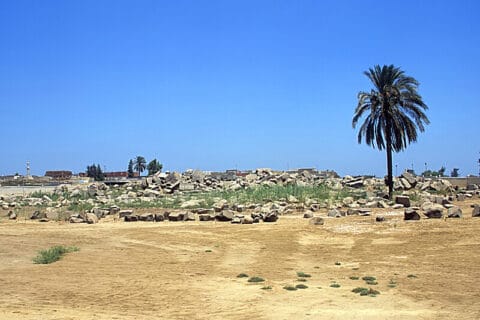
Behbeit el-Hagar is a village and archaeological site in Egypt’s Nile Delta, near ancient Sebennytos. It is best known for the ruins of a monumental granite temple dedicated to Isis,…
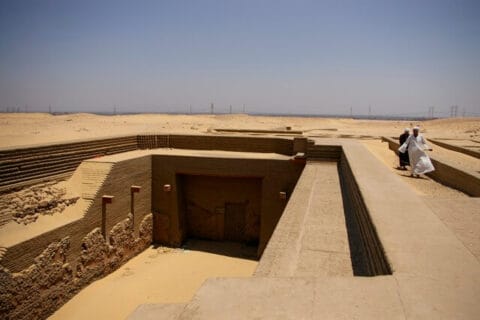
Did ancient Egyptians practice human sacrifice? The evidence suggests that they sometimes did, but the practice was limited, early, and very different from the idea of human sacrifice as a…
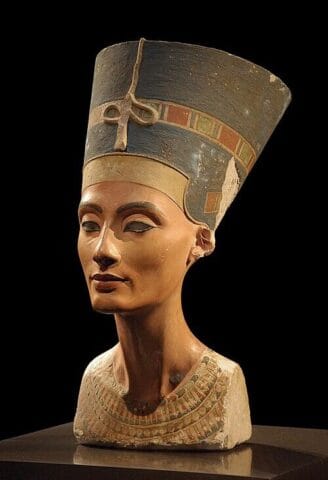
Nefertiti’s tomb has never been securely identified, and no confirmed discovery has yet revealed where the famous Egyptian queen was buried. Interest in the mystery returned in 2026 after new…
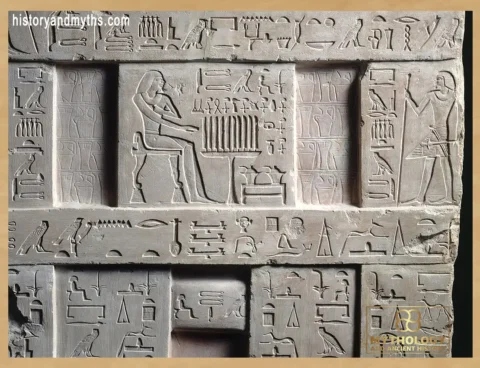
Memorial practices in Ancient Egypt were not about mourning or burial. They were long-term strategies to preserve a person’s name, identity, and social presence after death ensuring that the dead…
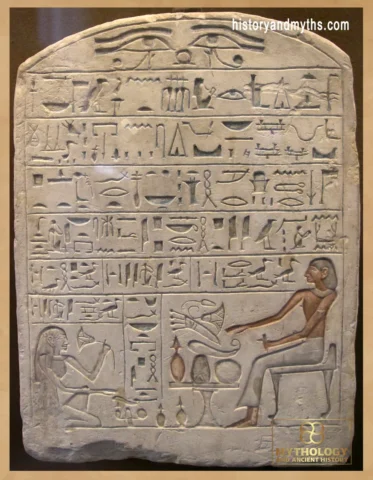
Did ancient Egyptians worship their ancestors as gods? Why did families write to deceased relatives, ask for their help, and continue treating them as part of everyday life long after…
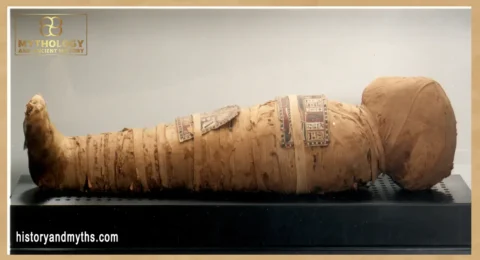
Child death in Ancient Egypt was common, but it was never treated as ordinary. The loss of a child raised unique social and religious problems: grief without a life story,…
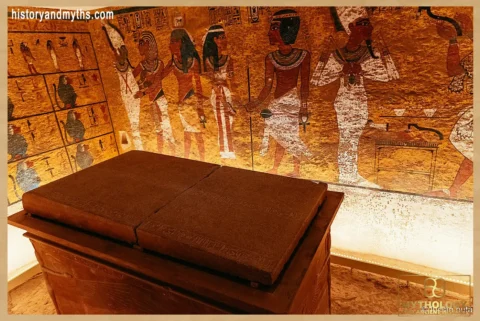
Elite burials in Ancient Egypt were not lavish by accident. They were engineered systems of protection—multiple coffins, layered tombs, repeated texts, and controlled access—designed to reduce risk in the afterlife….
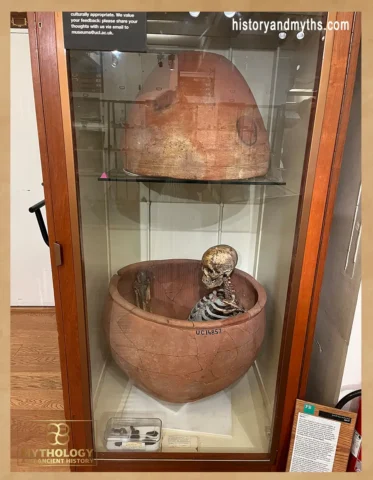
Poor Egyptians were not “thrown away” in death. Their burials were simpler, cheaper, and often closer to the desert’s raw practicality—pit graves, basic wrapping, and few goods—but they still followed…
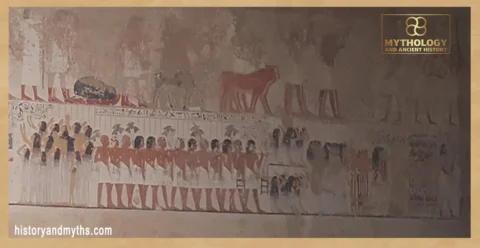
Ancient Egyptian mourning was not just private grief—it was a controlled ritual performance meant to protect the dead, restore social order, and activate the afterlife transition. Families, temple-trained lamenters, and…
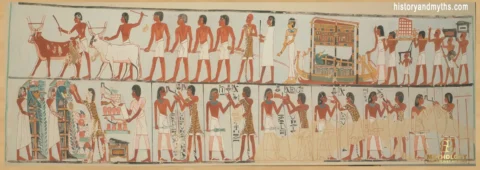
Funeral processions in ancient Egypt were the public journey that moved a person from the household of the living to the landscape of the dead. The procession carried the body,…
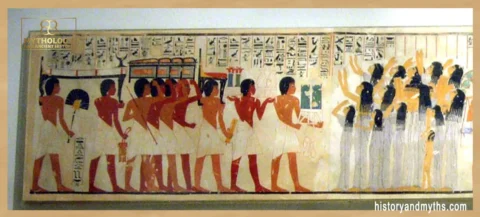
Death at home in ancient Egypt was the first stage of the funerary process, before embalming and burial began. In the hours after death, families secured the body, started mourning…
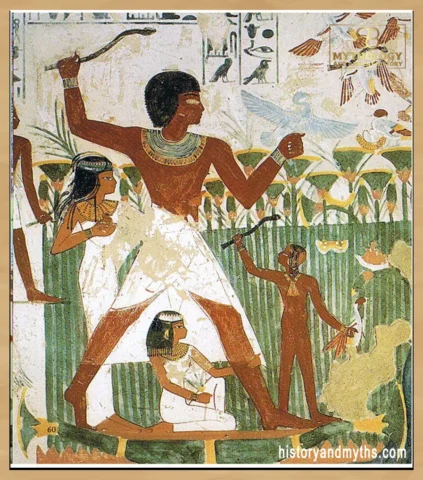
The first work experience in ancient Egypt was usually not a “job interview” or a single ceremony. It was the moment a child became regularly useful—assigned real responsibilities at home,…
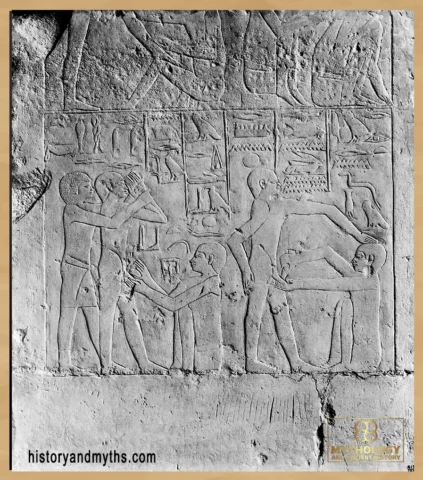
Did ancient Egyptians practice circumcision? The strongest evidence says yes, but it does not prove that the practice was universal, performed at one fixed age, or followed the same meaning…
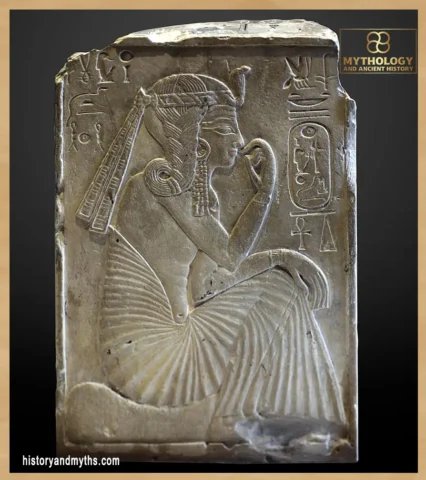
Coming of age in ancient Egypt was not one fixed ceremony with a universal script. It was a social transition marked by puberty, first work responsibilities, and readiness for marriage…
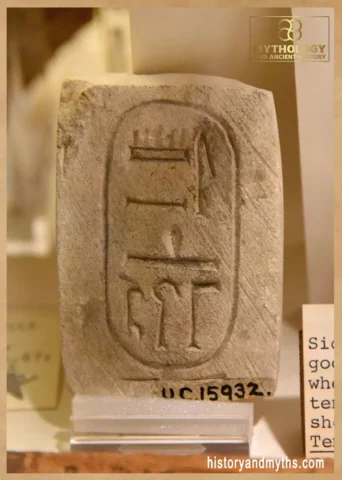
Naming in ancient Egypt was more than choosing a word for a child. A name established identity, belonging, and protection, and it could signal devotion to a deity, family tradition,…
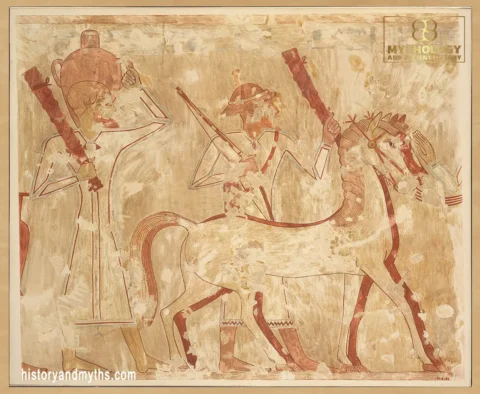
Foreigners in ancient Egypt could have legal rights, but those rights depended on status. A resident trader, hired worker, or military recruit could use contracts, property rules, and local courts,…
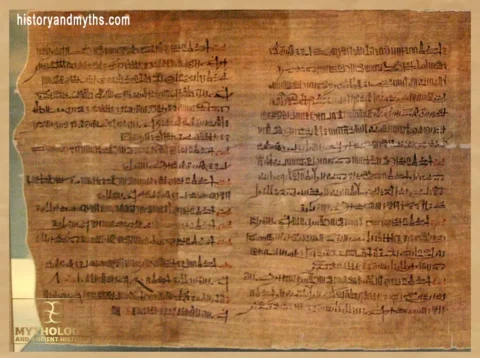
Corruption and abuse of power existed in ancient Egypt because local officials-controlled taxes, labor, court access, and security—often with weak oversight. Surviving edicts, petitions, and trial records show bribery, extortion,…
Prisons in Ancient Egypt were not modern jails with long sentences and fixed systems. Most imprisonment worked as detention—temporary holding before questioning, trial, or official decision. Suspects were guarded inside…
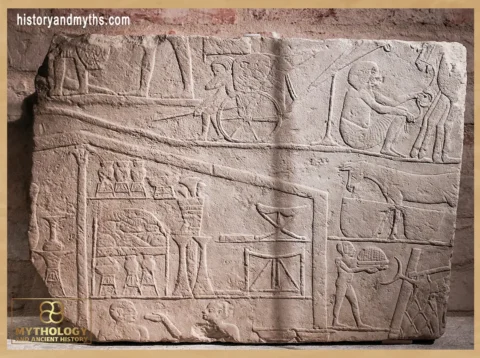
Law enforcement in Ancient Egypt was not one “police force,” but a layered security system built to protect grain stores, temples, streets, and royal tombs. Guards controlled access at gates,…
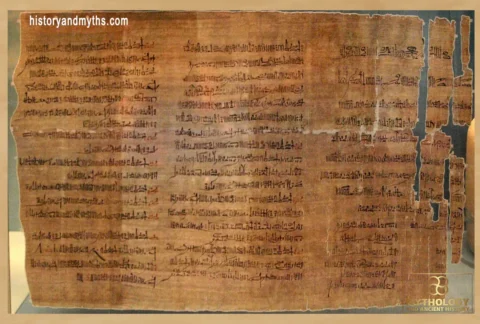
Oaths, witnesses, and legal proof in Ancient Egypt were the tools that turned a claim into a verdict—long before modern forensic evidence existed. Courts built “truth” through credible testimony, sworn…