Astragalomancy: How Ancient Knucklebone Oracles Worked
Astragalomancy was a form of ancient divination in which people cast animal knucklebones to seek guidance from the gods. In the inscribed oracles of Roman-era southern Asia Minor, five bones…
Explore the history, society, politics, warfare, philosophy, art, religion, and daily life of ancient Greece. This section examines how Greek civilization developed across different regions and periods, how its institutions and ideas shaped the ancient Mediterranean world, and what historical and archaeological evidence reveals about its lasting influence.
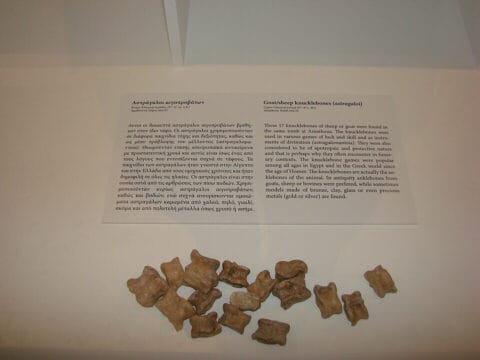
Astragalomancy was a form of ancient divination in which people cast animal knucklebones to seek guidance from the gods. In the inscribed oracles of Roman-era southern Asia Minor, five bones…
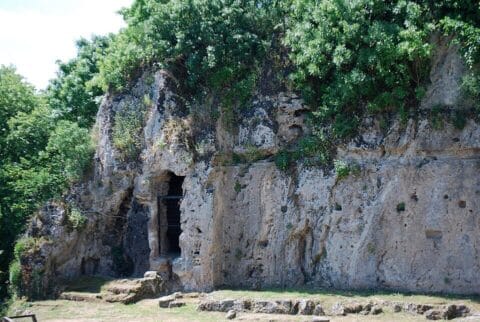
Alexander the Great did not receive all of his education at the Macedonian court. According to Plutarch, Philip II brought Aristotle to Macedonia and gave him a place near Mieza…
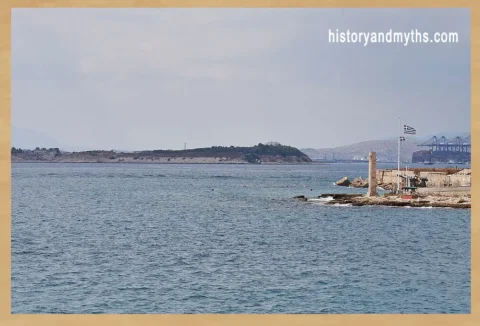
Corinth and Athens developed two very different economic models despite both becoming major commercial powers in the Greek world. Corinth built its economy around strategic trade movement, merchant exchange, and…
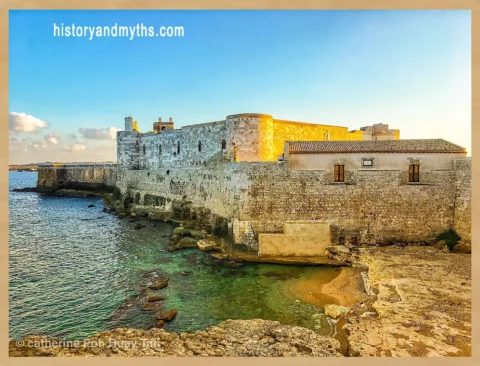
Sicily became important to Greek trade because its fertile farmland, strategic location, and maritime connections allowed Greek cities to expand commercial networks across the Mediterranean while securing access to grain,…
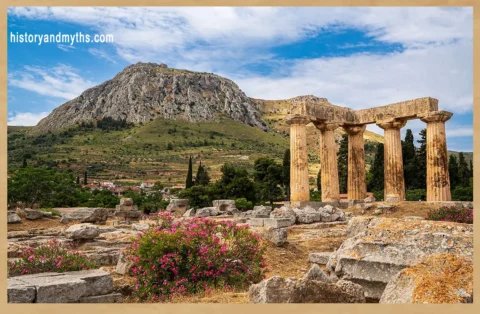
Geography shaped Greek cities by influencing where people could travel, trade, farm, defend territory, and build long-term urban communities. Mountains divided regions into isolated political centers, narrow plains supported agricultural…

Greek cities controlled strategic roads by securing mountain passes, supervising land corridors, and managing access routes connected to trade, military movement, and territorial influence. In a landscape dominated by mountains…
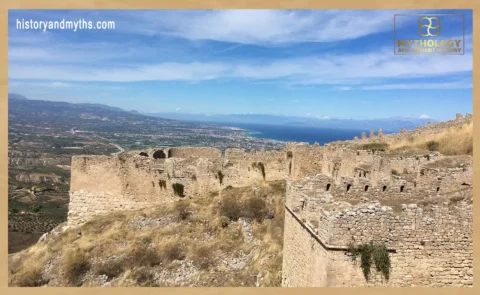
Fortress cities in Ancient Greece developed around defensive walls, elevated terrain, controlled access points, and urban layouts designed to protect populations during warfare and regional instability. Cities such as Mycenae,…
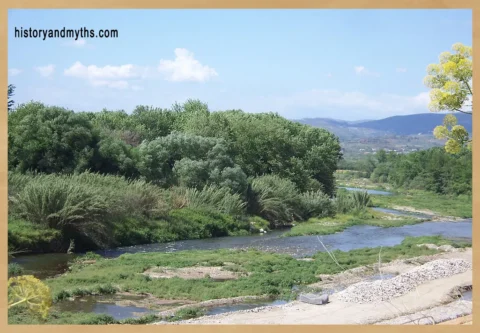
Agricultural Greek cities developed around fertile land, food production, and rural labor systems that supported urban stability and long-term economic survival. Cities located near productive plains and farming regions depended…
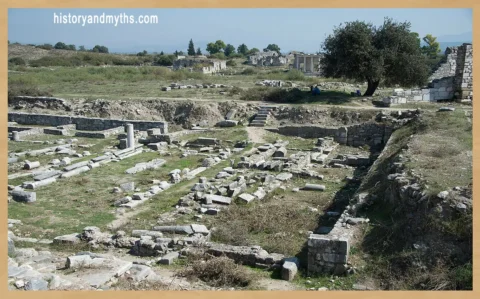
Intellectual centers in Ancient Greece became influential because philosophy, public debate, education, and the exchange of ideas transformed certain cities into major centers of learning and cultural prestige. Cities such…
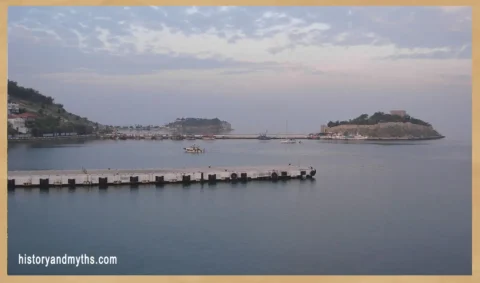
Port cities in Ancient Greece developed around harbors, maritime movement, and coastal exchange systems that connected Greek urban centers to the wider Mediterranean world. Cities such as Piraeus, Corinth, Rhodes,…
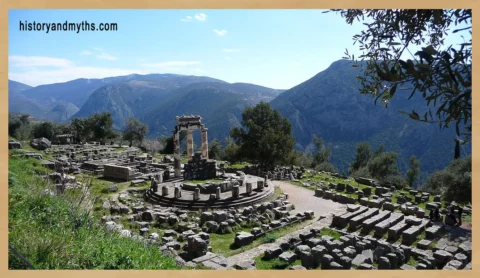
Religious cities in Ancient Greece became influential because temples, sacred festivals, pilgrimage networks, and oracles transformed them into centers of spiritual authority and public prestige across the Greek world. Cities…
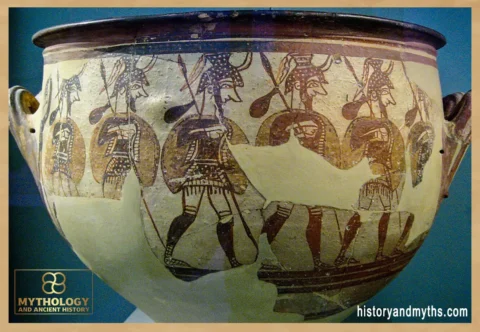
Military cities in Ancient Greece developed around defense, military readiness, and political systems that treated warfare as a central part of urban life. Some Greek cities were shaped less by…
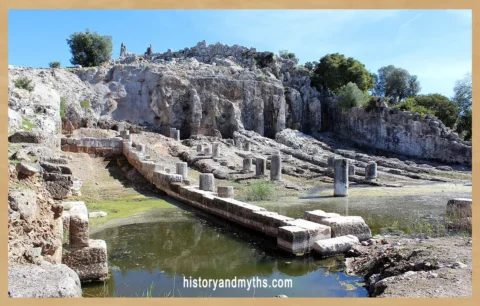
Trade cities in Ancient Greece became economically powerful because their harbors, geography, and maritime connections allowed them to control commercial exchange across major Mediterranean trade networks. Cities such as Corinth,…
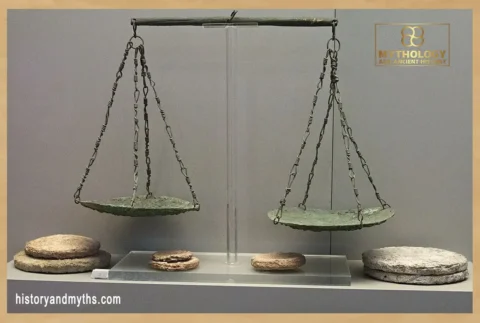
Market fraud existed in Ancient Greek trade through dishonest weights, manipulated measurements, poor-quality goods, deceptive pricing, and other forms of commercial manipulation inside urban marketplaces. Because Greek cities depended heavily…
Ancient Greek cities stored grain to reduce the danger of famine, wartime shortages, and disruptions to maritime trade networks that supplied urban populations with essential food resources. Because many city-states…
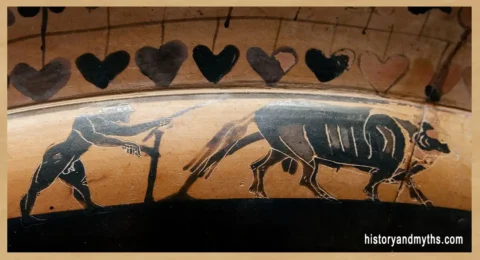
Ancient Greek cities frequently faced food shortages because many urban populations depended heavily on imported grain, vulnerable trade routes, and unstable wartime supply systems. Large city-states such as Athens could…
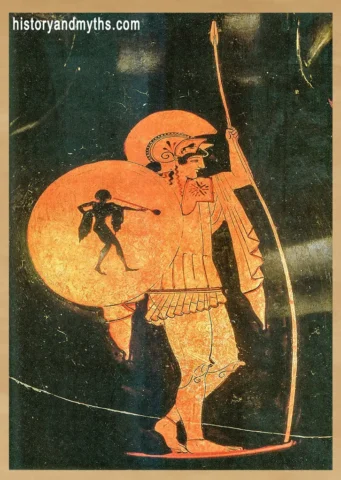
Ancient Greek society expected men to demonstrate courage, self-control, public responsibility, and loyalty to the polis. Masculinity was not defined only through physical strength or military ability, but through behavior,…

Greek city-states recognized official authority through public office, legal structures, civic acceptance, and institutional legitimacy connected to the polis. Authority was not based only on personal strength or social influence,…
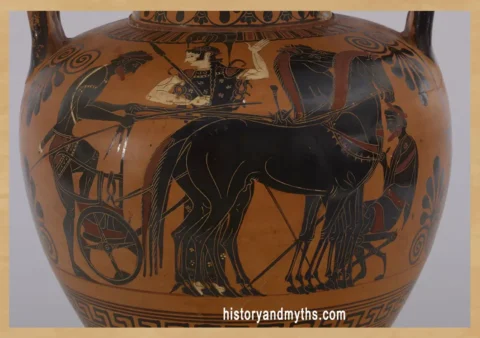
Greek city-states enforced military obligations through civic expectations, registration systems, social pressure, and legal responsibilities connected to defense of the polis. Military service was not treated as a separate professional…
Greek city-states developed systems to manage public funds, supervise spending, and organize financial responsibilities connected to government activity. Public money supported military campaigns, religious festivals, construction projects, administration, and other…