Hapi: The Egyptian God of the Nile Flood, Fertility, and Abundance
To the ancient Egyptians, the annual flood of the Nile was not simply a natural event. It was the moment the world was renewed — when dry soil became fertile,…
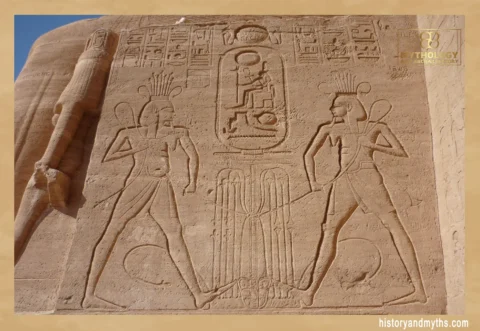
To the ancient Egyptians, the annual flood of the Nile was not simply a natural event. It was the moment the world was renewed — when dry soil became fertile,…
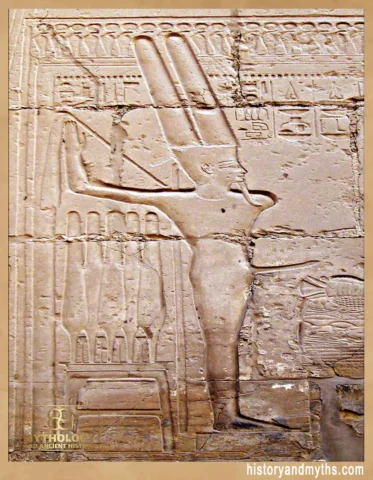
To the ancient Egyptians, life was not only something that happened — it was something that had to be renewed. Every harvest, every season of growth, every journey into the…
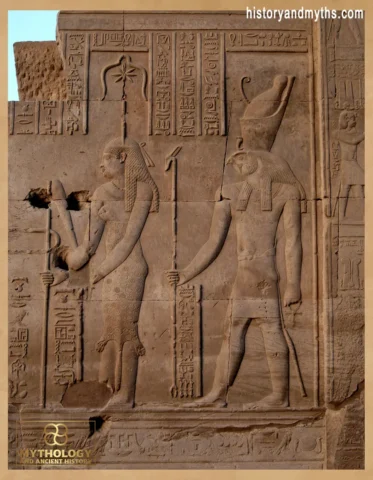
To the ancient Egyptians, writing was more than a tool — it was a force that shaped reality. Through it, kings fixed their achievements into history, temples found their exact…
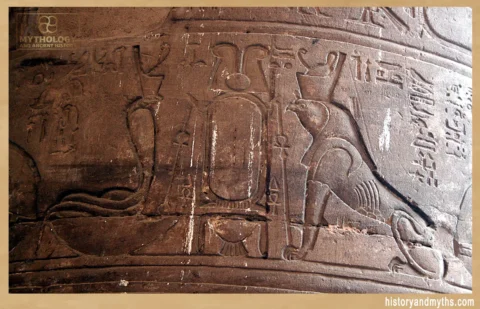
Wadjet was not simply a cobra symbol on the pharaoh’s crown — she was the idea of protection turned into a goddess. For the ancient Egyptians, danger was never announced,…
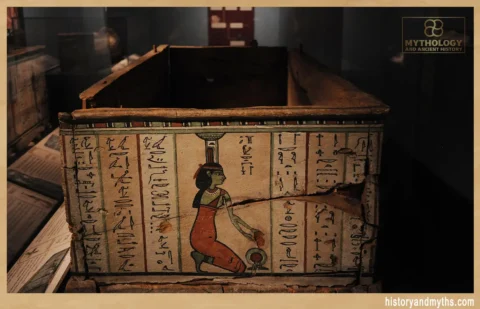
In the vast landscape of Egyptian mythology, Nephthys stands as the quiet force that holds the edges of the world together a goddess who works not in the brilliance of…
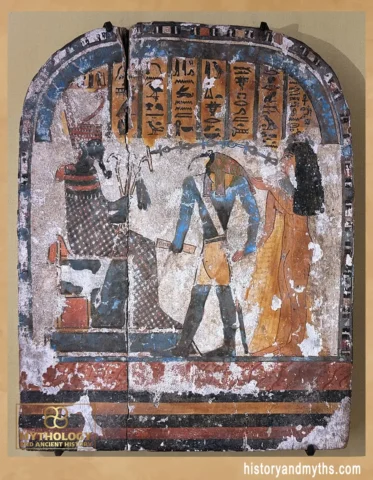
In ancient Egyptian thought, Atum represents more than a beginning — he is the principle of completion. Where many creation gods embody emergence or growth, Atum stands at the point…
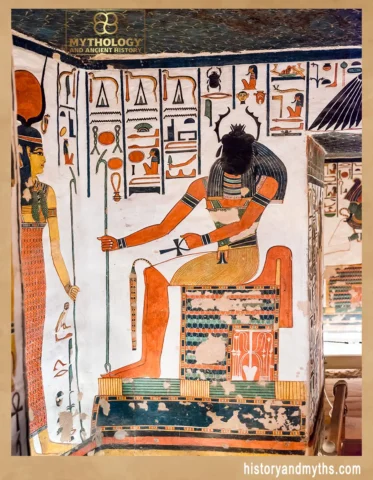
In the world of ancient Egypt, Khepri represents the moment when darkness yields to renewal. He is the rising sun — not its heat or its brilliance, but its awakening….
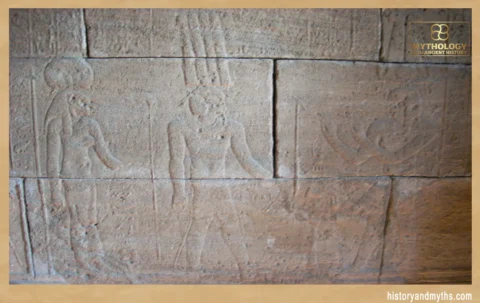
Among the earliest forces to emerge in the Egyptian cosmos, Tefnut embodies the life-giving moisture that allows creation to take form. She is the subtle presence of dew at dawn,…
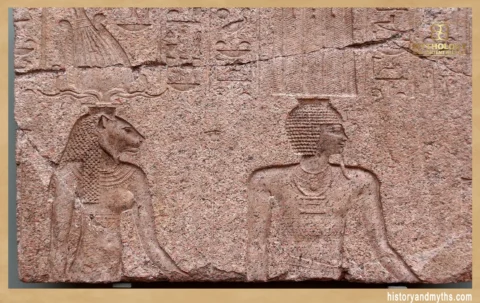
Shu stands at the very beginning of Egyptian creation, the invisible yet essential force that makes life and order possible. As the god of air, he is the power that…
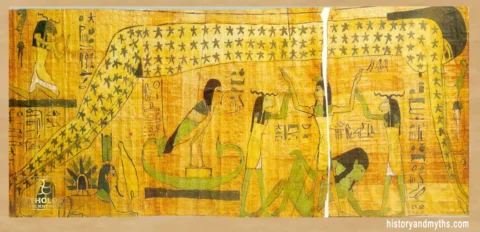
Among the great cosmic powers of ancient Egypt, Geb stands as the enduring embodiment of the earth itself — the living foundation upon which gods, humans, and kingdoms were built….
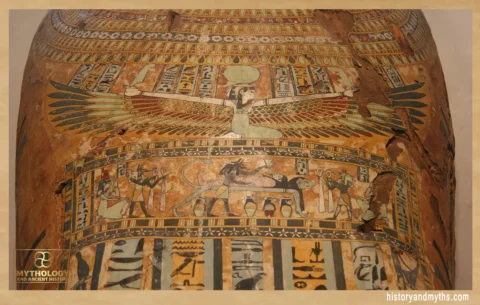
Few deities in ancient Egypt shaped the way people imagined the heavens as profoundly as Nut, the great Sky Mother whose arched body formed the living canopy of the world….
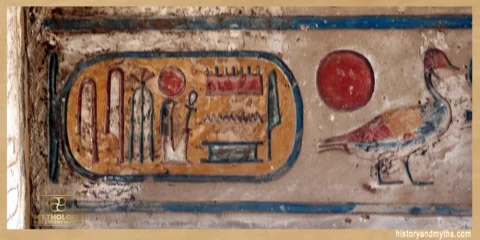
Few figures in the Egyptian pantheon shaped the imagination of an entire civilization as profoundly as Ra, the radiant master of the sun. To the ancient Egyptians, his rising was…
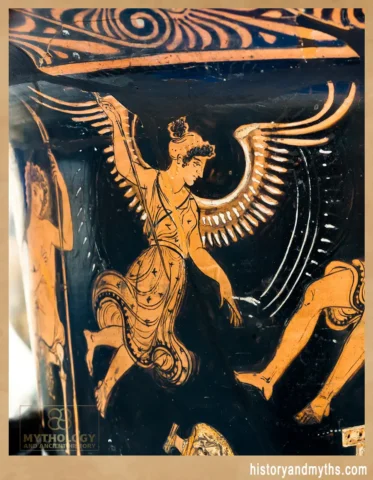
In Greek mythology, madness was not treated as a random stroke of misfortune. It was a force with intention, capable of tearing a hero away from reason and pushing him…
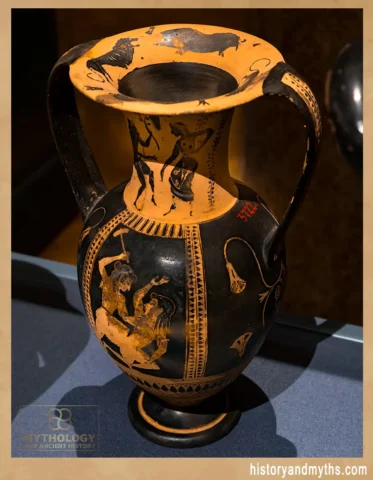
In Greek thought, injustice was not just a moral failure — it was a force with a face, a presence that could disrupt the balance of the world. The Greeks…
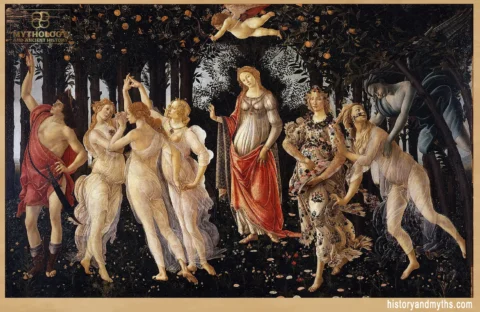
In the ancient Greek imagination, beauty was never a single idea. It was movement, warmth, joy, generosity — a living current that flowed through the world and softened even the…
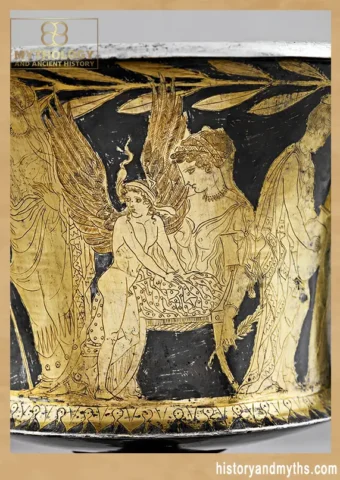
Desire in Greek mythology was never a simple emotion. It could inspire courage, ignite passion, or drive a person toward choices that changed their fate. Among the forces that shaped…
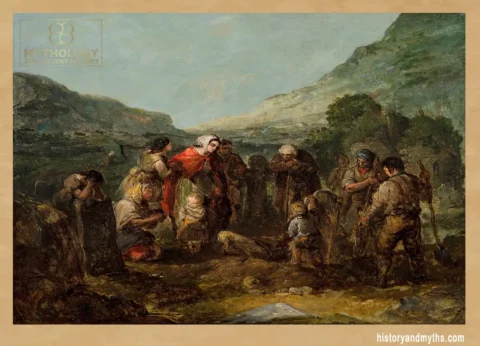
Famine was one of the most feared realities in the ancient world. Long before wars or disasters, hunger alone could bring a city to its knees. In Greek mythology, this…
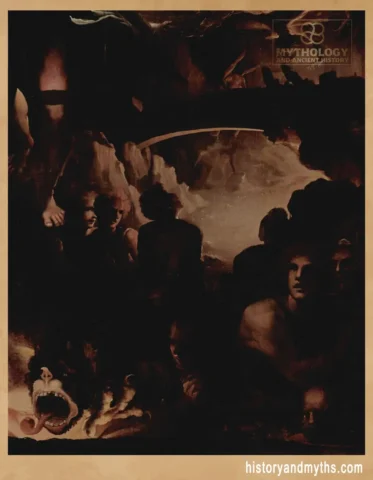
In the shadowed edges of Greek mythology, where the cosmos mirrors the fragile balance of human society, the figure of Dysnomia emerges—not as a goddess with temples or hymns, but…