Why Was Water Sacred in Babylonian Mythology?
Water was sacred in Babylonian mythology because it was believed to be the source of creation, the foundation of civilization, and a divine force that sustained both the cosmos and…
Explore the gods, myths, creation traditions, divine conflicts, sacred symbols, and religious beliefs of ancient Babylonia. This section examines how Babylonian mythology explained the origins of the world, the role of the gods, kingship, fate, and cosmic order, while also exploring the cultural meaning of major deities and influential Mesopotamian mythic traditions.
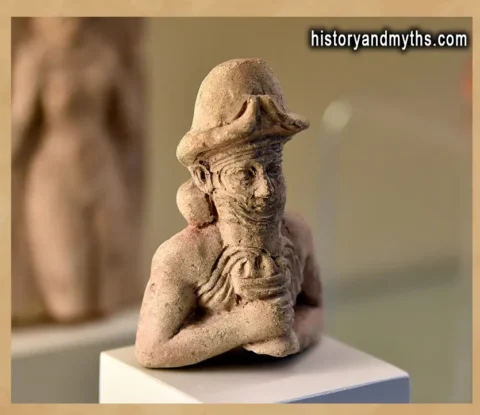
Water was sacred in Babylonian mythology because it was believed to be the source of creation, the foundation of civilization, and a divine force that sustained both the cosmos and…
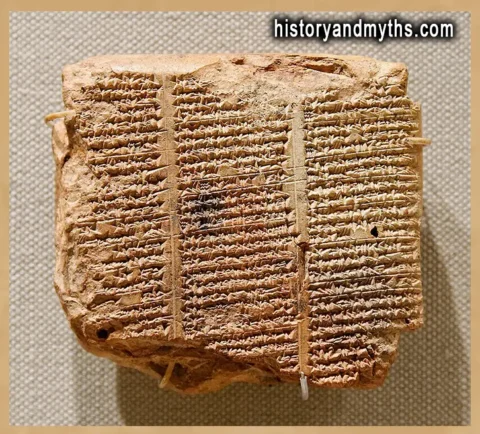
Magic was not a hidden practice that existed outside Babylonian religion. It was one of the primary ways the Babylonians believed humans could cooperate with the gods to restore order,…
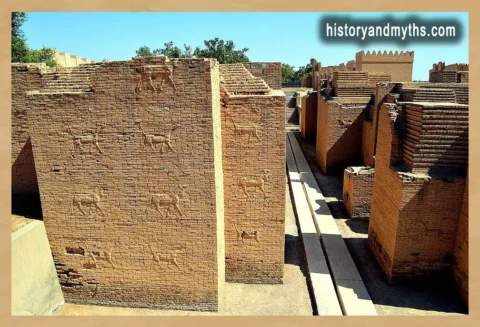
Why did Babylon become the holiest city in Mesopotamian religion when older and equally important cities already existed? Why did kings from across Mesopotamia seek recognition there, and how did…
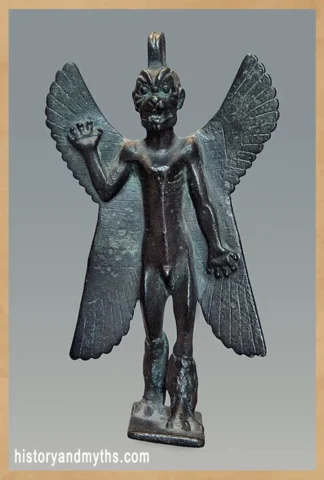
For the Babylonians, demons were not distant monsters confined to myths. They were believed to be invisible forces capable of bringing disease, misfortune, nightmares, infertility, and sudden death into everyday…
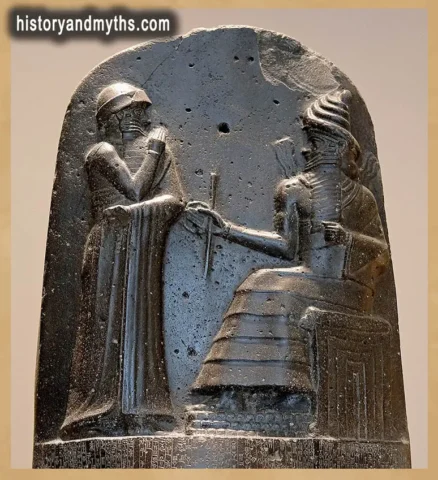
Babylonian kings did not rule simply because they inherited a throne or commanded powerful armies. In Babylonian mythology and religious belief, kingship was understood as a sacred responsibility granted by…
Death did not mark the end of existence in Babylonian religion, but neither did it lead to a paradise reserved for the righteous. The Babylonians believed that the dead continued…
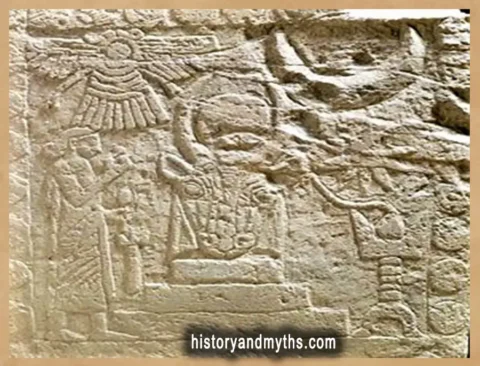
In Babylonian religion, the gods were believed to communicate their intentions through signs rather than direct conversation. Unusual events, dreams, celestial phenomena, and ritual observations were often viewed as messages…
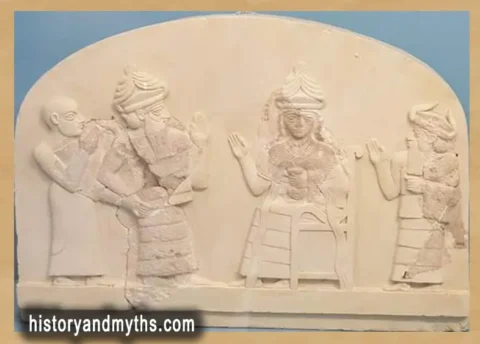
In Babylonian religion, the relationship between humans and gods was one of the most important foundations of daily life. The gods were believed to control the forces that shaped the…
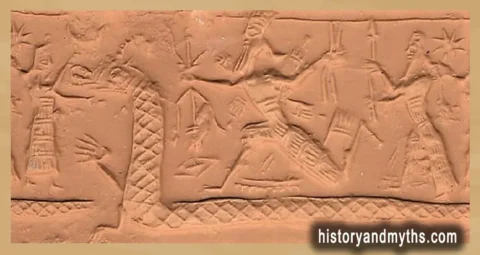
In Babylonian mythology, order was not simply a desirable condition—it was the foundation of existence itself. The Babylonians believed that the universe functioned because the gods established clear roles, maintained…
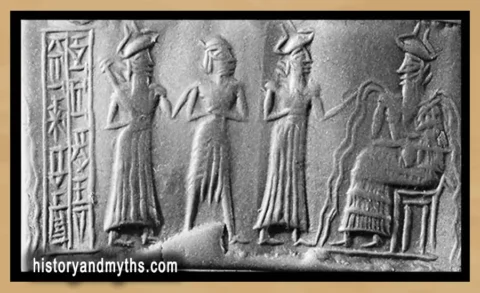
Fate occupied a central place in Babylonian religion, but it was not viewed as an impersonal force controlling the universe. The Babylonians believed that fate was established through divine authority…
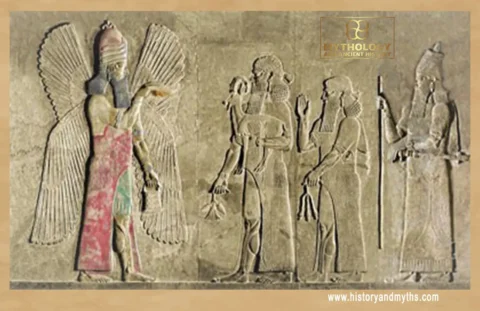
A Forgotten Battle of Ninurta Within the wide body of Mesopotamian myths, Ninurta appears again and again as the figure who rises to defend order when it is threatened. He…
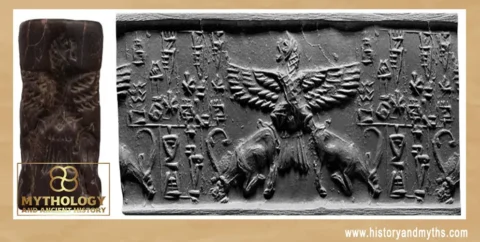
A Winged Thief of Destiny In Mesopotamian myth, Anzu appears as a giant bird with the cunning of a thief and the force of a demon. His rebellion began when…
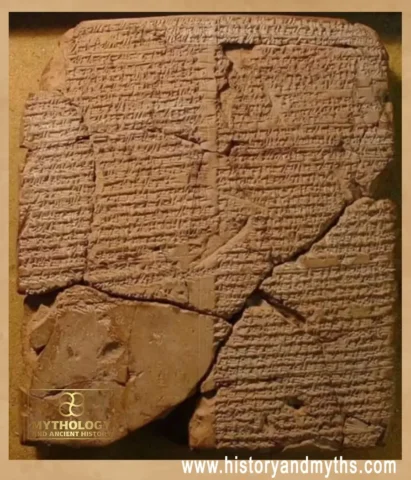
The Seven Evil Spirits in Babylonian Myth Introduction In Mesopotamian tradition, danger was not always imagined as a single monster or vengeful god. Sometimes it appeared as a group. The…
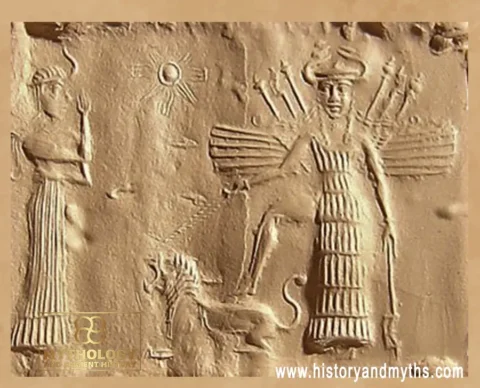
In the ancient imagination of Mesopotamia, trees were never just wood and leaves. They stood as pillars of the cosmos, roots sinking into the underworld and branches stretching toward the…
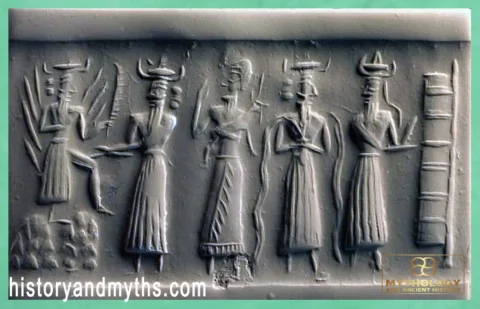
In Mesopotamian thought, myths of the gods were never just distant legends. They were lessons about life, about how people understood power, wisdom, and the fragile balance between them. To…
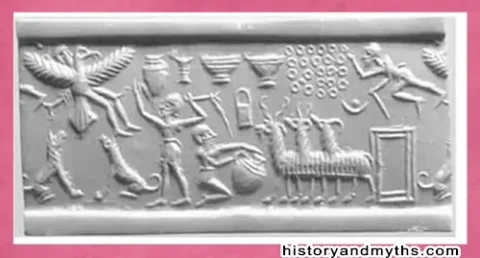
In the vast landscape of Mesopotamian myth, few tales capture the human longing for legacy as vividly as the story of Etana. Unlike Gilgamesh, who sought immortality of life, Etana’s…
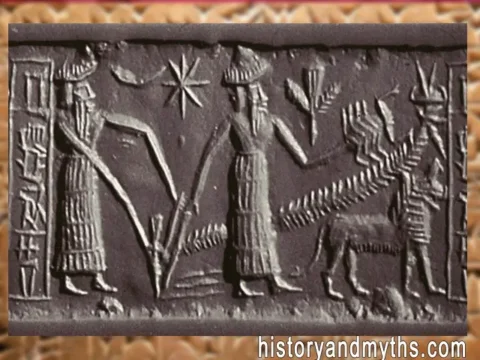
The tale of Babylonian creation does not begin with harmony or divine generosity, but with unrest in the heavens. The younger gods, weary from endless toil, lifted their voices in…
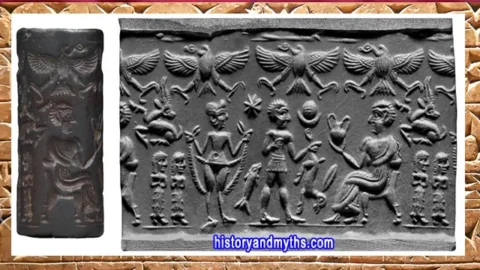
Her name was Enheduanna, remembered not through battles or monuments, but through words carved in clay. In her verses to Ishtar, the goddess appears like lightning across a storm—terrifying yet…