Why Knowledge Was Sacred in Sumerian Mythology
In Sumerian belief, knowledge was far more than the accumulation of information. It was viewed as a powerful force that made civilization possible, preserved social order, and connected humanity to…
Explore the gods, myths, creation traditions, sacred stories, and religious beliefs of ancient Sumer. This section examines how Sumerian mythology explained the origins of the world, divine authority, kingship, fate, death, and the relationship between humans and the gods, while exploring the cultural meaning and influence of some of Mesopotamia’s earliest mythological traditions.
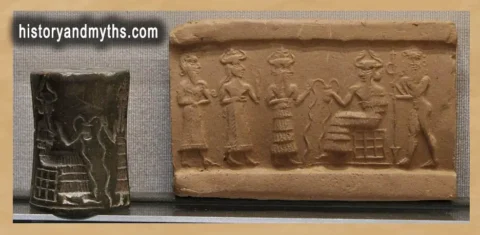
In Sumerian belief, knowledge was far more than the accumulation of information. It was viewed as a powerful force that made civilization possible, preserved social order, and connected humanity to…
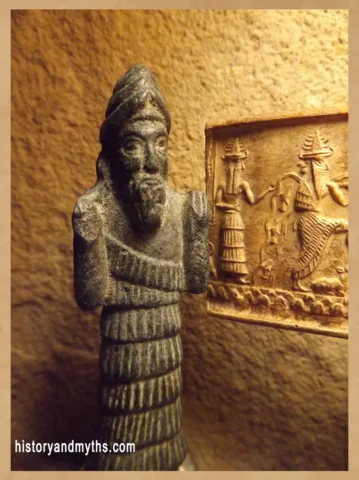
In Sumerian mythology, cities were far more than places where people lived, traded, or governed. Each major city was closely connected to a specific deity and was often viewed as…
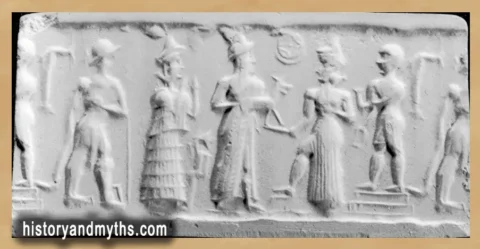
The gods of Sumer did not behave like distant supernatural beings who existed outside society. In mythological texts, they ruled cities, issued commands, held assemblies, assigned responsibilities, rewarded loyalty, and…
Food and drink played an important role in Sumerian ideas about death, but not in the way modern readers might expect. Ancient Mesopotamian texts describe the dead as existing in…
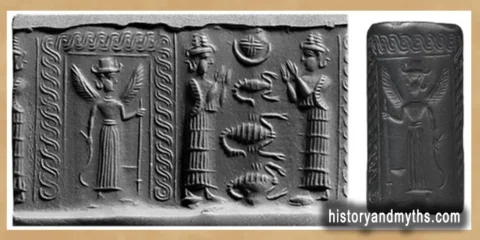
The Sumerian underworld was not imagined as a realm of chaos where the dead wandered without order. Like the cities and kingdoms of Mesopotamia itself, the land of the dead…
Ghosts and spirits occupied an important place in Sumerian belief, but they were not viewed simply as supernatural monsters or creatures of fear. Ancient Mesopotamians believed that death did not…
In Sumerian mythology, death was not viewed as an accident, a failure of the gods, or a problem that humanity would eventually overcome. It was understood as one of the…
In many ancient religions, the afterlife offered the possibility of reward, divine companionship, or a better existence beyond death. Sumerian mythology presented a far less comforting vision. The underworld was…
In Sumerian mythology, suffering was not treated as a mystery that required a single explanation. It was understood as a normal part of human existence. Disease, loss, hardship, and death…
In Sumerian mythology, worship was far more than a religious obligation. It was a fundamental part of the relationship between humans and the gods who were believed to govern the…
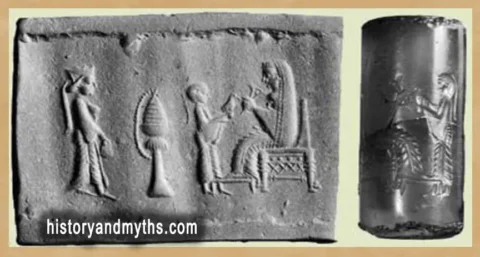
In Sumerian mythology, the relationship between humans and gods was built on more than simple worship. The Sumerians believed that both existed within a shared system that sustained the world….
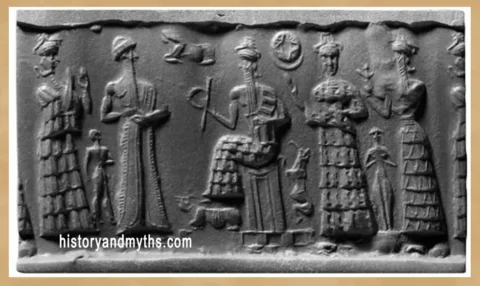
In Sumerian belief, fate was not simply a matter of predicting the future. It was part of a larger divine system that determined how the world should function and what…
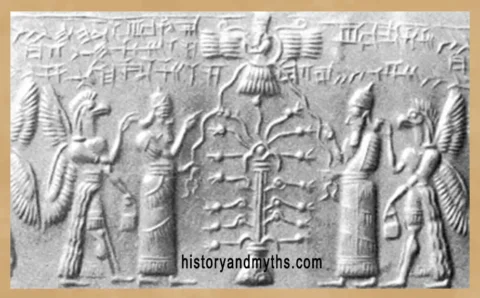
In Sumerian mythology, order was not simply a desirable condition—it was the principle that allowed the universe, society, and human life to function at all. The Sumerians believed that the…
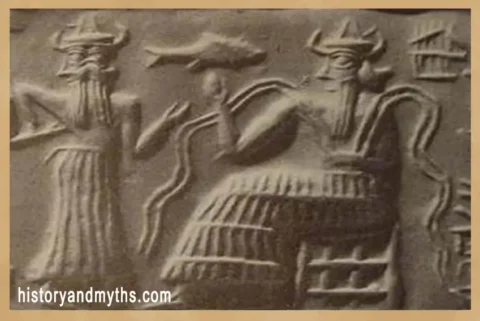
In Sumerian mythology, civilization was not viewed as a human invention. The earliest Mesopotamian traditions describe a world in which the essential foundations of society—kingship, justice, craftsmanship, writing, religious authority,…
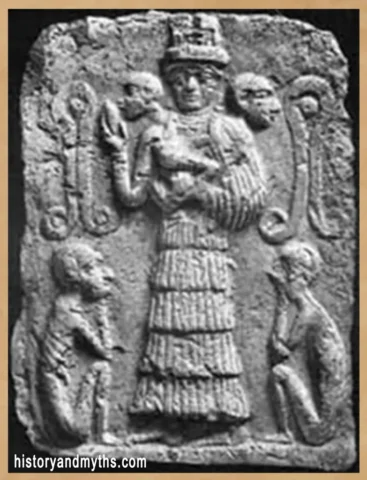
In Sumerian mythology, humans were not created by accident, nor were they placed at the center of the universe. Instead, the earliest Mesopotamian myths present humanity as part of a…
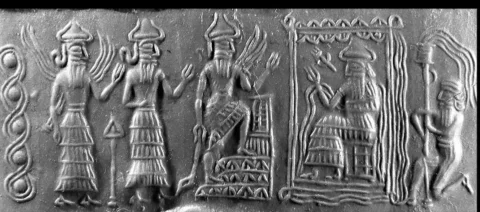
Most Sumerian myths portray Enki as a god of wisdom, creation, and divine knowledge rather than a warrior. Yet a small group of stories presents a different side of his…
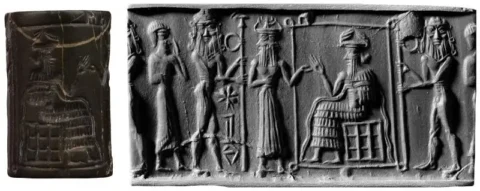
In Sumerian religion, Enki was revered not only as the god of wisdom but also as the master of the Abzu, the vast freshwater realm believed to exist beneath the…
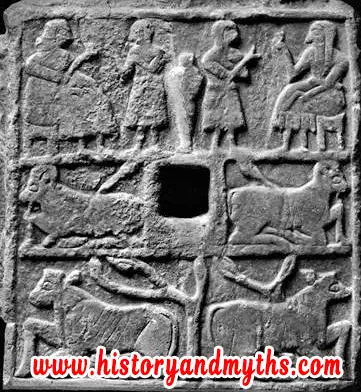
The myth of Enlil and Ninlil explains the birth of some of the most important deities in Sumerian religion, including the moon god Nanna and several gods associated with the…