Medea and Jason: Betrayal, Revenge, and Tragedy in Greek Mythology
Medea is often remembered as one of the most feared and controversial figures in Greek mythology. In many retellings, she appears primarily as a woman driven by revenge after being…
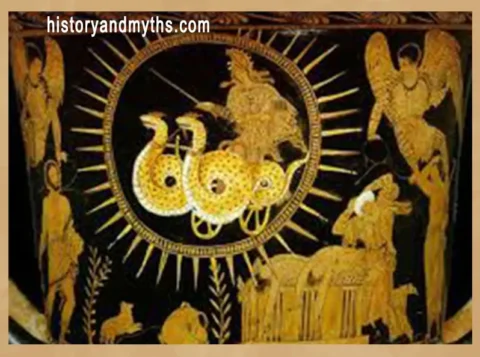
Medea is often remembered as one of the most feared and controversial figures in Greek mythology. In many retellings, she appears primarily as a woman driven by revenge after being…
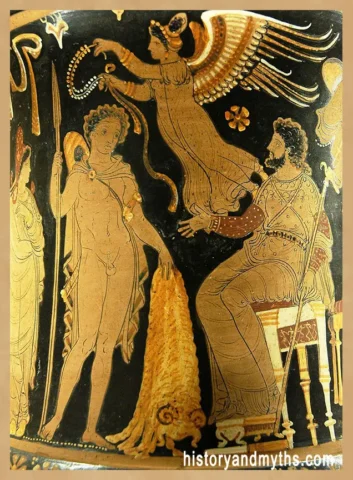
Jason is usually remembered as the hero who won the Golden Fleece. He gathered the Argonauts, survived dangerous trials, defeated impossible obstacles, and completed one of the most famous quests…
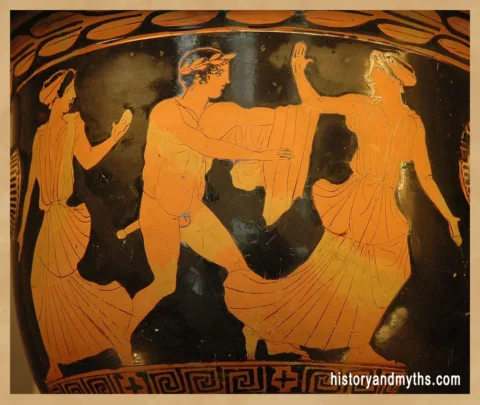
Theseus is often remembered as one of the greatest heroes of Greek mythology. He defeated the Minotaur, became a legendary king of Athens, and was celebrated as a symbol of…
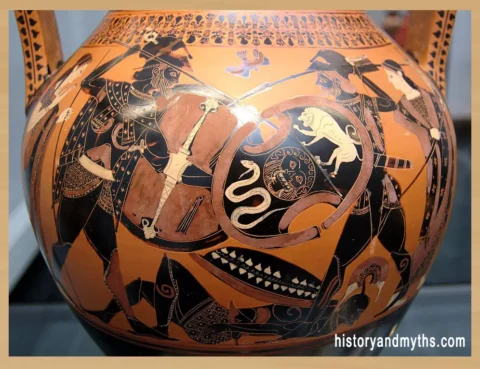
Achilles is often remembered as the greatest warrior in Greek mythology, a hero whose name survived long after the fall of Troy. Yet the ancient Greeks did not admire him…
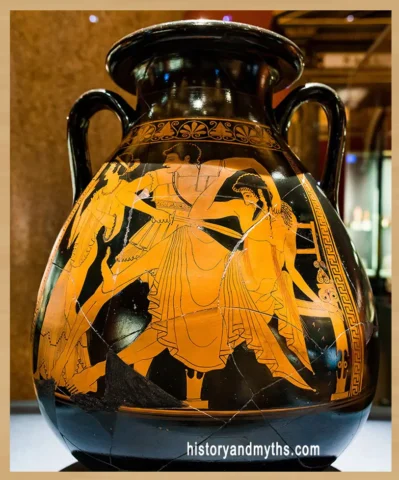
Agamemnon, Clytemnestra, and Orestes are often remembered as some of the most tragic figures in Greek mythology, but their story is more than a sequence of murders and acts of…
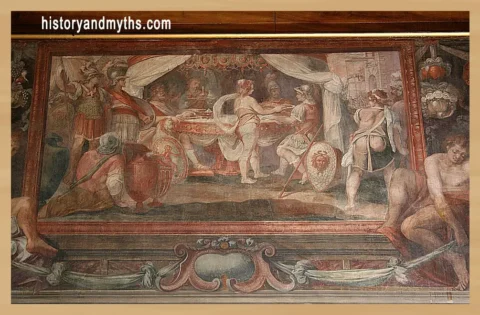
Many Greek myths are remembered for their heroes, gods, and legendary battles, but few stories are as relentlessly tragic as the House of Atreus. Across several generations, members of the…

In Greek mythology, few ideas were feared more than hubris. Modern readers often translate the word as pride or arrogance, but the Greeks meant something far more serious. Hubris was…
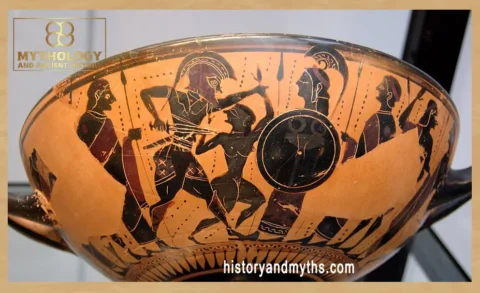
Cassandra is often remembered as the woman who could see the future. Yet in Greek mythology, her tragedy was not the gift of prophecy itself. The true disaster began when…
In Greek mythology, prophecies were rarely sources of comfort or guidance. More often, they marked the beginning of a crisis. A king hears a prediction and takes drastic action to…
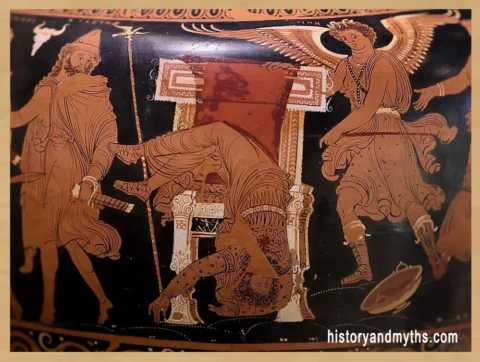
In Greek mythology, a divine curse was more than a punishment imposed by an angry god. It was often portrayed as a lasting force that could shape lives, destroy families,…
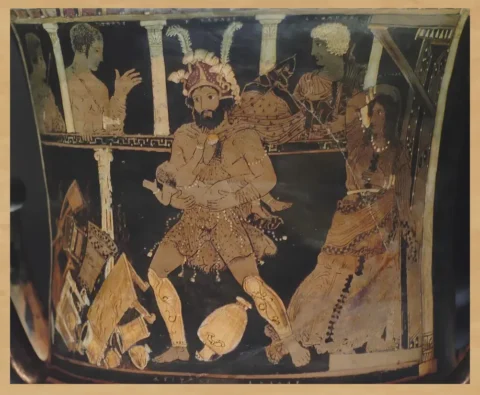
In Greek mythology, madness was not usually portrayed as a medical condition or a personal weakness. It was often understood as a force sent by the gods—a punishment capable of…
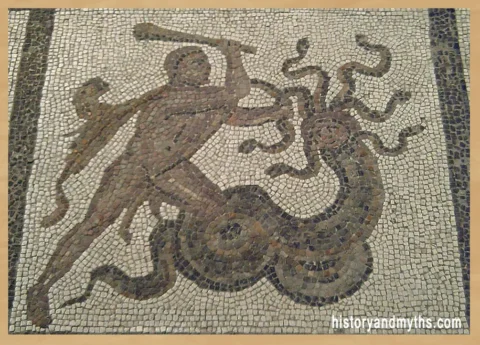
Greek heroes fought monsters because monsters represented more than physical dangers. In many myths, these creatures threatened cities, blocked important journeys, guarded forbidden places, or embodied forces of chaos that…
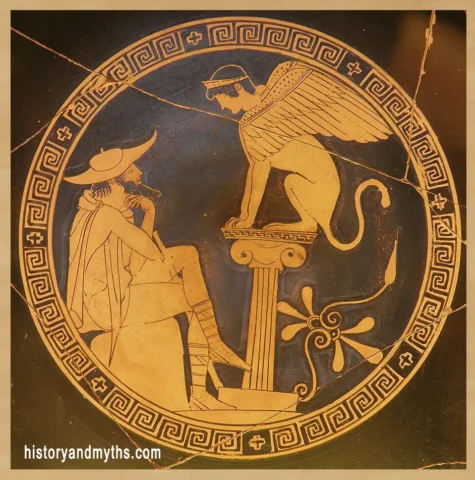
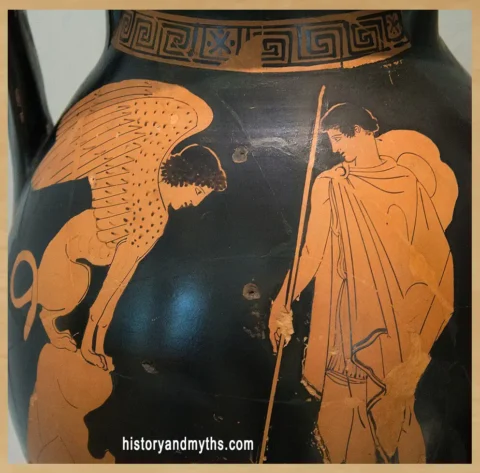
In Greek mythology, the Sphinx was one of the few monsters who did not rely on physical strength to defeat her victims. Instead, she used a riddle. Travelers approaching the…
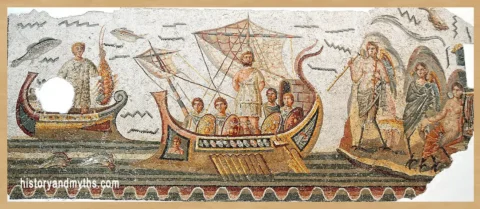
In Greek mythology, few dangers were as feared as Scylla and Charybdis. Positioned on opposite sides of a narrow sea passage, they created a situation in which sailors could not…
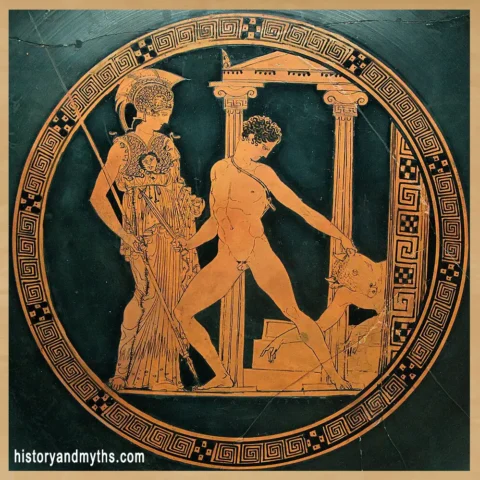
In Greek mythology, the Minotaur is often remembered as a terrifying monster hidden beneath the island of Crete. Yet the creature alone does not explain why the story remained famous…
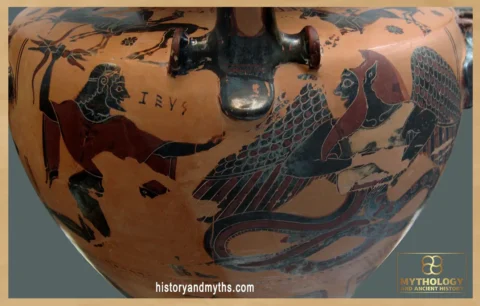
In Greek mythology, Typhon was not simply the largest or most terrifying monster. He was the greatest threat the cosmos had ever faced. Ancient sources describe him as a force…
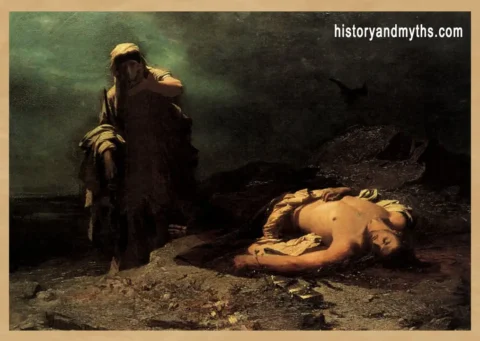
In ancient Greece, few fates were considered more frightening than dying without burial. The fear was not simply about leaving a body exposed or denying someone a proper funeral. Greeks…
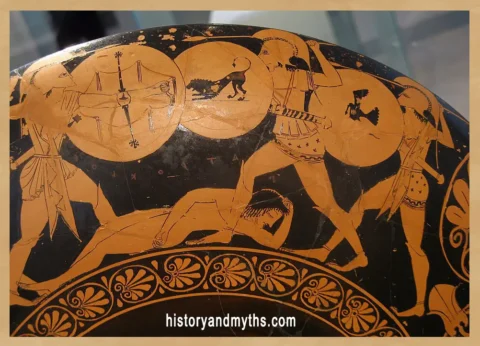
In Greek mythology, dreams were more than private experiences that occurred during sleep. Many Greeks believed that dreams could serve as a meeting point between the world of the living…
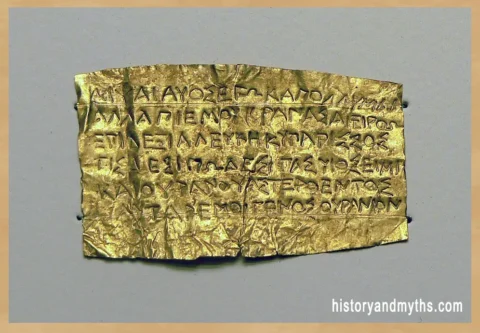
In Greek mythology, death was not always viewed as the final destination of the soul. While many Greek traditions imagined the dead entering the underworld and remaining there, other religious…
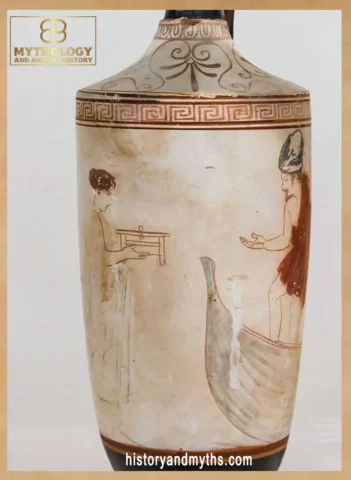
In Greek mythology, death was not simply a matter of leaving the world of the living and entering the world of the dead. The journey itself required preparation, and one…