What Was Anubis’s Role in the Egyptian Judgment?
In the weighing of the heart, the central judgment scene of the Egyptian afterlife, Anubis was neither judge nor executioner. His role was quieter and more precise. He stood beside…
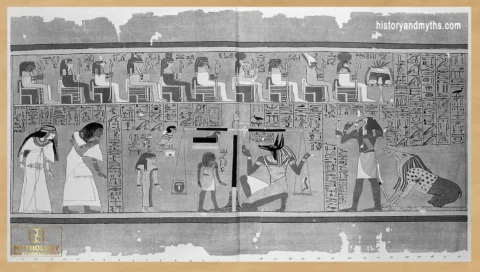
In the weighing of the heart, the central judgment scene of the Egyptian afterlife, Anubis was neither judge nor executioner. His role was quieter and more precise. He stood beside…
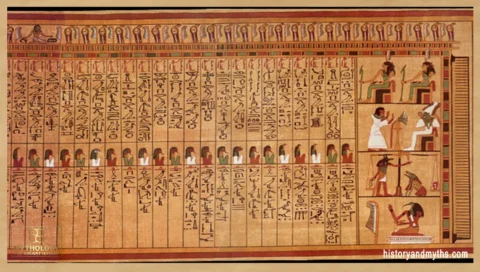
In ancient Egyptian belief, the journey after death did not begin with punishment or reward it began with judgment. At the center of this judgment stood the Hall of Two…
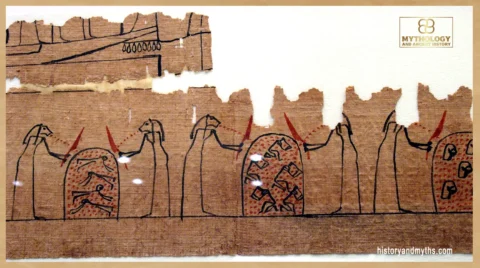
In the Egyptian vision of the afterlife, punishment was never random, emotional, or driven by anger. It followed judgment. Only after the heart was weighed and the verdict delivered did…
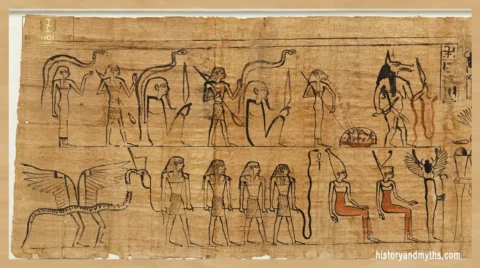
In the Egyptian imagination of the afterlife, the Duat was not filled only with gates, guardians, and judges. It also contained monsters—beings that did not negotiate, verify, or judge, but…
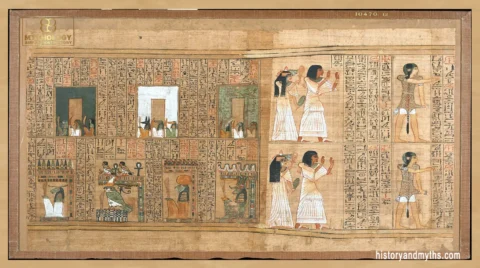
In the Egyptian vision of the afterlife, gates alone were not enough to regulate the journey through the Duat. Every point of passage required watchers figures whose role was to…
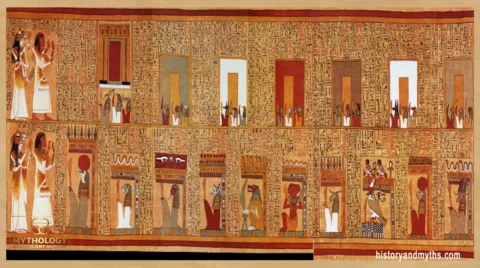
In ancient Egyptian belief, the journey through the Duat was not a single, open path. It was structured by a series of gates points of transition that controlled movement between…
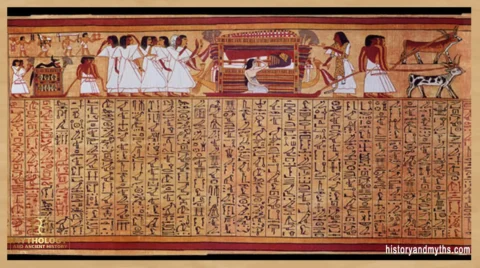
For the ancient Egyptians, death was not a sudden break from life, but the beginning of a carefully imagined journey. When a person died, their existence did not simply pause…
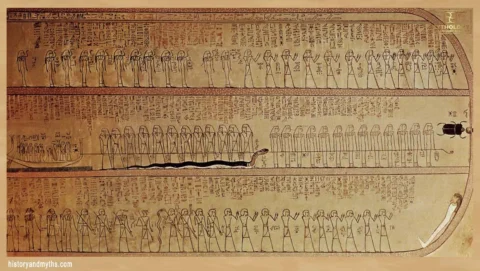
To the ancient Egyptians, death was not a sudden ending or a leap into the unknown. It was a passage into a hidden realm governed by laws as precise as…
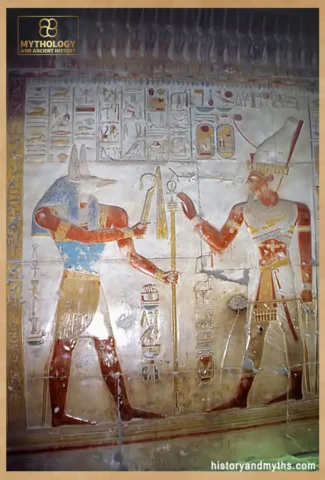
Long before the Egyptians envisioned elaborate afterlife journeys or composed the great funerary texts, they imagined a divine scout walking ahead of both kings and spirits. That god was Wepwawet,…
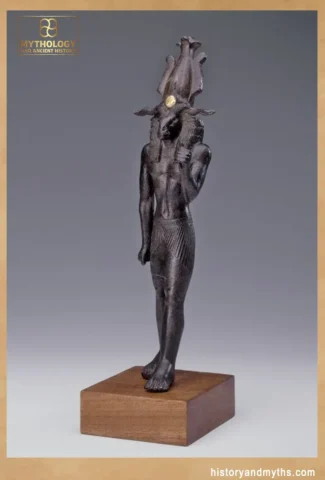
To the ancient Egyptians, creation was never a single event it was a force that had to be renewed every day, sustained by gods whose power flowed through land, water,…
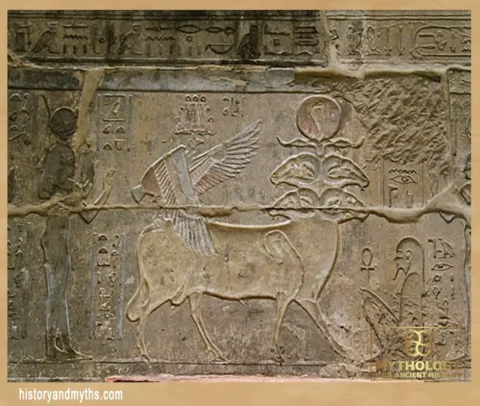
In the Delta city of Mendes, the Egyptians worshipped a deity whose identity was rooted not in dramatic myths but in the deeper spiritual fabric of creation: Banebdjed, the “Ba…
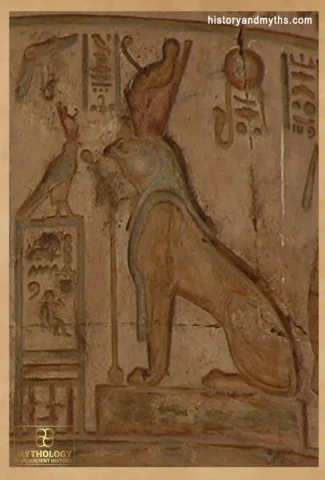
Long before the famous myth of Osiris and Isis shaped the image of Horus as the avenging son, the Egyptians worshipped an older and more expansive sky-god: Horus the Elder….
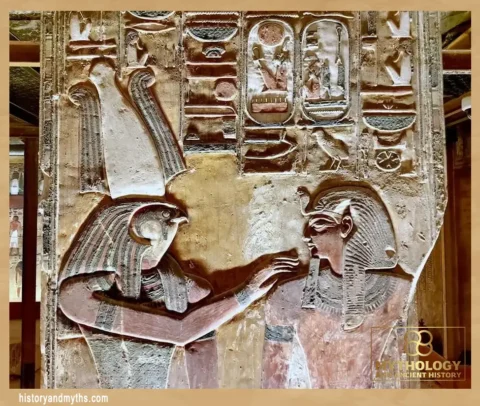
Few Egyptian gods embody the quiet power of the underworld as clearly as Sokar, the ancient funerary deity of Memphis. To the Egyptians, Sokar was not a figure of terror…
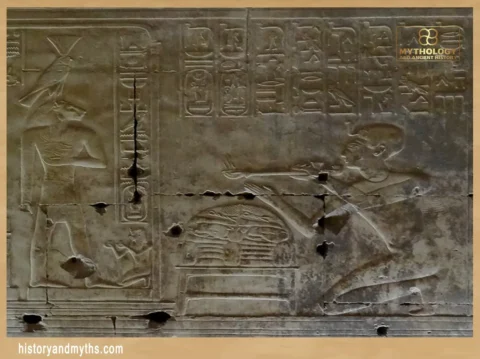
To the ancient Egyptians, the first light of dawn was more than a moment in the sky it was a sign that creation was beginning again. And rising at the…
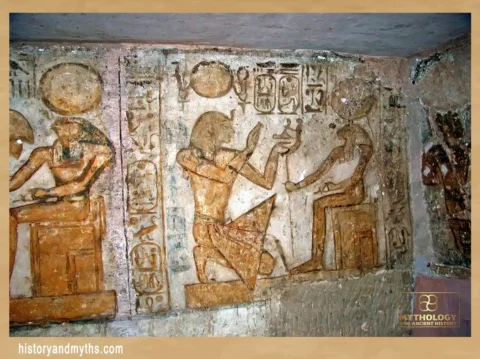
Few ancient Egyptian gods capture the tension between danger and protection as vividly as Maahes. To the Egyptians, the lion was not just a creature of the desert it was…
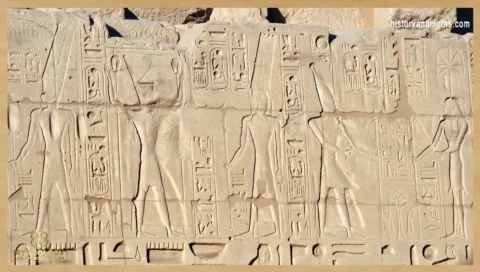
In ancient Egypt’s imagination, the balance of the world was never guaranteed. Order could slip into chaos, the sun could disappear behind anger, and even the gods themselves could turn…
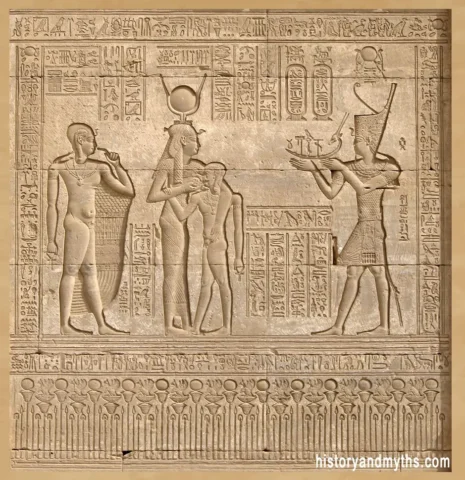
In the vast sacred landscape of ancient Egypt where gods shaped the rhythm of the cosmos and every sound carried meaning Ihy emerged as one of the most intriguing divine…
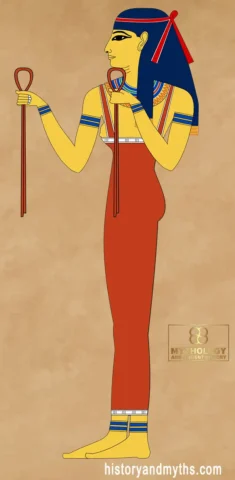
Among the many deities of ancient Egypt, Tayt stands out not because of towering statues or famous myths—she has none—but because of the quiet power she held over one of…