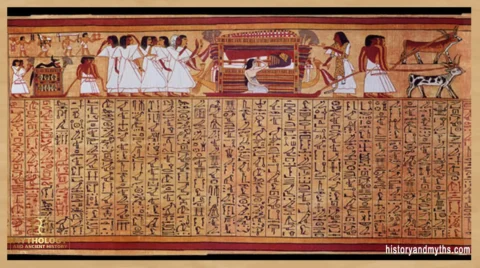
Sacred Trees of Ancient Egypt — Ritual, Protection, and Renewal
In ancient Egyptian belief, trees were never valued simply as elements of nature. They were understood as points of connection—places where different realms met and interacted. A sacred tree could link earth to sky, life to death, and humans to the divine. This is why trees appear repeatedly in temples, funerary texts, and mythological scenes.
Rather than symbolizing nature in a poetic sense, sacred trees served specific religious functions. They marked protection, renewal, memory, and transition. Certain trees were believed to shelter gods, nourish the dead, or preserve royal continuity. Their importance came from what they allowed to happen, not from their appearance.
This article explains why trees became sacred in ancient Egypt, how specific trees were chosen for religious roles, and what Egyptians believed trees could actually do. By focusing on function rather than symbolism alone, it shows how sacred trees helped structure belief, ritual practice, and the journey between worlds.
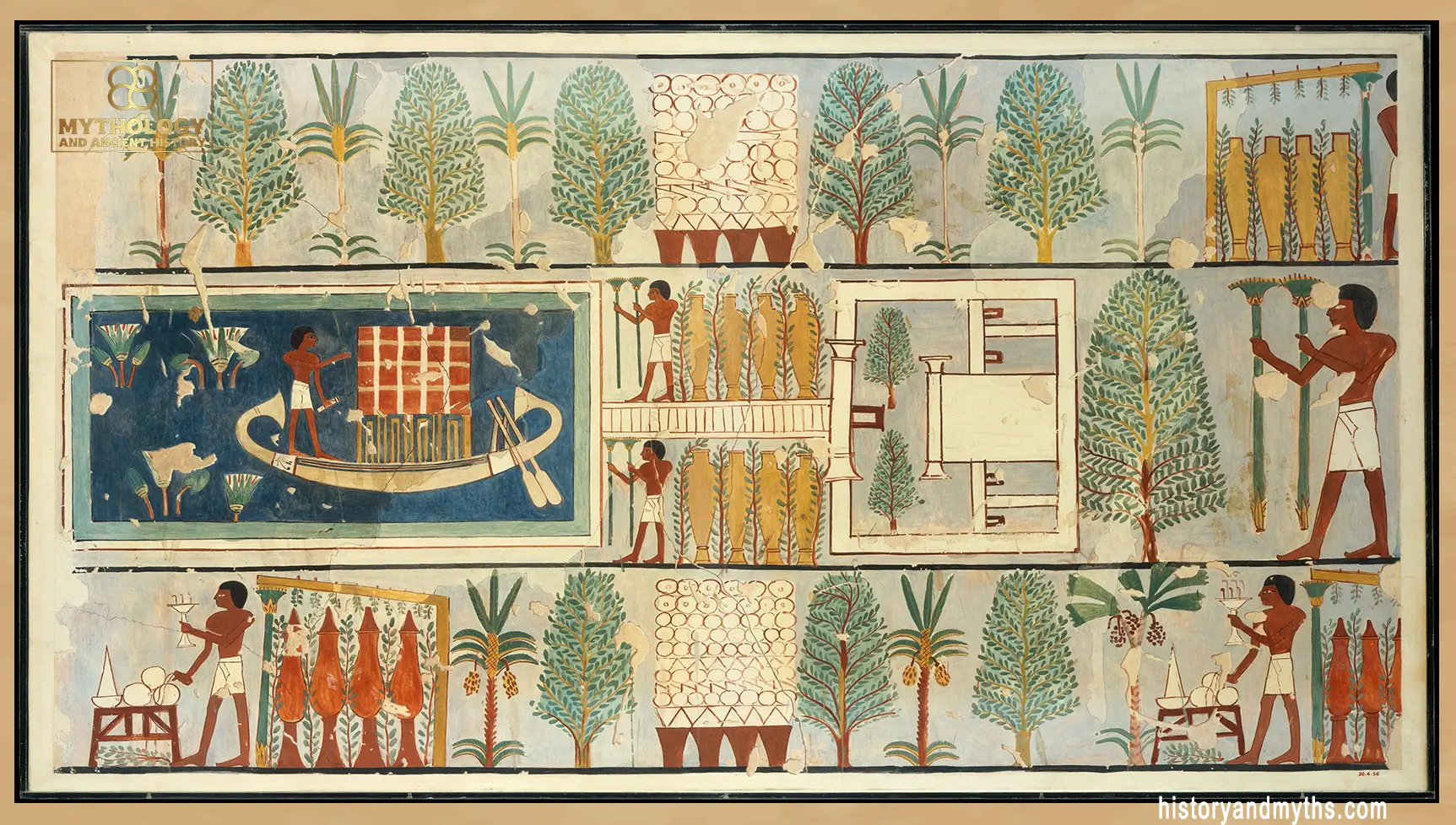
Trees as Cosmic Intermediaries
Sacred trees in ancient Egypt were believed to stand at the intersection of worlds. Their roots reached into the earth, their trunks occupied the human realm, and their branches extended toward the sky. This vertical structure made the tree an ideal mediator between different states of existence.
Because of this position, trees were seen as places where divine action could occur. Gods could appear from within a tree, speak through it, or use it as a point of contact with humans. The tree did not represent the god; it enabled interaction. It was a channel rather than a symbol.
This belief explains why trees appear at moments of transition. In funerary contexts, trees offered shade, nourishment, and protection to the deceased as they moved from life into the afterlife. In royal ideology, trees helped anchor kingship across generations, preserving continuity through time.
Trees also embodied stability amid change. Seasons passed, floods came and went, but sacred trees endured. Their persistence made them reliable markers of order in a world where chaos was always a threat. By associating divine power with trees, Egyptians grounded the sacred in something living, visible, and lasting.
Understanding trees as cosmic intermediaries clarifies their religious role. They were not admired for beauty or growth alone. They mattered because they connected realms, allowing life, death, and divinity to interact within a controlled and meaningful space.
| Sacred Tree | Primary Function | Religious Use |
|---|---|---|
| Sycamore | Protection and nourishment | Providing shade, water, and sustenance to the dead in the afterlife |
| Persea (Ished Tree) | Continuity and memory | Preserving royal names, legitimacy, and endurance across generations |
| Date Palm | Renewal through cycles | Marking time, regeneration, and recurring life rhythms |
| Tamarisk | Protection and boundaries | Guarding sacred spaces and ritual transitions |
| Acacia | Creation and emergence | Linked to birth, beginnings, and acts of creation |
Why Certain Trees Became Sacred
Not every tree was sacred in ancient Egypt. A tree gained religious importance only when it could perform a function within belief. Sacred status was not based on rarity or beauty, but on usefulness within ritual, myth, and cosmic order.
Trees that provided shade, nourishment, or durability were especially valued. In a harsh environment, survival depended on predictability and protection. A tree that consistently offered fruit, shelter, or resilience became associated with stability and divine favor. This practical value translated directly into religious meaning.
Location also mattered. Trees growing near temples, tombs, or water sources often acquired sacred status because they occupied liminal spaces—places where transitions occurred. A tree at the edge of the desert, near the Nile, or beside a necropolis naturally became a marker between life and death, order and uncertainty.
Some trees were linked to gods because their qualities matched divine roles. A tree that renewed itself seasonally suited deities of rebirth. A tree that endured heat and drought aligned with protection and endurance. The association was functional, not metaphorical.
Over time, repeated ritual use reinforced these roles. When offerings were placed beneath a tree, when prayers were spoken near it, or when myths located divine appearances within it, the tree’s status became fixed. Sacredness was established through use, not declared in theory.
This explains why Egyptian sacred trees form a small, consistent group. They were chosen because they worked—because they reliably supported the religious tasks assigned to them.
Key Sacred Trees and Their Religious Functions
Sacred trees in ancient Egypt were chosen because each fulfilled a specific religious role. Their importance came from function, not symbolism alone. When a tree repeatedly appeared in myth, ritual, or funerary belief, it was because it supported a particular need within the religious system.
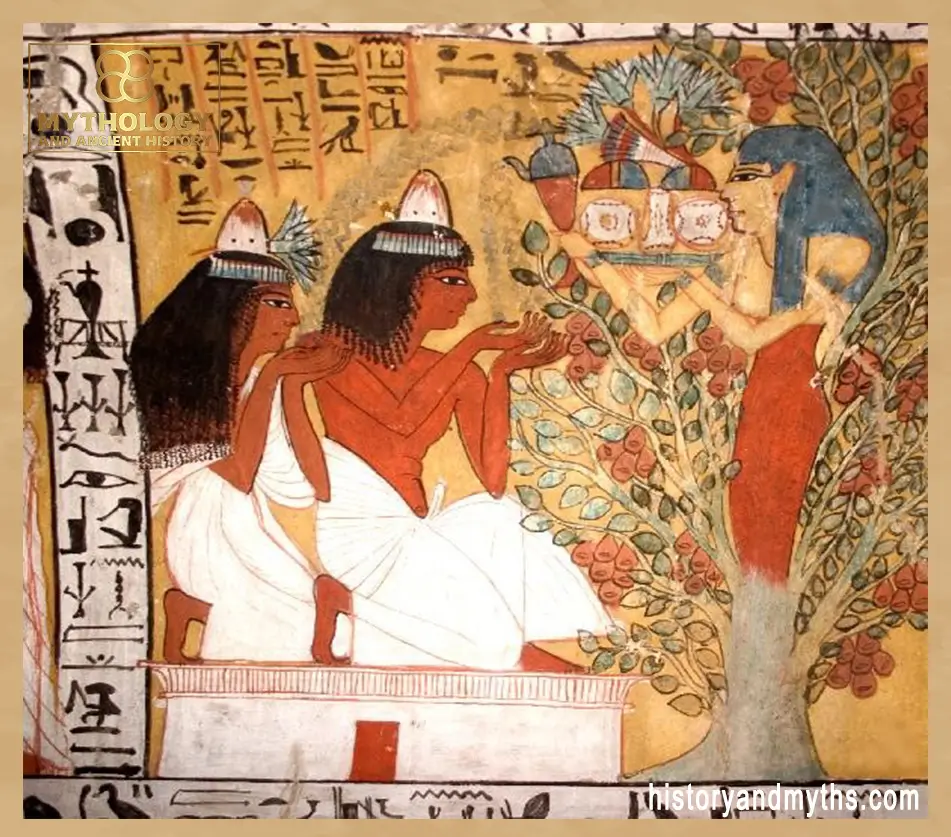
The sycamore was closely linked to protection and nourishment after death. It appeared as a place where gods could offer water and sustenance to the deceased. The tree’s wide canopy and durable trunk made it a natural symbol of shelter, but its sacred role went further—it became a source of divine provision during transition into the afterlife.
The persea tree was associated with continuity and royal legitimacy. It marked endurance across generations and was linked to the preservation of names and memory. In a culture where survival beyond death depended on remembrance, this tree functioned as a guardian of permanence rather than a decorative emblem.
The date palm embodied renewal through rhythm. Its regular cycles of growth and fruiting aligned it with time, regeneration, and sustained life. Palms appeared where continuity mattered, reinforcing the belief that life followed ordered, repeatable patterns.
The tamarisk served protective and boundary-setting roles. Often connected to sacred spaces and rituals, it marked areas where divine protection was active. Its function was to guard transitions, especially where vulnerability was greatest.
The acacia carried associations with beginnings and emergence. Linked to creation and birth, it appeared where new life or transformation was emphasized. Its role was not symbolic poetry, but activation of origin and growth within ritual contexts.
Together, these trees formed a functional system. Each supported a different aspect of belief—protection, continuity, renewal, boundary control, and creation. Sacred trees were not interchangeable. Each one mattered because it performed a task essential to maintaining balance between worlds.
Trees in Ritual, Kingship, and the Afterlife
Sacred trees were not passive symbols placed in the background of belief. They were active participants in ritual practice, royal ideology, and funerary thought. Their presence marked moments where continuity and protection were required.
In ritual contexts, trees functioned as fixed points of stability. Offerings placed beneath a sacred tree, or rituals performed in its presence, were believed to gain strength from its enduring nature. The tree provided a reliable anchor, ensuring that divine interaction occurred in a controlled and protected space.
In kingship, sacred trees supported legitimacy and continuity. Royal power in ancient Egypt depended on maintaining order across generations. Trees associated with permanence and renewal helped frame kingship as something that endured beyond individual rulers. By linking royal authority to a sacred tree, Egyptians expressed the idea that kingship was rooted, sustained, and divinely protected.
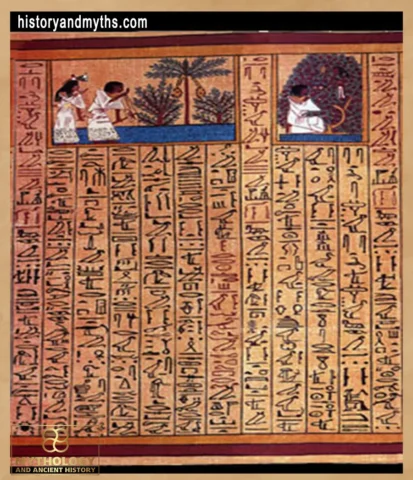
In the afterlife, trees became sources of aid and reassurance. Funerary texts and imagery often depict the deceased receiving water, shade, or nourishment from a sacred tree. These scenes reflect a belief that survival beyond death required support at vulnerable moments. The tree offered that support, guiding the dead safely through transition.
Across these domains, trees acted as guardians of passage. They marked thresholds, stabilized change, and ensured continuity. Their religious role was practical and protective, reinforcing the belief that balance could be maintained through living, enduring forms.
Sacred Trees — At a Glance
- Points of connection: Sacred trees acted as links between earth, sky, and the afterlife.
- Functional holiness: Trees were sacred because they performed roles such as protection, nourishment, and continuity.
- Ritual anchors: Ceremonies gained stability when performed near or beneath sacred trees.
- Afterlife support: Trees offered shade, water, and reassurance to the deceased during transition.
- Royal continuity: Certain trees reinforced kingship, memory, and dynastic endurance.
- Living stability: Trees embodied persistence in a world threatened by change and chaos.
What Sacred Trees Reveal About Egyptian Belief
Sacred trees reveal that ancient Egyptian belief was grounded in function and continuity, not abstract symbolism. Trees mattered because they endured, protected, and connected different states of existence. They were trusted because they worked.
Rather than treating nature as something distant or idealized, Egyptians integrated living elements into their religious system. Sacred trees became reliable points where divine presence, human action, and cosmic order could meet. Their value lay in stability—the ability to remain present through change, danger, and transition.
This explains why sacred trees appear at moments of vulnerability: birth, death, kingship, and renewal. They offered reassurance in uncertain states and reinforced the belief that balance could be maintained through living, grounded forms. Trees were not worshipped for their beauty; they were respected for their capacity to sustain order.
By understanding sacred trees this way, Egyptian religion appears practical and disciplined. Belief was expressed through what endured, what protected, and what connected worlds. Sacred trees were part of the system that kept existence stable—rooted in the earth, reaching toward the divine, and standing firm between life and the afterlife.
Key Takeaways
- In ancient Egypt, trees were sacred because they connected different realms of existence.
- Sacred trees functioned as active participants in ritual, not symbolic decorations.
- Specific trees were chosen for religious roles based on function, location, and reliability.
- Trees played key roles in protection, nourishment, renewal, and royal continuity.
- In funerary belief, sacred trees guided and supported the deceased during transition.
- Understanding sacred trees reveals the practical nature of Egyptian religious thought.
Frequently Asked Questions About Sacred Trees in Ancient Egypt
Why were trees considered sacred in ancient Egypt?
Trees were seen as points of connection between earth, sky, and the afterlife, making them ideal places for divine interaction and protection.
Were sacred trees symbolic or functional?
Sacred trees were functional. They provided protection, nourishment, continuity, and stability within religious belief and ritual practice.
Did Egyptians worship trees themselves?
No. Trees were respected as sacred spaces or mediums through which divine power could act, not as gods on their own.
Why were only certain trees considered sacred?
Only trees that consistently fulfilled religious roles—such as protection, renewal, or continuity—became sacred through repeated use.
How were sacred trees connected to the afterlife?
In funerary belief, sacred trees offered shade, water, and guidance to the deceased during the transition into the afterlife.
Did sacred trees play a role in kingship?
Yes. Certain trees symbolized royal continuity and legitimacy, reinforcing the idea that kingship was divinely sustained.
What do sacred trees reveal about Egyptian belief?
They show a practical religion focused on stability, continuity, and managing transitions between worlds.
Sources & Rights
- Assmann, Jan. The Mind of Egypt: History and Meaning in the Time of the Pharaohs. Harvard University Press, 2002.
- Hornung, Erik. Conceptions of God in Ancient Egypt: The One and the Many. Cornell University Press, 1982.
- Pinch, Geraldine. Egyptian Mythology: A Guide to the Gods, Goddesses, and Traditions of Ancient Egypt. Oxford University Press, 2004.
- Wilkinson, Richard H. Symbol and Magic in Egyptian Art. Thames & Hudson, 1994.
Written by H. Moses — All rights reserved © Mythology and History