Daily Life of Farmers in Ancient Egypt: Work, Control, and Survival
In ancient Egypt, farming was not simply an occupation shaped by the Nile and the seasons. It was a regulated condition of life. Farmers worked land they did not own,…
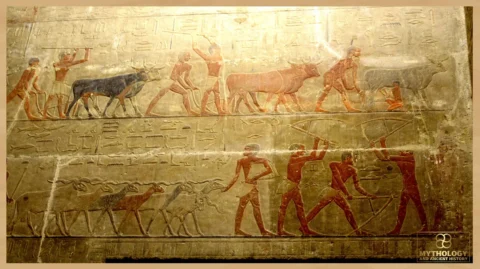
In ancient Egypt, farming was not simply an occupation shaped by the Nile and the seasons. It was a regulated condition of life. Farmers worked land they did not own,…
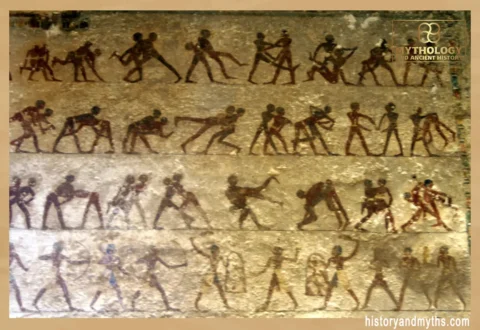
In ancient Egypt, physical activity was not a separate sphere of leisure or competition in the modern sense of “sport.” The body itself was part of the social order, and…
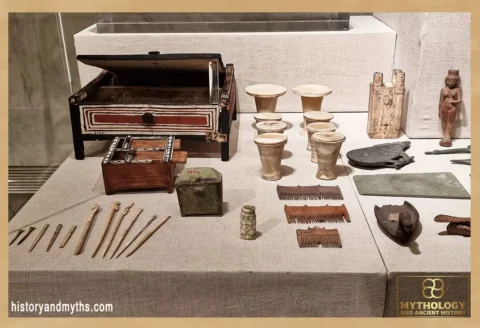
Modern discussions often treat hygiene and cosmetics in ancient Egypt as symbols of luxury or ritual purity. This assumption misses the point. For most Egyptians, cleanliness was neither ceremonial nor…
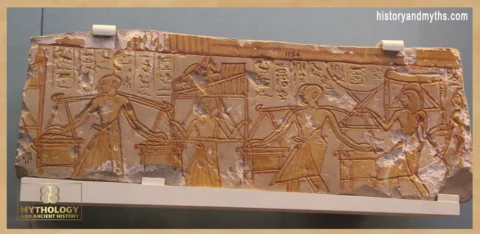
Modern readers often treat friendship as a private emotional choice. In ancient Egypt, friendship functioned differently. It was not defined by intimacy or personal expression, but by usefulness, reliability, and…
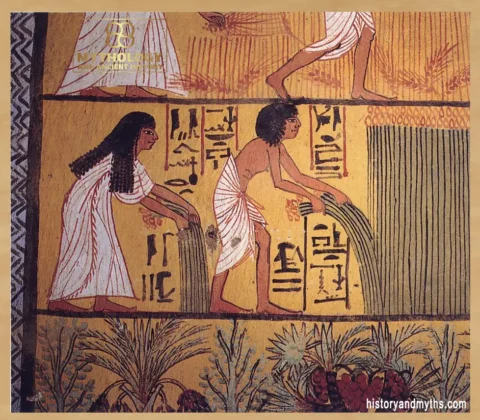
When people ask about gender roles in ancient Egypt, they often expect moral judgments: equality, inequality, privilege, or oppression. These questions miss the point. Gender roles in everyday Egyptian life…
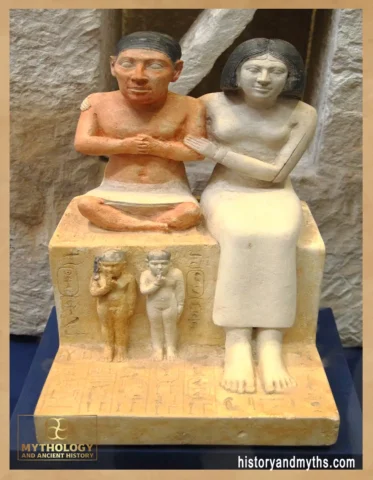
In ancient Egypt, childhood was not treated as a protected stage of innocence. It was the first stage in preparing future farmers, scribes, craftsmen, officials, and servants to accept authority…
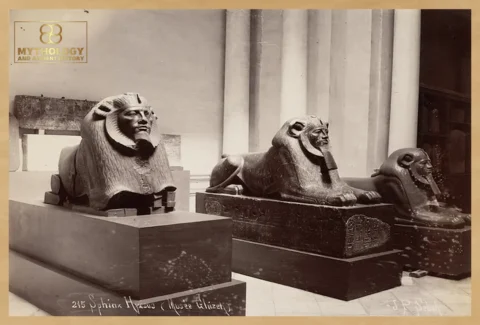
Foreign rule in Egypt is often described as a sequence of occupations – Persians, Greeks, Romans, Ottomans, Europeans – each replacing the other on the political stage. But focusing only…
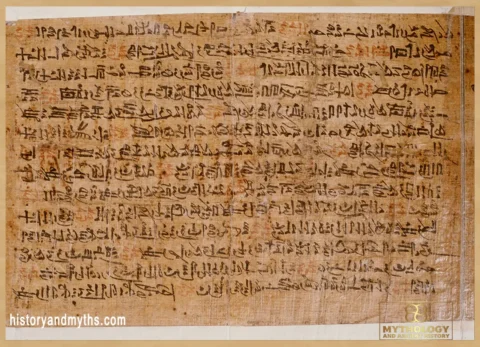
Periods of decline in ancient Egypt were not defined only by falling dynasties or foreign invasions. For ordinary people, decline was experienced through unpaid wages, food shortages, rising insecurity, and…
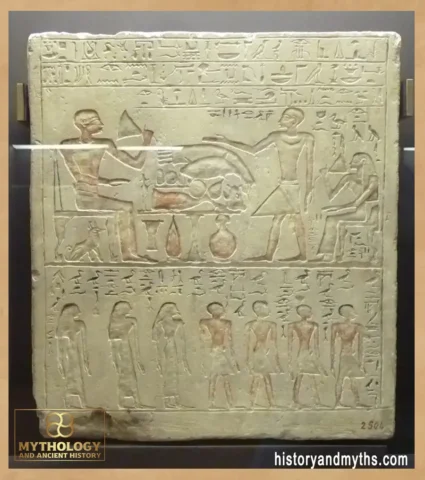
In ancient Egypt, political power could not exist without religion. Authority was not enforced by laws or armies alone, but by a shared belief that the ruler’s power was divinely…
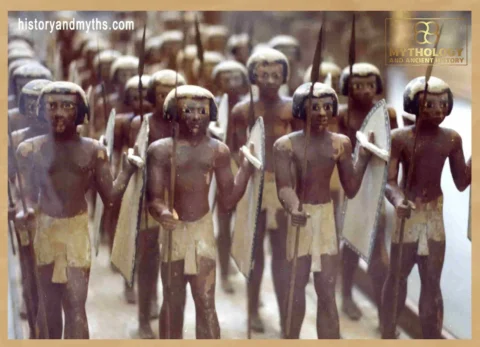
When we think of the ancient Egyptian army, we usually imagine battles, chariots, and famous campaigns. But for most Egyptians, the army was not something distant or exceptional-it was part…
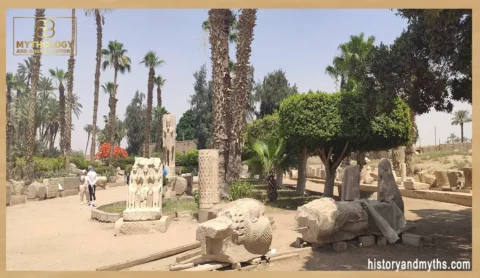
Ancient Egypt did not rely on a single, permanent capital. Instead, its capitals shifted over time, reflecting changes in political priorities, administrative control, and the nature of royal power. Understanding…
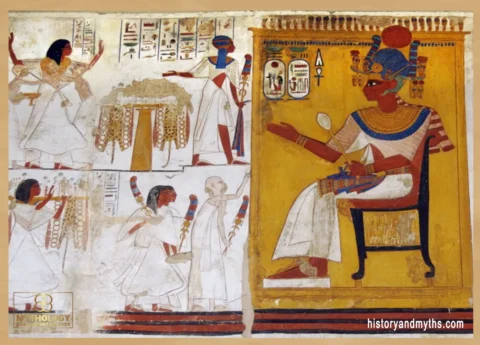
Was the pharaoh of ancient Egypt truly a political ruler, or was he merely a sacred symbol surrounded by power exercised by others? This question sits at the heart of…
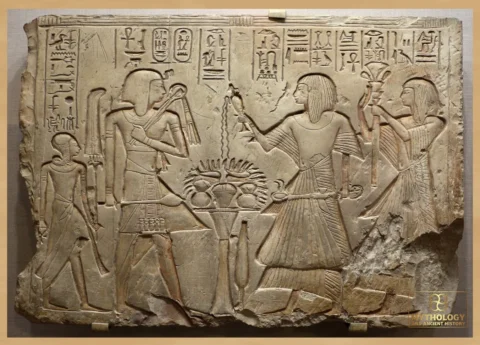
How did a state that existed for more than three thousand years actually function on a daily level? Beyond the grandeur of pyramids and the divine image of kingship, ancient…
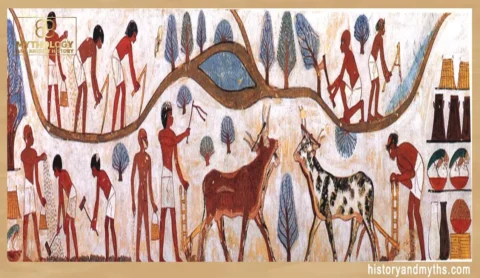
How did ancient Egyptians control the Nile instead of simply depending on it? How were fields irrigated before modern pumps and dams, and why did Egyptian agriculture remain productive for…
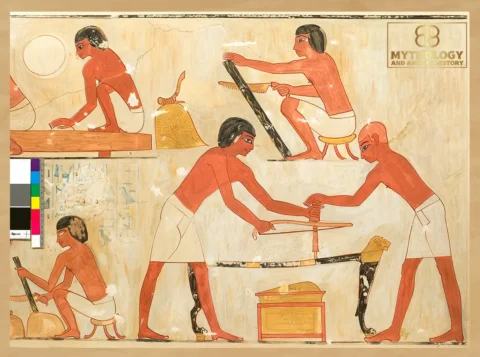
When modern readers think of ancient Egyptian architecture, the focus usually falls on monuments—the pyramids, temples, and colossal statues that still dominate the landscape. Yet behind every stone block and…
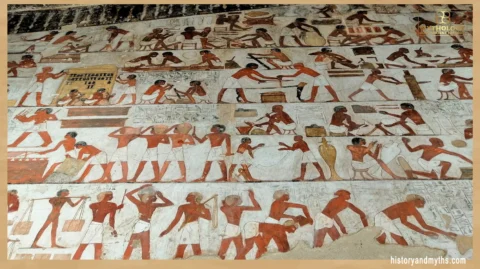
How did ancient Egyptians build houses, temples, cities, and stone structures without iron tools, cranes, or modern machinery? The answer was not lost technology, but a practical construction system based…
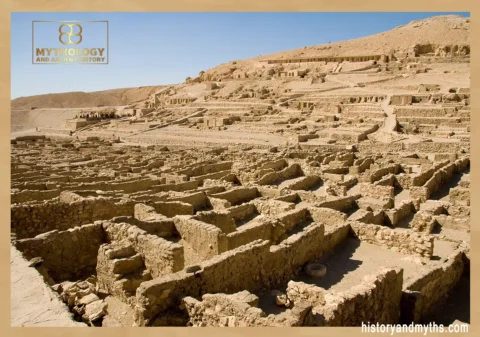
Ancient Egyptian cities were not accidental clusters of houses around temples or palaces. They were carefully planned environments, shaped by geography, administration, labor needs, and long-term survival along the Nile….
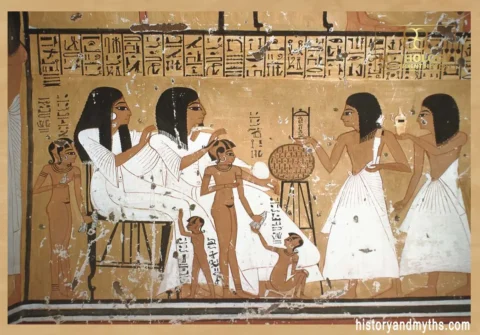
In ancient Egypt, children were not left unprotected when they lacked legal capacity. The legal system recognized minors as vulnerable individuals whose persons and property required formal guardianship until they…
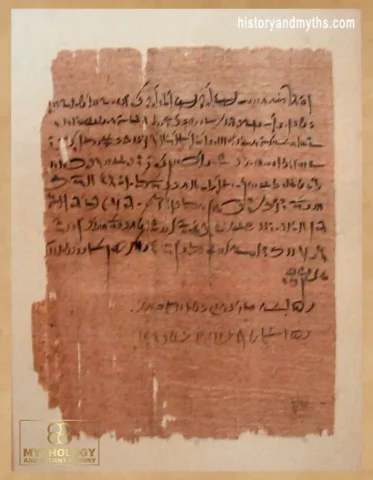
Economic life in ancient Egypt depended on binding agreements, not informal trust alone. Farmers, craftsmen, traders, and officials relied on contracts to regulate sales, loans, labor, and services in a…
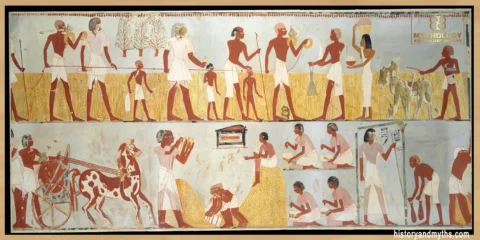
Land lay at the heart of ancient Egyptian life. It was the source of food, wealth, status, and power, and it shaped relationships between individuals, families, temples, and the state….