Sacred Colors in Ancient Egypt — Meaning, Power, and Ritual Use
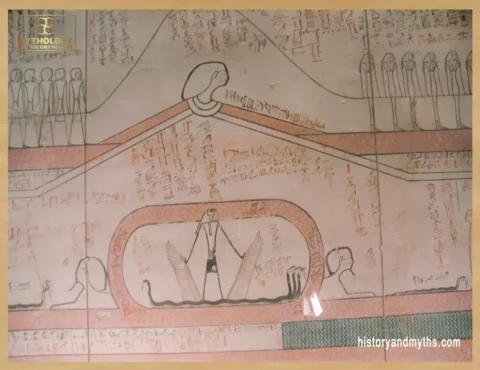
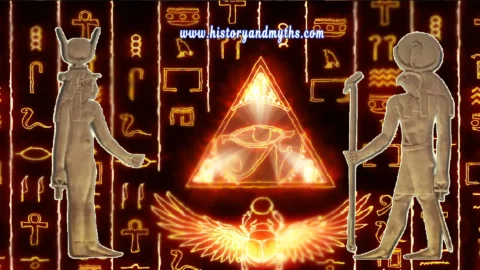
In ancient Egyptian belief, colors were never chosen for beauty alone. They were understood as active forces capable of shaping reality, signaling divine presence, and altering the state of the world. A color could protect, renew, threaten, or stabilize—depending on where and how it appeared.
This is why the same color can seem contradictory across Egyptian art. What looks confusing at first becomes clear once we understand the logic behind it: color expressed function, not decoration. A god’s skin, a crown, a temple wall, or a funerary object carried specific colors because each color activated a particular role within ritual and belief.
Rather than listing colors and simple meanings, this article explains how and why colors worked in ancient Egypt. It shows when a color was used, what power it carried in that context, and how Egyptians believed color could influence life, death, protection, and cosmic order. By the end, you will be able to look at an Egyptian image and understand not just what you see—but what the color is doing.
Why Colors Were Sacred, Not Decorative
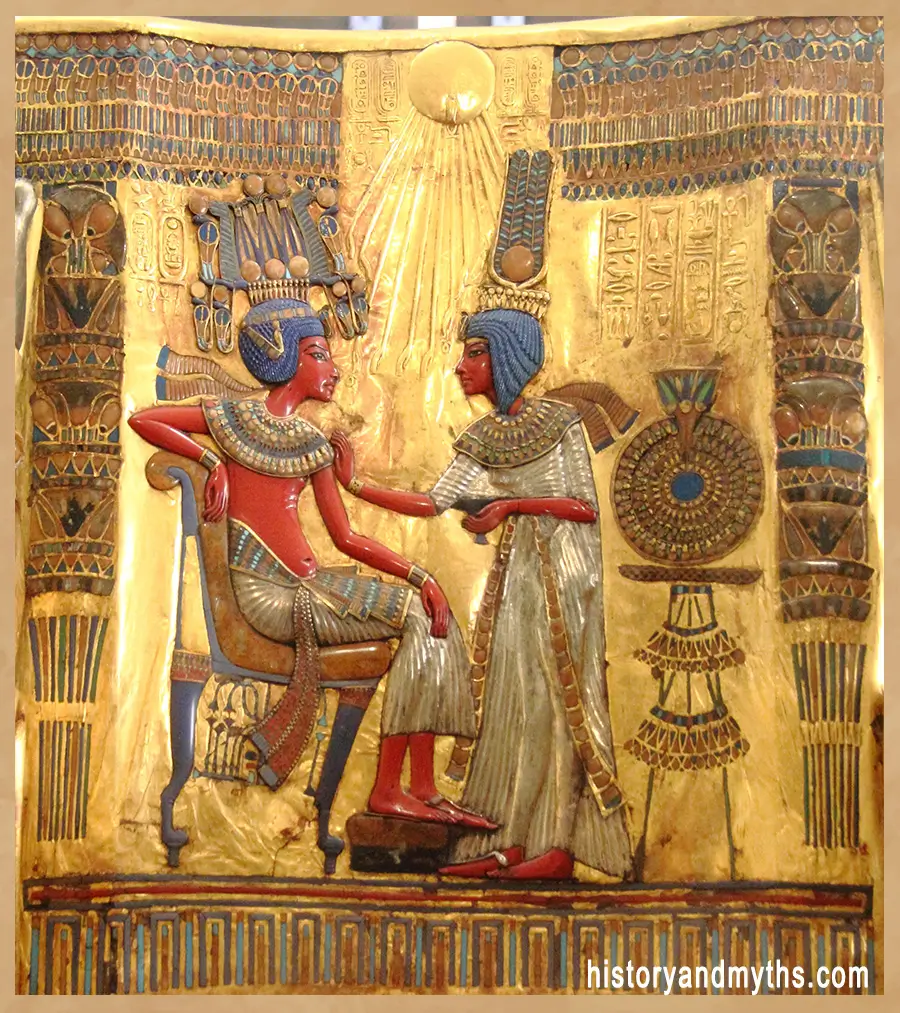
In ancient Egypt, color was treated as a substance with effect, not a surface quality. Egyptians believed that color could alter the state of an object, a space, or even a being. This belief explains why colors were applied deliberately in rituals, temple decoration, and funerary contexts. A color was chosen because it did something, not because it looked appealing.
Sacred colors were tied to how the universe functioned. Order, renewal, protection, and danger were not abstract ideas; they were conditions that needed to be activated or controlled. Color was one of the tools used to achieve this. When a wall was painted, a statue colored, or an amulet crafted, the color helped define the role that object played within the religious system.
This approach also explains why color use followed rules. Certain colors appeared repeatedly in specific settings, while others were avoided or used carefully. The intention was consistency, not creativity. A wrong color could weaken a ritual or misrepresent divine power. A correct one reinforced stability and protection.
By treating color as sacred, Egyptians created a visual language that could be read instantly. Without words, a viewer could understand whether a figure represented life, danger, renewal, or authority. Color acted as a signal, marking the state of being rather than the appearance of the form.
Understanding this principle is essential. Without it, Egyptian art looks symbolic but confusing. With it, colors become clear expressions of how Egyptians believed the world worked—and how it could be kept in balance.
| Color | Primary Function | How It Was Used |
|---|---|---|
| Green | Renewal and regeneration | Funerary objects, rebirth imagery, gods linked to renewal |
| Black | Fertile transformation | Coffins, underworld imagery, rebirth symbolism |
| Red | Active energy and danger | Protective boundaries, controlled power, hostile forces |
| White | Purity and order | Ritual garments, sacred tools, moments of balance |
| Blue | Divine presence and protection | Gods, sky symbolism, protective amulets |
| Gold | Eternal and divine substance | Divine bodies, sacred objects meant to endure forever |
Color as Function — Why the Same Color Changes Meaning
One of the most common questions about Egyptian color symbolism is why the same color can appear both sacred and dangerous. The answer lies in how color functioned within Egyptian belief. Color did not carry a fixed meaning. It carried a role, and that role depended entirely on context.
A color signaled what was happening in a specific moment. When used in a protective or regenerative setting, it activated renewal or stability. When used in a threatening or liminal context, the same color could express danger or destructive power. The shift was not symbolic confusion; it was intentional control.
This is why red, for example, could mark vitality and energy in some settings, yet danger and disorder in others. The color itself was not judged as good or bad. What mattered was what force was being invoked. Color acted as a switch rather than a label.
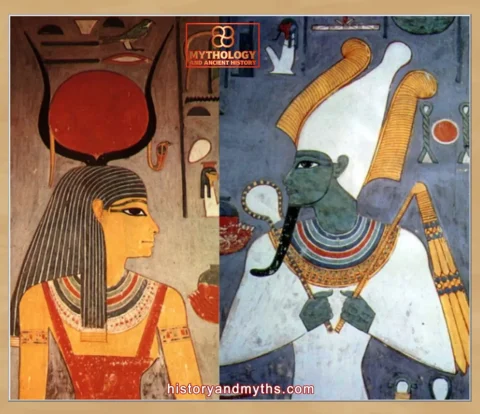
This functional logic also explains why gods could appear in different colors across images. A change in color signaled a change in divine activity. The god was not changing identity, but activating a different power. Viewers trained in this visual language would understand the message immediately.
By using color this way, Egyptians created a flexible system capable of expressing complex religious ideas without text. Color allowed belief to remain precise while adapting to ritual needs. Meaning was not locked into the color itself—it emerged from how, where, and why the color was used.
Key Sacred Colors and What They Were Used For
Rather than assigning fixed meanings, ancient Egyptians used colors to activate specific states within ritual and belief. The same color could support life, enforce protection, or signal danger depending on its function in context. Below are the most important sacred colors and what Egyptians used them to do.
Green was the color of renewal and continued life. It appeared when regeneration was required—on gods linked to rebirth, on funerary objects meant to restore vitality, and in imagery connected to vegetation and growth. Green did not describe life; it initiated its return.
Black expressed fertile potential rather than darkness. It was associated with rich soil, transformation, and rebirth. In funerary contexts, black marked the state where decay turned into regeneration. It was the color of productive transition, not annihilation.
Red represented energy at its most volatile. It could express vitality, protection, and strength, but it also marked danger and disruption when uncontrolled. Red was used carefully because it signaled active force—either harnessed or threatening, depending on the scene.
White communicated purity, order, and sacred clarity. It was used to stabilize ritual space and affirm proper balance. White objects and garments marked moments where correctness and legitimacy mattered most, ensuring that actions aligned with cosmic order.
Blue symbolized cosmic presence and divine protection. Associated with the sky and primeval waters, blue appeared where transcendence and divine authority needed emphasis. It linked the visible world to forces beyond it.
Gold was not simply wealth. It expressed permanence and divine substance. Because gold did not tarnish, it was used to signal eternal presence, especially in divine bodies and sacred objects meant to endure beyond time.
Together, these colors formed a controlled system. Each was applied with intent, shaping how rituals functioned and how divine power was perceived. Color was not commentary—it was action.
How Colors Were Used in Rituals, Temples, and the Afterlife
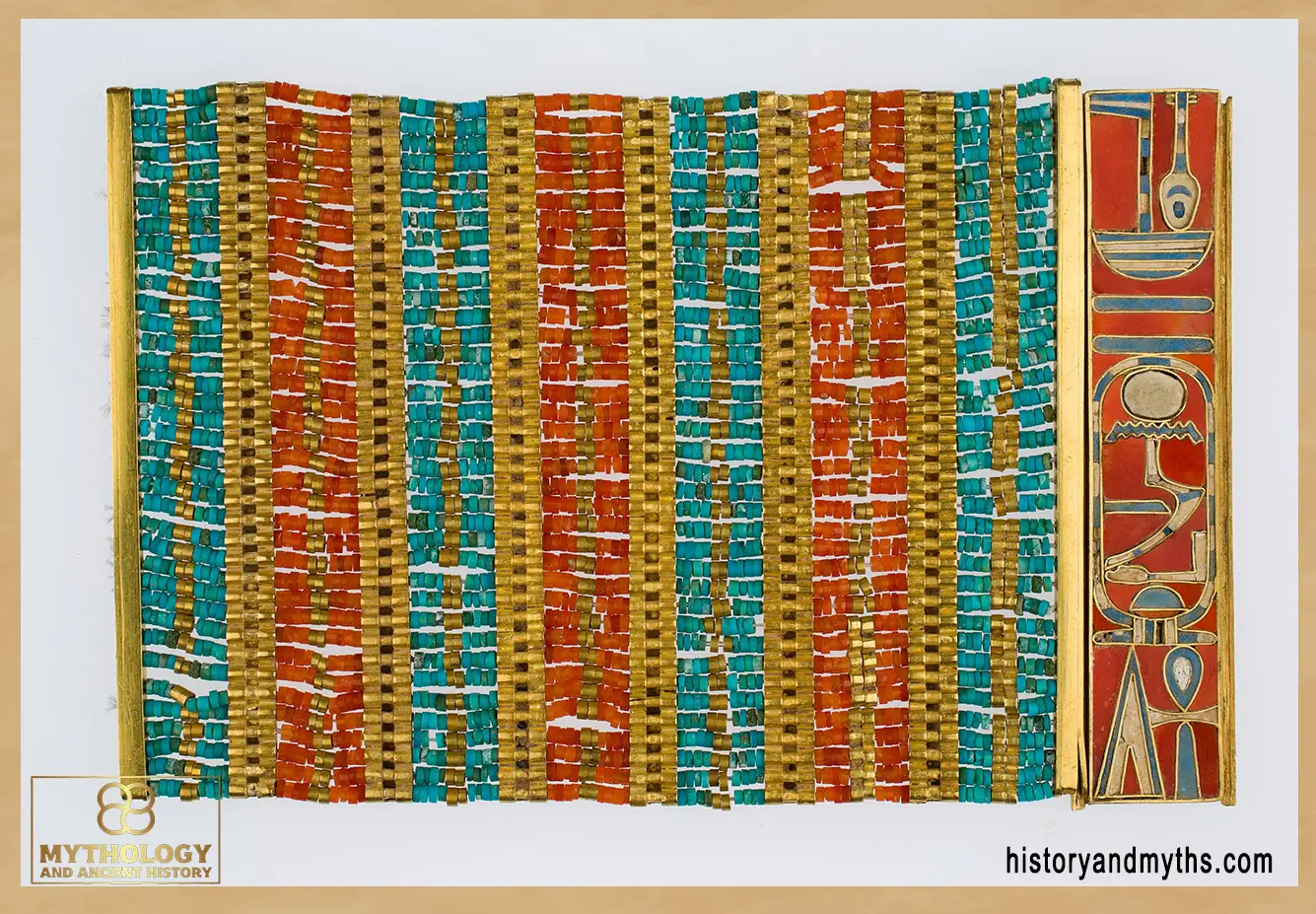
Colors in ancient Egypt were applied where effect was required, not where decoration was desired. Their use followed ritual logic, shaping how spaces functioned and how transitions between states—life, death, protection, and renewal—were managed.
In rituals, color helped control divine power. Sacred objects, garments, and ritual tools were colored to activate specific forces. A ritual was not complete through words and gestures alone; color ensured that the correct power was present and properly directed. Without the right color, a ritual risked being ineffective or unstable.
In temples, color defined sacred space. Walls, reliefs, and statues were painted to reinforce order and divine presence. Certain colors marked areas of protection, others emphasized cosmic authority or renewal. The temple was not just a place of worship—it was a controlled environment where color helped maintain balance against chaos.
In the afterlife, color played a critical role in transformation. Coffins, amulets, and funerary texts used color to guide the deceased through danger and regeneration. Green and black supported rebirth, gold signaled eternal existence, and carefully placed reds marked protective boundaries. Color acted as a safeguard, ensuring that the transition from death to renewed existence followed the correct path.
Across all these contexts, color functioned as a tool of management. It regulated power, protected vulnerable states, and reinforced cosmic order. Egyptians did not rely on color to explain belief—they relied on it to make belief work.
Sacred Colors — At a Glance
- Active forces: Colors were believed to influence reality, not merely represent ideas.
- Context-driven: The same color could protect, renew, or threaten depending on its use.
- Ritual function: Colors helped activate and control sacred power in ceremonies.
- Spatial control: Temple colors defined and stabilized sacred space.
- Afterlife guidance: Funerary colors supported transformation and rebirth.
- Visual language: Color acted as a readable system of religious meaning.
What Sacred Colors Tell Us About Egyptian Belief
Sacred colors reveal how ancient Egyptians understood the world as something that required constant regulation. Life, death, protection, and renewal were not guaranteed states. They had to be activated, maintained, and defended. Color was one of the primary tools used to manage this process.
Rather than treating color as symbolic commentary, Egyptians treated it as effective presence. A color could stabilize a space, transform a body, or mark a boundary against danger. This explains why color choices were consistent across centuries. They were not trends; they were functional decisions rooted in belief.
Sacred colors also show that Egyptian religion was practical at its core. Belief was not abstract philosophy. It was applied knowledge. Colors were selected because they were believed to work—to protect the living, guide the dead, and reinforce cosmic order. Meaning followed function, not the other way around.
By understanding sacred colors this way, modern viewers can read Egyptian art more accurately. What once looked decorative becomes purposeful. What seemed contradictory becomes precise. Color stops being an aesthetic choice and becomes a religious action.
In ancient Egypt, the world stayed in balance not because it was beautiful, but because it was carefully maintained. Sacred colors were part of that maintenance—silent, visible, and powerful tools that kept existence functioning as it should.
Key Takeaways
- In ancient Egypt, colors were treated as active forces, not decorative choices.
- The meaning of a color depended on context, function, and ritual use.
- The same color could be sacred or dangerous depending on what it was meant to activate.
- Colors played a central role in rituals, temple spaces, and funerary practices.
- Egyptians believed color could protect, transform, and stabilize existence.
- Understanding sacred colors reveals how Egyptians managed cosmic order.
Frequently Asked Questions About Sacred Colors in Ancient Egypt
Why were colors considered sacred in ancient Egypt?
Colors were believed to have active power. They could protect, renew, stabilize, or threaten depending on how and where they were used.
Did colors have fixed meanings in Egyptian belief?
No. A color’s meaning depended on context and function rather than a single fixed definition.
Why can the same color be both sacred and dangerous?
Because color activated a force rather than described it. The effect depended on whether that force was controlled or uncontrolled.
How were colors used in Egyptian rituals?
Colors were applied to ritual objects, clothing, and spaces to activate and manage divine power during ceremonies.
What role did color play in the afterlife?
Color guided transformation after death, helping protect the deceased and support renewal and rebirth.
Were temple colors purely decorative?
No. Temple colors defined sacred space and reinforced divine presence and cosmic order.
What do sacred colors reveal about Egyptian religion?
They show that Egyptian belief focused on maintaining balance through practical, visible actions rather than abstract symbolism.
Sources & Rights
- Assmann, Jan. The Mind of Egypt: History and Meaning in the Time of the Pharaohs. Harvard University Press, 2002.
- Hornung, Erik. Conceptions of God in Ancient Egypt: The One and the Many. Cornell University Press, 1982.
- Pinch, Geraldine. Egyptian Mythology: A Guide to the Gods, Goddesses, and Traditions of Ancient Egypt. Oxford University Press, 2004.
- Wilkinson, Richard H. Symbol and Magic in Egyptian Art. Thames & Hudson, 1994.
Written by H. Moses — All rights reserved © Mythology and History