Why Stone Became Sacred in Ancient Egypt
Stone was sacred in ancient Egypt, but it was never a god. This distinction matters, because misunderstanding it distorts how Egyptian religion actually worked. The Egyptians did not worship stone itself; they relied on it. Stone was trusted to preserve what could not be allowed to disappear: divine presence, royal authority, identity, and order.
In a belief system deeply concerned with survival beyond death, permanence was everything. Wood decayed, mud crumbled, flesh vanished but stone endured. Because it resisted time, stone became the ideal material to anchor the sacred. Temples, tombs, statues, and inscriptions were carved in stone not for beauty, but to ensure that power, names, and rituals remained effective long after human life ended.
This article explains what sacred stone really meant in ancient Egypt. It shows why stone was treated as a vessel for holiness rather than an object of worship, how it was used to stabilize belief, and what this reveals about an ancient religion built on continuity, control, and resistance to chaos.
Sacred, Not Worshipped — The Egyptian Understanding of Stone
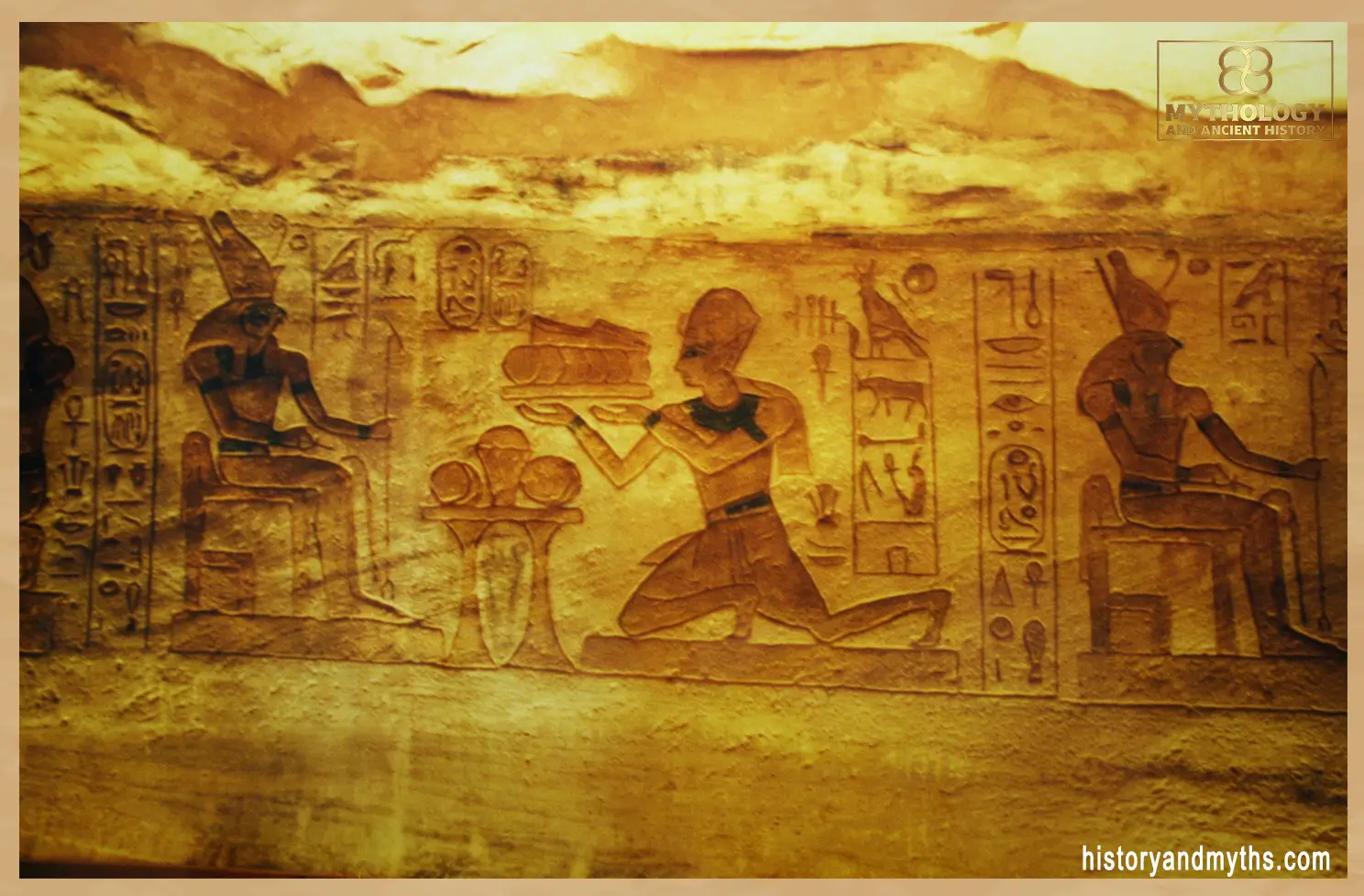
Ancient Egyptians made a clear distinction between the sacred and the divine. Stone belonged to the first category, not the second. It was never treated as a god, never prayed to, and never believed to act on its own. Instead, stone was respected because it could hold, fix, and preserve what was sacred.
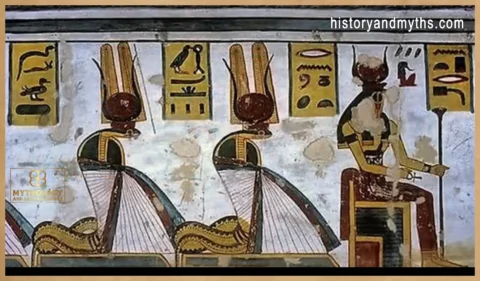
In Egyptian thought, divine power was not abstract. It needed a stable form to remain effective in the human world. Stone provided that stability. When a god was represented in stone, the stone did not become the god it became a reliable container through which divine presence could be accessed and sustained.
This explains why rituals focused on activating stone objects rather than venerating them. Statues were ritually awakened, inscriptions were carved to secure meaning, and architectural stone defined sacred boundaries. The material itself remained inert unless properly prepared and used.
By treating stone as sacred but not divine, Egyptians avoided worshipping matter while still grounding their religion in physical reality. Stone served belief; belief did not serve stone. This practical distinction allowed religion to endure without turning objects into idols.
Understanding this separation is essential. Without it, Egyptian religion appears primitive or materialistic. With it, the system reveals itself as disciplined, intentional, and focused on preserving order against the threat of decay and chaos.
| Stone Context | Sacred Function | Religious Purpose |
|---|---|---|
| Temple Architecture | Stability and containment | Fixing divine presence and controlling sacred space |
| Stone Statues | Vessel for power | Providing a stable medium for divine interaction |
| Inscriptions and Names | Preservation of identity | Ensuring survival of memory and ritual effectiveness |
| Tombs and Sarcophagi | Protection and endurance | Safeguarding the deceased against decay and loss |
| Boundary Stones and Monuments | Order and permanence | Marking sacred limits and resisting chaos |
Why Stone Could Preserve the Sacred
Stone mattered in ancient Egypt because it resisted what Egyptians feared most: loss. Time destroyed bodies, erased voices, and dissolved memory. Stone did not. Its endurance made it the only material capable of carrying sacred presence across generations.
Preservation was not symbolic it was practical. A name carved in stone continued to exist. A ritual text inscribed on a wall remained active. A statue shaped from stone could receive offerings long after its maker had died. In this way, stone prevented disappearance, which was the ultimate form of death.
Stone also stabilized space. Sacred places needed firm boundaries to function correctly. A temple built of stone did more than house a god; it contained divine power within defined limits. The stone walls ensured that order remained intact and that chaos stayed outside.
This belief extended to the afterlife. The deceased required a body, a name, and a place that would not decay. Stone tombs and sarcophagi protected identity itself. Without stone, survival beyond death would be uncertain, vulnerable to erosion and forgetting.
Stone preserved the sacred because it outlasted human weakness. It did not replace belief it supported it. In a religion obsessed with continuity, stone became the most reliable ally against time.
Why Stone Was Chosen Over Other Materials
Ancient Egyptians used many materials in daily life, including wood, mud brick, metals, and textiles. Yet when something was intended to preserve divine presence, royal identity, or eternal memory, stone became the preferred choice. This decision reflected religious priorities rather than simple architectural preference.
Wood could decay, mud brick eroded under wind and rain, and even metals changed over time. Stone alone offered exceptional permanence. For a civilization that believed survival depended on preserving names, bodies, sacred words, and ritual spaces, durability became a religious necessity rather than a practical convenience.
The preference for stone also reflected the Egyptian concept of ma’at, the cosmic order that resisted disorder and destruction. Materials that endured naturally expressed permanence, stability, and continuity. By carving temples, statues, tombs, and sacred inscriptions into stone, Egyptians transformed religious belief into something that could withstand both time and chaos.
Stone therefore was not chosen because it possessed supernatural power. It was chosen because its physical endurance matched the religious goal of preserving what should never disappear. In Egyptian thought, the most sacred material was the one most capable of protecting order against the constant threat of loss.
Stone as a Vessel of Divine Power
In ancient Egyptian belief, divine power did not float freely through the world. It required containment. Stone provided the structure needed to receive, hold, and stabilize that power without letting it disperse.
Statues carved in stone were not gods themselves. They were prepared spaces where divine presence could settle temporarily. Through ritual activation, a statue became usable not alive, but effective. Stone ensured that this presence remained steady rather than fleeting.
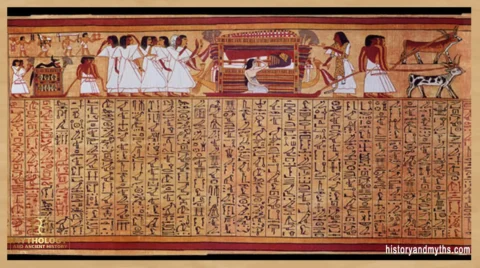
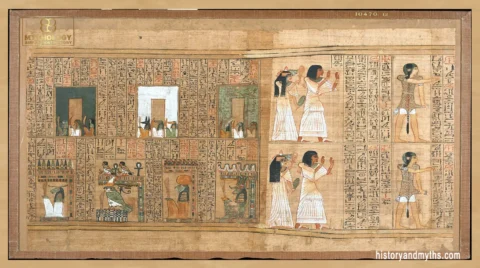
The same logic applied to inscriptions. Sacred words carved into stone were not merely records; they were active forces. As long as the text remained legible, its power endured. Stone protected language from erasure, allowing prayers, names, and protective formulas to continue functioning.
Obelisks, boundary stones, and architectural elements followed the same principle. Each served as a fixed point where power could be anchored. Movement and change were dangerous; stability was sacred. Stone transformed belief into something durable and controllable.
By acting as a vessel, stone made divine interaction reliable. It did not create power, but it prevented power from fading. This role explains why stone dominated religious architecture and ritual tools it was the only material trusted to carry the sacred without loss.
Sacred Stone in Temples and Tombs
Stone defined where the sacred could safely exist. In temples, stone architecture did more than support roofs and walls it controlled access to divine power. Each chamber, doorway, and axis carved in stone regulated movement, sound, and visibility, ensuring that ritual actions occurred within an ordered, protected environment.
Temples built of stone were designed to last beyond human lifespans. This permanence allowed gods to remain present across generations, independent of political change or individual priests. The temple’s stone fabric guaranteed continuity of worship and ritual effectiveness.
In tombs, stone played an even more critical role. Survival after death required stability. The tomb was not a memorial; it was a functional space where identity continued. Stone walls preserved names, scenes, and spells. Stone sarcophagi protected the body’s form. Together, they ensured that the deceased remained intact against decay and forgetting.
Gardens, courtyards, and offering areas carved or enclosed in stone created controlled zones where living and dead could interact. Offerings placed there were not symbolic gestures; they were practical exchanges supported by a material that would not fail.
In both temples and tombs, stone acted as a guarantee. It ensured that divine presence, ritual action, and personal identity could persist without interruption. Without stone, sacred space would collapse into impermanence and belief itself would weaken.
Sacred Stones — At a Glance
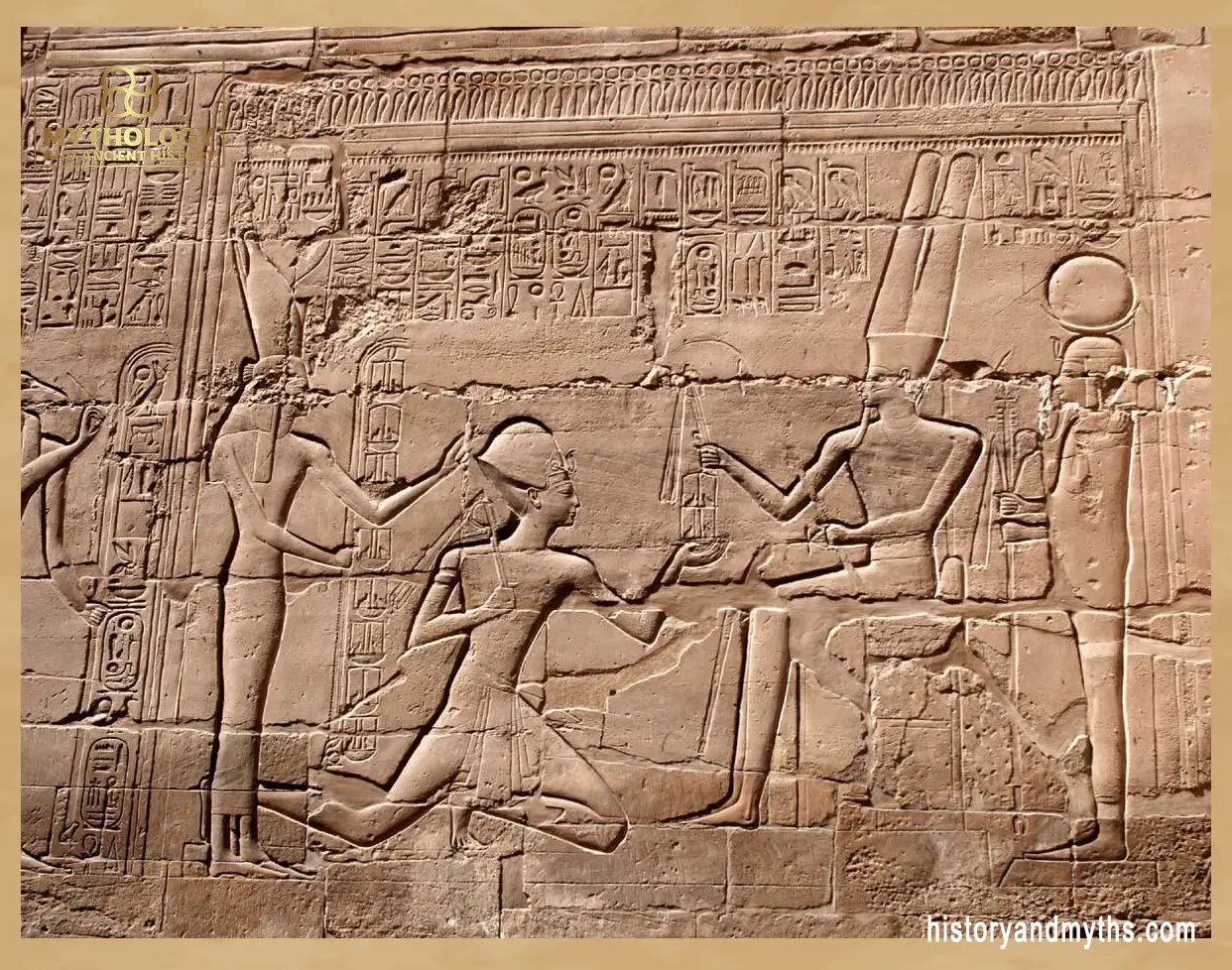
- Sacred, not divine: Stones were never worshipped as gods but treated as sacred tools.
- Material of permanence: Stone resisted decay, making it ideal for preserving the sacred.
- Vessels of power: Divine presence could be stabilized within stone through ritual activation.
- Guardians of identity: Names and spells carved in stone ensured survival beyond death.
- Controlled sacred space: Stone architecture defined and protected ritual environments.
- Defense against chaos: Stone symbolized order and endurance in a fragile world.
What Sacred Stones Reveal About Egyptian Belief
Sacred stones reveal a religion built on control, continuity, and resistance to loss. Ancient Egyptian belief did not depend on abstract faith alone; it depended on materials that could endure. Stone made belief reliable.
By treating stone as sacred but not divine, Egyptians avoided worshipping matter while still grounding their religion in the physical world. Stone allowed divine presence to be fixed, names to survive, rituals to remain active, and identities to persist beyond death. It transformed belief from something fragile into something stable.
This approach shows a disciplined religious system. Sacredness was assigned where it was effective. Stone was chosen not for mystery, but for performance. It worked because it resisted decay, preserved memory, and maintained order in a universe constantly threatened by chaos.
Understanding this changes how ancient Egyptian religion should be read. It was not obsessed with objects, but with endurance. Sacred stones were tools against disappearance. Through them, Egyptians sought not immortality in the abstract, but continuity in a world where survival depended on what could last.
Key Takeaways
- Stone was sacred in ancient Egypt, but it was never worshipped as a god.
- Its sacred status came from permanence, endurance, and resistance to decay.
- Stone acted as a vessel that preserved divine power, names, and rituals.
- Temples and tombs relied on stone to control sacred space and ensure continuity.
- Inscriptions carved in stone kept identity and memory alive after death.
- Sacred stones reveal a belief system focused on stability, control, and survival.
Frequently Asked Questions About Sacred Stones in Ancient Egypt
Were stones worshipped as gods in ancient Egypt?
No. Stones were not worshipped as divine beings. They were treated as sacred materials capable of preserving divine power and identity.
Why was stone considered sacred?
Stone resisted decay and loss, making it ideal for preserving names, rituals, and divine presence across time.
How did stone function in temples?
Stone architecture controlled sacred space, stabilized ritual activity, and fixed divine presence within defined boundaries.
What role did stone play in the afterlife?
Stone tombs, sarcophagi, and inscriptions protected identity and memory, ensuring survival beyond death.
Did stone objects have power on their own?
No. Stone became effective only through ritual preparation and correct religious use.
Why were inscriptions carved in stone?
Carving names and texts in stone ensured their endurance and continued effectiveness after death.
What do sacred stones reveal about Egyptian belief?
They reveal a practical religion focused on stability, continuity, and resistance to chaos.
Sources & Rights
- Assmann, Jan. The Mind of Egypt: History and Meaning in the Time of the Pharaohs. Cambridge, MA: Harvard University Press, 2002.
- Assmann, Jan. Death and Salvation in Ancient Egypt. Ithaca: Cornell University Press, 2005.
- Arnold, Dieter. Building in Egypt: Pharaonic Stone Masonry. Oxford: Oxford University Press, 1991.
- Hornung, Erik. Conceptions of God in Ancient Egypt: The One and the Many. Ithaca: Cornell University Press, 1982.
- Kemp, Barry J. Ancient Egypt: Anatomy of a Civilization. 3rd ed. London: Routledge, 2018.
- Pinch, Geraldine. Egyptian Mythology: A Guide to the Gods, Goddesses, and Traditions of Ancient Egypt. Oxford: Oxford University Press, 2004.
- Quirke, Stephen. Exploring Religion in Ancient Egypt. Chichester: Wiley-Blackwell, 2015.
- Shafer, Byron E., ed. Temples of Ancient Egypt. Ithaca: Cornell University Press, 1997.
- Teeter, Emily. Religion and Ritual in Ancient Egypt. Cambridge: Cambridge University Press, 2011.
- Wilkinson, Richard H. Symbol and Magic in Egyptian Art. London: Thames & Hudson, 1994.
- Wilkinson, Richard H. The Complete Gods and Goddesses of Ancient Egypt. London: Thames & Hudson, 2003.
- British Museum. Explore the Rosetta Stone. :contentReference[oaicite:0]{index=0}
Written by H. Moses — All rights reserved © Mythology and History