Sports and Physical Activities in Ancient Egypt
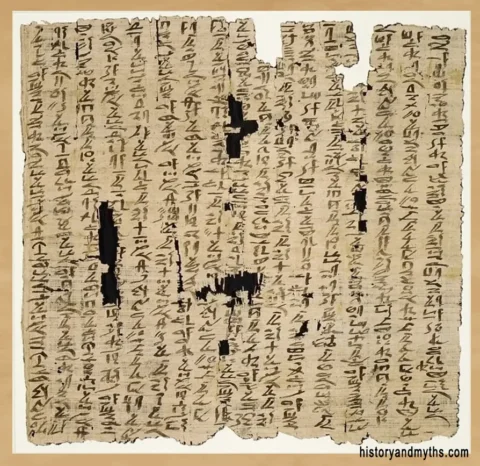
In ancient Egypt, physical activity was not a separate sphere of leisure or competition in the modern sense of “sport.” The body itself was part of the social order, and movement, training, and exertion were valued only insofar as they served a clear function-labor, discipline, or readiness for service. For that reason, what are often labeled as “sports” are better understood as practices through which the body was shaped to meet the practical demands of daily life.
This article does not ask which games or sports Egyptians practiced. Instead, it addresses a more precise question: why a trained body mattered in Egyptian society. From this perspective, activities such as wrestling, archery, and swimming were not forms of recreation, but structured means of controlling strength, coordination, and endurance within a culture that viewed bodily order as an extension of social and cosmic order.
Did “Sport” Exist in Ancient Egypt?
The concept of “sport” as an organized activity pursued for recreation, competition, or personal achievement did not exist in ancient Egypt. Applying the modern term to Egyptian practices creates a false framework that obscures their original purpose. Physical activities were not separated from daily life, nor were they valued for entertainment alone. They were embedded in systems of work, training, and social discipline.
Egyptian sources-visual, textual, and archaeological-do not point to formalized sporting institutions, rules, or competitions comparable to those of later Greek culture. Instead, they show repeated emphasis on bodily competence: strength, balance, endurance, and control. These qualities were cultivated because they were useful, not because they were pleasurable. Movement was functional before it was expressive.
When modern scholarship refers to “sports” in ancient Egypt, it does so as a convenient label rather than a historical reality. Wrestling scenes, archery practice, and swimming are better understood as methods of bodily conditioning, shaped by environmental demands and social expectations. The absence of terminology equivalent to “sport” in Egyptian language further reinforces this distinction: activity was defined by purpose, not by category.
Recognizing this difference is essential. Without it, Egyptian physical practices appear incomplete or primitive when compared to later athletic cultures. In reality, they followed a different logic-one in which the trained body was not an end in itself, but a tool aligned with labor, order, and collective stability.
| Physical Activity | Primary Function | Social Meaning |
|---|---|---|
| Wrestling | Regulation of strength and bodily balance | Controlled power suited to labor and close physical interaction |
| Archery | Precision under tension | Discipline, restraint, and readiness for service |
| Swimming | Environmental survival and mobility | Adaptation to Nile-centered daily life |
| Rowing | Coordinated collective movement | Cooperation and rhythmic bodily discipline |
| Hunting Practices | Applied strength and coordination | Mastery over tools, space, and bodily control |
Why Bodily Discipline Mattered in Egyptian Society
In Egyptian society, the body was not a private possession but a functional asset. Physical capability determined an individual’s usefulness within the household, the workplace, and the wider social structure. Strength enabled labor, control ensured reliability, and endurance allowed continuity. A disciplined body was therefore a prerequisite for participation in daily life rather than a personal accomplishment.
Most forms of work in ancient Egypt-agriculture, construction, transport, and craft production-depended directly on physical effort. Skill alone was insufficient without bodily control. Repetition, balance, and measured force mattered as much as raw strength. Physical training, whether formal or informal, ensured that the body could meet these demands without disruption to productivity or order.
This emphasis on bodily discipline extended beyond labor. Social stability relied on predictability, and the controlled body mirrored that expectation. Excess, uncontrolled force, or physical disorder conflicted with the broader values of balance and regulation that governed Egyptian thought. Training the body was thus aligned with maintaining social coherence, not personal distinction.
For this reason, physical activity was never detached from function. Movement that did not serve work, preparedness, or discipline held little value. What appears today as “exercise” was, in its original context, a practical response to environmental pressures and social necessity. The trained body was not celebrated for performance, but trusted for reliability.
Physical Activities with Defined Functions
Physical activities in ancient Egypt were structured around specific needs rather than abstract ideas of fitness or competition. Each practice addressed a concrete demand placed on the body by work, environment, or social expectation.
Wrestling: Regulating Strength
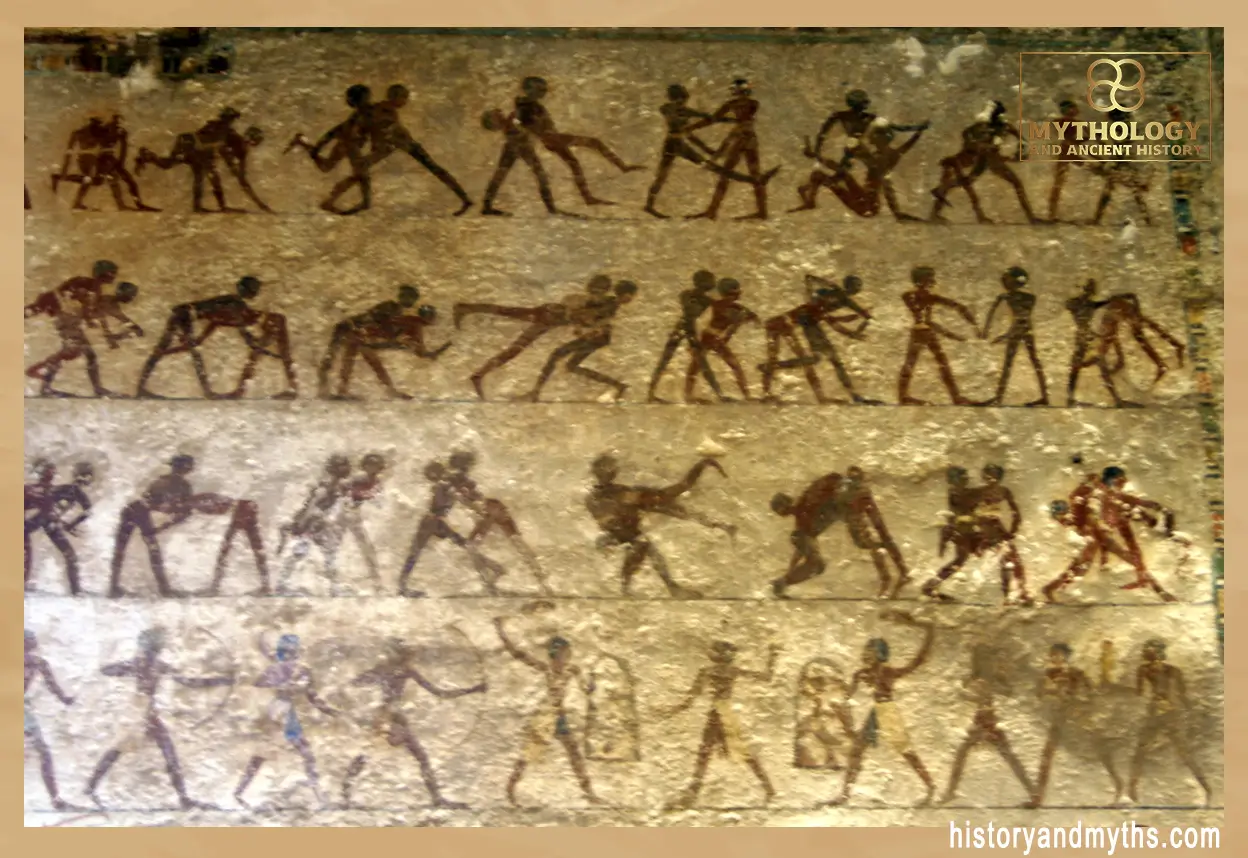
Wrestling was not valued as a contest of dominance but as a means of controlling physical force. The emphasis visible in depictions lies on balance, grip, and measured response rather than brute power. This form of training produced bodies capable of exertion without chaos-an essential quality in labor-intensive settings where uncontrolled strength could damage tools, structures, or people.
Archery: Precision and Control
Archery functioned as a discipline of restraint. Drawing and releasing required coordination, timing, and mental focus. The activity trained the body to act with accuracy under tension, a skill transferable to both hunting and military readiness. Its value lay in precision, not spectacle, reinforcing the ideal of controlled action over impulsive force.
Swimming: Environmental Necessity
Swimming was shaped by geography rather than choice. Proximity to the Nile made bodily familiarity with water unavoidable. Swimming was neither recreational nor symbolic; it was a practical competence tied to transport, fishing, and survival. Mastery of water ensured mobility and safety in a landscape where the river structured daily life.
Across these activities, the pattern remains consistent. Movement was purposeful, repetitive, and subordinated to function. The body was trained to respond predictably to physical demands, not to perform for recognition. What unites these practices is not athletic ambition, but the systematic preparation of the body for reliable use.
Physical Activity in Ancient Egypt — Core Logic
- Not sport, but function: Physical activity served labor, discipline, and readiness, not recreation.
- The body as a tool: Strength, balance, and endurance were valued only when controlled and reliable.
- No separation from daily life: Training emerged through work, routine, and repeated bodily use.
- Discipline over display: Precision and restraint mattered more than performance or competition.
- Social order reflected in the body: A trained body mirrored the wider ideal of balance and stability.
© historyandmyths.com — Educational use
Who Practiced Physical Activity in Ancient Egypt?
Physical activity in ancient Egypt was not restricted to a specialized group, nor was it pursued as a voluntary pastime. Participation followed social role rather than personal inclination. The body was trained because it was expected to function, not because movement itself was valued.
Children were introduced early to physical demands through imitation and routine. Daily tasks-carrying objects, assisting in agricultural work, moving through uneven terrain-served as informal conditioning. There is no evidence for structured “youth sports,” but bodily competence was cultivated gradually as part of growing into a productive role.
Among adolescents and adults, physical conditioning aligned with occupation. Laborers, craftsmen, boatmen, and soldiers developed strength and coordination through repeated practice tied directly to their work. Training was embedded in activity itself. The distinction between exercise and labor did not exist; bodily capability emerged from sustained engagement with tasks that required control and endurance.
Women were not excluded from physical exertion, though their activities followed different patterns. Managing households, processing food, carrying water, and participating in agricultural cycles demanded stamina and coordination. These forms of exertion rarely appear framed as “physical activity” in modern discussions, yet they shaped the body in comparable ways.
What is notably absent is the idea of leisure-based training. Physical activity did not mark identity or status on its own. It was neither a marker of prestige nor a domain of competition. Instead, bodily capability functioned as a baseline expectation-an unspoken requirement for fulfilling one’s place within the social structure.
Why Physical Activities Appear in Tomb Art
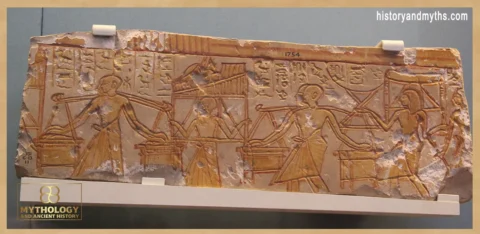
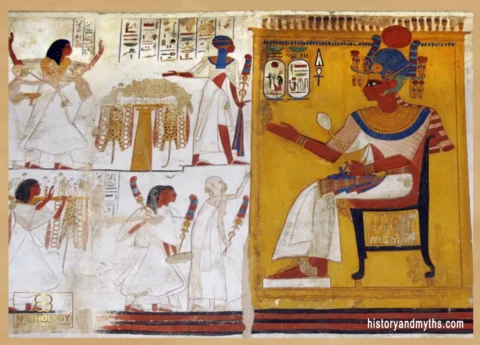
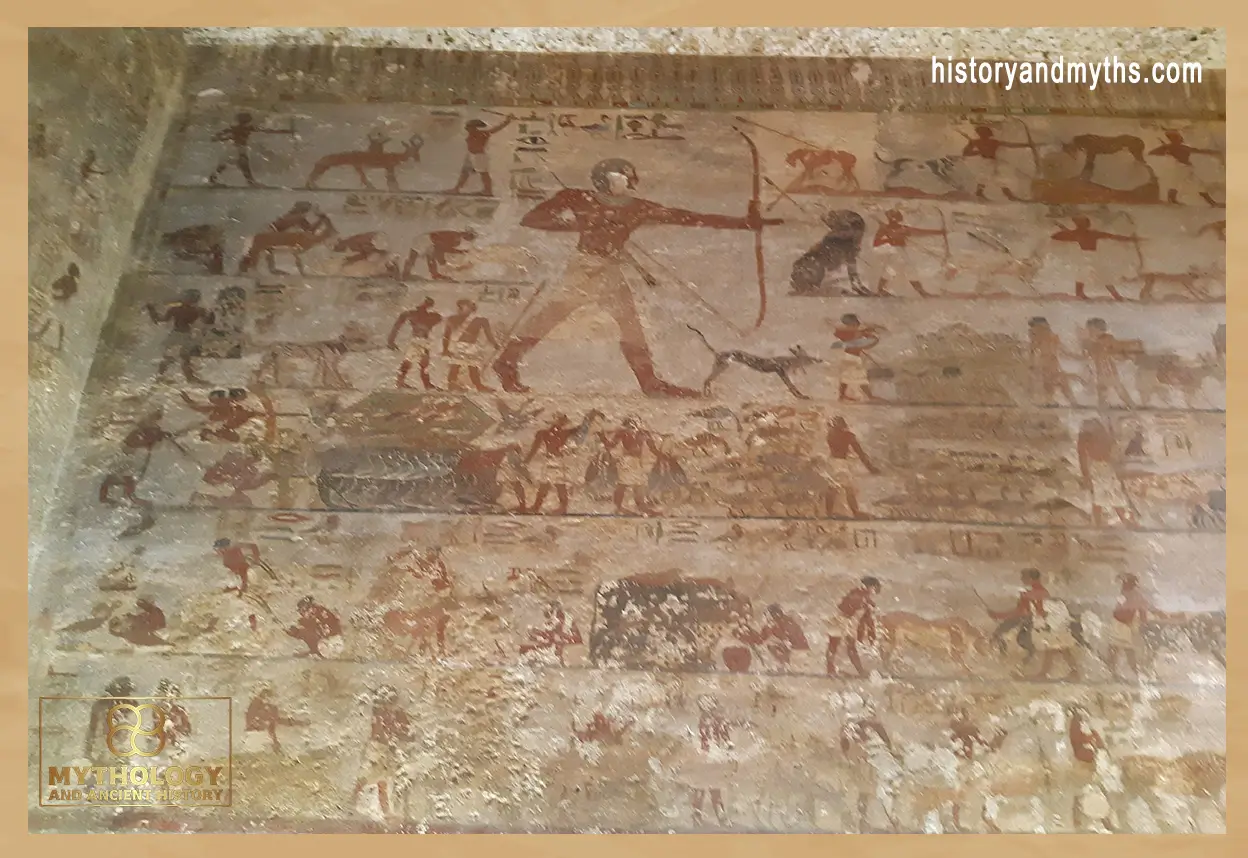
Scenes of physical activity in Egyptian tombs were not records of leisure or personal interests. Their presence served a symbolic and functional purpose tied to continuity, not memory. Tomb art did not document what the deceased enjoyed doing; it projected what the body was expected to remain capable of beyond death.
The activities depicted-wrestling, hunting, rowing, swimming-represent controlled movement and bodily competence. They present the deceased as physically ordered, capable, and prepared to function within an eternal framework that mirrored life. In this context, the disciplined body was a guarantee of stability, not a display of achievement.
These images also reinforced social expectations. By showing idealized forms of bodily control, tomb decoration affirmed the values that structured Egyptian society: restraint, balance, and readiness. Physical activity became visual proof that the individual belonged to an ordered system, both in life and in the afterlife.
Importantly, the repetition of such scenes across tombs does not suggest personal preference. It reflects a shared cultural language in which the trained body symbolized reliability and permanence. Physical activity, as shown in funerary art, was less about action and more about condition-the state of being fit for continuity.
Seen through this lens, the presence of physical activities in tombs completes the logic of Egyptian bodily culture. Movement mattered because it sustained order. What was preserved in stone and paint was not sport, but the disciplined body as a stable element of the social and cosmic system.
Key Takeaways
- Physical activity in ancient Egypt was functional, not recreational.
- The disciplined body was valued as a reliable tool for labor and service.
- Activities like wrestling and archery trained control, not competition.
- There was no separation between exercise and daily work.
- Tomb scenes reflect bodily order and continuity, not personal leisure.
Frequently Asked Questions
Did ancient Egyptians practice sports for entertainment?
No. Physical activities were functional and tied to labor, discipline, and readiness rather than leisure or competition.
What activities are often mistaken for sports in ancient Egypt?
Wrestling, archery, swimming, and rowing are commonly labeled as sports, but they served practical and social purposes.
Was wrestling a competitive sport?
Wrestling focused on balance and control, not victory or public competition.
Why was archery important in Egyptian society?
Archery trained precision, restraint, and coordination, qualities essential for hunting and military service.
Did children engage in physical training?
Children developed bodily competence through daily tasks and routine activity rather than formal training.
Were women involved in physical activity?
Yes. Household management, agricultural work, and daily labor required strength and endurance.
Why are physical activities shown in tomb art?
These scenes symbolize bodily order and readiness for continuity in the afterlife, not personal hobbies.
Did ancient Egypt have organized athletic competitions?
No evidence suggests formal sporting competitions comparable to those of later Greek culture.
Sources & Rights
- Tyldesley, Joyce. Daily Life in Ancient Egypt. Penguin Books.
- Shaw, Ian (ed.). The Oxford History of Ancient Egypt. Oxford University Press.
- Robins, Gay. The Art of Ancient Egypt. Harvard University Press.
- Wilkinson, Richard H. The Complete Gods and Goddesses of Ancient Egypt. Thames & Hudson.
- Brewer, Douglas J., and Emily Teeter. Egypt and the Egyptians. Cambridge University Press.
- Baines, John, and Jaromír Málek. Atlas of Ancient Egypt. Facts On File.
- Davies, Norman de Garis. The Tomb of Rekh-mi-Rē at Thebes. Metropolitan Museum of Art.
- Griffith, F. Ll. The Archaeological Survey of Egypt: Wrestling Scenes. Egypt Exploration Fund.
- McDermott, Bridget. Ancient Egypt: Social History. Routledge.
- Kemp, Barry J. Ancient Egypt: Anatomy of a Civilization. Routledge.
- Pinch, Geraldine. Egyptian Mythology: A Guide to the Gods, Goddesses, and Traditions. Oxford University Press.
- Trigger, Bruce G. et al. Ancient Egypt: A Social History. Cambridge University Press.
Written by H. Moses — All rights reserved © Mythology and History