Ancient Greek Food and Diet: What People Ate in Daily Life
Ancient Greek food was simple, but not by choice. What people ate was shaped by limited farmland, a dry climate, and the need to sustain the household over time. The…
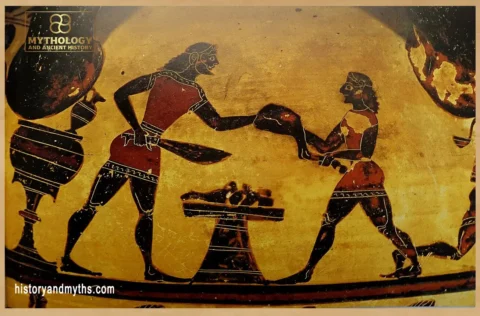
Ancient Greek food was simple, but not by choice. What people ate was shaped by limited farmland, a dry climate, and the need to sustain the household over time. The…
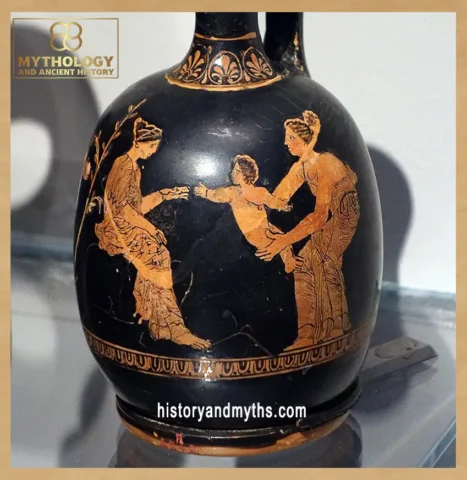
Children in ancient Greece were not raised for personal development—they were shaped to serve the needs of the household and the state. From birth, a child’s value depended on acceptance…
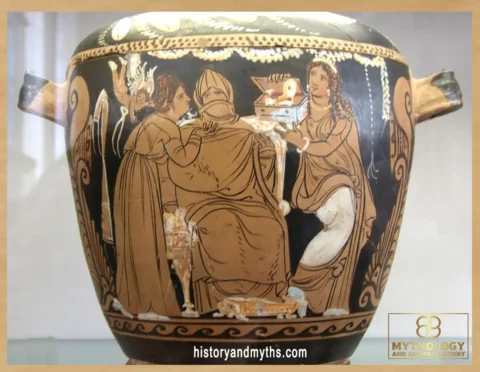
Marriage in ancient Greece was not about love or personal choice—it was a controlled arrangement designed to secure inheritance, produce legitimate heirs, and connect families through stable alliances. The decision…
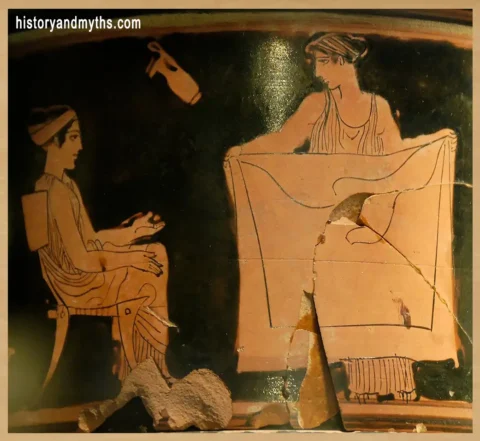
Ancient Greek family structure was built around control, inheritance, and social order—not emotional bonds. At its core was the oikos, a household unit led by a male authority figure who…
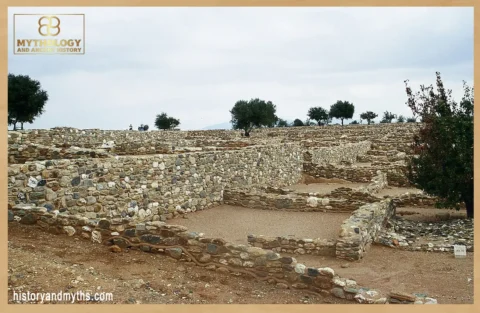
Ancient Greek houses were not designed for comfort or display—they were built to control privacy, social roles, and daily behavior. Most homes followed an inward-facing layout centered on a private…
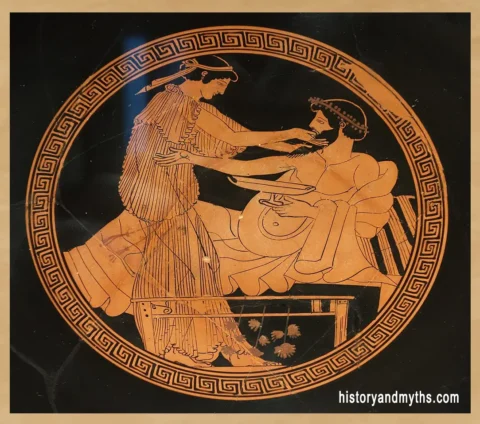
Greek society was not simply divided into social classes—it was organized to control who could participate in public life and who could not. Status determined more than wealth or position….
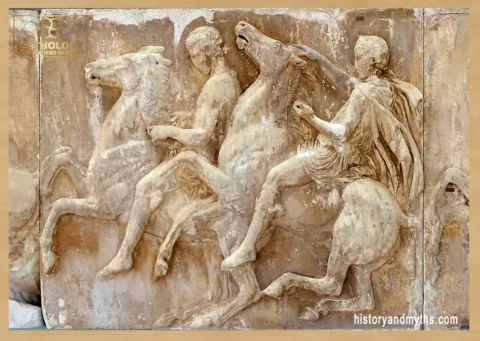
Greek cultural identity was not tied to a single state or border. There was no unified “Greece” in the modern sense. What held people together was a shared framework that…
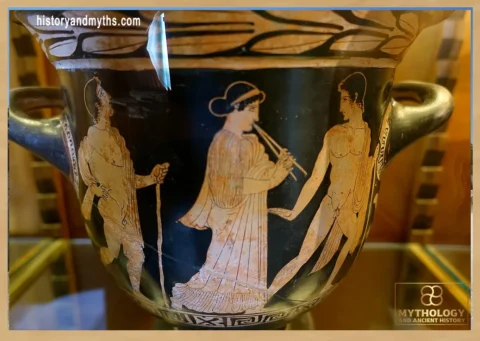
Ancient Greek music was not separate from daily life, and it was not used for entertainment alone. It was built into rituals, public performances, and education, shaping how people acted,…
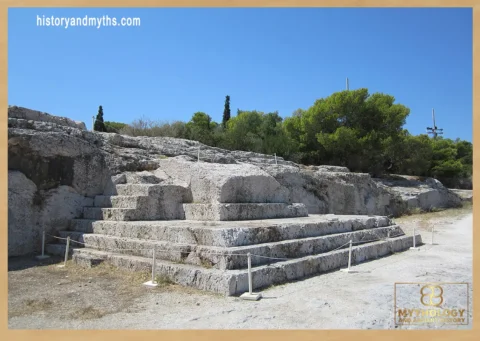
In ancient Greek cities, decisions were not issued from closed offices. They were argued in public. If you wanted to pass a law, defend yourself in court, or influence policy,…
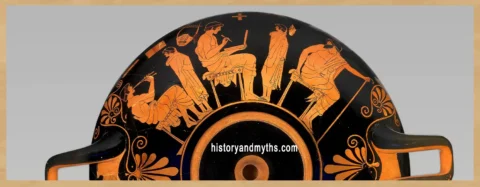
Greek writing did not simply record ideas—it changed how ideas could exist. Before writing, knowledge depended on memory and performance. It had to be spoken, repeated, and carried by people….
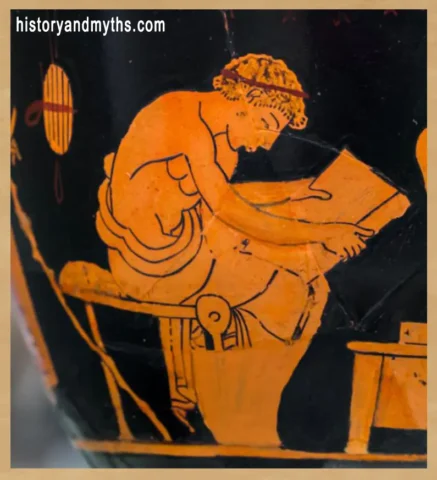
Ancient Greek libraries were not designed as public spaces for reading. They were controlled environments for storing and organizing knowledge, used by a limited group of scholars and institutions. Their…
Ancient Greek education was not designed to deliver knowledge in a structured, institutional way. It was built to shape individuals into active participants within the city—people who could speak, compete,…
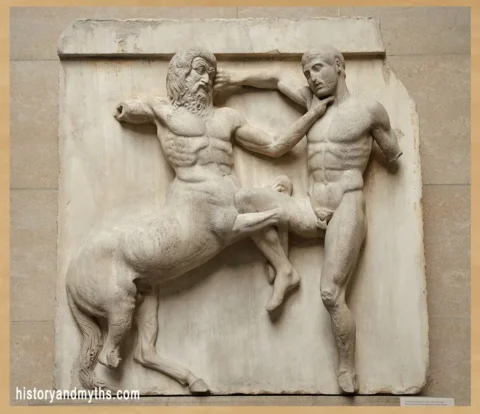
Greek myths were not just stories about gods and heroes—they were shared narratives that defined how a city understood itself. Each community used myth to explain its origins, justify its…
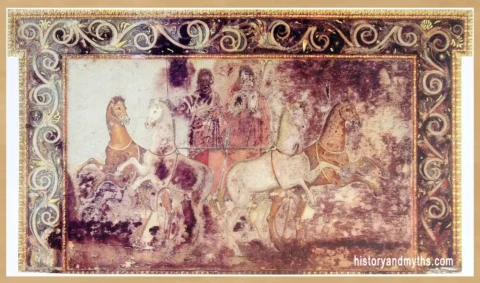
Ancient Greeks did not treat the afterlife as a central goal of religion—they saw it as a necessary but limited continuation after death. For most people, what awaited was not…
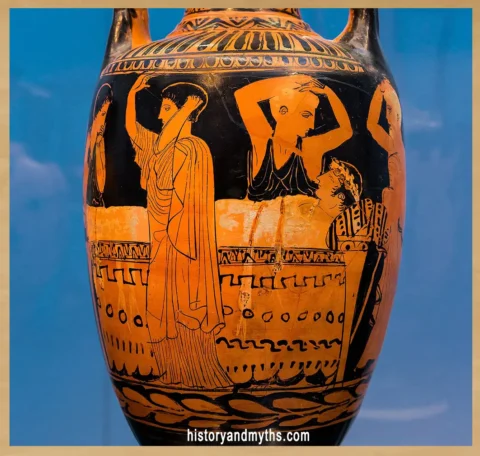
Greek funerary customs were not simply about mourning the dead—they were structured processes that managed what happened to the body, the family, and the community after death. Each stage followed…
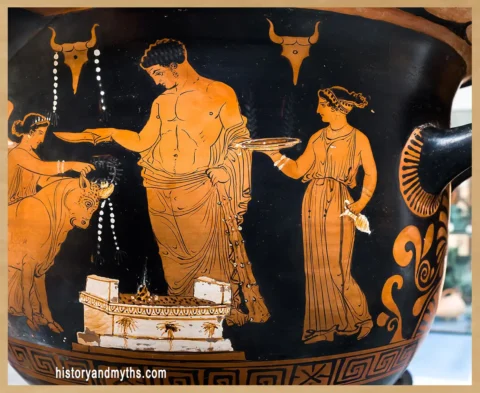
Greek hero cults were not about admiring legendary figures—they were organized systems of worship centered on powerful dead individuals tied to specific places. Unlike gods, heroes were believed to exist…
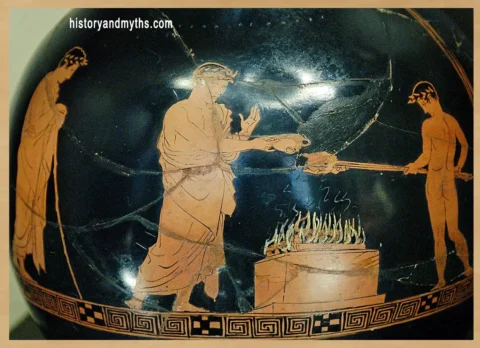
Greek sacrifices were not just acts of worship—they were structured exchanges that linked gods, people, and resources within a single system. When an animal was sacrificed, only a portion was…
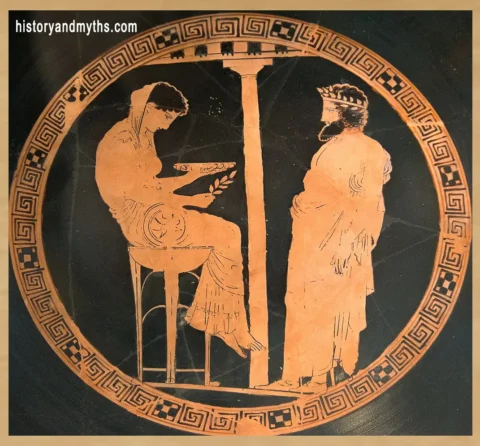
Greek oracles were not random prophecies or mystical guesses. They were structured systems through which people asked questions, received controlled responses, and used them to make decisions. An oracle did…
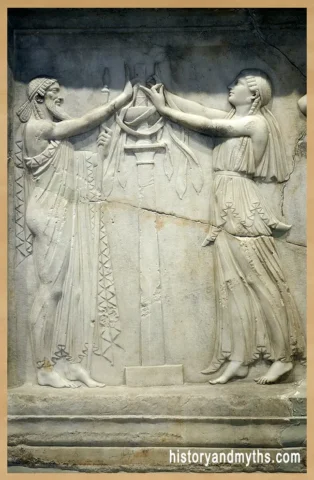
Greek priesthood was not a religious authority in the way most people expect. There was no centralized clergy, no unified doctrine, and no class of priests controlling belief. Instead, priesthood…
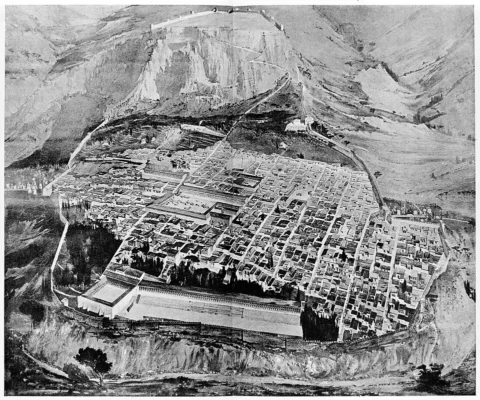
Ancient Greek urban planning was the process of organizing the city to control movement, define functions, and support daily life. Greek cities were not always fully planned from the start,…