Judgment of Souls in Greek Mythology: How Fate Was Decided
In Greek mythology, the fate of a soul after death was not entirely random. Different souls could receive very different outcomes, ranging from the rewards of Elysium to the punishments…
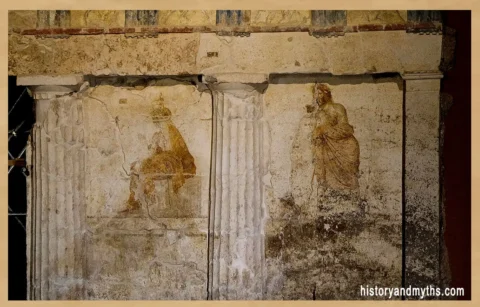
In Greek mythology, the fate of a soul after death was not entirely random. Different souls could receive very different outcomes, ranging from the rewards of Elysium to the punishments…
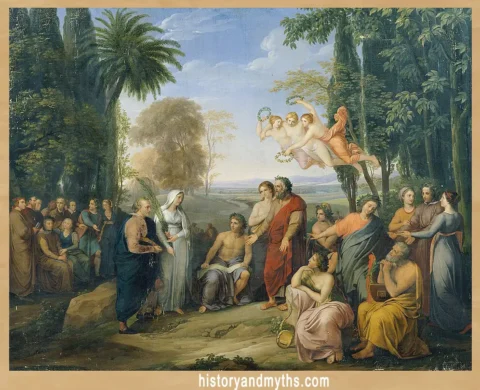
Elysium was the closest thing Greek mythology had to a paradise, but it was not intended for everyone. While most souls entered the ordinary regions of the underworld after death,…
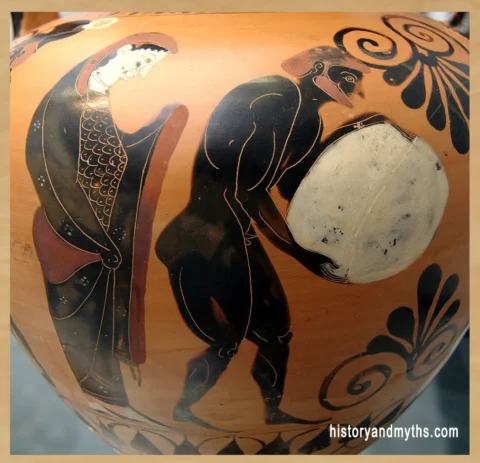
In Greek mythology, eternal punishment was reserved for only a small number of individuals. Most souls entered the underworld and continued their existence without endless torment. Those who received eternal…
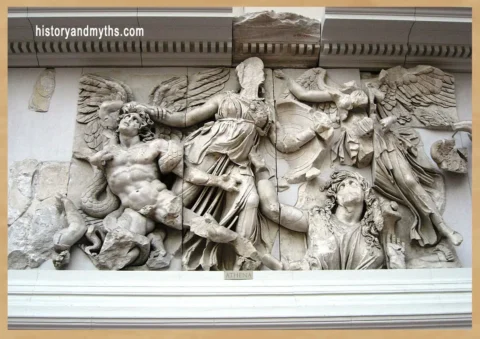
Greek mythology did not divide the universe into gods, Titans, and primordial beings simply to create different generations of divine characters. Each group represented a different layer of reality and…
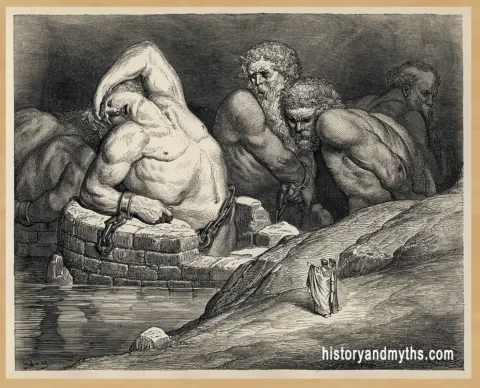
Tartarus in Greek mythology was far more than a place of punishment for the dead. Long before it became associated with condemned souls and eternal torment, Tartarus existed as one…
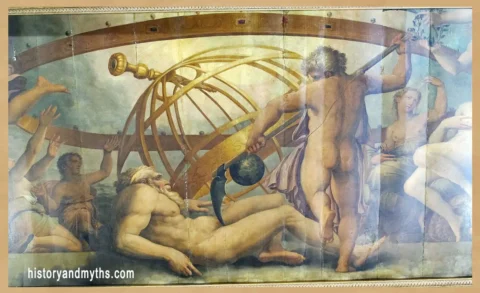
In Greek mythology, power was never permanent. The rulers of the cosmos lived under a constant fear shared by gods, Titans, and primordial beings alike: the fear of being overthrown…

The structure of the Greek cosmos was far more complex than a simple division between heaven, earth, and the underworld. Ancient Greek mythology imagined the universe as a layered system…
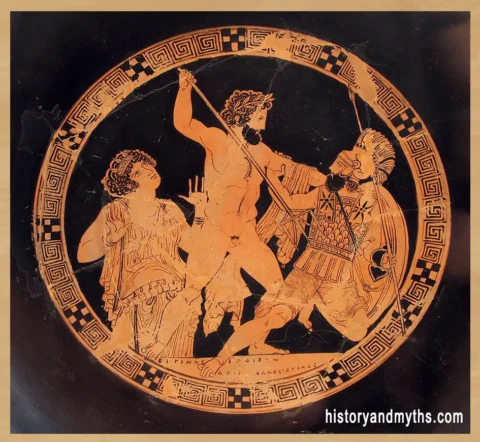
The Gigantomachy was the war between the Olympian gods and the Giants in ancient Greek mythology. Unlike the Titanomachy, which established Olympian rule, the Gigantomachy threatened the stability of that…
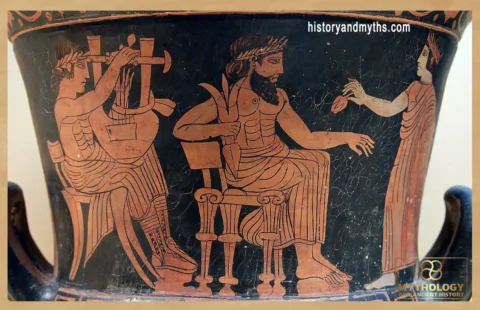
The Titanomachy was the great war between the Titans and the Olympian gods in ancient Greek mythology. More than a mythological battle, it explained how Zeus and the Olympians overthrew…
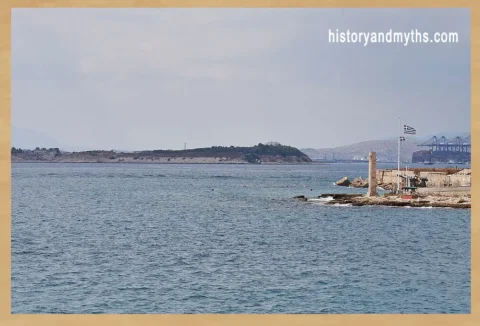
Corinth and Athens developed two very different economic models despite both becoming major commercial powers in the Greek world. Corinth built its economy around strategic trade movement, merchant exchange, and…
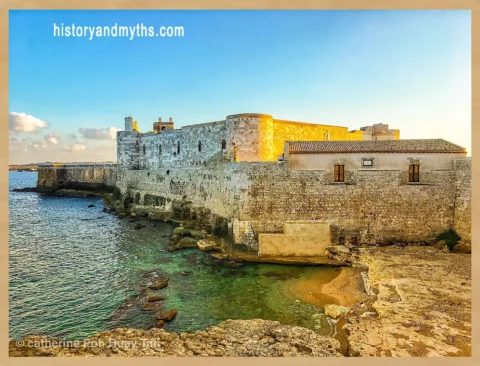
Sicily became important to Greek trade because its fertile farmland, strategic location, and maritime connections allowed Greek cities to expand commercial networks across the Mediterranean while securing access to grain,…
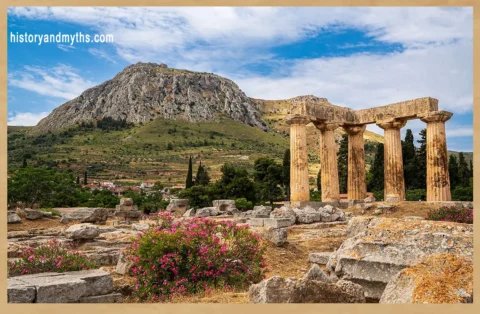
Geography shaped Greek cities by influencing where people could travel, trade, farm, defend territory, and build long-term urban communities. Mountains divided regions into isolated political centers, narrow plains supported agricultural…
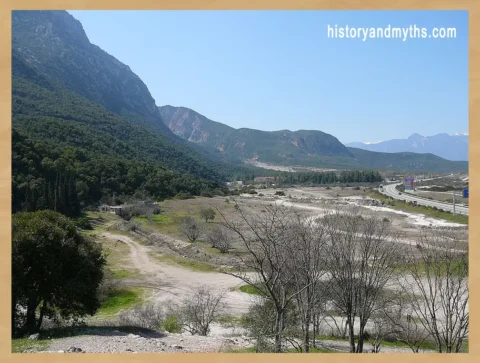
Greek cities controlled strategic roads by securing mountain passes, supervising land corridors, and managing access routes connected to trade, military movement, and territorial influence. In a landscape dominated by mountains…
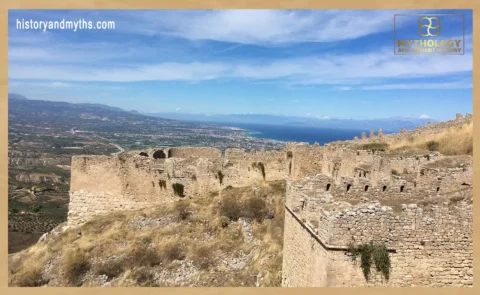
Fortress cities in Ancient Greece developed around defensive walls, elevated terrain, controlled access points, and urban layouts designed to protect populations during warfare and regional instability. Cities such as Mycenae,…
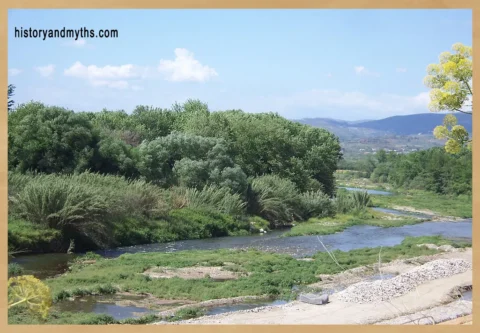
Agricultural Greek cities developed around fertile land, food production, and rural labor systems that supported urban stability and long-term economic survival. Cities located near productive plains and farming regions depended…
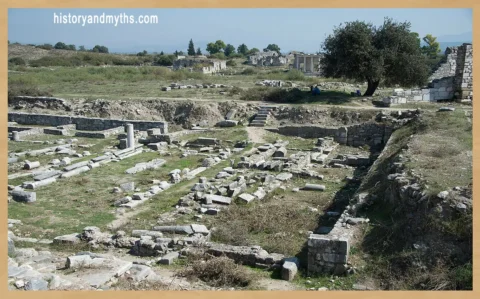
Intellectual centers in Ancient Greece became influential because philosophy, public debate, education, and the exchange of ideas transformed certain cities into major centers of learning and cultural prestige. Cities such…
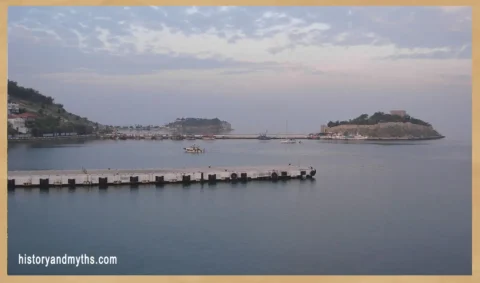
Port cities in Ancient Greece developed around harbors, maritime movement, and coastal exchange systems that connected Greek urban centers to the wider Mediterranean world. Cities such as Piraeus, Corinth, Rhodes,…
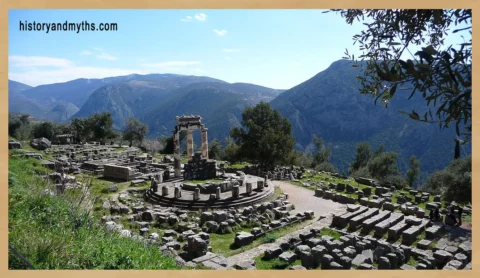
Religious cities in Ancient Greece became influential because temples, sacred festivals, pilgrimage networks, and oracles transformed them into centers of spiritual authority and public prestige across the Greek world. Cities…
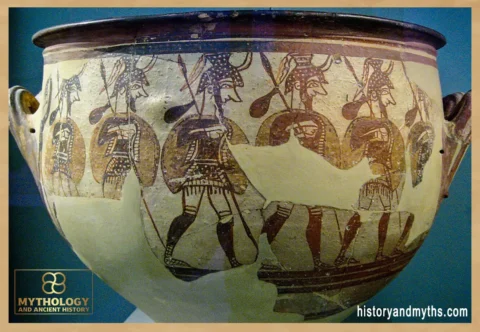
Military cities in Ancient Greece developed around defense, military readiness, and political systems that treated warfare as a central part of urban life. Some Greek cities were shaped less by…
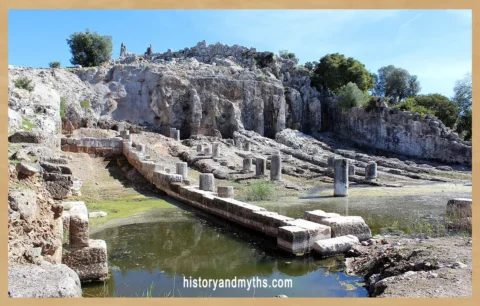
Trade cities in Ancient Greece became economically powerful because their harbors, geography, and maritime connections allowed them to control commercial exchange across major Mediterranean trade networks. Cities such as Corinth,…