Military Cities in Ancient Greece and Their War Culture
Military cities in Ancient Greece developed around defense, military readiness, and political systems that treated warfare as a central part of urban life. Some Greek cities were shaped less by commerce or maritime exchange and more by strategic geography, fortified infrastructure, disciplined citizenship, and constant preparation for conflict in a highly competitive Greek world.
Military priorities influenced far more than armies alone. Defensive planning, civic organization, public education, and social structure often reflected the needs of warfare and territorial security. Cities such as Sparta became closely associated with militarized civic systems where military discipline affected governance, identity, and daily life across the polis.
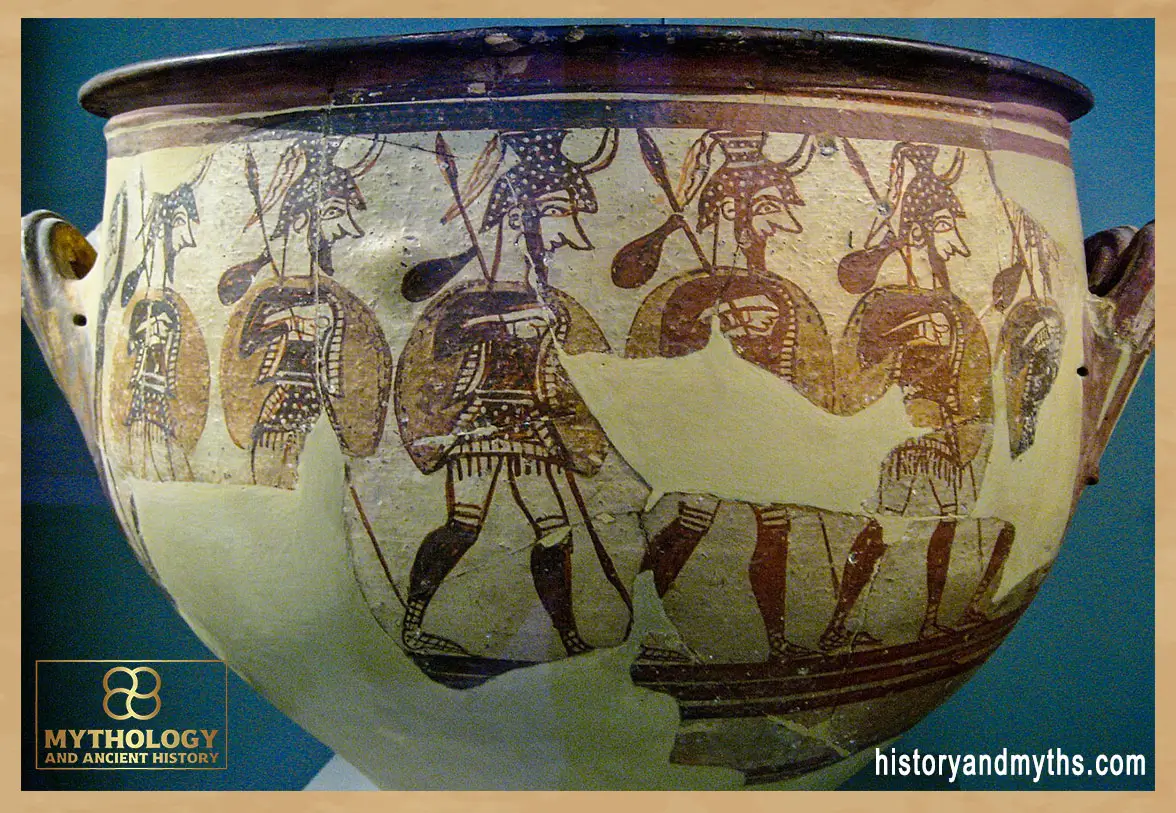
What Made a Greek City a Military City?
Greek military cities prioritized defense, territorial security, and military readiness as central parts of urban organization and political life. These cities developed systems designed to support rapid mobilization, disciplined citizenship, and long-term preparation for conflict within the competitive environment of the Greek world.
Military orientation shaped more than battlefield activity alone. Governance, education, public expectations, and civic identity often reflected the needs of warfare and collective defense. In some cities, military service became closely connected to citizenship and participation within the polis itself.
Strategic concerns also influenced urban planning and regional behavior. Cities exposed to frontier pressure, rivalry, or constant military competition invested more heavily in defensive organization and security-focused political systems than communities centered primarily on trade or maritime exchange.
Military Cities in Ancient Greece
| Military City Feature | Impact on Urban Life |
|---|---|
| Defensive Geography | Improved protection and strategic control |
| Fortified Infrastructure | Strengthened long-term urban defense |
| Military Training Systems | Connected citizenship to warfare and discipline |
| Collective Readiness | Supported rapid mobilization during conflict |
| Military Political Power | Expanded regional influence and deterrence |
Geography and Defensive Positioning
Geography played a major role in the development of Greek military cities because defensible terrain increased security and strengthened control over surrounding regions. Hills, elevated ground, narrow passes, and strategic access points allowed cities to defend themselves more effectively against invasion or regional rivals.
Some military-oriented cities also occupied positions that monitored important land routes or frontier zones vulnerable to conflict. Control over strategic terrain could increase political influence while reducing exposure to sudden attack.
Defensive geography shaped urban priorities by encouraging investment in fortifications, controlled access points, and military preparedness connected directly to the physical environment surrounding the polis.
Sparta and the Militarization of Urban Society
Sparta represented one of the clearest examples of a Greek city shaped around military priorities because its political system, education, and social organization focused heavily on collective discipline and military readiness. Warfare influenced not only defense policy, but also citizenship, public behavior, and relations between social groups inside the polis.
The Spartan system emphasized obedience, endurance, and coordinated military training from an early age. Civic identity became closely connected to the expectation that citizens would contribute directly to the military strength and stability of the state.
Military organization also affected the broader structure of Spartan society by reinforcing rigid social control and limiting many forms of economic and cultural flexibility commonly found in more commercially oriented Greek cities.
Fortifications and Defensive Infrastructure
Military cities invested heavily in defensive infrastructure designed to delay attacks, protect urban populations, and strengthen long-term security during conflict. Walls, gates, elevated positions, and controlled entry points formed essential parts of urban defense systems across the Greek world.
Fortifications also reflected political priorities inside military-oriented cities. Communities facing frequent rivalry or frontier pressure often treated defensive construction as a permanent necessity rather than a temporary wartime response.
Defensive infrastructure influenced the organization of urban space by shaping movement, access, and protection within the city itself. Military concerns therefore became physically embedded in the structure and appearance of many Greek poleis.
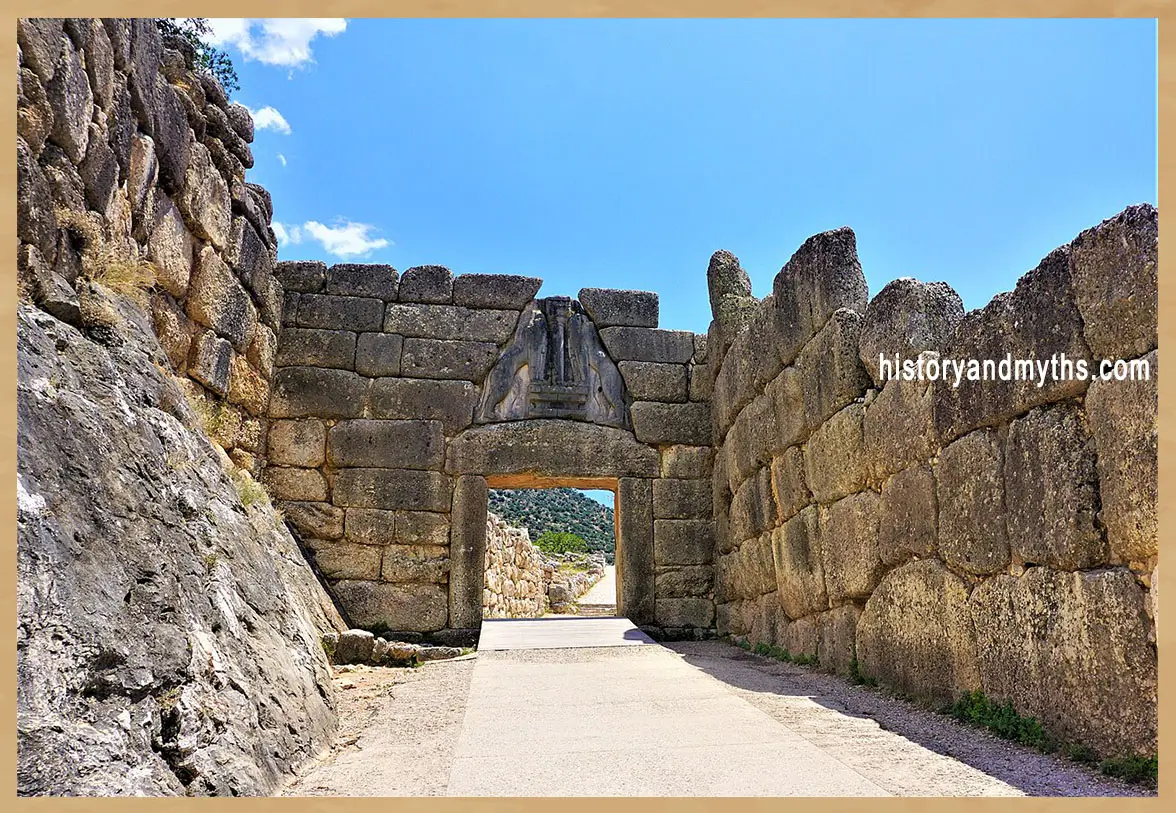
Some Greek Cities Were Built Around Warfare
Military cities in Ancient Greece organized urban life around defense, strategic geography, disciplined citizenship, and collective military readiness. Warfare influenced not only armies, but also civic identity, infrastructure, governance, and long-term political power inside the polis.
© historyandmyths.com — Educational use
Military Training and Civic Identity
Military training shaped civic identity in several Greek cities by linking citizenship to discipline, physical readiness, and participation in collective defense. In military-oriented poleis, public expectations often emphasized endurance, loyalty, and the ability to contribute to the security of the community during conflict.
This connection between warfare and citizenship influenced education, public behavior, and social status inside the city. Military preparation became part of how some communities defined responsible civic participation rather than a separate activity limited only to periods of war.
Shared military experience also strengthened collective identity by encouraging cooperation and loyalty within highly competitive regional environments where security remained a constant concern.
Why Military Cities Became Politically Powerful
Military strength increased the political influence of certain Greek cities by allowing them to defend territory, pressure rivals, and participate more aggressively in regional alliances and conflicts. Cities capable of maintaining disciplined military systems often exercised greater authority within surrounding areas.
Military power also strengthened political leverage through intimidation, strategic positioning, and control over contested regions. Strong defensive organization could discourage attacks while increasing the ability of a city to shape regional balance between competing powers.
In some cases, military influence extended beyond warfare itself. Cities known for disciplined armies or effective defensive systems gained reputations that affected diplomacy, alliances, and long-term political standing across the Greek world.
Continue Reading
- Trade Cities in Ancient Greece and Their Maritime Power
- Why Sparta Was Different From Most Greek Cities
- Fortifications and City Walls in Ancient Greece
- How Geography Shaped Greek Cities
Economic Costs of Military Priorities
Military-oriented cities often faced economic limitations because maintaining constant readiness required significant resources, labor, and political focus. Systems built around defense and warfare sometimes reduced flexibility for commercial expansion or broader economic diversification.
Heavy emphasis on military organization could also direct public priorities away from trade infrastructure, maritime commerce, or large-scale market development. Cities centered primarily on defense often depended more heavily on territorial control, agricultural systems, or military dominance than on open commercial exchange.
Long-term military pressure created additional strain during prolonged conflict. Sustaining armies, fortifications, and security systems demanded continuous commitment that could weaken economic stability if warfare became too costly or persistent.
Risks Faced by Military Cities
Military cities faced constant pressure because their political systems and urban organization depended heavily on maintaining security, discipline, and readiness for conflict. Prolonged warfare, population losses, internal unrest, or military defeat could weaken the stability of these highly defense-oriented systems.
Rigid military priorities also reduced adaptability in some cities. Communities built around strict discipline and continuous preparation for war sometimes struggled to respond flexibly to changing economic conditions or shifting political realities across the Greek world.
Dependence on military strength created additional vulnerability when rivals developed stronger alliances, superior resources, or more sustainable economic systems capable of supporting long-term competition.
How Military Priorities Shaped Urban Identity
Military priorities shaped the identity of some Greek cities by placing security, discipline, and collective defense at the center of public life. Cities organized around warfare often developed social expectations and political cultures very different from communities focused primarily on trade or maritime commerce.
Public behavior, education, and civic participation reflected the importance of military readiness within these environments. Citizens were frequently expected to support collective stability through obedience, endurance, and commitment to the defensive needs of the polis.
This military-centered identity also influenced how such cities were perceived across the Greek world. Some became associated with strength, discipline, and strategic power, while others viewed them as rigid or overly dependent on warfare as a foundation for political influence and urban organization.
Key Takeaways
- Military cities prioritized defense, discipline, and strategic security.
- Geography strongly influenced the development of military-oriented poleis.
- Sparta represented one of the clearest examples of militarized urban organization.
- Fortifications and defensive infrastructure shaped urban planning.
- Military training became closely connected to citizenship and civic identity.
- Strong military systems increased regional political influence.
- Military priorities could also create economic pressure and long-term rigidity.
Frequently Asked Questions
What were military cities in Ancient Greece?
Military cities were Greek poleis organized around defense, military readiness, strategic security, and warfare-focused political systems.
Why was Sparta considered a military city?
Sparta built much of its social structure, education, and civic identity around discipline, collective defense, and military preparation.
How did geography influence Greek military cities?
Defensible terrain such as hills, narrow passes, and strategic routes helped cities improve protection and military control.
Why were fortifications important in Greek cities?
Walls, gates, and defensive infrastructure protected urban populations and strengthened long-term security during conflict.
How did military priorities affect daily life?
Military-oriented cities often linked citizenship, public behavior, and education to discipline and collective readiness for warfare.
Did military cities become politically powerful?
Yes. Strong military systems increased regional influence, deterrence, and participation in alliances or territorial competition.
What risks did military cities face?
Military-focused systems could create economic strain, rigid social structures, and vulnerability during prolonged warfare or defeat.
How did military identity shape Greek cities?
Military priorities influenced governance, civic expectations, urban organization, and how cities were perceived across the Greek world.
Sources & Rights
- Cartledge, Paul. Sparta and Lakonia: A Regional History 1300–362 BC. Routledge, 2002.
- Hanson, Victor Davis. The Western Way of War. University of California Press, 2009.
- Van Wees, Hans. Greek Warfare: Myths and Realities. Duckworth, 2004.
- Pritchett, W. Kendrick. The Greek State at War. University of California Press, 1971–1991.
- Cartledge, Paul. The Spartans: The World of the Warrior-Heroes of Ancient Greece. Vintage, 2004.
- Hansen, Mogens Herman. An Inventory of Archaic and Classical Poleis. Oxford University Press, 2004.
- Osborne, Robin. Greece in the Making: 1200–479 BC. Routledge, 2009.
- Murray, Oswyn. Early Greece. Harvard University Press, 1993.
- Hornblower, Simon. The Greek World: 479–323 BC. Routledge, 2011.
- Finley, Moses I. The Ancient Economy. University of California Press, 1999.
- Rhodes, P. J. The Greek City States: A Source Book. Cambridge University Press, 2007.
- Ober, Josiah. The Rise and Fall of Classical Greece. Princeton University Press, 2015.
- Burford, Alison. Land and Labor in the Greek World. Johns Hopkins University Press, 1993.
- Thucydides. History of the Peloponnesian War. Academic translated editions.
- Xenophon. Constitution of the Lacedaemonians. Academic translated editions.
- Snodgrass, Anthony. Arms and Armour of the Greeks. Cornell University Press, 1999.
- de Souza, Philip. Ancient Greek Warfare. The History Press, 2008.
- Davies, John K. Democracy and Classical Greece. Harvard University Press, 1993.
- Meiggs, Russell. The Athenian Empire. Oxford University Press, 1972.
- Foxhall, Lin. Money, Labour and Land: Approaches to the Economies of Ancient Greece. Routledge, 2002.
Written by H. Moses — All rights reserved © Mythology and History