Corinth vs Athens: Comparing Two Economic Powers of Ancient Greece
Corinth and Athens developed two very different economic models despite both becoming major commercial powers in the Greek world. Corinth built its economy around strategic trade movement, merchant exchange, and control of the Isthmus connecting mainland Greece with the Peloponnese, while Athens expanded through naval dominance, maritime commerce, tribute systems, and control over Aegean trade networks.
These differences shaped how each city generated wealth, managed trade, protected economic interests, and expanded regional influence. Corinth benefited from geographic positioning that allowed it to supervise commercial movement across important land and sea routes, whereas Athens relied on naval power, overseas imports, and large-scale maritime infrastructure centered around the port of Piraeus.
The comparison between Corinth and Athens therefore reveals two separate approaches to economic power in Ancient Greece: one based on strategic transit and merchant connectivity, and another built on maritime projection, imperial influence, and naval-controlled commerce.
Why Corinth and Athens Became Economic Rivals
Corinth and Athens became economic rivals because both cities occupied positions that allowed them to dominate important trade systems within the Greek world, yet they relied on very different methods to build wealth and regional influence. Their competition reflected two separate approaches to economic expansion shaped by geography, maritime access, and political strategy.
Corinth benefited from controlling movement through the Isthmus, where merchants and goods passed between mainland Greece and the Peloponnese. This position supported a flexible commercial economy centered on transit trade, merchant exchange, and regional connectivity.
Athens expanded differently. Its economy depended heavily on naval strength, maritime commerce, imported grain, and influence over Aegean trade routes protected through sea power and imperial networks. Economic growth in Athens therefore became closely tied to naval projection and overseas commercial control rather than geographic transit alone.
Corinth vs Athens: Two Different Economic Models
| Economic Element | Corinth | Athens |
|---|---|---|
| Core Economic Model | Transit and merchant trade economy | Maritime imperial economy |
| Geographic Advantage | Control of the Isthmus | Access to the Aegean through Piraeus |
| Commercial Structure | Merchant circulation and trade movement | Naval commerce and overseas trade |
| Food Supply System | Regional exchange and trade mediation | Heavy dependence on imported grain |
| Main Vulnerability | Disruption of trade corridors | Disruption of maritime routes |
Geography and Economic Structure
Geography shaped the economic structure of both Corinth and Athens, but in very different ways. Corinth developed around strategic positioning near the Isthmus, allowing the city to supervise commercial movement between major land and maritime routes connected to southern Greece. Its economy relied heavily on transit trade, merchant activity, and regional exchange passing through controlled corridors.
Athens depended more on maritime reach than geographic bottlenecks. Access to the port of Piraeus and direct connections to the Aegean allowed the city to expand naval commerce, import essential resources, and maintain large-scale overseas trade networks supported by sea power.
These geographic differences created two separate economic systems. Corinth profited from controlling movement through a strategic location, while Athens expanded through maritime projection and long-distance commercial influence.
Corinth and the Transit Trade Economy
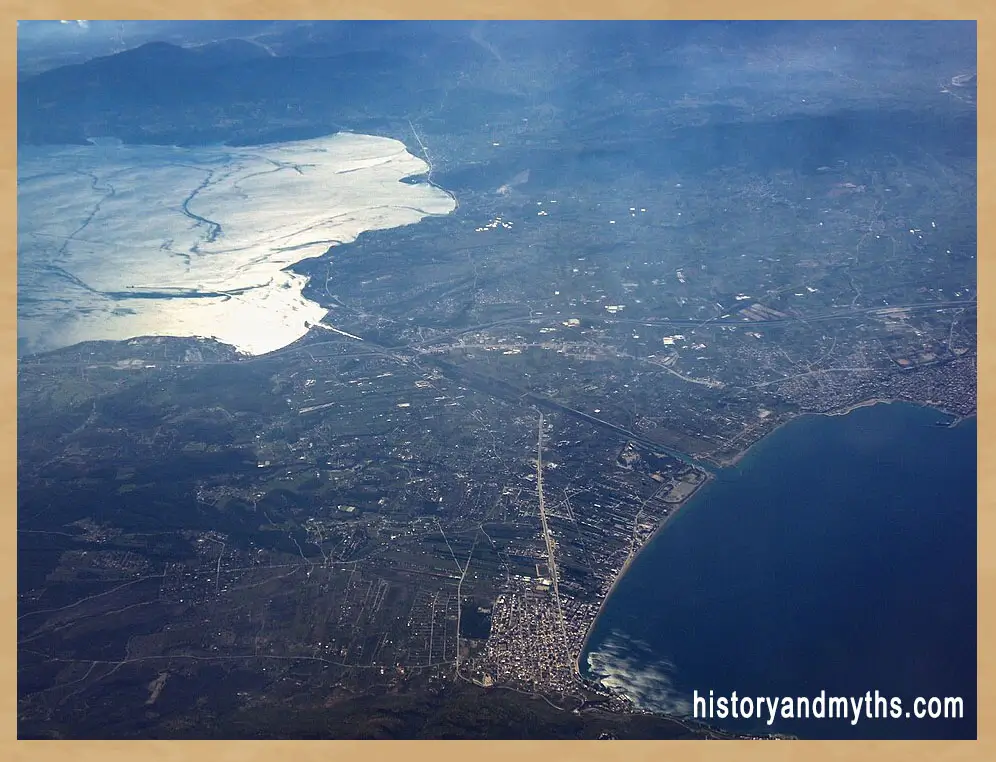
Corinth built much of its economic strength through movement control rather than territorial size or imperial expansion. Its position near the Isthmus allowed merchants, cargo, and commercial traffic to move between different parts of Greece through routes connected to both land and sea transportation systems.
This transit-based economy increased commercial flexibility because Corinth could profit from exchange activity, merchant movement, and regional connectivity without depending entirely on overseas dominance. Goods traveling through the region often passed near Corinthian trade networks linked to nearby ports and transportation corridors.
The city therefore functioned as a commercial gateway where geography itself supported continuous economic activity tied to circulation, access, and trade movement across southern Greece.
Athens and the Maritime Imperial Economy
Athens developed a far larger maritime economy built on naval power, overseas trade, and commercial influence across the Aegean Sea. Unlike Corinth, which focused heavily on movement through strategic corridors, Athens depended on controlling sea routes, protecting merchant shipping, and maintaining long-distance economic connections.
The port of Piraeus became central to this system by linking imported grain, merchant activity, shipbuilding, and regional commerce into a large urban economy connected to Mediterranean trade networks. Athens also relied heavily on imported resources, making maritime security essential for economic stability.
Naval dominance allowed Athens to project influence far beyond Attica itself. Economic power increasingly depended on controlling maritime access, securing trade routes, and maintaining commercial relationships across the wider Greek world.
Ports, Markets, and Commercial Networks
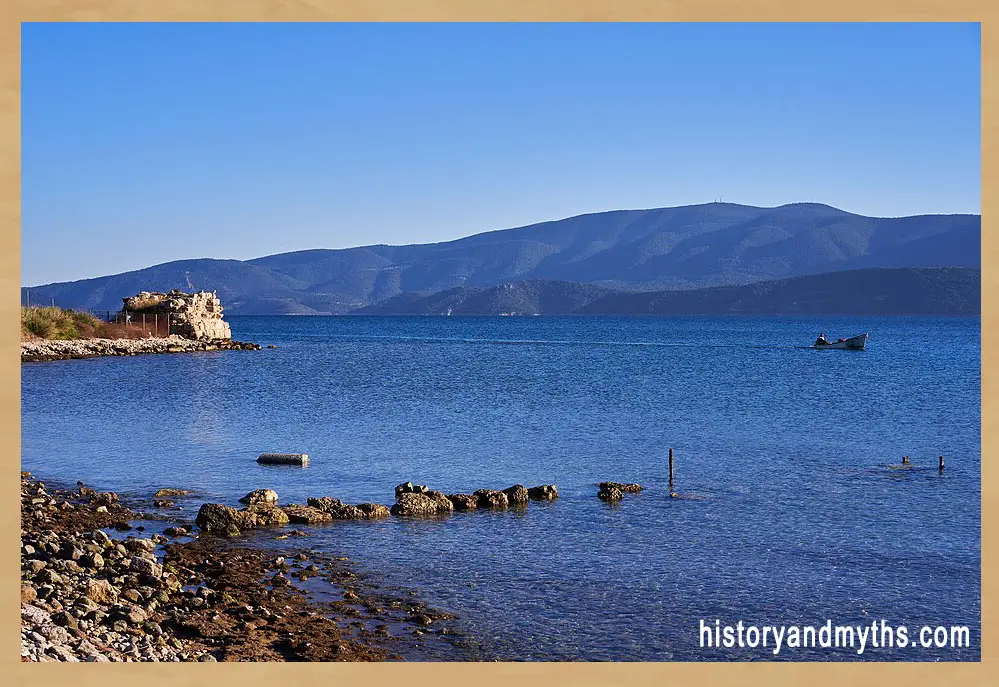
Both Corinth and Athens depended on ports and marketplaces, but the scale and function of their commercial networks differed significantly. Corinth operated as a highly connected exchange center where merchants, cargo movement, and regional trade routes intersected through strategic transit corridors linked to nearby harbors.
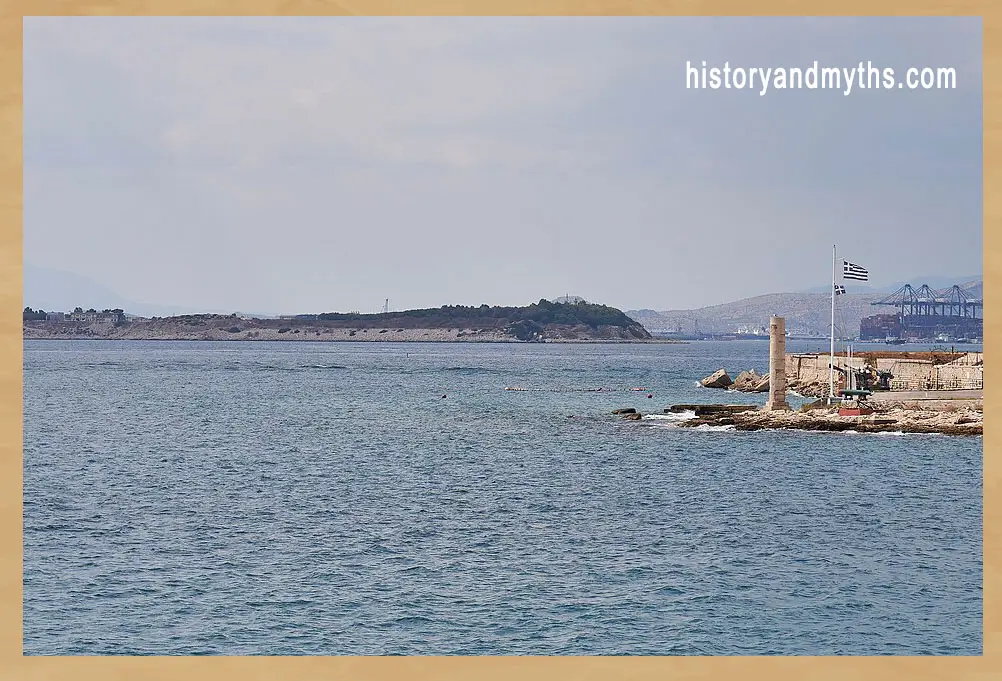
Athens developed a broader maritime commercial system centered around Piraeus, which functioned as one of the largest trade ports in the Greek world. Its markets handled imported grain, raw materials, manufactured goods, and maritime commerce arriving from multiple regions across the Mediterranean.
This difference affected how each economy operated. Corinth benefited from concentrated trade movement passing through strategic geography, while Athens managed a larger naval-commercial network tied to overseas access and maritime influence.
Merchant Activity and Economic Flexibility
Merchant activity operated differently in Corinth and Athens because each city depended on separate forms of commercial organization. Corinth benefited from flexible regional exchange supported by merchants moving through strategic trade corridors connected to land and sea transportation routes.
Athens relied on larger maritime systems involving overseas imports, naval protection, and commercial relationships extending across the Aegean and eastern Mediterranean. Merchant activity in Athens therefore became closely tied to maritime infrastructure and long-distance shipping networks.
This distinction shaped economic flexibility in different ways. Corinth adapted through strategic connectivity and commercial circulation, while Athens depended more heavily on maintaining maritime access and stable overseas trade routes.
Grain Supply and Economic Stability
Grain supply exposed another major difference between the two economic models. Athens depended heavily on imported grain because the agricultural capacity of Attica could not fully support its large population and expanding urban economy. Securing maritime trade routes therefore became essential for long-term stability.
Corinth faced less dependence on large-scale overseas grain imports because its economy relied more on commercial mediation, regional exchange, and strategic trade movement rather than sustaining a massive maritime population center.
This difference affected economic priorities in both cities. Athens invested heavily in naval protection and maritime access to secure food supplies, while Corinth focused more on maintaining commercial connectivity across important transit routes.
Two Different Paths to Economic Power
Corinth and Athens became major economic powers through fundamentally different systems. Corinth relied on strategic transit trade and merchant connectivity linked to the Isthmus, while Athens expanded through naval dominance, maritime commerce, and large-scale overseas trade networks centered around Piraeus.
© historyandmyths.com — Educational use
Naval Power vs Strategic Position
The contrast between Athens and Corinth became especially clear in the relationship between naval power and geographic positioning. Athens expanded its economy through military and maritime projection, using naval dominance to protect shipping routes, secure imports, and influence commercial activity across the Aegean.
Corinth relied less on large-scale naval control and more on the advantages created by its location near the Isthmus. Its economy benefited from supervising movement between regions where merchants and cargo passed through critical land and sea corridors.
Athens therefore projected economic influence outward through maritime strength, while Corinth generated power by controlling access through strategic geography inside the Greek world.
Which Economic Model Was More Sustainable?
The sustainability of each economic model depended on different strengths and vulnerabilities. Corinth benefited from geographic flexibility because its economy relied on strategic connectivity, regional exchange, and commercial movement that could continue without maintaining a large maritime empire.
Athens achieved far greater economic scale, but this system required continuous naval protection, secure overseas trade routes, and stable access to imported grain. Economic disruption at sea could therefore create serious pressure on urban stability and population support.
Corinth’s model offered resilience through transit commerce and strategic positioning, while Athens pursued expansion through maritime dominance and imperial-scale trade networks. Each system generated wealth differently, but Athens depended far more heavily on maintaining external commercial control over long distances.
Long-Term Influence of Corinth and Athens
The economic systems developed by Corinth and Athens influenced the wider Greek world in different ways. Corinth demonstrated how strategic geography and commercial connectivity could generate long-term prosperity through movement control, merchant exchange, and regional trade circulation.
Athens showed the potential of a large maritime economy supported by naval dominance, overseas commerce, and imperial-scale trade networks extending across the Aegean and eastern Mediterranean. Its economic model linked military power directly to commercial expansion and resource security.
Together, the two cities represent two distinct paths to economic influence in Ancient Greece. Corinth built strength through strategic positioning inside major trade corridors, while Athens expanded through maritime projection and control over wider commercial systems.
Economic Scale vs Economic Flexibility
Athens and Corinth generated wealth through different economic priorities, and this affected how flexible each system could remain during periods of instability. Athens operated on a far larger scale supported by naval infrastructure, overseas imports, tribute networks, and extensive maritime commerce connected to the Aegean world. This created enormous economic reach, but it also increased dependence on maintaining external control and uninterrupted shipping activity.
Corinth functioned differently. Its economy relied more on circulation, exchange, and strategic movement through the Isthmus rather than sustaining a large imperial maritime structure. Commercial flexibility became one of its greatest strengths because trade activity could continue through regional merchant networks without requiring direct control over distant territories.
This difference shaped how each city absorbed economic pressure. Athens pursued scale through maritime expansion, while Corinth maintained resilience through strategic commercial positioning and adaptable trade connectivity.
Piraeus vs Corinthian Harbors
The harbors connected to Athens and Corinth reflected the larger differences between their economic systems. Piraeus operated as a massive maritime-commercial center tied directly to Athenian naval power, imported grain, shipbuilding, and long-distance Mediterranean trade. The port handled large-scale commercial movement essential to sustaining the urban population and economic influence of Athens.
Corinth used harbor systems differently. Ports such as Lechaion and Kenchreai supported transit commerce moving between western and eastern trade routes connected through the Isthmus. Instead of functioning mainly as the center of a maritime empire, Corinthian harbors strengthened regional exchange and commercial movement between multiple transportation networks.
Piraeus represented imperial maritime scale, while Corinthian ports specialized in strategic connectivity and trade circulation between different parts of the Greek world.
State Influence and Economic Organization
Athens depended far more heavily on state-supported economic systems than Corinth. Naval infrastructure, maritime protection, tribute collection, and overseas trade security required continuous political organization and large public investment tied to the strength of the Athenian state.
Economic power in Athens therefore became closely connected to military capacity and imperial administration. The stability of maritime commerce depended on maintaining fleets, protecting shipping routes, and sustaining influence across allied regions connected to Athenian interests.
Corinth operated through a less centralized commercial structure. Merchant activity, strategic location, and regional exchange networks played a larger role than imperial administration itself. Economic influence emerged more from commercial access and movement control than from large-scale political management of overseas territories.
Economic Vulnerabilities During War
The strengths of both economies also created different forms of vulnerability during warfare. Athens faced serious risk whenever maritime trade routes or grain imports became threatened because urban stability depended heavily on continuous overseas supply movement. Naval disruption could quickly create economic pressure across the city.
Corinth faced different dangers. Because its economy depended on strategic movement corridors and commercial circulation through the Isthmus, regional instability or blocked transportation routes could reduce trade activity and weaken merchant exchange networks connected to its geographic position.
These vulnerabilities reveal how both economic systems depended on maintaining movement. Athens relied on secure maritime access, while Corinth depended on uninterrupted commercial connectivity across strategic trade corridors.
Which Model Influenced the Greek World More?
Athens and Corinth influenced the Greek economy in different ways because each represented a separate model of commercial power. Athens demonstrated how naval dominance, overseas trade, and maritime projection could support a large urban economy connected to imperial influence across the Mediterranean.
Corinth showed that geography itself could generate economic strength when commercial movement passed through strategic transit routes linking multiple regions together. Its model emphasized merchant circulation, trade flexibility, and movement control rather than imperial maritime expansion.
The larger long-term influence arguably came from Athens because its maritime-commercial system reshaped political and economic relationships across much of the Aegean world. Yet Corinth remained one of the clearest examples of how strategic positioning and commercial connectivity could produce sustained prosperity without building a large naval empire.
Key Takeaways
- Corinth and Athens developed two fundamentally different economic systems in Ancient Greece.
- Corinth depended heavily on transit trade, merchant exchange, and strategic geographic positioning.
- Athens built a larger maritime economy centered on naval power and overseas commerce.
- Piraeus became one of the largest commercial ports in the Greek world.
- Corinthian harbors strengthened trade circulation between eastern and western routes.
- Athens relied heavily on imported grain and maritime security for economic stability.
- Corinth maintained greater flexibility through strategic connectivity and commercial movement.
- The two cities demonstrate different approaches to economic influence inside the Greek Mediterranean world.
Frequently Asked Questions
What was the main economic difference between Corinth and Athens?
Corinth relied on transit trade and strategic commercial movement through the Isthmus, while Athens developed a large maritime economy supported by naval power and overseas trade.
Why was Corinth important to Greek trade?
Corinth controlled major land and sea trade corridors connecting mainland Greece with the Peloponnese and wider Mediterranean networks.
How did Athens build economic power?
Athens expanded through naval dominance, maritime commerce, imported grain, and large-scale trade networks centered around Piraeus.
What role did Piraeus play in the Athenian economy?
Piraeus functioned as the commercial and naval center of Athens, supporting shipping, trade, imports, and maritime infrastructure.
Why was Corinth considered a transit trade economy?
Its geographic position near the Isthmus allowed merchants and goods to move between important land and maritime routes through Corinthian trade networks.
How did grain supply affect Athens?
Athens depended heavily on imported grain, making maritime security and uninterrupted sea trade essential for economic stability.
Which economic model was more flexible?
Corinth’s system was generally more flexible because it depended on commercial circulation and strategic connectivity rather than maintaining a large maritime empire.
Did naval power shape the Athenian economy?
Yes. Naval dominance protected trade routes, secured imports, and allowed Athens to project commercial influence across the Aegean world.
Sources & Rights
- Bresson, Alain. The Making of the Ancient Greek Economy. Princeton University Press, 2016.
- Finley, Moses I. The Ancient Economy. University of California Press, 1999.
- Cartledge, Paul. Ancient Greece: A History in Eleven Cities. Oxford University Press, 2009.
- Osborne, Robin. Greece in the Making: 1200–479 BC. Routledge, 2009.
- Hansen, Mogens Herman. An Inventory of Archaic and Classical Poleis. Oxford University Press, 2004.
- Hornblower, Simon. The Greek World: 479–323 BC. Routledge, 2011.
- Thucydides. History of the Peloponnesian War. Academic translated editions.
- Xenophon. Hellenica. Academic translated editions.
- Strabo. Geographica. Academic translated editions.
- Pausanias. Description of Greece. Academic translated editions.
- Boardman, John. The Greeks Overseas. Thames & Hudson, 1999.
- Davies, John K. Democracy and Classical Greece. Harvard University Press, 1993.
- Murray, Oswyn. Early Greece. Harvard University Press, 1993.
- Snodgrass, Anthony. Archaic Greece: The Age of Experiment. University of California Press, 1980.
- de Polignac, François. Cults, Territory, and the Origins of the Greek City-State. University of Chicago Press, 1995.
- Morris, Ian. Archaeology as Cultural History. Blackwell Publishing, 2000.
- Meiggs, Russell. The Athenian Empire. Oxford University Press, 1972.
- MacDonald, Brian R. Corinth and the Strategic Economy of the Isthmus. Classical Studies publications.
- Gabrielsen, Vincent. Financing the Athenian Fleet. Johns Hopkins University Press, 1994.
- Casson, Lionel. Ships and Seamanship in the Ancient World. Johns Hopkins University Press, 1995.
Written by H. Moses — All rights reserved © Mythology and History