Fortress Cities in Ancient Greece and Their Defensive Power
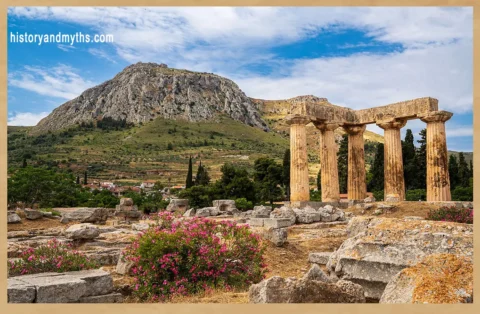
Fortress cities in Ancient Greece developed around defensive walls, elevated terrain, controlled access points, and urban layouts designed to protect populations during warfare and regional instability. Cities such as Mycenae, Acrocorinth, and Messene used fortified geography and defensive planning to strengthen security, territorial control, and long-term survival in a competitive political landscape.
These cities depended on more than military strength alone. Hills, acropolises, gates, and defensive barriers shaped how urban communities organized movement, protected resources, and prepared for conflict or siege conditions. In many regions, fortification became part of urban identity itself, turning some Greek cities into symbols of security, endurance, and strategic defense.
What Made a Greek City a Fortress City?
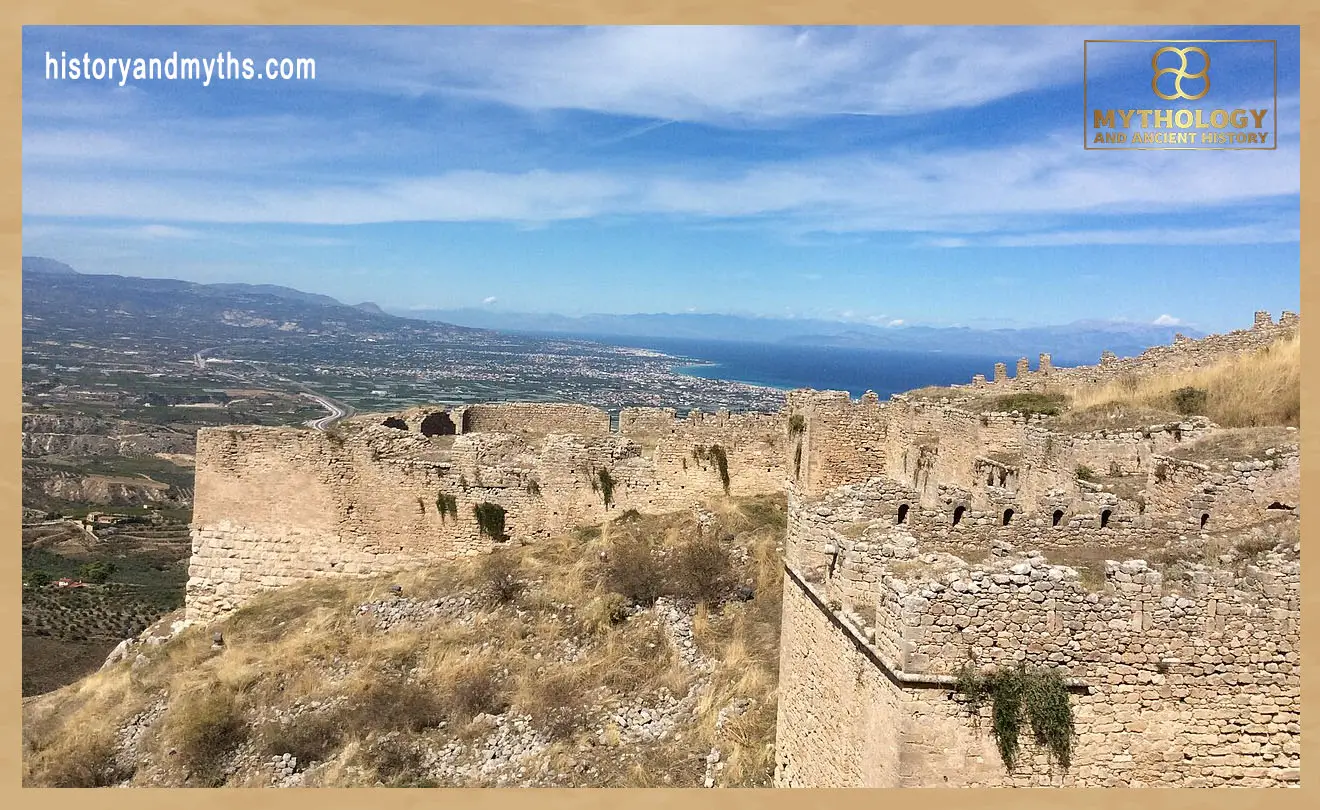
Fortress cities in Ancient Greece developed in locations where defensive geography, fortified construction, and controlled movement could improve protection during warfare or regional instability. Elevated terrain, steep approaches, natural barriers, and defensive walls allowed certain cities to reduce vulnerability and strengthen long-term security.
Urban organization inside these cities also reflected defensive priorities. Gates, restricted entry points, protected acropolises, and fortified perimeters helped control access and protect populations, resources, and political centers during periods of conflict.
Unlike cities shaped primarily by trade or maritime exchange, fortress cities depended heavily on survivability and defensive positioning. Their strength came from the ability to resist attack, secure territory, and maintain urban continuity under military pressure.
Fortress Cities in Ancient Greece
| Defensive Feature | Role in Urban Protection |
|---|---|
| Elevated Terrain | Improved visibility and defensive positioning |
| Fortified Walls | Protected populations and urban infrastructure |
| Controlled Gates | Restricted enemy access during conflict |
| Acropolis Systems | Provided refuge and elevated defense coordination |
| Siege Preparation | Supported long-term survival during warfare |
Geography and Defensive Positioning
Defensive geography played a central role in the development of many Greek fortress cities because hills, cliffs, narrow passes, and elevated terrain naturally reduced exposure to attack. Cities built on defensible landscapes could monitor surrounding territory more effectively and limit enemy movement toward important urban areas.
High ground also strengthened military visibility and communication during periods of conflict. Elevated positions made it easier to detect approaching forces, protect access routes, and maintain defensive control over nearby regions connected to the city.
Natural barriers often worked together with artificial fortifications to create layered defense systems. This combination allowed fortress cities to rely not only on walls, but also on terrain itself as part of long-term urban protection.
Mycenae and the Logic of Fortified Power
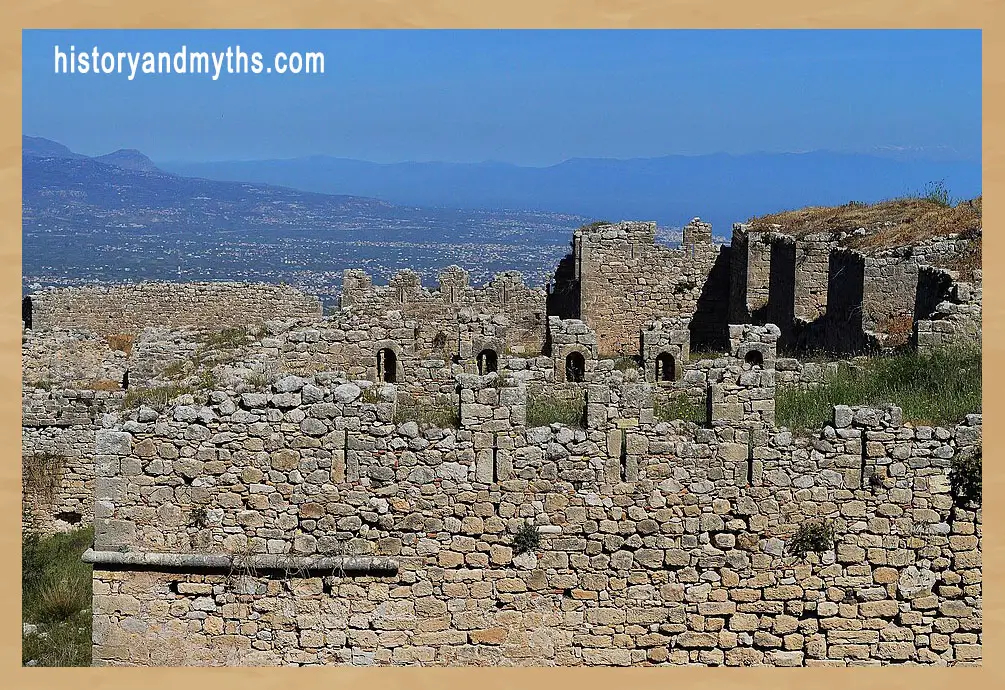
Mycenae became one of the strongest examples of a Greek fortress city because its urban design combined massive defensive walls, elevated positioning, and tightly controlled access routes intended to improve long-term protection. The city’s fortified structure reflected a political environment where security and survivability carried major importance.
Its famous Cyclopean walls also demonstrated how fortification could function as both practical defense and symbolic authority. The scale of these defenses projected strength while protecting important urban and administrative areas inside the city.
Mycenae therefore represented more than a heavily defended settlement. It showed how military pressure and territorial insecurity could shape the entire organization and identity of an urban center.
Walls, Gates, and Urban Protection
Walls and gates formed the core defensive structure of many Greek fortress cities because they controlled movement into urban areas and reduced vulnerability during attack. Fortified entrances limited direct access while allowing defenders to monitor and manage entry points connected to the city.
Gates were especially important because they represented the weakest parts of defensive systems during conflict. Many fortress cities therefore designed narrow approaches, reinforced entrances, and layered barriers intended to slow enemy movement and improve urban protection.
Defensive walls also helped shield important political, residential, and storage areas inside the city. Fortification systems were designed not only to resist invasion, but also to preserve internal stability during periods of military pressure or siege.
Defense Shaped the Structure of Fortress Cities
Some Greek cities developed around defensive geography, fortified walls, elevated acropolises, and controlled access systems designed to improve urban survival during warfare and regional instability. Protection became a defining part of their political and urban identity.
© historyandmyths.com — Educational use
Acropolises and Elevated Defense Systems
Acropolises became central defensive features in many Greek fortress cities because elevated strongholds provided protection for political centers, religious spaces, and populations during periods of danger. Their position on high ground improved visibility, defensive coordination, and resistance against direct assault.
These elevated areas also functioned as emergency refuges when outer sections of the city became vulnerable during warfare or siege conditions. Defensive retreat into protected high points increased the chances of urban survival during prolonged conflict.
The acropolis therefore carried both strategic and symbolic importance. Beyond military protection, it reinforced the image of the city as a secure and defensible community capable of enduring regional instability and external threat.
Life Inside Fortress Cities During Conflict
Life inside Greek fortress cities changed significantly during conflict because urban survival depended on preparation, resource control, and defensive coordination. Populations facing siege conditions often relied on stored food, protected water access, and fortified refuge areas capable of supporting civilians during prolonged instability.
Movement inside the city also became more controlled during periods of danger. Defensive authorities monitored gates, secured vulnerable areas, and organized protection around strategic points connected to storage, administration, and urban defense.
These pressures shaped daily life in ways less common in open commercial or agricultural cities. Fortress communities developed around the constant possibility of attack, making security and endurance central parts of urban organization.
Why Fortress Cities Became Strategically Important
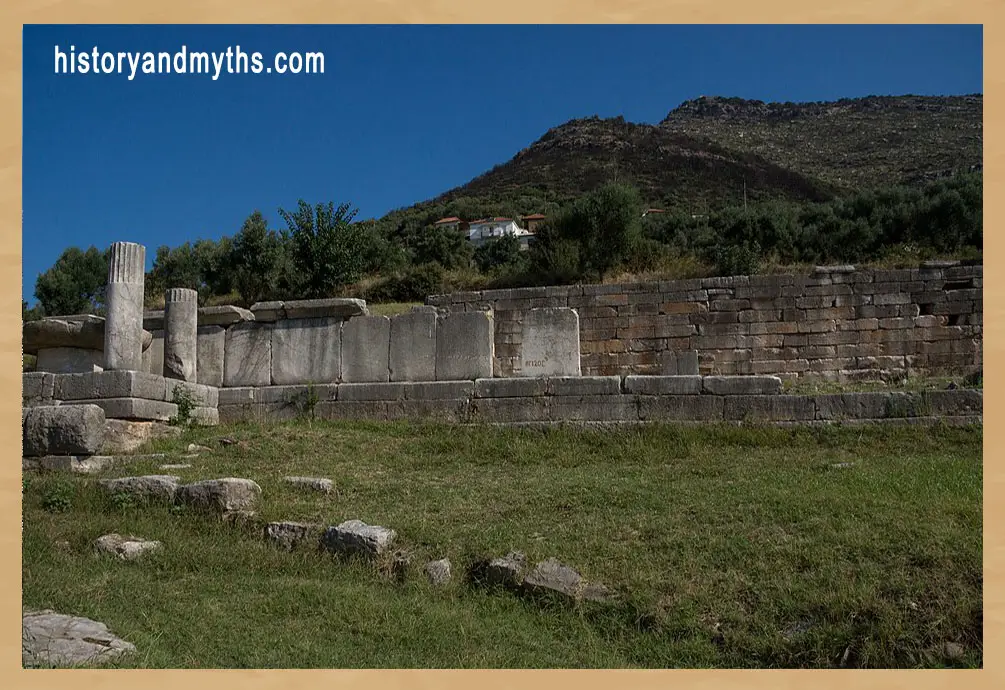
Fortress cities gained strategic importance because strong defensive positioning allowed them to protect territory, secure movement routes, and survive periods of regional warfare more effectively than vulnerable open settlements. Cities controlling elevated terrain or fortified access points often became valuable political and military centers within the Greek world.
Their defensive strength also influenced regional power balances. Fortified cities could resist invasion longer, maintain authority during instability, and provide secure refuge for populations and leadership during conflict.
In many cases, strategic fortification strengthened long-term urban survival by reducing the risk of sudden collapse during military crises or territorial competition between rival Greek states.
Limits and Weaknesses of Fortress Cities
Fortress cities still faced major limitations despite their defensive advantages because long sieges, supply shortages, and isolation could weaken urban stability over time. Strong walls alone could not guarantee survival if food reserves, water access, or external support became insufficient during prolonged conflict.
Defensive concentration also created economic pressure in some regions. Cities heavily focused on protection sometimes faced restrictions on expansion, trade movement, or agricultural access compared to more open urban centers connected to broader commercial networks.
In certain cases, fortress systems became vulnerable when enemies adapted to siege warfare or gained control of surrounding territory. Defensive strength therefore depended not only on walls and geography, but also on the city’s ability to sustain itself under continuous pressure.
How Defense Shaped Urban Identity
Defense shaped the identity of many Greek fortress cities by making security, endurance, and territorial protection central parts of urban life. Some cities became known primarily for their fortified positions, defensive walls, and ability to survive regional conflict rather than for trade, maritime influence, or intellectual activity.
This defensive identity influenced how urban communities organized space, movement, and political priorities. Fortification systems affected where populations gathered, how access was controlled, and how authority projected stability during periods of uncertainty.
Over time, certain fortress cities developed reputations closely tied to resilience and military preparedness, reinforcing their status as protected centers capable of resisting external pressure in an unstable political landscape.
Key Takeaways
- Greek fortress cities developed around defensive planning and protected geography.
- Elevated terrain improved visibility and reduced vulnerability during attack.
- Mycenae became one of the strongest examples of fortified urban design.
- Walls and gates controlled movement and strengthened urban protection.
- Acropolises functioned as elevated refuge and defense systems.
- Siege preparation shaped daily life during periods of conflict.
- Fortress cities remained vulnerable to long-term isolation and supply pressure.
Frequently Asked Questions
What were fortress cities in Ancient Greece?
Fortress cities were Greek urban centers designed around defensive walls, elevated terrain, fortified gates, and protected urban layouts intended to improve survival during warfare.
Why were Greek fortress cities built on high ground?
Elevated terrain improved visibility, reduced vulnerability to attack, and strengthened defensive control over surrounding territory and access routes.
Why was Mycenae considered a fortress city?
Mycenae used massive Cyclopean walls, controlled entrances, and elevated defensive positioning to protect important political and urban areas.
What role did walls and gates play in fortress cities?
Walls and gates controlled movement, protected populations, and slowed enemy access during military conflict or siege conditions.
What was the purpose of the acropolis in Greek cities?
The acropolis functioned as an elevated defensive refuge that protected political, religious, and urban centers during periods of danger.
How did fortress cities survive during sieges?
Many fortress cities relied on food storage, protected water access, controlled movement, and defensive coordination during prolonged conflict.
Why were fortress cities strategically important?
Strong defensive positioning helped fortress cities protect territory, control routes, and maintain stability during regional warfare.
What weaknesses did fortress cities face?
Long sieges, supply shortages, isolation, and pressure on food resources could weaken fortress cities over time despite strong defenses.
Sources & Rights
- Snodgrass, Anthony. Archaic Greece: The Age of Experiment. University of California Press, 1980.
- Osborne, Robin. Greece in the Making: 1200–479 BC. Routledge, 2009.
- Cartledge, Paul. Ancient Greece: A History in Eleven Cities. Oxford University Press, 2009.
- Lawrence, A. W. Greek Architecture. Yale University Press, 1996.
- Morris, Ian. Archaeology as Cultural History. Blackwell Publishing, 2000.
- Hansen, Mogens Herman. An Inventory of Archaic and Classical Poleis. Oxford University Press, 2004.
- Winter, Frederick E. Greek Fortifications. University of Toronto Press, 1971.
- Lawrence, Arnold Walter. Greek Aims in Fortification. Oxford University Press, 1979.
- Biers, William R. The Archaeology of Greece. Cornell University Press, 1996.
- Murray, Oswyn. Early Greece. Harvard University Press, 1993.
- Hornblower, Simon. The Greek World: 479–323 BC. Routledge, 2011.
- Ober, Josiah. The Rise and Fall of Classical Greece. Princeton University Press, 2015.
- McNicoll, Anthony W. Greek Walls. Johns Hopkins University Press, 1997.
- Thucydides. History of the Peloponnesian War. Academic translated editions.
- Pausanias. Description of Greece. Academic translated editions.
- Strabo. Geographica. Academic translated editions.
- Xenophon. Hellenica. Academic translated editions.
- Loader, Nancy. Building in Cyclopean Masonry. British School at Athens Studies.
- Mylonas, George E. Mycenae and the Mycenaean Age. Princeton University Press, 1966.
- Pedley, John Griffiths. Greek Art and Archaeology. Pearson, 2011.
Written by H. Moses — All rights reserved © Mythology and History