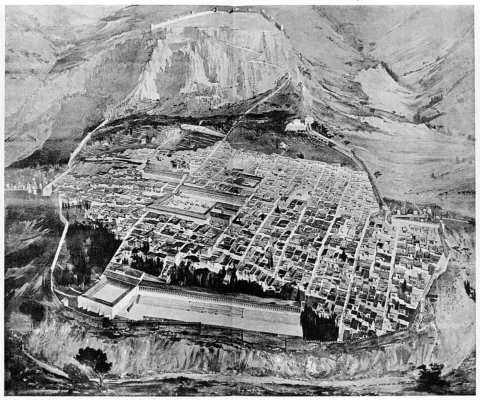
Why Sicily Became Crucial to Ancient Greek Trade Networks
Sicily became important to Greek trade because its fertile farmland, strategic location, and maritime connections allowed Greek cities to expand commercial networks across the Mediterranean while securing access to grain, ports, and western trade routes. Positioned between mainland Greece, Italy, North Africa, and the western Mediterranean, the island developed into one of the most valuable economic regions connected to the Greek world.
Greek cities in Sicily benefited from productive agricultural land and strong coastal access that supported shipping, commerce, and regional exchange. Ports such as Syracuse grew into major economic centers capable of influencing trade movement far beyond the island itself. Sicily therefore became more than a colonial frontier. It evolved into a strategic economic hub where geography, agriculture, and maritime trade combined to strengthen Greek influence across the Mediterranean.
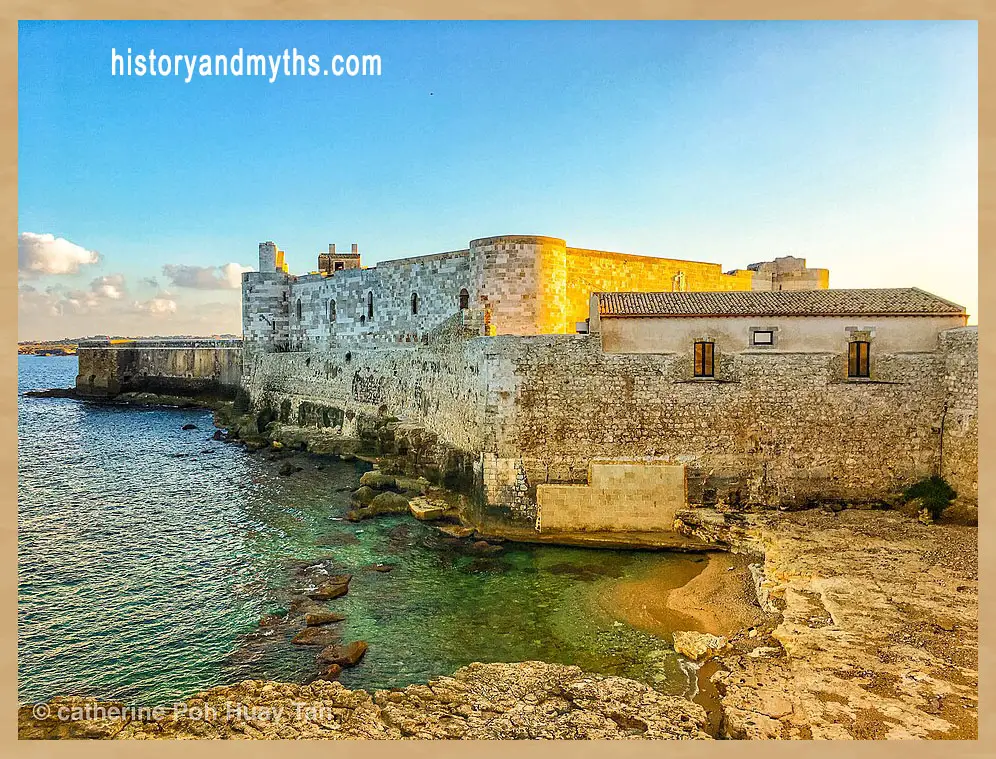
Why Sicily Mattered to the Greek World
Sicily became highly important to the Greek world because its location connected eastern Mediterranean trade networks with western commercial routes leading toward Italy, North Africa, and other parts of the central Mediterranean. This position allowed Greek cities on the island to participate in long-distance exchange while expanding economic influence beyond mainland Greece.
The island also offered resources that were difficult to ignore in a region where productive agricultural land remained limited. Fertile plains supported large-scale grain production capable of sustaining growing urban populations and strengthening regional trade activity.
Unlike smaller colonial settlements focused mainly on survival, many Greek cities in Sicily developed into economically significant urban centers with access to maritime trade, agricultural wealth, and strategic shipping routes at the same time.
Why Sicily Became Important to Greek Trade
| Economic Factor | Importance to Greek Trade |
|---|---|
| Strategic Location | Connected eastern and western Mediterranean trade routes |
| Fertile Agricultural Land | Supported large-scale grain production and food supply |
| Natural Harbors | Strengthened maritime commerce and shipping activity |
| Syracuse | Expanded regional economic and commercial influence |
| Western Mediterranean Access | Allowed Greek trade expansion beyond mainland Greece |
Sicily and Mediterranean Trade Routes
Sicily occupied a strategic position between the eastern and western Mediterranean, allowing Greek merchants and port cities to participate in shipping networks that connected multiple economic regions. Maritime routes passing near the island linked Greece with southern Italy, North Africa, and western trade zones that became increasingly valuable over time.
This geographic advantage strengthened commercial movement across Sicilian ports because ships traveling through the central Mediterranean could access secure harbors, exchange goods, and maintain long-distance maritime connections more efficiently than in many isolated coastal regions.
The island therefore became an important intersection for regional trade activity rather than a peripheral colonial territory at the edge of the Greek world.
Fertile Land and Grain Production
One of Sicily’s greatest advantages was its agricultural productivity. Large fertile plains allowed Greek cities on the island to produce grain on a scale difficult to match in many mountainous parts of mainland Greece, where cultivable land was far more limited.
This agricultural surplus strengthened both urban growth and regional trade because grain remained essential for sustaining populations, supporting labor systems, and stabilizing commercial activity. Cities with reliable food production gained stronger economic resilience during periods of instability or regional competition.
Sicily therefore became valuable not only as a trade crossroads, but also as a major food-producing region capable of supporting long-distance economic networks across the Mediterranean.
Syracuse and Economic Expansion
Syracuse became one of the most powerful Greek cities in Sicily because it combined fertile agricultural territory with strong maritime access and strategic regional positioning. Its location allowed the city to participate in Mediterranean trade while benefiting from the economic stability created by nearby grain production and commercial exchange.
The city also expanded beyond local trade by strengthening shipping activity, attracting merchants, and increasing political influence across surrounding regions. Economic growth supported larger populations, urban development, and stronger regional authority compared to many smaller Greek settlements.
Syracuse therefore represented how Sicilian geography could transform a Greek city into a major economic center connected to both agricultural wealth and Mediterranean commerce.
Sicily Became a Mediterranean Economic Hub
Sicily gained major importance in the Greek world because its fertile farmland, strategic maritime location, and strong harbor systems connected agricultural production with Mediterranean trade networks. The island became one of the richest and most commercially valuable regions linked to Greek economic expansion.
© historyandmyths.com — Educational use
Ports, Harbors, and Maritime Commerce
Ports and natural harbors played a central role in Sicily’s economic importance because maritime trade depended on secure coastal access for shipping, storage, and regional exchange. Greek cities with reliable harbors could support merchant activity more effectively while maintaining stronger commercial links across the Mediterranean.
These coastal centers also increased the movement of goods between agricultural regions and maritime trade networks. Grain, pottery, metals, and imported products moved through Sicilian ports connected to broader commercial systems extending far beyond the island itself.
Harbor infrastructure therefore strengthened Sicily’s role as both a production center and a distribution point inside the Greek trading world.
Sicily as a Western Trade Gateway
Sicily became a gateway to western Mediterranean trade because its position allowed Greek cities to extend commercial activity beyond mainland Greece into regions connected to Italy, western sea routes, and North African exchange networks. The island helped Greek merchants participate in broader maritime systems that increased economic reach across the central Mediterranean.
This western access also strengthened Sicily’s long-term strategic value by connecting eastern Greek trade with expanding commercial opportunities farther west.
Competition and Economic Rivalry in Sicily
Sicily’s economic importance also created intense competition because control over its ports, farmland, and trade routes offered major strategic advantages in the central Mediterranean. Greek cities on the island faced constant pressure from rival powers seeking influence over regional commerce and maritime access.
Competition with Carthaginian interests became especially significant because both sides recognized Sicily’s value as a commercial and strategic crossroads. Economic control over the island often carried political and military consequences that extended far beyond Sicily itself.
This rivalry shows that Sicily was not simply a prosperous Greek region, but a critical economic zone connected to wider Mediterranean power struggles.
Why Sicily Became One of the Richest Greek Regions
Sicily became one of the richest regions connected to the Greek world because it combined fertile agricultural land, strategic maritime positioning, and active commercial networks within the same geographic space. Few areas offered access to large-scale grain production and major Mediterranean trade routes at the same time.
This economic combination supported urban expansion, stronger trade activity, and long-term regional influence for cities connected to the island’s agricultural and maritime systems. Wealth generated through farming, shipping, and commercial exchange strengthened Sicily’s importance far beyond its role as a colonial settlement.
Its prosperity therefore emerged from geography, trade access, and resource production working together inside one of the most strategically valuable regions in the Mediterranean.
Long-Term Influence of Sicilian Trade
The economic importance of Sicily continued to influence the Greek world for generations because the island remained connected to major Mediterranean shipping networks, agricultural production systems, and western commercial expansion. Trade activity centered around Sicilian ports helped sustain regional exchange between Greek cities and broader Mediterranean markets.
Sicily also demonstrated how geography could transform overseas Greek settlements into economically powerful urban regions rather than isolated colonial outposts. Its combination of fertile land, maritime access, and strategic positioning created a model of regional influence built on commerce and resource control.
Over time, the island became one of the clearest examples of how trade geography could reshape economic power within the wider Greek Mediterranean world.
Key Takeaways
- Sicily became strategically important because it connected eastern and western Mediterranean trade routes.
- Fertile plains allowed large-scale grain production that strengthened regional economic power.
- Syracuse developed into one of the strongest Greek commercial centers in the western Mediterranean.
- Natural harbors supported maritime trade, shipping activity, and long-distance commerce.
- Sicily helped expand Greek economic influence beyond mainland Greece.
- Competition over Sicilian trade routes increased regional political and commercial rivalry.
- The island became one of the wealthiest and most economically valuable Greek-connected regions.
Frequently Asked Questions
Why was Sicily important to Greek trade?
Sicily became important because its fertile land, strategic maritime position, and commercial harbors connected Greek cities to major Mediterranean trade networks.
How did Sicily support the Greek economy?
The island supported grain production, maritime commerce, and long-distance trade that strengthened economic activity across the Greek world.
Why was Syracuse economically powerful?
Syracuse combined strong harbor access, fertile agricultural territory, and strategic positioning that allowed the city to expand regional commercial influence.
How did Sicily connect eastern and western Mediterranean trade?
Sicily occupied a central maritime position between mainland Greece, Italy, North Africa, and western Mediterranean shipping routes.
Why was grain production important in Sicily?
Large fertile plains allowed Sicilian Greek cities to produce agricultural surpluses that supported trade, urban growth, and food supply systems.
How did Sicilian ports support commerce?
Natural harbors improved shipping activity, merchant access, and the movement of goods between Mediterranean trade regions.
Why did Sicily become economically competitive?
The island’s commercial wealth and strategic trade routes attracted rivalry between Greek cities and other Mediterranean powers seeking regional influence.
Did Sicily influence long-term Greek expansion?
Sicily helped extend Greek economic and maritime activity farther into the western Mediterranean through trade and commercial integration.
Sources & Rights
- Boardman, John. The Greeks Overseas. Thames & Hudson, 1999.
- Bresson, Alain. The Making of the Ancient Greek Economy. Princeton University Press, 2016.
- Finley, Moses I. The Ancient Economy. University of California Press, 1999.
- Cartledge, Paul. Ancient Greece: A History in Eleven Cities. Oxford University Press, 2009.
- Hornblower, Simon. The Greek World: 479–323 BC. Routledge, 2011.
- Osborne, Robin. Greece in the Making: 1200–479 BC. Routledge, 2009.
- Hansen, Mogens Herman. An Inventory of Archaic and Classical Poleis. Oxford University Press, 2004.
- Thucydides. History of the Peloponnesian War. Academic translated editions.
- Diodorus Siculus. Library of History. Academic translated editions.
- Strabo. Geographica. Academic translated editions.
- Pausanias. Description of Greece. Academic translated editions.
- Morris, Ian. Archaeology as Cultural History. Blackwell Publishing, 2000.
- Snodgrass, Anthony. Archaic Greece: The Age of Experiment. University of California Press, 1980.
- de Polignac, François. Cults, Territory, and the Origins of the Greek City-State. University of Chicago Press, 1995.
- Davies, John K. Democracy and Classical Greece. Harvard University Press, 1993.
- de Angelis, Franco. Archaic and Classical Greek Sicily: A Social and Economic History. Oxford University Press, 2020.
- Wilson, R. J. A. Sicily Under the Roman Empire. Aris & Phillips, 1990.
- Torelli, Mario. The Western Greeks. Getty Publications, 1995.
- Braudel, Fernand. The Mediterranean and the Mediterranean World in the Age of Philip II. University of California Press, 1995.
- Aubet, Maria Eugenia. The Phoenicians and the West. Cambridge University Press, 2001.
Written by H. Moses — All rights reserved © Mythology and History