Religious Cities in Ancient Greece and Sacred Power
Religious cities in Ancient Greece became influential because temples, sacred festivals, pilgrimage networks, and oracles transformed them into centers of spiritual authority and public prestige across the Greek world. Cities such as Delphi, Olympia, Delos, and Eleusis attracted visitors, offerings, and political attention far beyond their local populations because religion played a major role in Greek civic and interregional life.
These cities were shaped by more than belief alone. Sacred identity influenced economic activity, diplomatic relationships, urban reputation, and political influence inside the wider Greek world. Pilgrimage movement, temple wealth, and religious festivals connected certain cities to networks of prestige and authority that extended across multiple Greek regions and communities.
What Made a Greek City a Religious City?
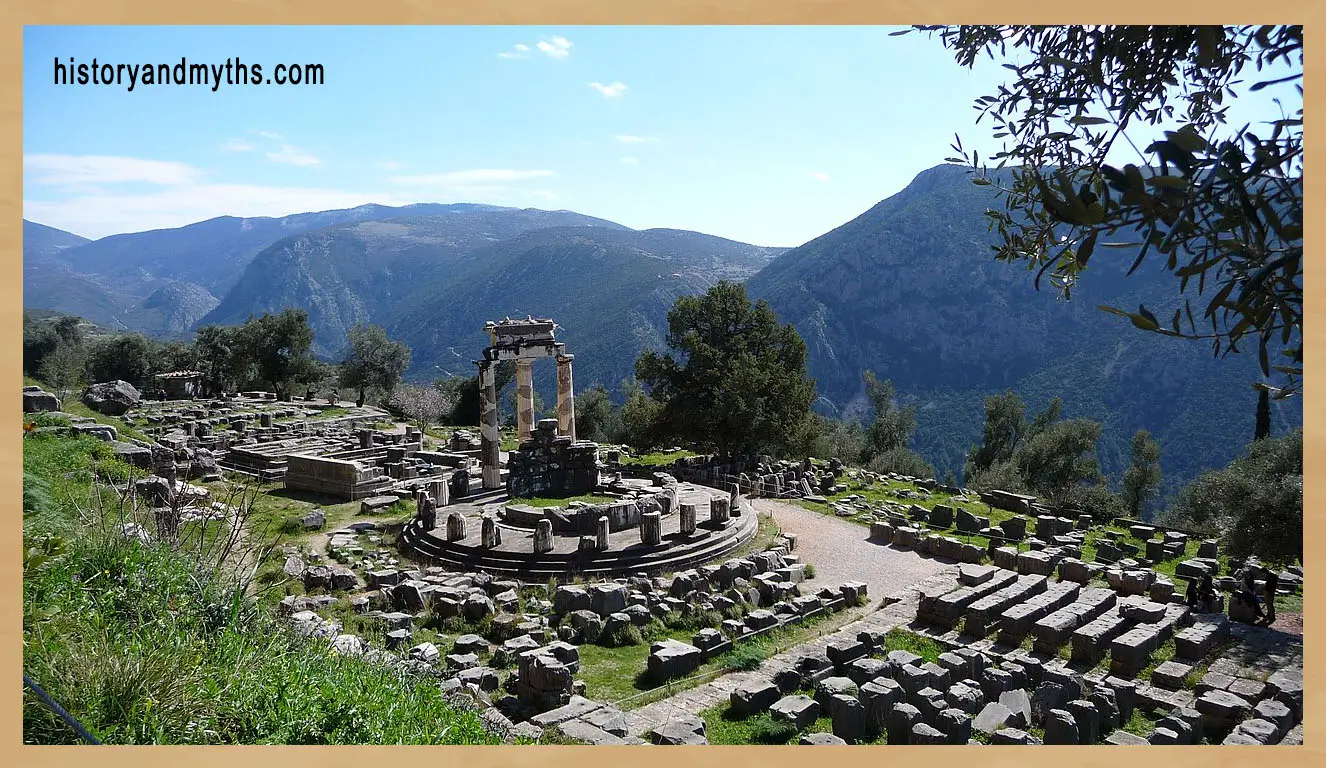
Greek religious cities gained importance because they became recognized centers of sacred authority, pilgrimage activity, and shared religious identity within the wider Greek world. Temples, oracles, festivals, and ritual traditions attracted visitors from multiple regions and transformed certain cities into destinations associated with spiritual prestige and public influence.
Religious significance also affected urban development and political reputation. Cities connected to major sanctuaries or panhellenic rituals often gained visibility far beyond their local territory because sacred status increased their importance in interregional Greek life.
Unlike ordinary cities that simply contained temples, religious cities became closely identified with specific sacred functions that shaped their economy, identity, and long-term influence across the Mediterranean Greek world.
Religious Cities in Ancient Greece
| Religious City Feature | Impact on Greek Urban Life |
|---|---|
| Major Sanctuaries and Temples | Increased sacred prestige and pilgrimage activity |
| Oracles and Sacred Authority | Strengthened political and diplomatic influence |
| Religious Festivals | Connected cities through panhellenic participation |
| Temple Economies | Generated sacred wealth and commercial movement |
| Pilgrimage Networks | Expanded cultural and interregional connections |
Delphi and Sacred Political Influence
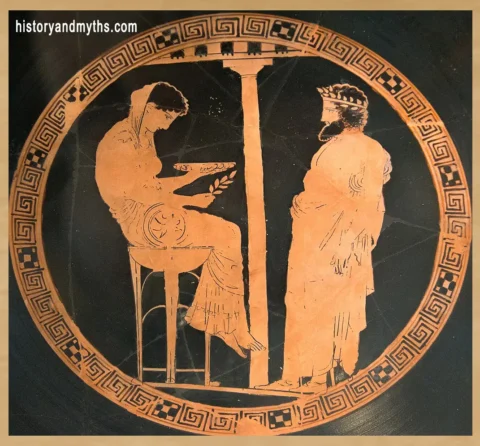
Delphi became one of the most influential religious cities in Ancient Greece because the sanctuary of Apollo and its oracle attracted political leaders, pilgrims, and delegations from across the Greek world. Decisions connected to war, colonization, alliances, and public policy were often linked to consultation with the Delphic oracle, giving the city influence far beyond its geographic size.
Sacred authority increased Delphi’s political importance by positioning it as a respected religious center shared by multiple Greek communities. Its prestige depended not on military dominance or commercial power, but on the belief that the sanctuary possessed spiritual legitimacy recognized across regional boundaries.
This religious influence also created diplomatic importance. Greek cities interacted at Delphi through offerings, consultations, and public displays of prestige that reinforced the sanctuary’s role as a panhellenic center of sacred authority.
Religious Festivals and Urban Power
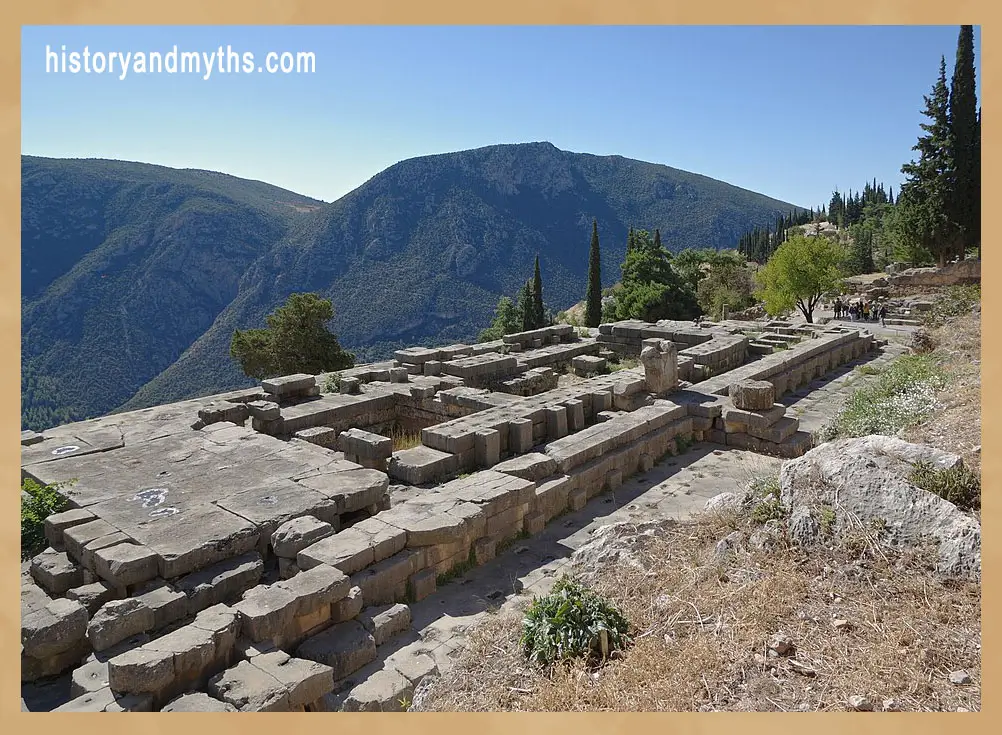
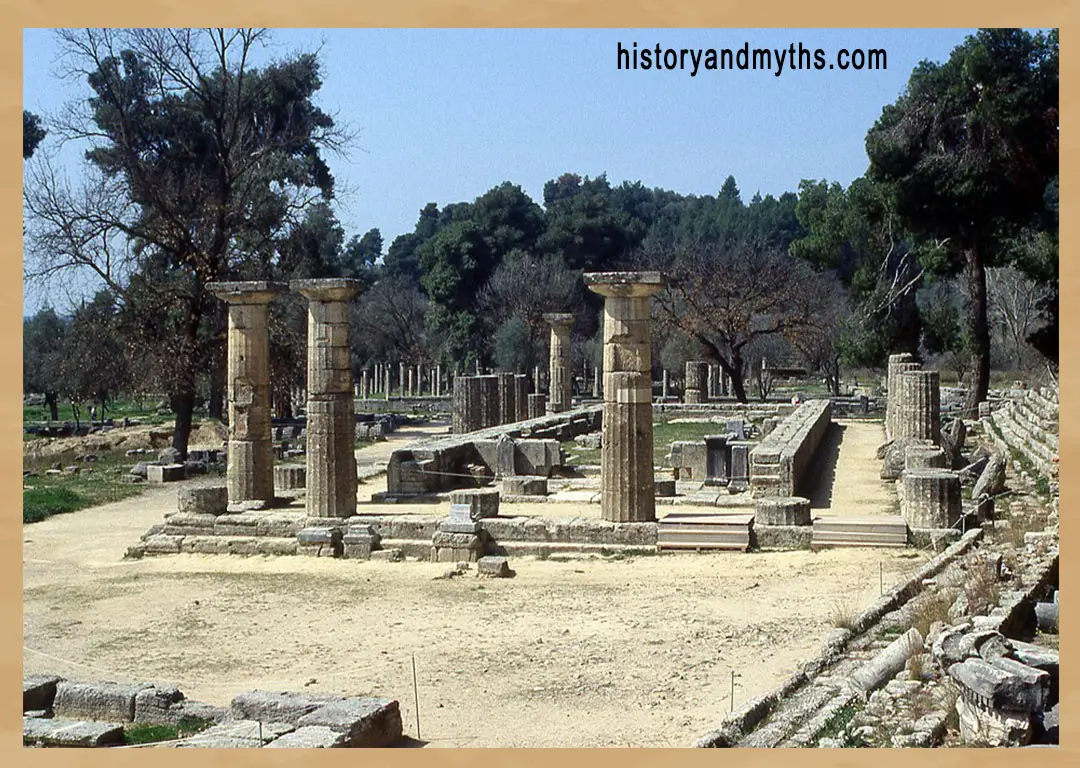
Religious festivals increased the influence of certain Greek cities by attracting large gatherings of visitors, pilgrims, athletes, officials, and delegations from across the Greek world. Events associated with sanctuaries such as Olympia transformed religious centers into temporary hubs of movement, prestige, and interregional interaction.
These festivals strengthened urban importance because they connected sacred identity with public visibility and economic activity. Visitors brought offerings, trade, and political attention that reinforced the status of cities hosting major religious celebrations.
Festival culture also helped some religious cities develop broader panhellenic influence. Shared participation in sacred events created connections between different Greek communities while increasing the reputation and symbolic authority of the host city itself.
Temple Economies and Sacred Wealth
Religious cities accumulated wealth through offerings, donations, sacred treasuries, and the continuous movement of pilgrims connected to major sanctuaries. Temples often controlled valuable resources that supported construction, ritual activity, maintenance, and broader urban development around sacred centers.
Sacred wealth also increased the visibility and prestige of religious cities within the Greek world. Public dedications from rulers, cities, and wealthy individuals reinforced the symbolic importance of sanctuaries while concentrating economic resources inside these religious environments.
In some cases, temple economies became closely connected to local commercial activity. Pilgrimage movement encouraged markets, hospitality, transport, and exchange systems that benefited cities associated with major sacred institutions.
Religion Shaped Certain Greek Cities
Some cities in Ancient Greece became powerful not through military conquest or trade alone, but through sacred prestige, pilgrimage activity, temple wealth, and religious authority recognized across the Greek world.
© historyandmyths.com — Educational use
Pilgrimage Networks and Movement Between Cities
Pilgrimage networks connected religious cities to wider Greek communities through continuous movement between sanctuaries, festivals, and sacred destinations. Travelers visiting places such as Delphi, Olympia, Delos, or Eleusis helped create routes of communication and interaction that extended across different regions of the Greek world.
These movements increased the influence of religious cities by linking them to broader cultural and political networks beyond their local territory. Pilgrims carried offerings, information, diplomatic contact, and economic activity between cities connected through shared religious traditions.
Sacred travel also strengthened panhellenic identity by encouraging participation in institutions recognized across regional boundaries. Religious cities therefore became important centers of connection within a fragmented Greek political landscape made up of independent poleis.
Why Religious Cities Became Politically Important
Religious cities gained political importance because sacred authority could influence diplomacy, alliances, and public legitimacy across the Greek world. Sanctuaries respected by multiple communities often became neutral spaces where cities interacted through offerings, consultations, and ceremonial participation.
Political leaders also used religious centers to strengthen prestige and demonstrate public devotion before wider Greek audiences. Monumental dedications, treasuries, and participation in sacred festivals allowed cities to display influence in highly visible religious environments shared by rival powers.
Because religious authority crossed regional boundaries more easily than military control, some sacred cities developed influence that extended beyond the limits of ordinary political territory.
Continue Reading
- Trade Cities in Ancient Greece and Their Maritime Power
- Military Cities in Ancient Greece and Their War Culture
- How Religion Influenced Politics in Ancient Greece
- Temple Economies in Ancient Greek Society
Sacred Identity and Urban Reputation
Some Greek cities became known primarily for their sacred status rather than for military expansion or commercial dominance. Religious identity shaped how these cities were perceived across the Greek world and influenced the kinds of influence they could exercise within interregional networks.
Sacred reputation attracted pilgrims, dedications, and political attention that reinforced the authority of major sanctuaries over long periods of time. Cities associated with respected religious institutions often gained symbolic prestige that exceeded their military or economic size.
This reputation also created lasting cultural importance. Certain religious centers became closely linked to prophecy, ritual traditions, athletic festivals, or mystery cults that distinguished them from other Greek poleis and strengthened their unique position within Greek civilization.
Risks and Competition Between Sacred Centers
Religious cities faced constant competition because sacred prestige, pilgrimage movement, and panhellenic influence could shift over time between major sanctuaries. Cities associated with important religious institutions often depended heavily on maintaining reputation, ritual significance, and political neutrality within the wider Greek world.
War and regional conflict also threatened sacred centers despite their religious status. Rival powers sometimes attempted to control influential sanctuaries because religious authority carried diplomatic and symbolic value beyond local territory.
Dependence on sacred prestige created additional vulnerability when political instability, declining pilgrimage activity, or external interference weakened the influence of major religious institutions connected to the city.
Key Takeaways
- Religious cities gained influence through sanctuaries, festivals, and sacred prestige.
- Delphi became politically important through the authority of the oracle of Apollo.
- Religious festivals increased urban visibility and panhellenic interaction.
- Temple economies generated wealth through offerings, donations, and pilgrimage movement.
- Pilgrimage networks connected cities across the Greek world.
- Sacred authority strengthened diplomacy and political legitimacy.
- Some cities became known primarily for their religious identity and prestige.
Frequently Asked Questions
What were religious cities in Ancient Greece?
Religious cities were Greek urban centers known for sanctuaries, sacred festivals, oracles, pilgrimage activity, and religious prestige across the Greek world.
Why was Delphi important in Ancient Greece?
Delphi became influential because the oracle of Apollo attracted political leaders, pilgrims, and delegations seeking sacred guidance and legitimacy.
How did religious festivals increase urban influence?
Major festivals attracted visitors, trade, offerings, and political attention that strengthened the prestige of religious cities.
What was a temple economy in Ancient Greece?
Temple economies were systems supported by offerings, donations, sacred treasuries, pilgrimage activity, and commercial movement around sanctuaries.
How did pilgrimage networks connect Greek cities?
Pilgrims traveling between sanctuaries created routes of communication, exchange, and shared religious participation across different regions.
Why did religious cities gain political influence?
Sacred authority strengthened diplomacy, legitimacy, and interregional prestige beyond ordinary political or military power.
What made a city different from an ordinary city with temples?
Religious cities became widely recognized for specific sacred functions that shaped their identity, economy, and long-term influence.
Did religious cities compete with each other?
Yes. Sacred centers competed for prestige, pilgrimage movement, offerings, and influence within the wider Greek world.
Sources & Rights
- Burkert, Walter. Greek Religion. Harvard University Press, 1985.
- Mikalson, Jon D. Ancient Greek Religion. Wiley-Blackwell, 2010.
- Price, Simon. Religions of the Ancient Greeks. Cambridge University Press, 1999.
- Scott, Michael. Delphi: A History of the Center of the Ancient World. Princeton University Press, 2014.
- Kindt, Julia. Rethinking Greek Religion. Cambridge University Press, 2012.
- Osborne, Robin. Greece in the Making: 1200–479 BC. Routledge, 2009.
- Cartledge, Paul. Ancient Greece: A History in Eleven Cities. Oxford University Press, 2009.
- Parker, Robert. On Greek Religion. Cornell University Press, 2011.
- Bowden, Hugh. Classical Athens and the Delphic Oracle. Cambridge University Press, 2005.
- Rutherford, Ian. State Pilgrims and Sacred Observers in Ancient Greece. Cambridge University Press, 2013.
- Hornblower, Simon. The Greek World: 479–323 BC. Routledge, 2011.
- Hansen, Mogens Herman. An Inventory of Archaic and Classical Poleis. Oxford University Press, 2004.
- Malkin, Irad. A Small Greek World: Networks in the Ancient Mediterranean. Oxford University Press, 2011.
- Finley, Moses I. The Ancient Economy. University of California Press, 1999.
- Rhodes, P. J. The Greek City States: A Source Book. Cambridge University Press, 2007.
- Boardman, John. The Greeks Overseas. Thames & Hudson, 1999.
- Burford, Alison. Land and Labor in the Greek World. Johns Hopkins University Press, 1993.
- Ober, Josiah. The Rise and Fall of Classical Greece. Princeton University Press, 2015.
- Thucydides. History of the Peloponnesian War. Academic translated editions.
- Pausanias. Description of Greece. Academic translated editions.
Written by H. Moses — All rights reserved © Mythology and History