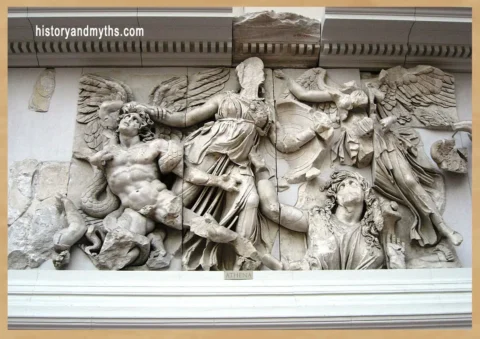
Madness in Greek Mythology: Divine Punishment and Loss of Control
In Greek mythology, madness was not usually portrayed as a medical condition or a personal weakness. It was often understood as a force sent by the gods—a punishment capable of stripping away judgment, self-control, and reason. While monsters threatened the body, madness threatened something even more fundamental: the mind itself.
This helps explain why stories of divine madness appear so frequently in Greek myth. Heroes, kings, warriors, and even entire communities could lose control of their actions when they offended a god, ignored a sacred boundary, or became victims of divine anger. The punishment was especially terrifying because it transformed people into the source of their own destruction.
By exploring madness in Greek mythology, we gain insight into how the Greeks understood human limits, responsibility, and the fragile nature of self-control. These myths reveal that one of the greatest fears in the ancient Greek imagination was not death at the hands of an enemy, but the possibility of losing command of one’s own mind.
What Madness Meant in Greek Mythology
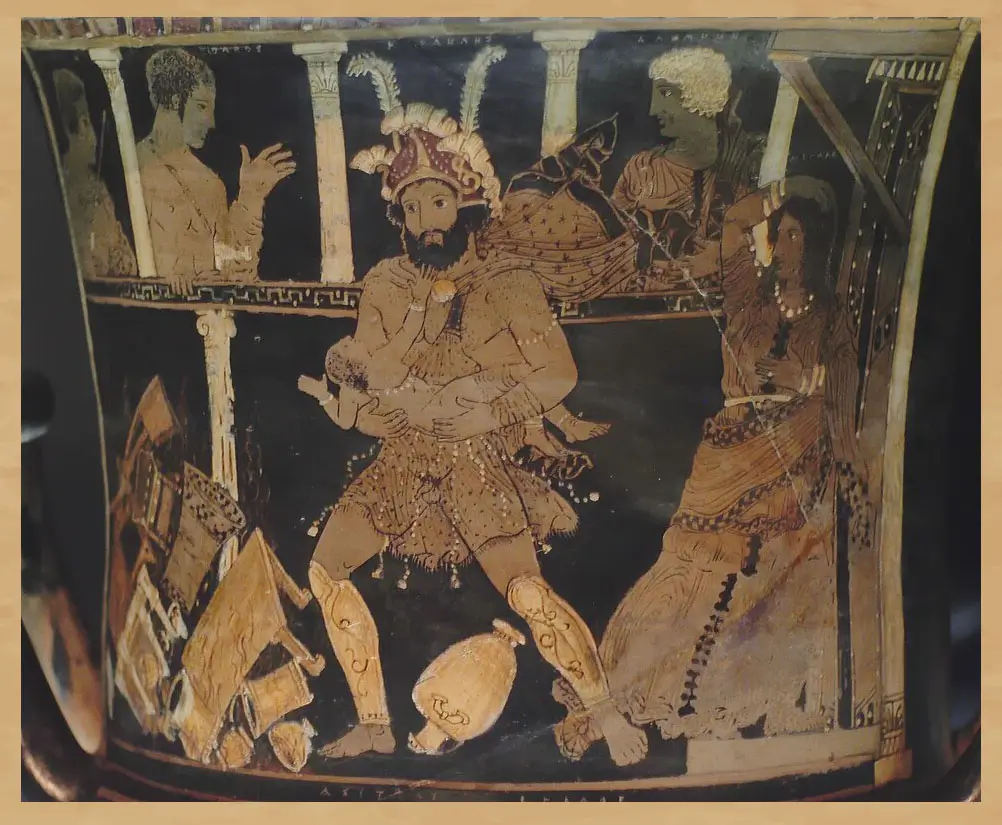
The Greeks did not usually view madness as a random event. In myth, it was often treated as a disruption of the normal relationship between human beings, reason, and the divine order. A person who lost control of the mind was no longer able to make sound judgments, recognize reality clearly, or act according to accepted social and moral standards.
This understanding differs from many modern interpretations. Greek myths rarely focus on the internal causes of madness. Instead, they present it as something that enters a person’s life from outside—through divine anger, a curse, overwhelming grief, or the influence of supernatural forces. The loss of reason is therefore not merely personal. It reflects a breakdown in the balance that should exist between humans, society, and the gods.
Because self-control was highly valued in Greek culture, madness represented one of the most serious forms of disorder. A warrior could lose physical strength and remain honorable. A ruler could lose power and recover it. But a person who lost command of the mind risked losing the ability to distinguish right from wrong, friend from enemy, or truth from illusion.
For this reason, madness occupies a unique place in Greek mythology. It is not simply another punishment among many others. It is a condition that attacks the very qualities that allow individuals to function as responsible members of society. The fear of madness was therefore closely connected to the fear of losing one’s identity, judgment, and place within the human world.
| Aspect | Madness in Greek Mythology | Ordinary Physical Punishment |
|---|---|---|
| Primary Target | Mind and judgment | Body |
| Source | Divine intervention | External force |
| Effect | Loss of self-control | Physical suffering |
| Symbolic Meaning | Human limits and vulnerability | Retribution or damage |
| Why It Was Feared | Destroyed reason and identity | Caused pain or death |
Why the Greeks Feared Losing Control
Greek culture placed great importance on self-control. Philosophers, lawmakers, military leaders, and poets frequently praised the ability to govern one’s emotions, desires, and actions. A person who could think clearly and act with restraint was considered capable of fulfilling both personal and social responsibilities.
Madness threatened all of these ideals at once. It removed the ability to make rational decisions and often led individuals to act against their own interests, values, or relationships. In myth, this loss of control could turn respected leaders into dangers to themselves and others. The greater a person’s status, the more dramatic the consequences could become.
This fear explains why madness appears so often in stories involving kings, heroes, and powerful figures. The Greeks understood that physical strength, wealth, and authority could become meaningless if a person lost the ability to direct their own mind. A ruler unable to think clearly could endanger an entire community. A hero deprived of judgment could destroy what he once protected.
As a result, madness represented more than personal suffering. It exposed a vulnerability shared by everyone, regardless of status or achievement. The myths suggest that the human mind itself was fragile and that maintaining control over it was one of the most important challenges of life.
Madness as Divine Punishment
In Greek mythology, madness was often presented as a punishment imposed by the gods rather than a condition that arose on its own. When individuals showed excessive pride, ignored divine authority, violated sacred obligations, or challenged the natural order, the gods could respond by disrupting their ability to think and act rationally.
This form of punishment was especially effective because it worked from within. Unlike a storm, a plague, or a monster, madness did not attack a person from the outside. It transformed their own mind into the source of danger. The victim remained physically present, yet their judgment became unreliable, making destructive actions possible without fully understanding their consequences.
The myths also suggest that divine punishment through madness carried a moral dimension. It was not merely about causing suffering. It demonstrated what could happen when humans forgot their limitations or acted as though they were beyond accountability. By losing control of their minds, they experienced the consequences of stepping outside the boundaries established by gods and society.
For Greek audiences, these stories reinforced an important lesson: power, success, and status did not place anyone beyond the reach of divine justice. A person could overcome enemies, accumulate wealth, or achieve fame, yet still remain vulnerable to a punishment that targeted the very faculty that made those achievements possible—reason itself.
Why the Gods Chose Madness Instead of Death
Many myths show the gods punishing people through madness rather than immediate death. This choice was significant because death ends a story, while madness transforms it. A person who loses control of the mind continues to live, but no longer acts according to reason, judgment, or personal values.
This made madness a more revealing punishment. The victim’s downfall unfolded in public, allowing others to witness the consequences of arrogance, disobedience, or moral failure. The damage often extended beyond the individual, affecting families, cities, and entire communities. In this way, madness served as both punishment and warning.
Madness also created a deeper form of suffering. Physical pain attacks the body, but madness undermines a person’s relationship with reality itself. Victims could become unable to recognize friends, understand their actions, or distinguish truth from illusion. The punishment therefore reached aspects of human life that physical force could not easily touch.
By using madness instead of death, the myths emphasize a recurring Greek idea: the greatest dangers are not always external. Sometimes the most destructive force is the loss of the judgment that allows people to govern themselves. In these stories, divine punishment becomes especially frightening because it attacks the mind rather than the body.
Why Madness Was So Terrifying
In Greek mythology, madness was feared because it attacked the mind rather than the body. Heroes could survive wounds, exile, or hardship, but losing reason meant losing the ability to make decisions, recognize reality, and control one’s actions.
- Madness was often portrayed as a divine punishment.
- It targeted judgment rather than physical strength.
- Heroes and rulers were especially vulnerable.
- The punishment often harmed entire communities.
- It reminded humans of their limits before the gods.
- The loss of self-control was seen as a form of personal destruction.
© historyandmyths.com
Heroes Destroyed by Their Own Minds
Greek mythology contains many examples of heroes who could overcome external enemies but struggled when the threat came from within. These figures were often brave, powerful, and respected, yet their achievements offered no protection once reason and self-control began to fail.
This pattern reveals an important idea about heroism in Greek thought. Physical strength could defeat a monster, but it could not guarantee sound judgment. A person might conquer enemies, complete impossible tasks, or win great victories and still remain vulnerable to fear, rage, grief, or divine influence. The mind was a battlefield just as dangerous as any physical conflict.
Stories involving heroes who lose control often emphasize tragedy rather than weakness. The audience is reminded that exceptional individuals remain human and therefore subject to the same limitations as everyone else. Their downfall becomes powerful precisely because it contrasts so sharply with their earlier success.
By portraying heroes as vulnerable to madness, Greek mythology challenges the idea that greatness brings complete security. The strongest warrior can still make catastrophic decisions if reason fails. These myths suggest that true human vulnerability lies not in the body but in the possibility of losing the judgment that guides action and gives meaning to achievement.
Madness and the Limits of Human Power
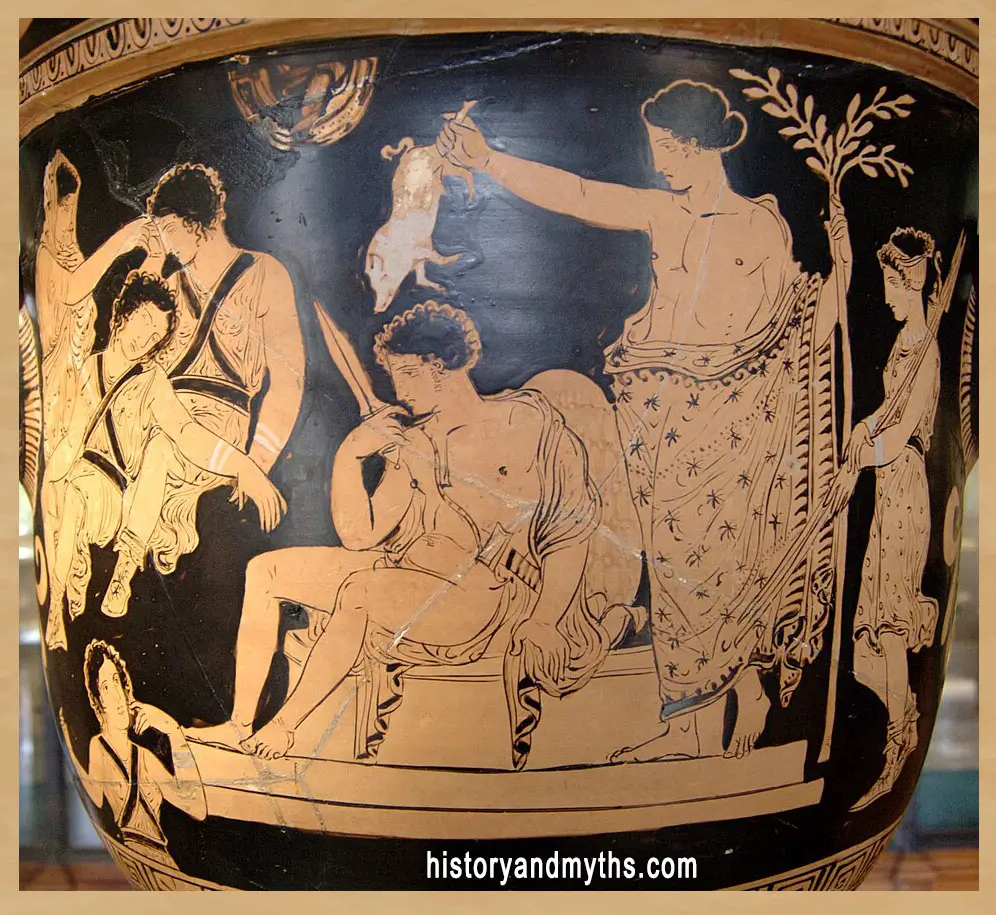
One of the recurring lessons of Greek mythology is that human power has limits. Heroes may possess extraordinary strength, intelligence, beauty, or influence, but none of these qualities make them equal to the gods. Madness often appears in myths as a reminder of this boundary.
Many figures who experience divine punishment are not ordinary people. They are kings, warriors, rulers, and celebrated heroes. Their status makes their downfall more significant because it demonstrates that no amount of success can eliminate human vulnerability. The very people who seem strongest are often those most dramatically reminded of their limitations.
This theme reflects a broader Greek concern with balance and moderation. Excessive confidence could lead individuals to believe they were beyond the normal rules governing human life. Madness served as a powerful correction, exposing how quickly certainty and control could disappear. The punishment revealed that human achievements remained fragile when measured against divine power.
For Greek audiences, these stories reinforced a practical lesson about humility. Greatness was admired, but it was expected to exist alongside an awareness of human limits. Madness became one of the clearest symbols of what could happen when those limits were forgotten or ignored. In that sense, the myths use the loss of reason to illustrate a larger truth: power is never absolute, and self-mastery can never be taken for granted.
What These Myths Revealed About Greek Society
Stories of divine madness reveal several values that were deeply important to Greek society. They show a culture that admired courage and achievement but also believed that success had to be balanced by self-control. Strength alone was never enough. A person was expected to govern emotions, respect limits, and act with sound judgment.
These myths also highlight the connection between individual behavior and social stability. When rulers, heroes, or leaders lost control of themselves, the consequences often affected entire communities. Madness therefore became more than a personal tragedy. It represented a threat to the order on which society depended.
Another recurring theme is accountability. Greek myths rarely portray human actions as insignificant. Choices matter, pride has consequences, and even powerful individuals remain subject to forces greater than themselves. Madness often appears when these boundaries are ignored, reinforcing the belief that no one stands completely outside moral or divine order.
Perhaps most importantly, these stories reveal how highly the Greeks valued reason. The ability to think clearly, make judgments, and control one’s actions was treated as one of the defining characteristics of a civilized human being. By portraying madness as the loss of those qualities, mythology demonstrates just how essential they were to the Greek understanding of a meaningful and ordered life.
Madness occupied a unique place in Greek mythology because it attacked the very qualities that defined a person. Unlike monsters, wars, or natural disasters, it did not threaten the body first. It threatened judgment, self-control, and the ability to understand reality. For the Greeks, this made it one of the most frightening forms of punishment imaginable.
The myths consistently portray madness as more than personal suffering. It could destroy families, undermine leadership, and transform respected individuals into sources of chaos. Whether sent by the gods as punishment or experienced as the consequence of crossing important boundaries, madness revealed how fragile human reason could be.
These stories also reflect broader Greek concerns about power, responsibility, and moderation. Heroes and rulers were admired for their achievements, but they were never considered beyond the limits of human nature. The loss of self-control served as a reminder that greatness required wisdom as much as strength.
Ultimately, Greek myths present madness as a force that exposes the limits of human certainty. By showing what happens when reason collapses, they emphasize the value of judgment, restraint, and self-mastery. In a culture that prized rational thought, few punishments could be more terrifying than losing control of one’s own mind.
Key Takeaways
- Madness in Greek mythology was commonly viewed as a divine force rather than a random condition.
- The Greeks feared madness because it destroyed reason and self-control.
- Many myths portray madness as a punishment for violating divine or moral boundaries.
- Heroes could defeat monsters yet remain vulnerable to the loss of judgment.
- Madness often affected families, rulers, and entire communities.
- The myths emphasize the limits of human power and the importance of moderation.
- Reason was considered one of the most valuable qualities a person could possess.
Frequently Asked Questions
What did madness mean in Greek mythology?
Madness was often portrayed as a divine force that disrupted reason, judgment, and self-control.
Why was madness feared by the Greeks?
Because it threatened a person’s ability to think clearly and act responsibly, which were highly valued qualities in Greek culture.
Was madness considered a punishment from the gods?
In many myths, yes. Madness frequently appears as a form of divine punishment or correction.
Which heroes experienced madness in Greek mythology?
Figures such as Heracles and Ajax are among the best-known examples associated with divinely influenced madness.
Why did the gods use madness instead of death?
Madness allowed punishment to unfold through the victim’s own actions, creating deeper personal and social consequences.
Did madness affect only heroes?
No. Myths portray rulers, warriors, families, and entire communities as vulnerable to madness.
What does madness symbolize in Greek myths?
It symbolizes the fragility of human reason and the limits of human power.
What lesson did these myths teach?
They emphasized moderation, humility, self-control, and respect for divine boundaries.
Sources & Rights
- Homer. The Iliad. Penguin Classics.
- Homer. The Odyssey. Penguin Classics.
- Hesiod. Theogony. Oxford World’s Classics.
- Aeschylus. Oresteia. Loeb Classical Library.
- Sophocles. Ajax. Loeb Classical Library.
- Euripides. Heracles. Loeb Classical Library.
- Apollodorus. Bibliotheca. Loeb Classical Library.
- Burkert, Walter. Greek Religion. Harvard University Press.
- Graf, Fritz. Greek Mythology: An Introduction. Johns Hopkins University Press.
- Buxton, Richard. The Complete World of Greek Mythology. Thames & Hudson.
- Johnston, Sarah Iles. The Story of Myth. Harvard University Press.
- Dodds, E. R. The Greeks and the Irrational. University of California Press.
- Vernant, Jean-Pierre. Myth and Thought Among the Greeks. Zone Books.
- Gantz, Timothy. Early Greek Myth. Johns Hopkins University Press.
- Nilsson, Martin P. A History of Greek Religion. Oxford University Press.
Written by H. Moses — All rights reserved © Mythology and History