Theseus and the Dark Side of Heroism in Greek Mythology
Theseus is often remembered as one of the greatest heroes of Greek mythology. He defeated the Minotaur, became a legendary king of Athens, and was celebrated as a symbol of courage and leadership. Yet when the full mythology surrounding his life is examined, a more complicated figure emerges. Unlike many heroic legends that focus only on triumphs, the myths of Theseus repeatedly reveal decisions that led to betrayal, suffering, and personal tragedy.
This contradiction lies at the heart of his story. Greek mythology does not portray Theseus as a flawless champion who always makes the right choice. Instead, it presents a hero capable of remarkable achievements while also showing the consequences of his mistakes. The same man who saved Athens abandoned allies, damaged relationships, and became involved in actions that challenged the very ideals heroes were expected to represent.
For this reason, the myth of Theseus offers more than an adventure tale about monsters and kings. It explores a deeper question about the nature of heroism itself. By looking beyond the famous victory over the Minotaur, we can see why Greek mythology treated Theseus as both a celebrated hero and a warning about the dangers that can accompany power, confidence, and success.
The Hero Who Unified Athens
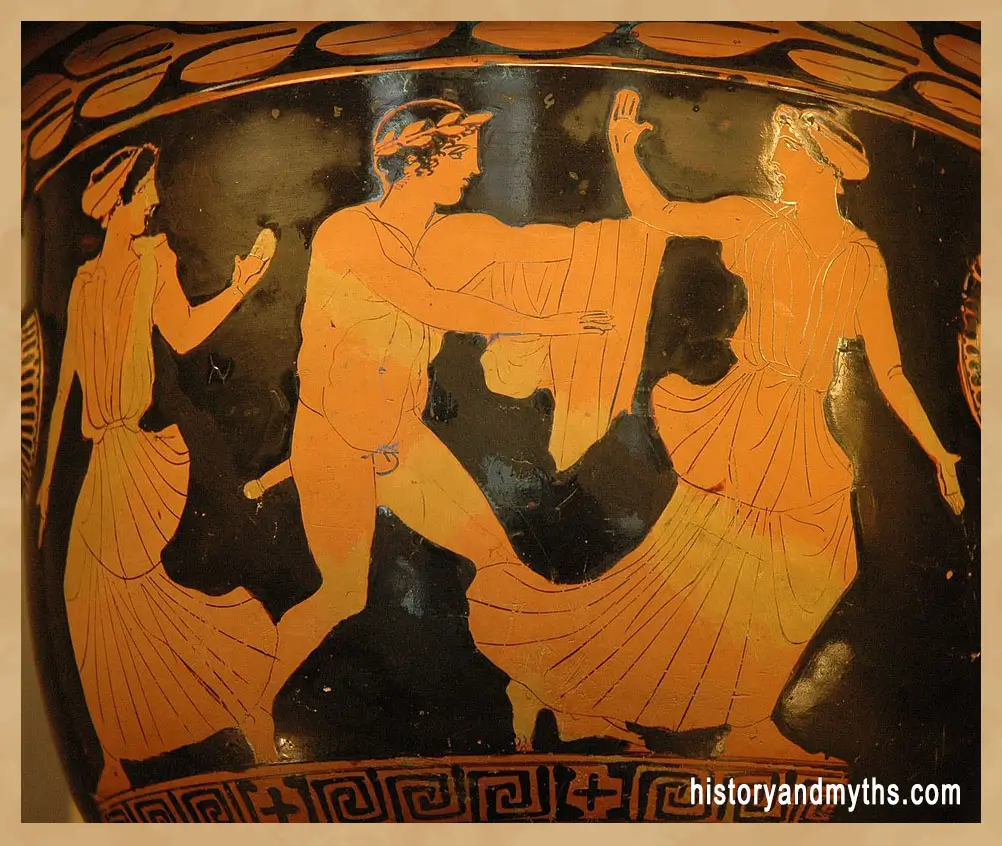
The reputation of Theseus was built on more than his victory over the Minotaur. For the Athenians, he became one of the most important cultural heroes because he was associated with the unification of Attica under the leadership of Athens. Ancient traditions credited him with transforming scattered communities into a single political entity, turning him into a symbol of civic identity as well as heroic strength.
This role helps explain why Theseus occupied a different position from many other Greek heroes. Achilles was remembered primarily for his actions during the Trojan War. Heracles was famous for overcoming impossible challenges. Theseus, however, became closely connected to the origins and development of Athens itself. His mythology served not only as entertainment but also as a way for Athenians to explain their collective past.
Because of this political significance, later generations often emphasized his successes. He appeared as a defender of order, a champion of the city, and a ruler who helped establish stability. These achievements earned him lasting admiration and made him one of the most celebrated figures in Greek mythology.
Yet this public image creates an important contrast that shapes the rest of his story. The same myths that praise Theseus for his accomplishments also preserve episodes that cast doubt on his judgment and character. Greek mythology could have presented him as an idealized founder whose actions were always noble and wise. Instead, it repeatedly introduces moments that complicate that image.
Understanding this contrast is essential to understanding the darker side of Theseus. His story is not about a hero who fails to achieve greatness. It is about a hero who achieves greatness and then forces audiences to confront the uncomfortable reality that greatness and virtue are not always the same thing.
| Myth Episode | Heroic Achievement | Dark Consequence |
|---|---|---|
| The Minotaur | Saved Athens from tribute to Crete | Ariadne’s abandonment complicates the victory |
| Helen | Displays heroic confidence and status | Raises questions about honor and power |
| Hippolytus | Acts as a powerful king and father | Poor judgment destroys his own family |
| Persephone Quest | Demonstrates fearlessness | Confidence becomes reckless ambition |
Why Greek Mythology Refused to Create Perfect Heroes
Modern audiences often expect heroes to represent moral ideals. They may struggle, make mistakes, or face difficult choices, but they are generally portrayed as people whose actions deserve admiration. Greek mythology followed a different approach. Its greatest heroes were rarely perfect, and their flaws were often as important as their achievements.
Theseus is one of the clearest examples of this tradition. The myths surrounding his life never attempt to hide his questionable decisions. Instead, they preserve them alongside his successes. This creates a more complex figure than the flawless champions found in many later heroic traditions.
Part of the reason lies in how the Greeks understood human nature. Heroism did not erase ambition, pride, desire, or poor judgment. A person could save a city and still make harmful decisions. They could perform extraordinary deeds and still cause suffering to those closest to them. The myths of Theseus repeatedly return to this idea.
This complexity also made heroes more useful as cultural figures. A perfect character can inspire admiration, but an imperfect one can provoke reflection. By showing both the strengths and weaknesses of its heroes, Greek mythology encouraged audiences to think about responsibility, leadership, and the consequences of individual choices.
The story of Theseus becomes far more interesting when viewed through this lens. The question is no longer whether he was a hero. His achievements clearly earned that title. The more important question is why Greek storytellers continued to preserve episodes that challenged his reputation. The answer begins with one of the most famous relationships in his mythology: Ariadne.
Ariadne and the First Crack in the Heroic Image
The story of Ariadne introduces one of the earliest moments in which the heroic reputation of Theseus begins to look less secure. Without her help, he would almost certainly have died inside the Labyrinth. Ariadne provided the thread that allowed him to navigate the maze, escape after killing the Minotaur, and return safely from Crete. In practical terms, she made his most famous victory possible.
Yet the relationship does not end with a heroic reward. After leaving Crete together, Theseus abandons Ariadne on the island of Naxos. Ancient sources offer different explanations for what happened. Some traditions suggest divine intervention, while others place responsibility more directly on Theseus. Regardless of the version, the result is the same: the woman who helped secure his greatest success is left behind.
What makes this episode significant is not simply the abandonment itself. It is the contrast it creates. The same hero who displays courage in confronting the Minotaur appears far less admirable when dealing with a person who trusted him. Greek mythology deliberately places these two images side by side rather than choosing only one of them.
This contrast reveals an important feature of Theseus’ character. His bravery is rarely questioned, but bravery alone is not enough to guarantee good judgment or loyalty. The myth suggests that a person can succeed in extraordinary public achievements while still failing important personal tests.
For readers, the episode serves as the first indication that the story of Theseus is not about a flawless champion. It is about a hero whose strengths and weaknesses remain closely intertwined. That tension becomes even more apparent in later myths, where his decisions affect not only companions and allies but entire families.
Why Theseus Matters Beyond the Minotaur
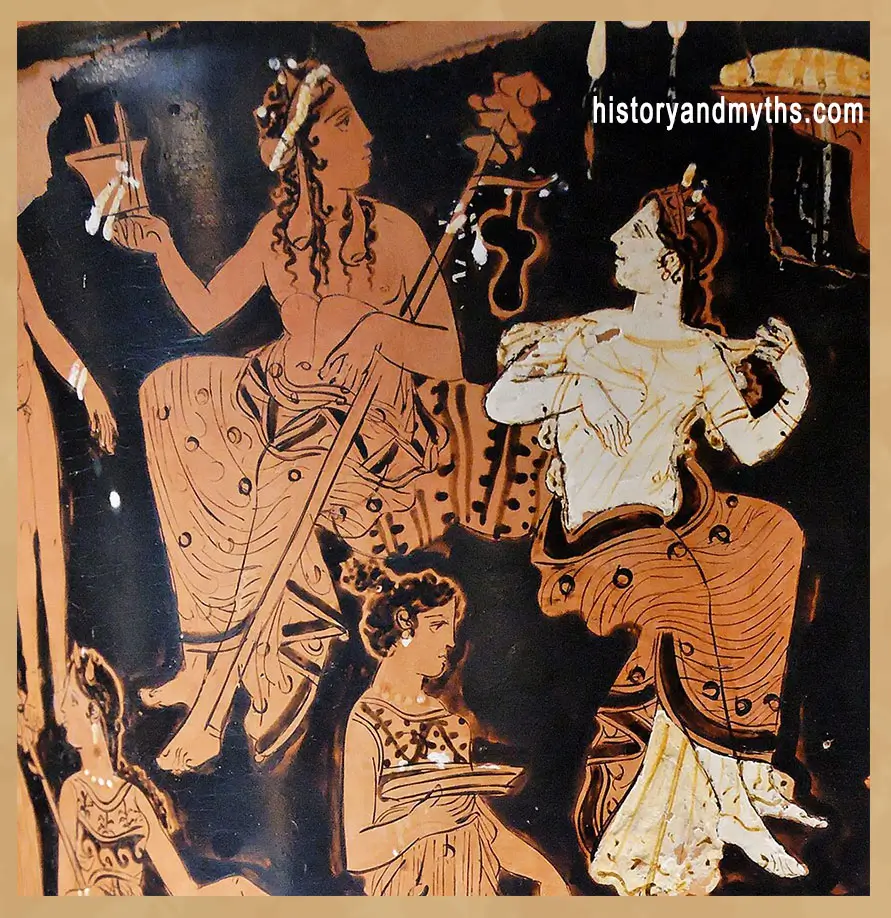
Most modern retellings focus on Theseus as the slayer of the Minotaur. Greek mythology, however, preserves a far more complicated figure. His later myths examine how power, success, and reputation can create moral blind spots, transforming a celebrated hero into one of the most complex characters in the Greek mythological tradition.
© historyandmyths.com — Educational Use
The Abduction of Helen and the Limits of Heroic Honor
One of the least discussed episodes in the mythology of Theseus involves Helen long before the events of the Trojan War. According to several ancient traditions, Theseus and his companion Pirithous abducted Helen while she was still very young, intending that she would eventually become Theseus’ wife. The story is striking because it conflicts sharply with the image of a hero acting as a defender of justice and order.
The importance of this episode lies not in its outcome but in what it reveals about heroic values. Modern readers often expect heroes to respect moral boundaries. Greek mythology was less interested in presenting ideal behavior and more interested in exploring the consequences of power. Theseus succeeds because he is strong, influential, and capable of extraordinary actions, but those same qualities sometimes lead him to believe that ordinary rules do not apply to him.
This pattern appears in several myths associated with his later life. Success gradually increases his confidence, and confidence sometimes develops into entitlement. The abduction of Helen reflects this transition. Instead of confronting a monster or protecting a city, Theseus uses his status to pursue a personal desire with little regard for its consequences.
The episode also serves an important narrative function. By including stories like this, Greek mythology prevents audiences from viewing heroism as a guarantee of virtue. A hero may accomplish great things and still make decisions that deserve criticism. The myths surrounding Theseus repeatedly emphasize this distinction.
For that reason, the story of Helen marks an important turning point in how his character is understood. The question is no longer whether Theseus can achieve extraordinary feats. The question becomes whether success has begun to cloud his judgment. That concern grows even stronger in the tragedies that later emerge within his own household.
Phaedra, Hippolytus, and the Consequences of Poor Judgment
The tragedy involving Phaedra and Hippolytus reveals a different side of Theseus’ flaws. Unlike the stories of monsters, quests, and heroic adventures, this episode centers on family, trust, and the dangers of acting without full knowledge of the truth.
According to the myth, Phaedra developed an illicit desire for Hippolytus, the son of Theseus. When her feelings were rejected, events unfolded in a way that led to accusations against Hippolytus. Faced with what appeared to be evidence of betrayal, Theseus reacted quickly and decisively. Rather than carefully investigating the situation, he accepted the accusation and called upon divine power to punish his son.
The tragedy lies in the fact that Hippolytus was innocent. By the time the truth emerged, the consequences could no longer be reversed. The disaster was not caused by a monster, an enemy army, or a hostile god. It resulted from a failure of judgment within Theseus’ own household.
This distinction is important because it marks a shift in the nature of his challenges. Earlier myths often test his courage. Here, the test involves wisdom and restraint. Physical strength offers no solution. Leadership requires patience, skepticism, and the ability to question one’s assumptions before acting.
Greek mythology frequently explores the damage caused by impulsive decisions, but the story of Hippolytus is especially powerful because the mistake comes from a celebrated hero. The same man who successfully navigated extraordinary dangers proves unable to navigate a personal crisis within his own family.
As a result, the myth expands the idea of what makes a hero fallible. Theseus does not fail because he lacks bravery. He fails because courage alone cannot replace sound judgment. The tragedy of Hippolytus reminds readers that some of the most destructive mistakes occur not on the battlefield but in moments when people believe they already know the truth.
When Confidence Turned Into Recklessness
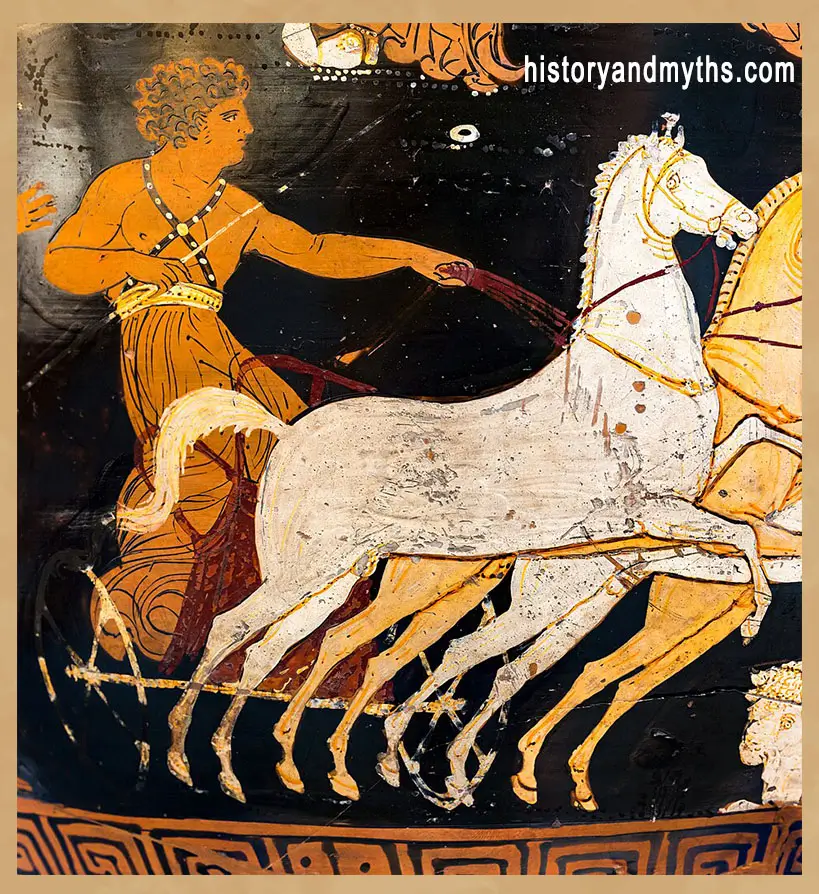
Many myths portray Theseus at his best when he confronts clear dangers. Faced with bandits, monsters, or external threats, he often acts decisively and succeeds. The later stages of his mythology, however, suggest that repeated success may have changed the way he viewed his own limits.
This development becomes especially visible in his friendship with Pirithous. The two heroes shared a reputation for courage and ambition, but together they began pursuing increasingly reckless goals. Their most notorious plan was a journey into the Underworld to abduct Persephone, the wife of Hades. Unlike earlier adventures, this was not a mission to protect others or defeat a threat. It was an attempt to take something that was never theirs to claim.
The episode is important because it highlights a recurring theme in Greek mythology: success can create overconfidence. Heroes who repeatedly overcome obstacles may begin to believe that no boundary applies to them. What starts as confidence gradually becomes recklessness.
For Theseus, this marks a significant shift from the hero who once used intelligence and determination to overcome genuine challenges. The problem is no longer a lack of courage. The problem is an inability to recognize limits. Greek mythology often treats this failure as dangerous because it encourages individuals to ignore the consequences of their actions.
The attempted abduction of Persephone therefore serves as more than a strange adventure. It demonstrates how heroic status can distort judgment when it is no longer balanced by restraint. Theseus’ greatest victories had taught him what he could accomplish. They had not necessarily taught him when he should stop.
By including episodes like this, Greek mythology presents a more realistic picture of power. Strength and success can create opportunities, but they can also create blind spots. In the case of Theseus, some of his most serious mistakes emerged not from weakness but from believing he was capable of more than any mortal should attempt.
Why Theseus Is Different From Achilles and Heracles
Greek mythology contains many famous heroes, but Theseus occupies a unique position because his weaknesses are different from those of Achilles and Heracles. All three achieve extraordinary feats, yet the stories surrounding them explore different kinds of human failure.
Achilles is defined by the conflict between glory and mortality. His tragedy emerges from a conscious choice to pursue everlasting fame despite knowing the cost. The central question in his myth is whether greatness is worth the sacrifices required to obtain it.
Heracles faces a different struggle. His mythology focuses on suffering, endurance, and the consequences of forces that often lie beyond his control. Even his greatest achievements are connected to hardship, punishment, and attempts at redemption. His story asks how a person responds to immense burdens.
The mythology of Theseus is less concerned with fate or suffering and more concerned with judgment. Again and again, he encounters situations in which the problem is not a monster to defeat or a destiny to accept. The problem is a decision. His successes often come from courage and determination, while many of his failures stem from choices he makes after achieving power and status.
This distinction gives his mythology a more political and human character. Theseus resembles a ruler, leader, or influential figure whose decisions affect the lives of others. The consequences of his actions spread through families, friendships, and communities rather than remaining confined to a battlefield or heroic quest.
As a result, the darker side of Theseus feels unusually relatable. Few people will face a Minotaur. Few will confront a prophecy like Achilles or endure trials like Heracles. Yet everyone understands how pride, overconfidence, misplaced trust, or poor judgment can create problems that strength alone cannot solve. That is what makes Theseus one of the most complex heroes in Greek mythology and why his story remains relevant long after his legendary victories have faded into the background.
What Greek Mythology Teaches Through Theseus
The mythology of Theseus survives not because he was flawless, but because he was complicated. His story challenges the assumption that heroic success automatically reflects moral excellence. Throughout his life, extraordinary achievements coexist with decisions that produce suffering, conflict, and regret.
This complexity reveals something important about the Greek understanding of heroism. The Greeks admired courage, intelligence, and leadership, but they did not assume these qualities eliminated human weaknesses. A hero could save a city and still make poor decisions. He could be celebrated by society while causing harm in his personal relationships. The myths of Theseus repeatedly return to this tension.
Unlike stories that divide characters into clear heroes and villains, the mythology surrounding Theseus operates in a more ambiguous space. His achievements are real. So are his mistakes. Readers are not asked to choose one version of him over the other. Instead, they are asked to consider how both can exist within the same person.
That may be the reason Theseus remained such an important figure in Greek tradition. He reflects a reality that audiences continue to recognize. People are often judged by their greatest accomplishments, yet their character is revealed just as clearly by the choices they make after achieving success. Greek mythology uses Theseus to explore that distinction.
Seen from this perspective, the darker side of Theseus is not a contradiction of his heroism. It is part of it. His myths suggest that true power brings responsibility, that success can distort judgment, and that personal flaws do not disappear simply because someone becomes famous. The result is one of the most human portraits in Greek mythology—a hero remembered not because he was perfect, but because he was not.
The story of Theseus extends far beyond the Labyrinth and the Minotaur. While his victories earned him a place among the greatest heroes of Greek mythology, later myths reveal a figure whose life was shaped as much by questionable decisions as by heroic achievements. Through Ariadne, Helen, Hippolytus, and his reckless ambitions, Greek storytellers created a character who constantly challenges simple definitions of heroism.
Rather than presenting an idealized champion, the mythology of Theseus explores the relationship between power, responsibility, and human imperfection. That complexity is what has allowed his story to endure. Theseus remains memorable not because he always acted wisely, but because his successes and failures together offer a deeper reflection on what it truly means to be a hero.
Key Takeaways
- Theseus was celebrated as a founder and unifier of Athens.
- Greek mythology deliberately presents him as an imperfect hero.
- The abandonment of Ariadne creates the first major challenge to his heroic image.
- The abduction of Helen raises questions about power and personal responsibility.
- The tragedy of Hippolytus shows how poor judgment can be more destructive than physical enemies.
- Later myths portray Theseus as increasingly overconfident and reckless.
- His story explores the difference between heroic achievement and moral virtue.
Frequently Asked Questions
Why is Theseus considered a hero in Greek mythology?
Theseus is remembered for defeating the Minotaur, protecting Athens, and becoming one of the city’s legendary founders.
What is the dark side of Theseus?
Several myths portray him making harmful decisions involving Ariadne, Helen, Hippolytus, and other figures, revealing flaws in his character and judgment.
Did Theseus abandon Ariadne?
Most versions of the myth state that Ariadne was left behind on Naxos after helping Theseus escape the Labyrinth.
Who was Hippolytus in Greek mythology?
Hippolytus was the son of Theseus whose tragic death resulted from false accusations and his father’s hasty judgment.
Did Theseus abduct Helen?
Several ancient traditions claim that Theseus and Pirithous abducted Helen before the events of the Trojan War.
Why is Theseus different from Achilles?
Achilles is defined by the conflict between glory and mortality, while Theseus is often defined by the consequences of his personal decisions.
What lesson does the myth of Theseus teach?
The myth suggests that success and heroism do not automatically lead to wisdom, responsibility, or moral perfection.
Was Theseus a perfect hero?
No. Greek mythology deliberately portrays him as a successful but deeply flawed hero.
Sources & Rights
- Apollodorus. Library.
- Plutarch. Life of Theseus.
- Euripides. Hippolytus.
- Ovid. Metamorphoses.
- Diodorus Siculus. Library of History.
- Pausanias. Description of Greece.
- Robert Graves. The Greek Myths.
- Richard Buxton. The Complete World of Greek Mythology.
- Timothy Gantz. Early Greek Myth.
- Walter Burkert. Greek Religion.
- Sarah Iles Johnston. Ancient Greek Religion.
- Emma Griffiths. Ariadne in Greek Mythology.
- Bernhard Zimmermann. The Cambridge Companion to Greek Tragedy.
- P. E. Easterling. The Cambridge Companion to Greek Tragedy.
- Jennifer Larson. Greek Heroine Cults.
- Gregory Nagy. The Ancient Greek Hero in 24 Hours.
- Charles Segal. Euripides and the Poetics of Sorrow.
- Robin Hard. The Routledge Handbook of Greek Mythology.
- Karl Kerényi. The Heroes of the Greeks.
- Jennifer Roberts. Athens on Trial.
Written by H. Moses — All rights reserved © Mythology and History