Scylla and Charybdis: The Most Dangerous Choice in Greek Mythology
In Greek mythology, few dangers were as feared as Scylla and Charybdis. Positioned on opposite sides of a narrow sea passage, they created a situation in which sailors could not completely avoid danger. Steering away from one threat meant moving closer to the other, turning every decision into a calculation of risk rather than a search for safety.
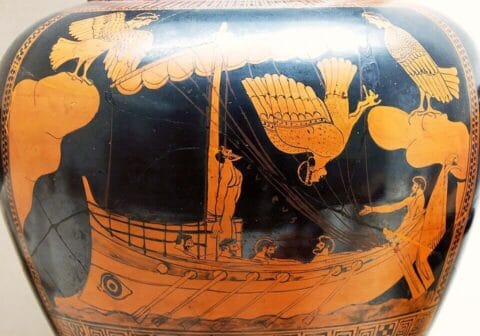
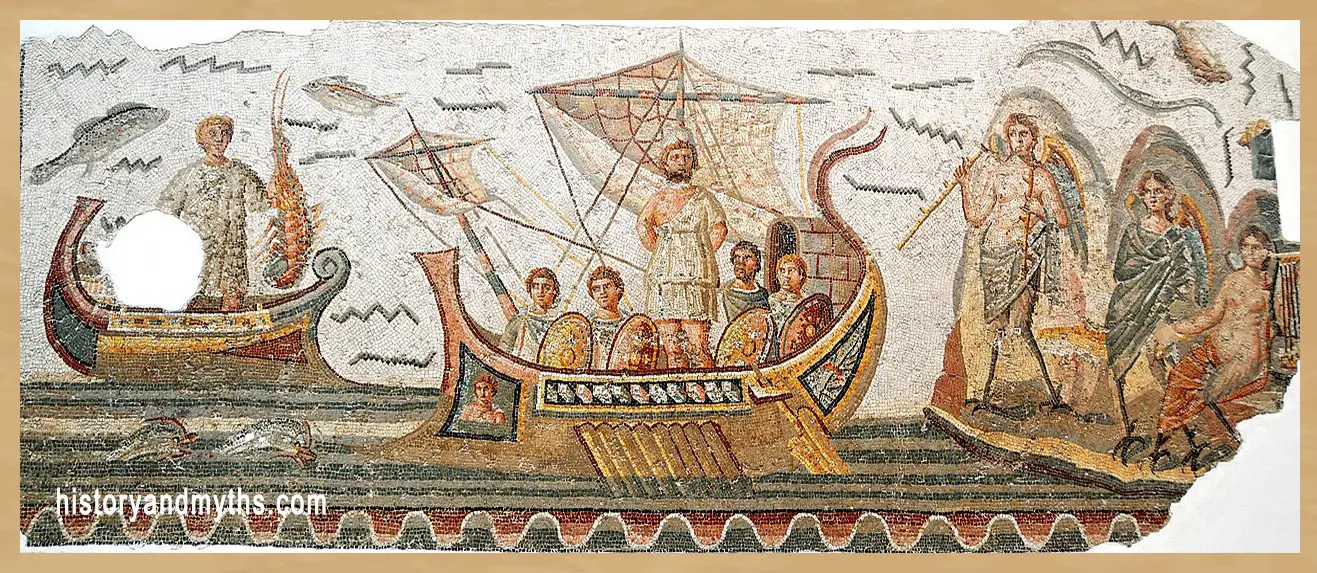
The most famous encounter appears in the Odyssey, where Odysseus must guide his ship between the two hazards. Yet the story is about more than surviving monsters at sea. It explores a problem that remains familiar today: what should a person do when every available choice carries consequences? In this sense, Scylla and Charybdis represent one of the earliest myths about making difficult decisions under pressure.
Understanding their story reveals why these figures remained important long after the age of Greek seafaring. They were not merely creatures of terror. Together they symbolized a reality that people often face in life, leadership, and survival—the challenge of choosing between two dangers when no perfect solution exists.
Who Were Scylla and Charybdis?
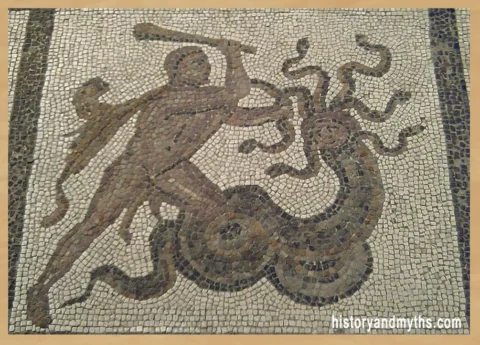
Scylla and Charybdis were two of the most feared dangers in Greek mythology, positioned on opposite sides of a narrow strait that sailors were forced to navigate. Although they are often grouped together, they represented very different threats. Scylla was usually described as a monstrous creature that seized passing sailors, while Charybdis appeared as a massive whirlpool capable of swallowing entire ships.
What made them memorable was not their individual power but their relationship to one another. Sailors could not simply avoid both. Moving away from one danger meant drifting closer to the other. The myth therefore created a situation in which navigation became a matter of choosing which risk was more survivable.
This dynamic is what separates Scylla and Charybdis from many other monsters in Greek mythology. Most dangers can be escaped, defeated, or avoided. These two hazards were arranged in a way that removed those options. The challenge was no longer how to eliminate danger but how to survive when danger existed on every side.
For this reason, Scylla and Charybdis became more than sea monsters. They evolved into symbols of difficult decisions, situations in which every available path carries consequences and complete safety is impossible.
| Aspect | Scylla | Charybdis |
|---|---|---|
| Nature | Sea monster | Massive whirlpool |
| Type of Threat | Limited but predictable losses | Total destruction |
| Visibility | Visible danger | Natural force beyond control |
| What Sailors Feared | Losing crew members | Losing the entire ship |
| Symbolism | Known risk | Uncontrollable catastrophe |
The Narrow Passage Between Two Dangers
The myth places Scylla and Charybdis on opposite sides of a narrow sea passage, creating a problem that could not be solved through simple navigation. Sailors entering the strait faced a confined space where every adjustment carried consequences. Steering too far in one direction increased the risk from the other.
This setting is essential to understanding the story. If the dangers had been separated by a great distance, they could have been avoided individually. The narrowness of the passage removes that possibility. The geography itself becomes part of the threat, forcing sailors into a situation where risk cannot be eliminated.
For ancient audiences, this reflected a genuine fear of seafaring. Narrow channels, hidden rocks, powerful currents, and unpredictable waters could leave crews with little room for error. The myth exaggerates these dangers into supernatural forms, but the underlying concern would have been familiar to anyone who depended on the sea.
As a result, the strait is more than a backdrop for the story. It creates the conditions that make the myth memorable. Scylla and Charybdis are frightening because they transform a journey into a choice between competing dangers, leaving sailors with no route that is entirely safe.
Why There Was No Safe Route
Most myths offer a clear solution. A hero defeats the monster, escapes the danger, or finds a hidden weakness that changes the outcome. Scylla and Charybdis are different because the story deliberately removes the possibility of a perfect answer. No matter which course a sailor chooses, some level of loss remains unavoidable.
This feature is what gives the myth its lasting power. The challenge is not how to win but how to limit the damage. Odysseus does not search for a route that avoids both threats because such a route does not exist. Instead, he must decide which danger is less likely to destroy his entire crew.
The story reflects a reality that people often encounter outside mythology. Some situations do not offer a good option and a bad option. They offer two imperfect options, each carrying its own costs. Success then depends on judgment rather than victory.
By removing the idea of complete safety, the myth forces attention onto decision-making itself. The central question becomes not “How do I avoid danger?” but “Which risk can I survive?” That shift is what makes Scylla and Charybdis more than a tale of sea monsters. It turns them into a powerful metaphor for difficult choices in life, leadership, and survival.
Scylla: The Threat You Could See
Among the two dangers, Scylla was the more visible threat. Ancient sources describe her as a monstrous creature lurking among the cliffs, ready to seize sailors who passed too close. Her danger was immediate and personal. Victims could imagine exactly what would happen if they entered her reach.
This visibility is important. People often fear threats they can identify because they know what is at stake. Scylla represented a danger with clear consequences. A ship might lose crew members, but the vessel itself could continue its journey. The loss was terrible, yet it was limited.
That distinction helps explain why Odysseus ultimately steered closer to Scylla than to Charybdis. He understood that some of his men would likely die, but the ship would survive. The choice was not morally easy, but it was strategically rational.
In this sense, Scylla represents a type of danger that appears throughout history: a known risk whose costs can be estimated. People may not like the outcome, but they understand it. The threat is frightening, yet it remains predictable enough to plan around. That predictability is what separates Scylla from the far more uncontrollable danger waiting on the opposite side of the strait.
Charybdis: The Threat You Could Not Control
If Scylla represented a danger that could be seen and measured, Charybdis represented the opposite. Ancient writers described her as a powerful whirlpool capable of swallowing enormous quantities of water and dragging ships into destruction. Unlike Scylla, she did not attack individual sailors. She threatened the entire vessel at once.
This made Charybdis particularly frightening. A crew might defend itself against a visible enemy, but a whirlpool offers no clear target and no opportunity for combat. Once a ship was caught in its force, skill and courage often mattered less than the power of the sea itself.
The contrast between the two dangers is central to the myth. Scylla could inflict limited losses, while Charybdis risked total catastrophe. Odysseus understood that passing near the whirlpool might cost him everything—his ship, his crew, and his chance of returning home.
Charybdis therefore symbolizes a different category of risk: events so large and uncontrollable that they overwhelm human efforts to manage them. While Scylla represents a known danger, Charybdis represents uncertainty on a much larger scale. Faced with the possibility of total destruction, even an imperfect alternative can become the wiser choice.
More Than Sea Monsters
Scylla and Charybdis are often remembered as terrifying hazards from the Odyssey, but their lasting significance comes from what they represent. Together they create a situation in which every choice involves risk and complete safety is impossible.
- Scylla represented a visible and predictable danger.
- Charybdis represented uncontrollable destruction.
- The narrow strait forced sailors to choose between risks.
- Odysseus survived through judgment rather than victory.
- Neither threat could be permanently defeated.
- The myth became a symbol of impossible decisions.
© historyandmyths.com
Why Odysseus Chose the Lesser Evil
When Odysseus approached the strait, he faced a decision that had no good outcome. He could steer toward Scylla and lose some of his men, or risk Charybdis and potentially lose everyone on board. The choice was not between safety and danger but between two different kinds of loss.
His decision reveals an important principle that runs throughout the Odyssey: leadership sometimes requires choosing the option that causes the least harm rather than the option that feels morally comfortable. Odysseus knew that passing near Scylla would cost lives, yet he also understood that Charybdis could destroy the entire expedition.
This moment is significant because it avoids the heroic simplicity found in many myths. There is no dramatic victory and no clever trick that eliminates the problem. Odysseus succeeds because he recognizes reality and acts accordingly. He chooses a painful outcome in order to prevent a catastrophic one.
The episode has remained relevant for centuries because similar situations appear far beyond mythology. Leaders, governments, and individuals are often forced to make decisions where every option carries a price. The story of Scylla and Charybdis endures because it acknowledges a difficult truth: sometimes wisdom lies not in finding a perfect solution, but in identifying the risk that can be survived.
The Psychology of Impossible Choices
One reason the story of Scylla and Charybdis has survived for so long is that it captures a problem people immediately recognize. Most fears involve a clear threat that can be avoided or confronted. The fear in this myth comes from something different: knowing that every available choice carries a cost.
Psychologically, such situations are often more stressful than facing a single danger. When there is no perfect option, people must compare losses rather than seek victory. Attention shifts from achieving the best outcome to preventing the worst one. This creates uncertainty, doubt, and the fear of making the wrong decision.
The myth reflects this tension with unusual realism. Odysseus is not asked to prove his bravery by defeating a monster. He is asked to judge which danger is more survivable. His challenge is one of assessment and restraint rather than heroics.
This helps explain why the story remains relevant today. Whether in politics, business, warfare, or everyday life, people sometimes encounter situations where every path involves sacrifice. Scylla and Charybdis endure as symbols of those moments when wisdom is measured not by achieving perfection, but by navigating unavoidable risk as carefully as possible.
What the Myth Reveals About Ancient Seafaring
Although Scylla and Charybdis belong to mythology, the story reflects real concerns of people who depended on the sea. Ancient sailors traveled without modern navigation systems, detailed maps, or reliable weather forecasts. Narrow straits, strong currents, hidden rocks, and sudden storms could turn an ordinary voyage into a disaster.
Greek myths often transformed natural dangers into memorable characters. By giving hazards names and personalities, storytellers made the risks of seafaring easier to understand and remember. Scylla and Charybdis represent this process. One became a monstrous predator, the other a destructive force of water, but both express genuine fears associated with maritime travel.
The myth also highlights how vulnerable ancient crews could be. A single mistake in a confined passage might cost lives or destroy an entire ship. Survival depended on judgment, experience, and the ability to react quickly when conditions changed.
For this reason, the story should not be viewed only as fantasy. It preserves something of the mindset of a seafaring culture that understood how unpredictable and dangerous the sea could be. Behind the monsters lies a practical lesson about navigation, risk, and the difficult decisions required to survive in an uncertain environment.
From Ancient Myth to Modern Language
The influence of Scylla and Charybdis extends far beyond Greek mythology. Their story became so widely known that the pair evolved into a lasting expression for situations in which a person must choose between two dangerous alternatives. Even today, the phrase “between Scylla and Charybdis” is used to describe dilemmas where avoiding one problem means moving closer to another.
What makes this expression remarkable is its flexibility. It can apply to politics, military strategy, business decisions, or personal life. The details change, but the underlying structure remains the same: two risks stand on opposite sides, and complete safety is unavailable.
Unlike many mythological figures that remained confined to ancient stories, Scylla and Charybdis entered everyday thought because they represent a recurring human experience. Most people eventually face moments when every option carries a disadvantage and the goal becomes minimizing harm rather than achieving an ideal outcome.
This enduring relevance helps explain why the myth has survived for more than two millennia. The sea monsters themselves belong to the ancient world, but the problem they symbolize remains familiar. As long as people face difficult choices with no perfect solution, Scylla and Charybdis will continue to serve as powerful symbols of unavoidable risk.
Why Scylla and Charybdis Were Linked to Real Geography
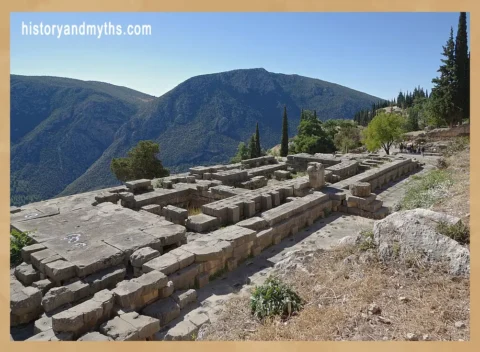
Ancient writers often associated Scylla and Charybdis with the Strait of Messina, the narrow passage between Sicily and mainland Italy. Strong currents and difficult navigation in the area made it a natural setting for stories about maritime danger. Whether or not the myth originated there, the connection helped make the tale feel realistic to ancient sailors.
Why Neither Monster Could Be Defeated
Unlike many monsters in Greek mythology, Scylla and Charybdis could not simply be conquered. Odysseus did not defeat them, and he was not expected to. The challenge was survival, not victory. This distinction is important because it shifts the focus from heroic combat to practical decision-making in the face of unavoidable danger.
Why the Myth Is Different from Most Greek Monster Stories
Most Greek monster myths end when the creature is killed or overcome. The story of Scylla and Charybdis follows a different pattern. There is no final battle and no complete solution. The danger remains in place, and the goal is simply to pass through it. This makes the myth less about defeating evil and more about navigating risk when perfect outcomes are impossible.
Scylla and Charybdis occupy a unique place in Greek mythology because they represent more than monsters lurking at sea. Together they create a situation in which danger cannot be avoided, only managed. Their story shifts the focus away from heroic combat and toward judgment, risk, and the difficult choices that arise when every option carries consequences.The myth’s lasting power comes from this idea. Odysseus does not triumph by eliminating both threats or discovering a hidden shortcut. He survives by recognizing reality and choosing the course that offers the greatest chance of success. The challenge is not defeating evil but navigating between competing dangers.
This perspective also explains why the story continues to resonate today. Whether in leadership, politics, business, or personal life, people often encounter situations where there is no perfect solution. In such moments, the goal is not to find complete safety but to make the wisest decision available.
For the ancient Greeks, Scylla and Charybdis reflected the uncertainties of life at sea. For later generations, they became symbols of impossible choices themselves. More than two thousand years after the Odyssey, their story remains relevant because it captures a reality that has never disappeared: sometimes the hardest decisions are not between right and wrong, but between two risks that cannot both be avoided.
Key Takeaways
- Scylla and Charybdis created one of Greek mythology’s most famous dilemmas.
- The myth focuses on risk management rather than monster slaying.
- Scylla symbolized a known danger with limited losses.
- Charybdis symbolized catastrophic and uncontrollable risk.
- Odysseus chose the option that offered the greatest chance of survival.
- The story reflects real fears associated with ancient seafaring.
- The phrase “between Scylla and Charybdis” still describes difficult choices today.
Frequently Asked Questions
Who were Scylla and Charybdis?
They were two legendary sea dangers in Greek mythology positioned on opposite sides of a narrow strait.
What was Scylla?
Scylla was a sea monster that attacked sailors who passed too close to her side of the passage.
What was Charybdis?
Charybdis was a massive whirlpool capable of swallowing ships and pulling them into destruction.
Why couldn’t sailors avoid both dangers?
The strait was too narrow, forcing ships to pass closer to one threat in order to avoid the other.
Why did Odysseus choose Scylla over Charybdis?
Because Scylla would cause limited losses, while Charybdis could destroy the entire ship and crew.
Were Scylla and Charybdis real places?
Ancient writers often linked them to the Strait of Messina between Sicily and mainland Italy.
What do Scylla and Charybdis symbolize?
They symbolize situations where every available choice involves risk and no perfect solution exists.
Why is the myth still relevant today?
Because people continue to face difficult decisions that require choosing between imperfect alternatives.
Sources & Rights
- Homer. The Odyssey. Translated by Robert Fagles. Penguin Classics.
- Apollodorus. Bibliotheca. Loeb Classical Library.
- Strabo. Geography. Loeb Classical Library.
- Virgil. Aeneid. Oxford World’s Classics.
- Graf, Fritz. Greek Mythology: An Introduction. Johns Hopkins University Press.
- Burkert, Walter. Greek Religion. Harvard University Press.
- Buxton, Richard. The Complete World of Greek Mythology. Thames & Hudson.
- Hard, Robin. The Routledge Handbook of Greek Mythology. Routledge.
- Gantz, Timothy. Early Greek Myth. Johns Hopkins University Press.
- Johnston, Sarah Iles. The Story of Myth. Harvard University Press.
- Dowden, Ken. The Uses of Greek Mythology. Routledge.
- Kirk, G. S. The Nature of Greek Myths. Penguin Books.
- Nilsson, Martin P. A History of Greek Religion. Oxford University Press.
- Malkin, Irad. Myth and Territory in the Spartan Mediterranean. Cambridge University Press.
- Edmonds, Radcliffe G. Greek Mythology: A Reader. Hackett Publishing.
Written by H. Moses — All rights reserved © Mythology and History