Achilles and the Price of Glory in Greek Mythology
Achilles is often remembered as the greatest warrior in Greek mythology, a hero whose name survived long after the fall of Troy. Yet the ancient Greeks did not admire him simply because he was powerful. What made Achilles extraordinary was a choice that stood at the center of his life: he could live a long and peaceful life in obscurity, or he could pursue everlasting glory at the cost of an early death.
That choice transformed Achilles into more than a legendary fighter. It turned him into a symbol of a question that appears throughout Greek mythology: what is the true price of greatness? The fame Achilles sought promised immortality through memory, but it could not protect him from grief, loss, or suffering. The closer he moved toward glory, the more he seemed to lose the ordinary life that others might have enjoyed.
For this reason, the myth of Achilles is not simply a story about heroic achievement. It is a story about sacrifice, ambition, and the cost of becoming unforgettable. By examining the choices that defined his life, Greek mythology invites us to ask whether glory was truly worth the price Achilles paid to obtain it.
The Choice That Defined Achilles
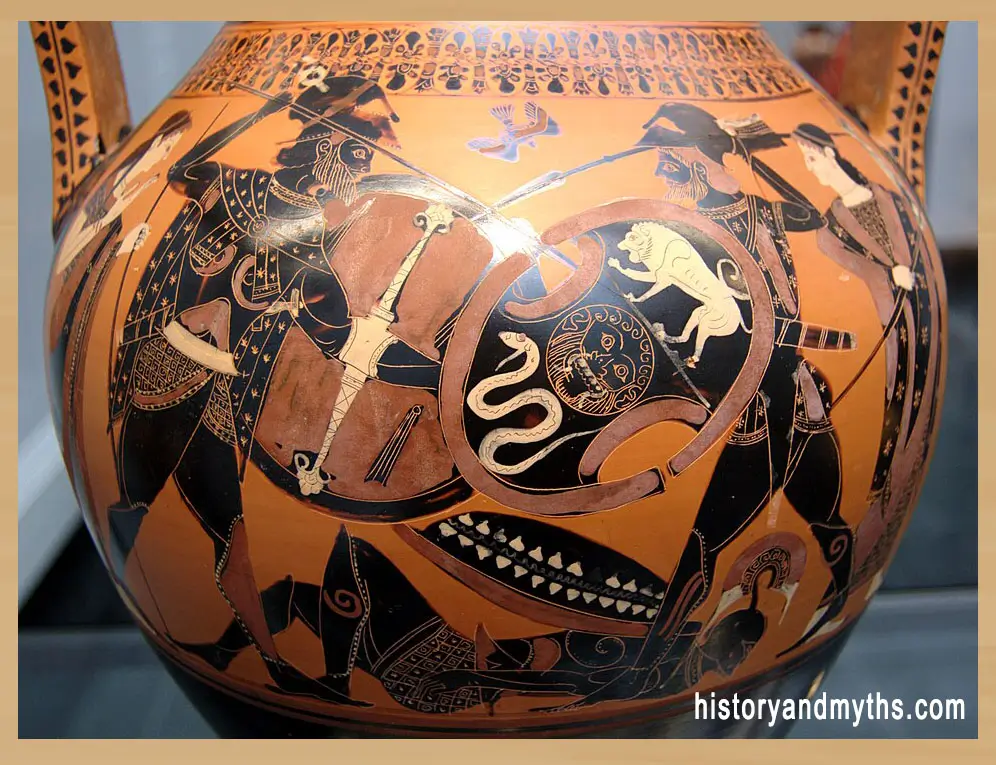
The central event in Achilles’ life occurred long before his famous battles at Troy. According to Greek tradition, he was confronted with two possible futures. One promised a long life, family, and relative obscurity. The other promised eternal fame but an early death. Unlike many heroes who struggle against fate, Achilles understood the consequences of his decision from the beginning.
This choice is what separates Achilles from most figures in Greek mythology. His story is not driven by ignorance or accident. He does not stumble into tragedy without warning. He knowingly moves toward a future that will cost him everything because he believes something is more valuable than survival itself.
To modern readers, the decision can seem irrational. Why would anyone exchange a long life for a brief moment of glory? The answer lies in the values of the heroic world described by Greek epic poetry. Reputation was not merely a matter of pride. It was a form of symbolic immortality. A person could die, but their name could continue to live through songs, stories, and collective memory.
Achilles therefore faces a choice between two different forms of existence. One allows him to remain alive but forgotten. The other guarantees that generations will remember him long after his death. The tragedy of his story begins with the fact that he chooses fame while fully understanding the price attached to it.
This decision shapes everything that follows. His victories, losses, anger, and eventual death all become consequences of a path he deliberately accepted. For that reason, the myth of Achilles is fundamentally different from stories in which heroes are destroyed by circumstances beyond their control. Achilles helps create his own destiny, making the question at the heart of the myth even more powerful: was eternal glory truly worth the life he gave up to achieve it?
| Choice | What Achilles Gains | What Achilles Loses |
|---|---|---|
| Long, Peaceful Life | Survival, family, old age | Heroic fame and lasting reputation |
| Short Life of Glory | Eternal fame (kleos) | Future, peace, and longevity |
| Victory at Troy | Legendary status | Friends, personal happiness, and eventually life itself |
Why Glory Mattered More Than Survival
To understand Achilles, it is necessary to understand the world that shaped him. Modern readers often assume that survival is the highest goal, but Greek heroic culture operated according to a different logic. A long life had value, yet it was not always considered the greatest achievement. What mattered most was whether a person would be remembered after death.
The Greeks used the concept of kleos to describe this lasting reputation. It was not simply fame in the modern sense. Fame can disappear quickly, but kleos referred to a name preserved through stories, poetry, and collective memory. A hero who achieved great deeds could remain present in the world even after death because future generations continued to speak about him.
This idea helps explain why Achilles accepts a fate that many people would reject. From his perspective, death itself is not the ultimate loss. The greater danger is living an ordinary life that leaves no lasting mark. A forgotten life ends twice: first in death, then in memory. A remembered life, however brief, continues to exist through the stories people tell.
Greek mythology repeatedly reflects this value system. Heroes often seek honor, recognition, and lasting reputation because these things offer a form of symbolic immortality. Achilles becomes the clearest example of this ideal. His choice is not between life and death, since every human being eventually dies. His choice is between obscurity and remembrance.
Understanding this distinction changes the way the myth is read. Achilles is not recklessly pursuing danger for its own sake. He is pursuing what his culture regarded as the highest form of achievement. The tragedy of the story comes later, when the cost of that achievement becomes increasingly difficult to ignore.
The Price of Glory Was Visible Long Before Achilles Died
Many retellings focus on Achilles’ death as the cost of his pursuit of glory, but the losses began much earlier. Long before the fatal arrow reached him, the consequences of his choice were already shaping his life. The tragedy of Achilles is not that glory eventually demanded a price. It is that the price kept growing throughout the story.
One of the clearest examples is his relationship with Patroclus. Among all the rewards, honors, and victories associated with heroic success, personal bonds remained vulnerable. When Patroclus died, Achilles experienced a loss that no military achievement could compensate for. His greatest moment of triumph over Hector is inseparable from the grief that motivated it.
This part of the myth reveals an important tension. Glory promises public recognition, but human happiness often depends on private relationships. Achilles gains everlasting fame, yet the people who mattered most to him cannot be preserved through victory. The more he advances toward heroic greatness, the more he confronts losses that greatness cannot repair.
The story also challenges the assumption that success automatically brings fulfillment. Achilles becomes the most feared warrior of the Greek army, but power does not protect him from anger, sorrow, or regret. In fact, some of these emotions become stronger as his reputation grows. His achievements increase his status while doing little to reduce his suffering.
For this reason, the myth presents glory as something more complicated than a reward. It offers recognition and remembrance, but it cannot prevent grief or restore what has been lost. By showing these costs before Achilles’ death, Greek mythology encourages readers to question whether fame alone can provide the kind of meaning that heroes often seek.
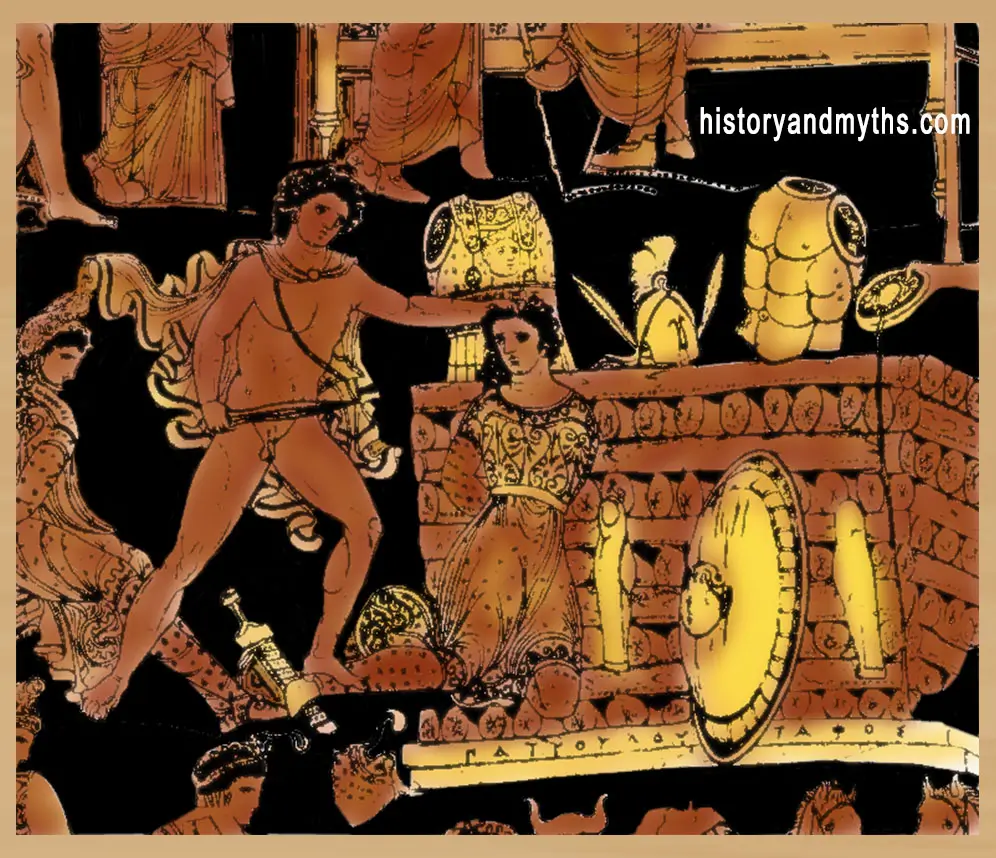
The Central Question of Achilles’ Myth
Most stories about Achilles focus on his strength, victories, or death. Greek mythology, however, places a different question at the center of his life: was eternal glory worth the sacrifices required to obtain it? Achilles achieves exactly what he desires—lasting fame—but loses the ordinary future that many people would consider priceless.
© historyandmyths.com — Educational Use
Achilles Won Glory but Lost the Future
The most revealing aspect of Achilles’ story is that he ultimately achieves exactly what he wanted. His name survives. His deeds become legendary. Thousands of years later, people still remember him. In one sense, his choice succeeds completely.
Yet Greek mythology does not present this victory as uncomplicated. The fame Achilles gains comes at the expense of every future he might have lived. By choosing glory, he abandons the possibility of growing old, raising a family, ruling peacefully, or experiencing a life beyond warfare. The myth repeatedly invites readers to compare what he gained with what he surrendered.
This contrast helps explain why Achilles remains a tragic figure rather than a purely triumphant one. Heroes who fail often teach lessons about defeat. Achilles teaches a different lesson. He demonstrates that even success can carry irreversible costs. Achieving a goal does not guarantee that the exchange required to reach it was painless.
The Greeks understood this tension well. They admired Achilles because he embodied courage and commitment, but they also recognized the sadness embedded within his fate. His greatness becomes inseparable from his loss. The very qualities that secure his immortal reputation also prevent him from enjoying the ordinary experiences that define most human lives.
For modern readers, this aspect of the myth remains surprisingly relevant. People often pursue ambition, achievement, or recognition while accepting sacrifices along the way. The story of Achilles asks a difficult question that extends beyond mythology: when a person reaches the goal they have spent their life pursuing, was the reward worth everything that had to be left behind?
That question, more than his strength or his victories, is what has kept Achilles alive in cultural memory. His story endures because it forces readers to think not only about the value of success, but also about the cost of obtaining it.
Continue Reading
- The House of Atreus: Why Revenge Destroyed Greece’s Most Cursed Family
- Agamemnon and Clytemnestra: Revenge Cycle That Destroyed a Family
- Hubris in Greek Mythology: Why the Gods Punished Human Pride
- Why Greek Heroes Fought Monsters in Greek Mythology
- The Gigantomachy: The Final Battle Between Gods and Giants
- Divine Curses in Greek Mythology
- What If Achilles Survived the Trojan War? Greek Mythology Scenarios
The Iliad Questions the Value of Heroic Fame
Many readers assume that The Iliad celebrates glory without reservation. After all, its greatest warrior chooses fame over a long life and becomes one of the most famous heroes in world literature. Yet a closer reading reveals something more complex. Homer does not simply praise heroic achievement. He also examines its consequences.
Throughout the poem, glory is repeatedly linked to suffering. The victories that make heroes famous are inseparable from grief, loss, and death. Achilles earns his reputation on the battlefield, but the same battlefield takes friends, allies, and enemies whose deaths leave lasting scars. Fame may survive these events, but the people involved do not.
This complexity becomes especially visible in Achilles himself. At the beginning of the epic, he is deeply concerned with honor and status. As the story progresses, however, his experiences force him to confront the human cost of those ideals. The death of Patroclus changes the nature of the conflict. The war is no longer simply about reputation. It becomes personal, emotional, and tragic.
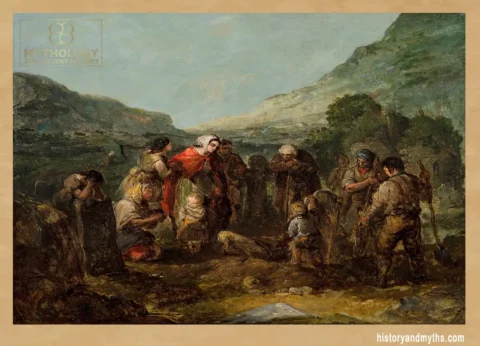
One of the most powerful moments in the poem occurs when Achilles meets Priam, the father of Hector. For a brief time, the language of glory gives way to the language of shared suffering. Two enemies recognize the pain that loss has brought into their lives. The scene reminds readers that behind every heroic achievement stand real human consequences.
This is why Achilles remains such a compelling figure. His story does not provide a simple answer about whether glory is good or bad. Instead, it forces readers to confront a tension that lies at the heart of Greek mythology. Fame can preserve a person’s name forever, but it cannot protect them from grief while they are alive. The Iliad leaves that contradiction unresolved, inviting each generation to decide for itself whether the rewards of greatness justify the sacrifices required to obtain it.
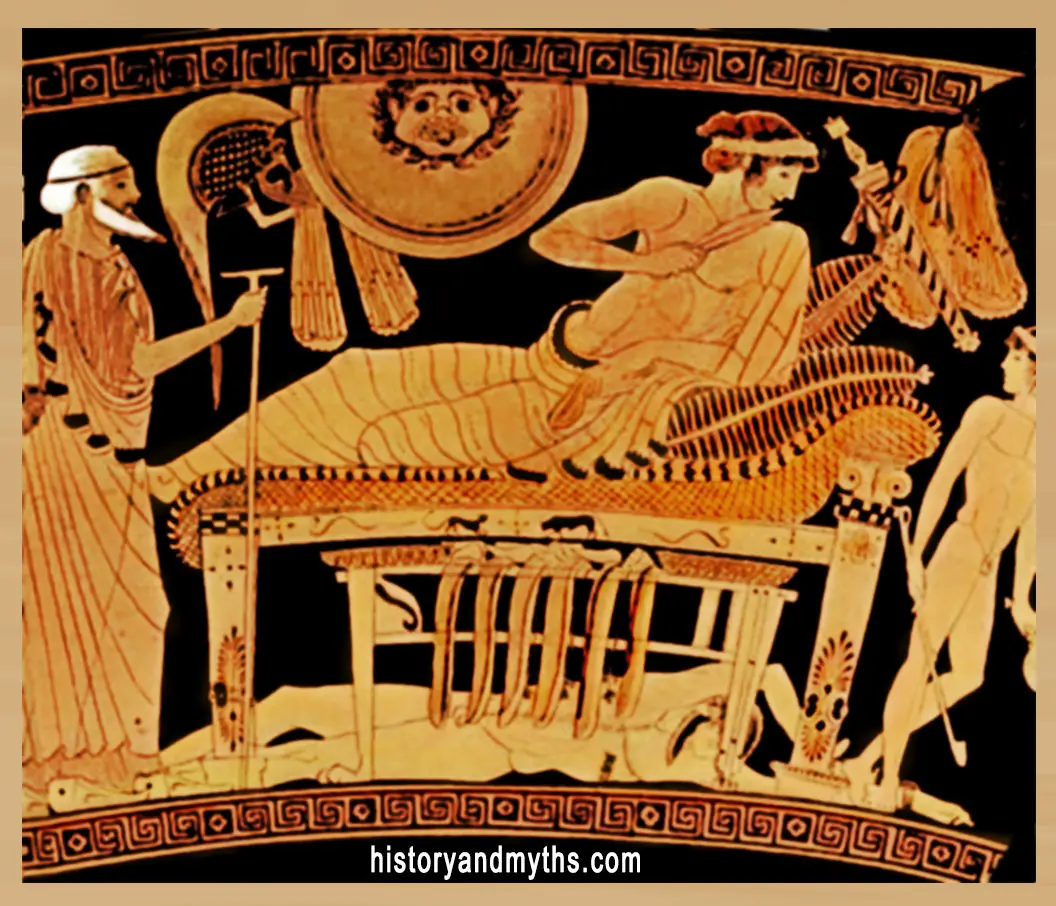
Why Achilles Became the Symbol of Heroic Tragedy
Many heroes in Greek mythology face danger, but Achilles occupies a unique position because his tragedy is tied directly to his greatest achievement. He is not destroyed by weakness, ignorance, or failure. Instead, he suffers because he successfully becomes the hero he wanted to be.
This distinction helps explain why Achilles remained one of the most influential figures in Greek culture. His story reflects a conflict that extends beyond mythology itself. Human beings often pursue goals that give life meaning—honor, achievement, recognition, success—while accepting sacrifices along the way. Achilles represents an extreme version of that reality. He reaches the highest level of heroic fame, yet the path toward that fame demands losses that cannot be recovered.
Unlike heroes whose mistakes lead to disaster, Achilles is remembered because his dilemma has no perfect solution. Choosing a quiet life would have protected him from an early death, but it would also have required abandoning the destiny that made him extraordinary. Choosing glory secured immortality through memory, but it shortened his life and exposed him to profound suffering. Neither path offered everything he wanted.
This is why the myth continues to resonate centuries after the culture that created it disappeared. The story is not ultimately about warfare or even about Troy. It is about the tension between ambition and cost. Achilles forces readers to consider whether greatness can ever be separated from sacrifice and whether some achievements demand more than they are worth.
For the Greeks, Achilles embodied the highest form of heroic fame. Yet the myth never allows that fame to appear free of consequences. His name survives, but so does the question that follows it: if a person gains everything they sought but loses much of what makes life meaningful, should that outcome be called a victory or a tragedy?
The myth of Achilles endures because it asks a question that remains relevant far beyond the world of ancient Greece. Faced with a choice between a long life and lasting glory, Achilles chose remembrance over survival and achieved the fame he desired. Yet Greek mythology presents that achievement alongside grief, loss, and sacrifice, reminding readers that greatness often carries hidden costs.
Rather than celebrating glory without question, the story invites reflection on what people are willing to give up in pursuit of it. Achilles becomes more than a warrior of the Trojan War. He becomes a symbol of the difficult choices that accompany ambition itself. His legend survives not simply because he won fame, but because his life forces us to consider whether fame was worth the price he paid to obtain it.
Key Takeaways
- Achilles knowingly chose a short life of glory over a long life of obscurity.
- Greek heroic culture valued lasting reputation (kleos) above simple survival.
- The myth explores the cost of ambition rather than celebrating success alone.
- The death of Patroclus reveals the emotional price of heroic fame.
- Achilles achieves immortal glory but sacrifices the future he might have lived.
- The Iliad presents fame as both a reward and a source of tragedy.
Frequently Asked Questions
Why is Achilles famous in Greek mythology?
Achilles is famous for being the greatest Greek warrior of the Trojan War and for choosing eternal glory over a long life.
What choice did Achilles face?
According to Greek tradition, he could either live a long, ordinary life or achieve lasting fame at the cost of an early death.
What is kleos in Greek mythology?
Kleos refers to enduring fame and reputation preserved through stories, poetry, and memory.
Why did Achilles choose glory?
Greek heroic values considered lasting remembrance more meaningful than a long but forgotten life.
What was the greatest loss in Achilles’ life?
The death of Patroclus is often portrayed as the most devastating personal loss Achilles experienced.
Does the Iliad celebrate glory?
The Iliad admires heroic achievement but also highlights the suffering, grief, and sacrifices associated with it.
Why is Achilles considered a tragic hero?
He achieves the fame he desires but loses the future, relationships, and life that might have accompanied a different choice.
What is the main lesson of Achilles’ myth?
The story explores whether greatness and lasting fame are worth the sacrifices required to achieve them.
Sources & Rights
- Homer. Iliad.
- Homer. Odyssey.
- Apollodorus. Library.
- Pindar. Nemean Odes.
- Pindar. Isthmian Odes.
- Hyginus. Fabulae.
- Pausanias. Description of Greece.
- Gregory Nagy. The Best of the Achaeans.
- Jasper Griffin. Homer on Life and Death.
- Richard Martin. The Language of Heroes.
- Moses I. Finley. The World of Odysseus.
- Jean-Pierre Vernant. Myth and Thought Among the Greeks.
- Richard Buxton. The Complete World of Greek Mythology.
- Timothy Gantz. Early Greek Myth.
- Walter Burkert. Greek Religion.
- Sarah Iles Johnston. Ancient Greek Religion.
- Jonathan S. Burgess. The Death and Afterlife of Achilles.
- Charles Segal. The Theme of the Mutilated Hero in the Iliad.
- Robert Garland. How to Survive in Ancient Greece.
- Oliver Taplin. Homeric Soundings.
Written by H. Moses — All rights reserved © Mythology and History