Baby Naming in Ancient Egypt: Rituals, Meaning, and Protection
Naming in ancient Egypt was more than choosing a word for a child. A name established identity, belonging, and protection, and it could signal devotion to a deity, family tradition,…
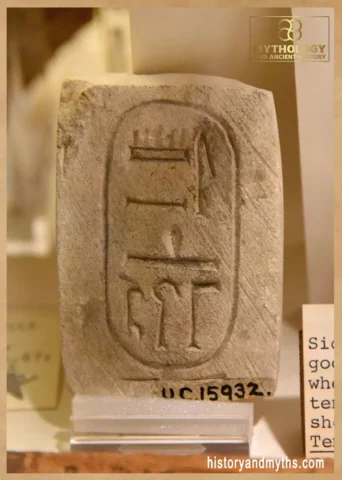
Naming in ancient Egypt was more than choosing a word for a child. A name established identity, belonging, and protection, and it could signal devotion to a deity, family tradition,…
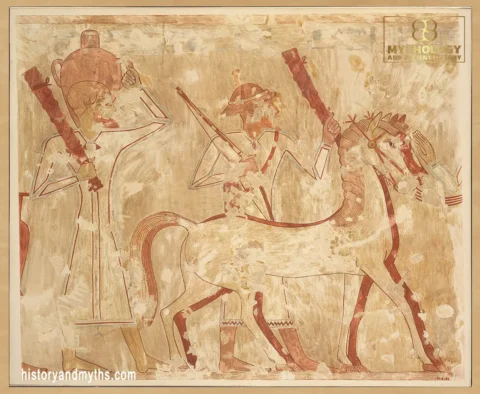
Foreigners in ancient Egypt could have legal rights, but those rights depended on status. A resident trader, hired worker, or military recruit could use contracts, property rules, and local courts,…
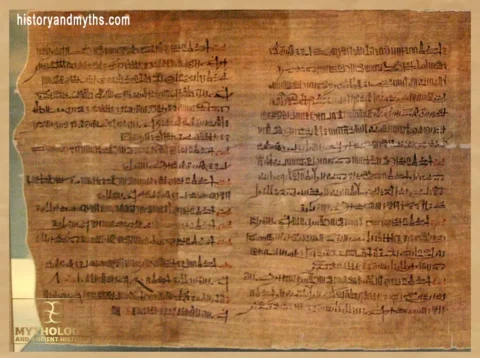
Corruption and abuse of power existed in ancient Egypt because local officials-controlled taxes, labor, court access, and security—often with weak oversight. Surviving edicts, petitions, and trial records show bribery, extortion,…
Prisons in Ancient Egypt were not modern jails with long sentences and fixed systems. Most imprisonment worked as detention—temporary holding before questioning, trial, or official decision. Suspects were guarded inside…
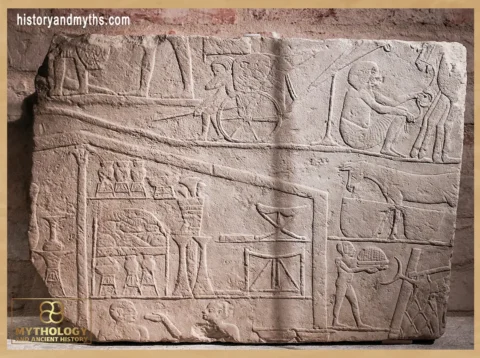
Law enforcement in Ancient Egypt was not one “police force,” but a layered security system built to protect grain stores, temples, streets, and royal tombs. Guards controlled access at gates,…
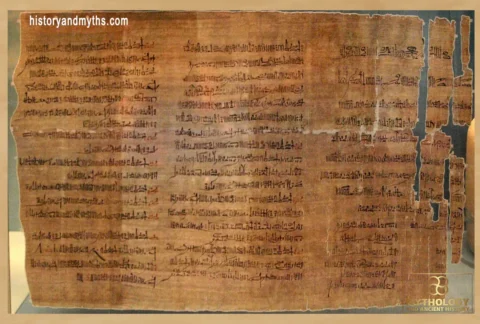
Oaths, witnesses, and legal proof in Ancient Egypt were the tools that turned a claim into a verdict—long before modern forensic evidence existed. Courts built “truth” through credible testimony, sworn…
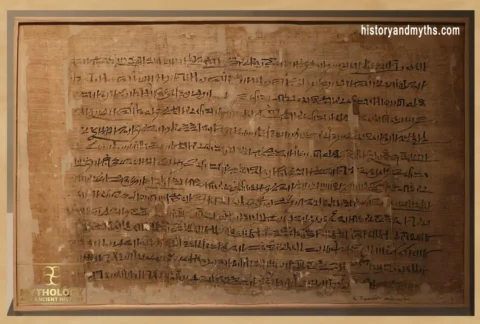
False accusations in Ancient Egypt were not just personal drama—they were a legal weapon. A single claim could trigger an investigation, force oaths, mobilize witnesses, and expose someone to punishment…

Political fragmentation in Ancient Egypt means the country stopped functioning as one unified state and became a map of competing regional authorities. Power shifted away from the royal center into…
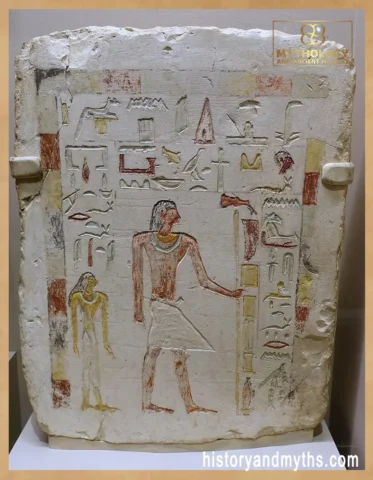
The collapse of central authority in Ancient Egypt wasn’t a single dramatic event—it was a slow breakdown of state control. When the pharaoh’s government could no longer enforce taxation, coordinate…
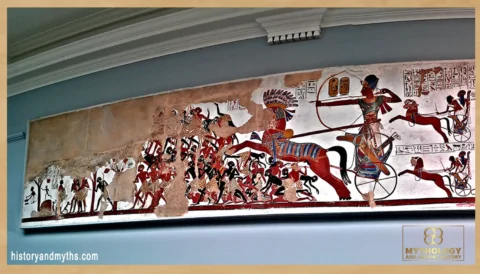
Political propaganda in Ancient Egypt wasn’t a modern “campaign” with speeches and newspapers—it was a controlled system of power messaging. Pharaohs used temples, inscriptions, monuments, public rituals, and even rewritten…
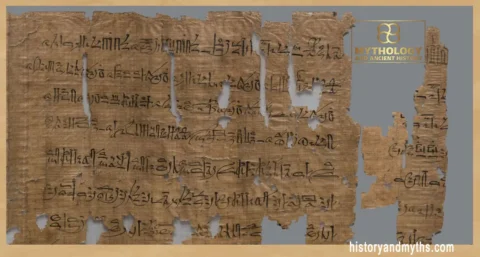
Ancient Egypt did use intelligence and espionage, but not as a modern “spy agency.” Pharaohs relied on scouts, informants, written reports, interrogations, and court investigations to detect threats early. Egyptian…
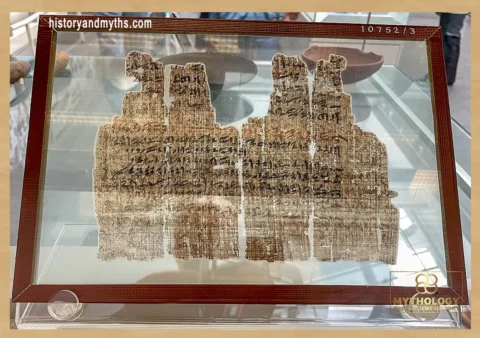
Border control in Ancient Egypt was not a single wall or a few soldiers at the edge of the map. It was a full system of forts, guarded routes, checkpoints,…
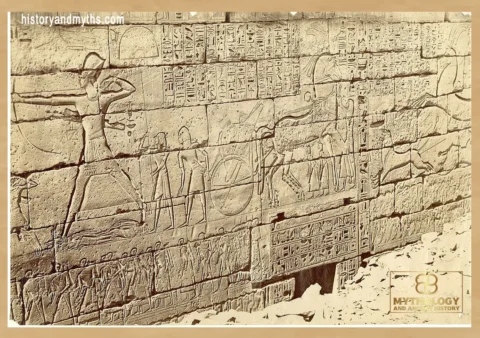
War in Ancient Egypt affected civilians long before it reached their towns. It reshaped taxes, food distribution, labor availability, and local security. Even when battles happened far away, ordinary households…
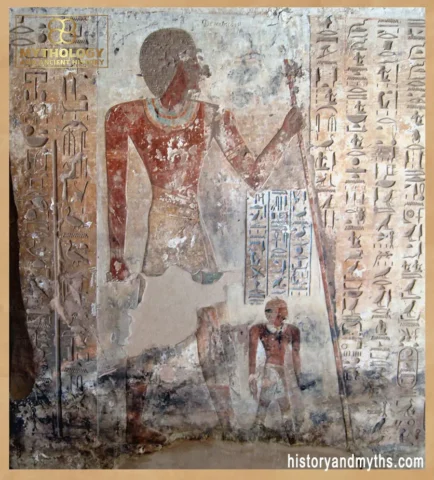
Veterans in Ancient Egypt did not form a modern “veterans class” with guaranteed pensions, but many gained real advantages after service. Military experience could translate into status, rewards, and access…

Military conscription in Ancient Egypt was not a permanent “draft” system like modern states. Instead, the government mobilized men through selective levies when campaigns required manpower, while relying on trained…
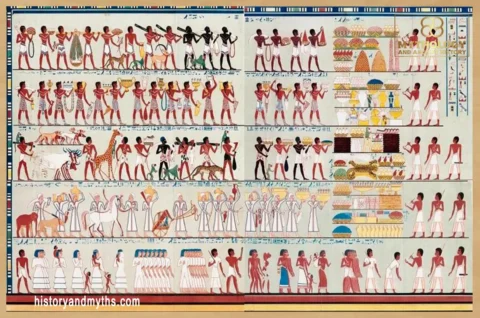
In Ancient Egypt, the vizier was the pharaoh’s top official and the executive head of government. He supervised administration, justice, and the work of scribes who managed records, taxation, and…
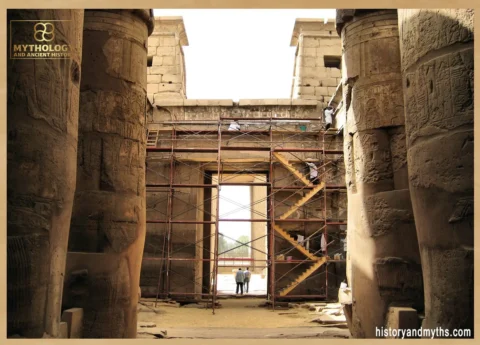
Ancient Egyptian monuments survived because they were maintained as working spaces, not abandoned ruins. Temples were cleaned and renewed through daily ritual routines, while craftsmen repaired plaster, pigment, and stone…
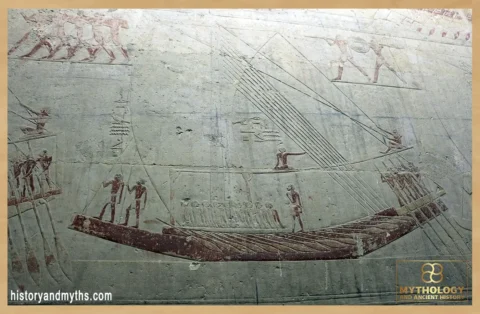
Ancient Egyptians built organized harbors, not just casual landing spots. Their ports supported transport, storage, and state-controlled expeditions by linking river routes, canals, and desert roads. Evidence from sites like…
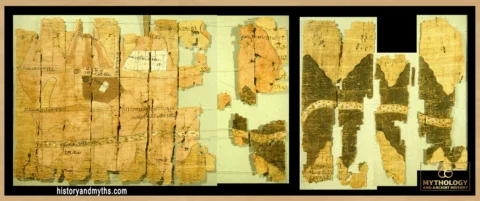
Ancient Egypt had organized travel routes rather than modern paved highways. Infrastructure relied on the Nile as the main transport corridor, supported by desert roads for quarry expeditions and supply…
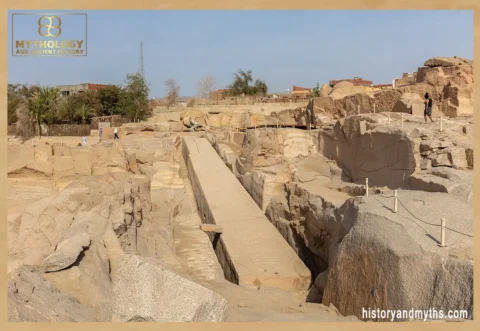
Ancient Egyptians quarried stone using copper tools, stone pounders, and organized labor teams, then moved blocks through a controlled logistics chain: quarry extraction, rough shaping, sled transport, and river shipment…