Veterans in Ancient Egypt: Rewards, Status, and Life After War
Veterans in Ancient Egypt did not form a modern “veterans class” with guaranteed pensions, but many gained real advantages after service. Military experience could translate into status, rewards, and access to state networks, while others returned to ordinary life with little protection. A veteran’s outcome depended on rank, success, and timing.
Ancient Egypt respected military skill, but respect alone was not the point. Veterans mattered because they sat at the intersection of power and society. A returning soldier carried discipline, connections, and the state’s mark of legitimacy. That made him useful, influential, and sometimes politically sensitive.
Who Counted as a “Veteran” in Ancient Egypt?
In modern terms, a veteran is someone who served in the armed forces and then re-enters civilian life with a recognized legal status. Ancient Egypt did not work through standardized veteran laws. Instead, “veteran” describes a social reality: a man who completed campaigns or long service and returned with experience that set him apart from the average laborer.
There was no single rule that guaranteed every former soldier land, pay, or lifelong support. What existed was a spectrum. Some veterans returned to farming or local work with no special security beyond personal reputation. Others, especially those tied to elite units or successful campaigns, could convert service into material rewards and lasting social advantage.
A veteran’s value inside society came from three things. First, he had proven that he could function under authority and hardship, which mattered in a state that depended on organized labor and obedience. Second, he often had access to state networks, including officials who controlled rations, appointments, and protection. Third, he carried a social signal: military service created a visible record of loyalty to the regime, especially when the king was expanding power or defending borders.
So before we even ask whether veterans were rewarded, we need the correct foundation. Veterans were not a uniform group. They were a social category shaped by service, reputation, and the state’s need to keep trained men loyal after war ended.
Veterans in Ancient Egypt (Quick Framework)
| Category | What It Looked Like | Typical Outcome | Why It Matters |
|---|---|---|---|
| Ordinary veterans | Return to farming and local work after service | Limited long-term security | Shows service was not automatic mobility |
| Rewarded veterans | Recognized for performance and loyalty | Status, gifts, and stronger state ties | State used rewards to secure loyalty |
| Veterans as local authority | Social credibility and confidence around officials | Influence in community disputes | Explains how power travels beyond the palace |
| State integration roles | Guarding, supervision, logistical duties | Stable work linked to institutions | Veterans kept the state enforceable |
| Hidden cost group | Injuries, disruption, no public record | Hard reintegration into civilian life | Prevents romanticizing military service |
What Veterans Could Gain After Service (and What Most Did Not)
Military service could change a man’s trajectory, but it did not automatically transform every soldier into an elite. The clearest reality is that Ancient Egypt produced unequal outcomes. Some veterans returned home with visible advantages, while many came back with nothing beyond experience and a story.
For successful soldiers, the most valuable reward was not a single gift. It was access to a path. A man who proved reliable under command could become “known” inside a system that ran on trust, loyalty, and practical usefulness. That visibility mattered because the state constantly needed men who could enforce authority, supervise work, or operate in controlled environments where ordinary villagers might resist.
Status was a real outcome. A veteran could return with a stronger social position simply because he had served the king and survived. In local communities, military experience could translate into personal authority, especially in periods when security was uncertain or when the state’s presence had to be reinforced by respected individuals.
Material rewards existed, but they were selective. They tended to follow achievement, proximity to power, or service in moments that mattered politically. A veteran attached to a successful campaign might receive valuable gifts, rations, or practical assets that improved household security. In some cases, service could open the door to land, dependents, or stable roles linked to state institutions.
But for most soldiers, the post-service reality was simpler. Many returned to ordinary labor and absorbed back into village life. They did not receive lifelong institutional protection, and they could still face the same economic pressures as everyone else. If their service had disrupted farming or family stability, returning home might even mean rebuilding from a weaker position than before.
Veterans were not automatically privileged, and Egypt did not need to reward every man heavily to keep the system running. It needed to reward enough men, in visible ways, to make service feel meaningful and to ensure that experienced fighters remained loyal rather than becoming a local threat.
Why the State Wanted Veterans to Stay Loyal
From the state’s perspective, veterans were not only former soldiers. They were trained assets living inside civilian society. They understood discipline, command, and organized force. They also carried social credibility because their service created a public link to the regime. That combination made them valuable, but it also made them politically important.
A kingdom that fights wars and controls borders cannot afford to lose its trained manpower after every campaign. If veterans disappear back into anonymity, the state loses experience and has to rebuild its military capacity again and again. Keeping veterans tied to state networks reduces that waste. It preserves skills, reinforces readiness, and creates a pool of men who can be called upon when another crisis appears.
Loyalty mattered even more during unstable periods. In moments when central authority weakened, local power became decisive. Veterans could become stabilizers if they remained aligned with the state, but they could also become dangerous if they shifted their loyalty toward local elites, family networks, or ambitious regional leaders. A man trained in force is never socially neutral.
This is why rewards and recognition were not sentimental. They were political tools. The state used them to convert military service into long-term loyalty, and to signal to society that serving the king brought real returns. The message was simple: the state remembers its men, and the men therefore remember the state.
The best way to read veterans in Egyptian society is as a relationship management problem. The government needed veterans to stay integrated, not drifting into private militias, local strongmen networks, or resentment. Recognition, benefits, and prestige were ways of keeping that integration intact.
Veterans in Daily Life: Work, Authority, and Social Influence
After military service, many veterans returned to civilian routines, but they did not return as identical men. Service changed how a person was perceived and how he could operate inside his community. Even without formal legal privilege, military experience could function as social capital.
Veterans often carried an aura of authority. They had seen officials, orders, and punishment up close. They understood how the state demanded compliance, and that knowledge could make them influential in local disputes or negotiations. In practical terms, a veteran might be more confident dealing with scribes, tax agents, or local administrators because he already knew the language and habits of government.
Work opportunities also mattered. A veteran could be useful to institutions that needed reliable men: guarding property, assisting in enforcement, supervising labor, or supporting logistics. These roles were not glamorous, but they were stable, and stability was often the real reward. In a society where security and predictability mattered more than personal freedom, a dependable position linked to authority could transform a household’s long-term survival.
Veterans could also affect community behavior indirectly. Their presence created a reminder that the state was real, not just a distant symbol. In areas where the government wanted compliance without constant force, socially respected veterans helped reinforce order. They were living proof that the king’s power reached beyond the palace.
At the same time, social influence could generate tension. Veterans who accumulated status could become locally dominant, especially if they combined military credibility with family wealth or administrative ties. In stable times that might strengthen local order. In fragile times it could feed rivalry, resentment, or power struggles. Veterans were integrated into society, but they were never socially invisible.
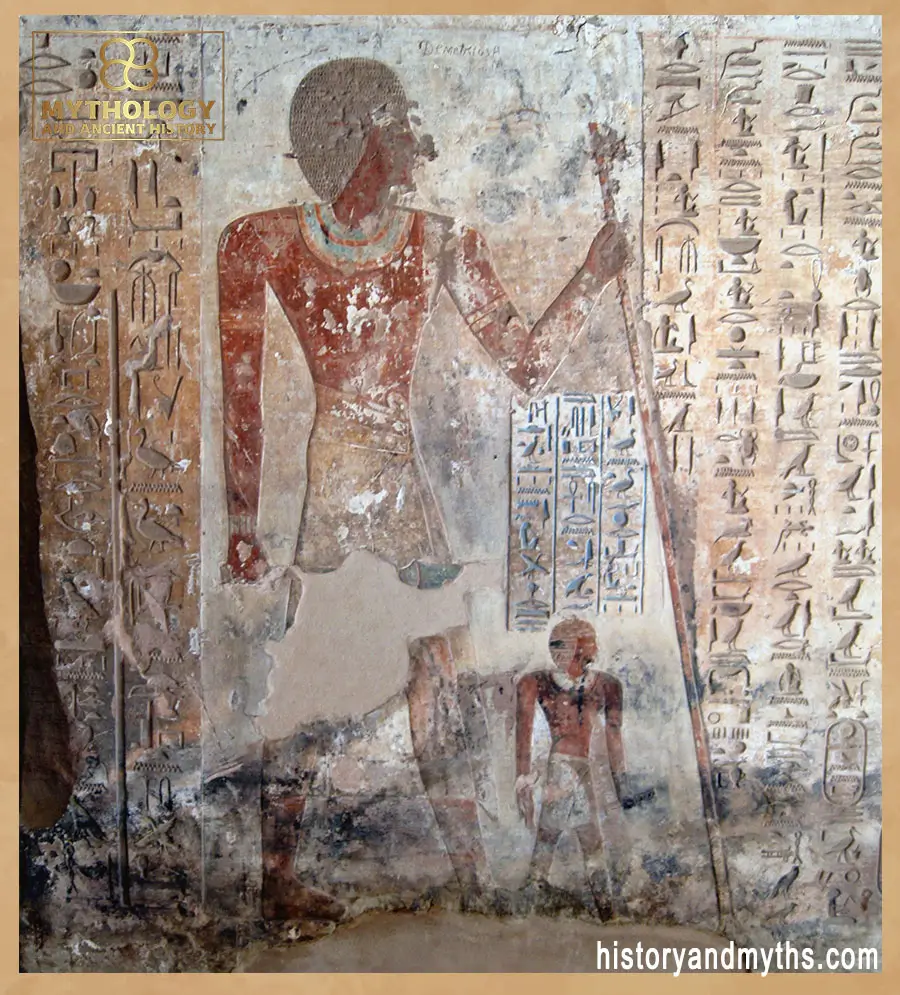
A Real Case Study: Ahmose son of Ebana and the Veteran Path to Status
Most discussions about veterans stay theoretical because they lack a personal story with clear outcomes. Ancient Egypt gives us one of the strongest examples in the autobiography of Ahmose son of Ebana, a soldier from Elkab who served during the wars that pushed Egypt into the early New Kingdom.
Ahmose describes his service as more than participation. He presents it as a career where results produced recognition. He fought in major operations during Egypt’s recovery and expansion, and his narrative repeatedly returns to the same idea: loyalty and performance were rewarded publicly and materially.
His story matters because it shows how military service could translate into long-term social advantage. Ahmose did not return home as a man with only experience. He returned with state recognition, tangible gains, and the kind of prestige that could lift a family’s position for generations. In the language of society, he became a veteran whose service had been converted into security and status.
This example is not meant to romanticize the army. It proves a more realistic point. Egypt did not need to reward every soldier heavily. It needed visible success stories that made service meaningful and politically reliable. Ahmose son of Ebana stands as a rare case where the veteran pathway is documented in detail, showing how warfare could become a form of social mobility inside the state’s power system.
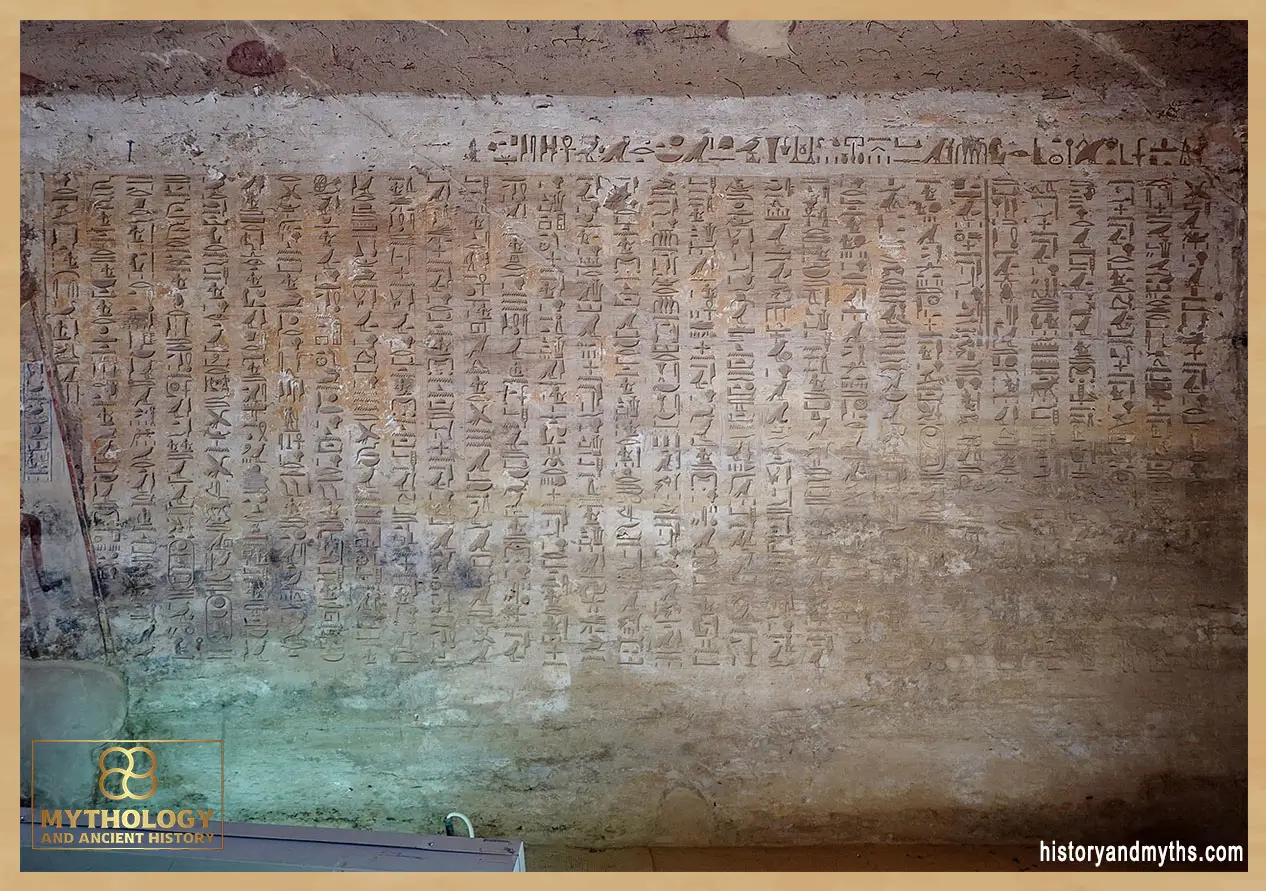
Image: Tomb of Ahmose, son of Ibana (Elkab, Egypt), photo by Olaf Tausch, 28 October 2019 — Source: Wikimedia Commons (CC BY 3.0; GFDL 1.2+)
Continue Reading
The Harder Reality: Injuries, Risk, and the Veterans We Never Hear About
The strongest evidence we have often comes from successful men with reasons to record their lives. That creates a built-in distortion. If we only follow victory stories, we misunderstand the average veteran experience.
Military service carried physical risk. Injuries, illness, and exhaustion could follow a soldier home and reduce his ability to work. In an agricultural society, physical capacity was economic capacity. A wounded veteran might return with honor but with fewer options, and honor does not plow fields or secure grain.
There was also the risk of social invisibility. Many soldiers were not high-ranking, not famous, and not rewarded in ways that left clear traces. They might return home without major gifts, or with rewards that solved a short-term problem but did not transform their lives. For these men, reintegration meant rebuilding routine life after disruption, sometimes with less stability than before.
Veterans in Ancient Egypt were not automatically privileged, and military service was not a guaranteed path upward. Some men gained status and security. Others gained only survival and memory. The difference depended on rank, success, connections, and the political value the state attached to rewarding them.
Veterans Were Not a “Class” — They Were a Political Problem
Ancient Egypt did not guarantee every former soldier a stable lifelong reward. Instead, the state managed veterans through selective recognition and practical opportunities, keeping trained men loyal and socially integrated after war ended.
Veterans Were a Social Asset the State Could Not Ignore
Veterans in Ancient Egypt were not defined by a fixed legal status, but by the social weight of military experience. Some returned to ordinary village life with little protection, while others translated service into prestige, rewards, and durable connections to state power. The outcomes were unequal, but the pattern is clear: military service could reshape a life.
For the government, veterans represented continuity. They preserved experience, reinforced loyalty, and provided disciplined manpower that could be mobilized again when the state needed it. For local society, veterans represented authority. They carried the reputation of service, the confidence of men who had seen power directly, and sometimes the influence that comes with state recognition.
The most accurate conclusion is also the simplest. Ancient Egypt did not create veterans by law. It created veterans through politics. And because the state depended on control, loyalty, and organized force, it had every reason to reward at least some of its soldiers after war ended, so they would remain useful rather than unpredictable.
Key Takeaways
- Ancient Egyptian veterans did not have a standardized legal status like modern systems.
- Some gained rewards, status, and long-term ties to state power, while many returned to ordinary life.
- The state benefited from keeping trained men loyal after war, using recognition as a tool.
- Veterans could hold social influence locally through reputation and experience.
- Success stories survive in inscriptions, but most veterans left little record behind.
FAQ
Did Ancient Egypt give veterans pensions?
Not as a uniform state system for all soldiers. Rewards existed, but they were selective and tied to rank, success, and political value.
Could a veteran become wealthy after service?
Yes in some cases, especially for men recognized for performance, but most veterans returned to ordinary work without major transformation.
Were veterans respected in local communities?
Often yes. Military service could create social authority, especially in places where order depended on reputation and experience.
What kind of jobs could veterans do after war?
Many returned to farming, while others found stability in guarding, supervision, and institutional work tied to state or temple needs.
Why would the state reward only some veterans?
Selective rewards created visible loyalty incentives while controlling costs, and helped keep experienced men tied to the regime.
Did veterans ever become a political threat?
They could in unstable periods, because trained men with local influence might shift loyalty toward regional power networks.
Why do we know more about some veterans than others?
Because successful veterans were more likely to record their careers in inscriptions, while ordinary soldiers left fewer traces.
Sources & Rights
- Dalley, Stephanie. The Hyksos: New Historical and Archaeological Perspectives. London: British Museum Press, 1997.
- Grajetzki, Wolfram. The Army of the Pharaohs. London: Pen and Sword, 2006.
- Kitchen, Kenneth A. Pharaoh Triumphant: The Life and Times of Ramesses II. Warminster: Aris & Phillips, 1982.
- Kemp, Barry J. Ancient Egypt: Anatomy of a Civilization. 2nd ed. London: Routledge, 2006.
- Spalinger, Anthony J. War in Ancient Egypt: The New Kingdom. Malden, MA: Blackwell Publishing, 2005.
- Van De Mieroop, Marc. A History of Ancient Egypt. Malden, MA: Wiley-Blackwell, 2011.
Written by H. Moses — All rights reserved © Mythology and History