How a Lawsuit Began in Ancient Greece: Accusation, Filing, Trial Process
A lawsuit in ancient Greece did not begin with a state investigation—it started when a citizen chose to act. To bring a case, the accuser had to file a formal…
Explore the history, society, politics, warfare, philosophy, art, religion, and daily life of ancient Greece. This section examines how Greek civilization developed across different regions and periods, how its institutions and ideas shaped the ancient Mediterranean world, and what historical and archaeological evidence reveals about its lasting influence.
A lawsuit in ancient Greece did not begin with a state investigation—it started when a citizen chose to act. To bring a case, the accuser had to file a formal…
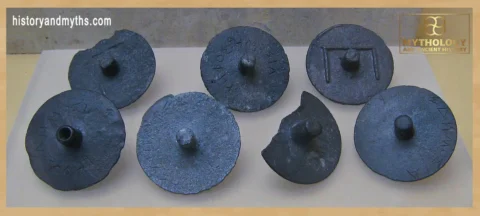
In Athenian courts, verdicts were decided directly by large juries through a secret ballot system, not by judges. Each juror received voting disks, chose one in private, and cast it…
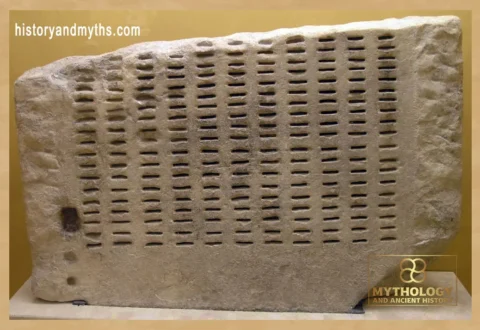
Athenian juries were selected through a structured random process designed to prevent control or bias. Eligible citizens enrolled for service, and each day jurors were chosen using a device called…
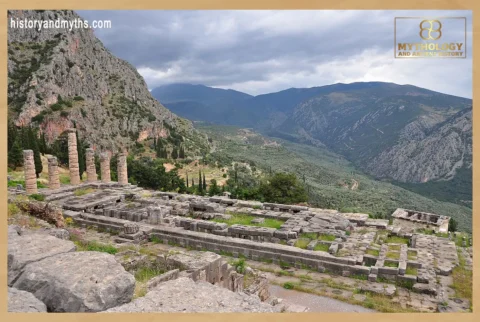
Ancient Greeks faced earthquakes, floods, droughts, and occasional volcanic events, with earthquakes posing the most immediate threat to cities and infrastructure. They explained these events in two ways: religiously, as…
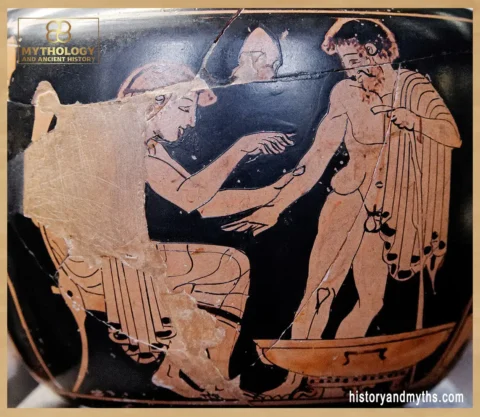
Ancient Greek medicine combined observation-based treatment with long-standing healing traditions, creating a system that could both explain illness and attempt to manage it. Physicians studied symptoms, tracked changes in the…
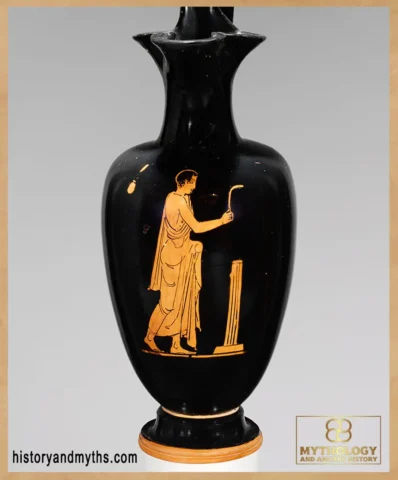
Ancient Greek baths were not large luxury complexes like those of Rome; they were simple, functional spaces tied closely to daily routines, especially in the gymnasium. Greeks maintained hygiene primarily…
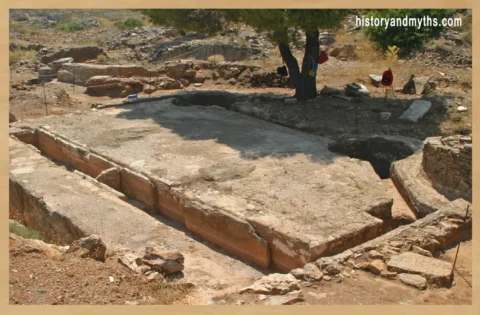
Ancient Greek mining and metal production were organized systems that turned raw resources into economic and political power. Greeks extracted silver, copper, iron, and gold from sites such as Laurion,…
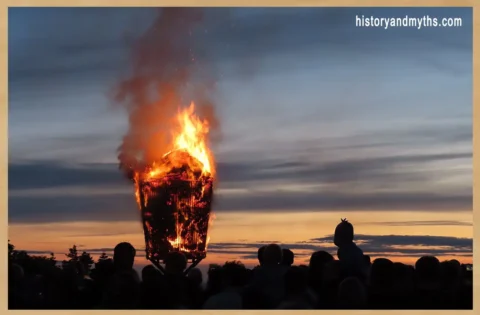
Ancient Greeks used fire signals and light beacons to send messages across long distances in a matter of minutes, long before written dispatches could arrive. By placing signal stations on…
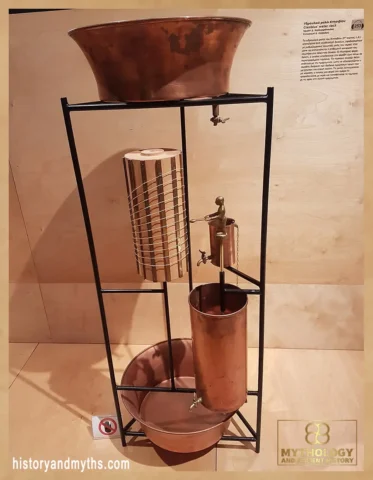
Greek timekeeping was based on a lunisolar calendar, where months followed the moon but the year was adjusted to match the sun. There was no single Greek calendar; each city-state…
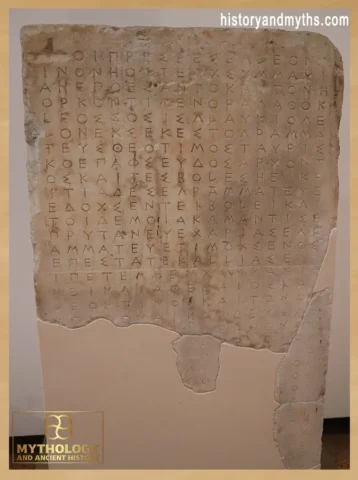
Ancient Greek diplomacy did not operate through a central government. Each city-state negotiated its own agreements, sent its own envoys, and decided when to form alliances or break them. Treaties…
In ancient Greece, crime and punishment were not handled by a permanent police force or a centralized authority. Punishment followed a trial and was carried out as the direct result…
Ancient Greek courts did not rely on professional judges or lawyers. Legal decisions were made by large citizen juries, and trials worked as structured debates where each side presented its…
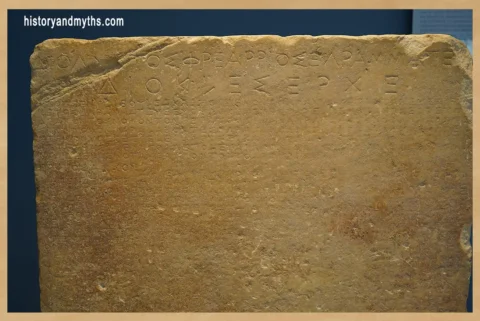
Ancient Greek law was not a single system applied across a unified state. Each city-state created and enforced its own laws, and there was no central authority to standardize justice….
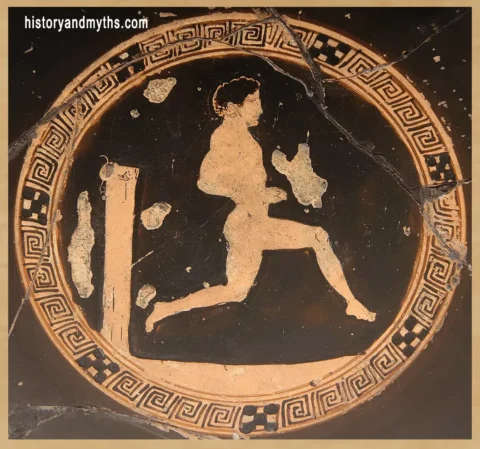
Communication in ancient Greece depended on people, not systems. There was no centralized postal network, so messages moved only as fast as a messenger could travel. Most communication was carried…
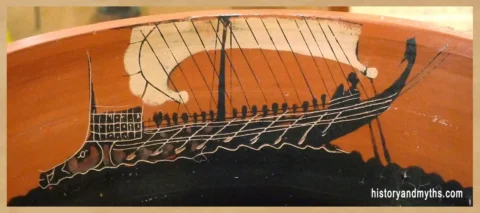
Travel in ancient Greece was limited, slow, and usually necessary—not optional. Most people did not move frequently, and when they did, it was for clear reasons such as trade, war,…
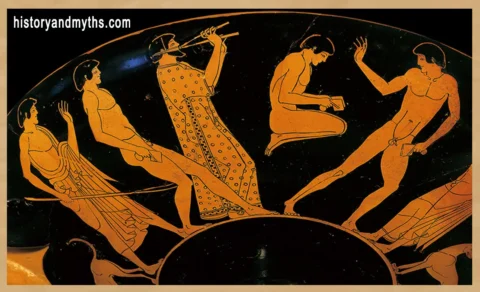
Athletics in ancient Greece was not built around competition—it was built around training. Before any public contest, there was a structured system focused on developing strength, endurance, and control. Most…
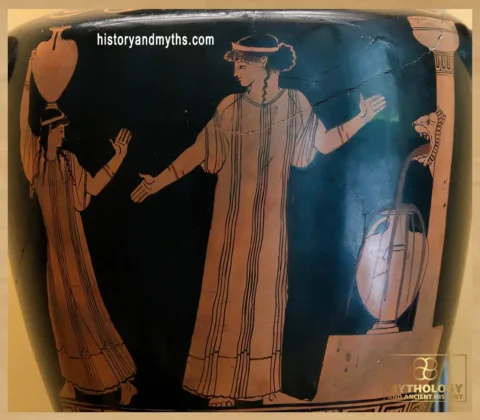
Clothing in ancient Greece was simple in form but precise in meaning. What people wore signaled gender, status, and role within the household and the city. Most garments were based…
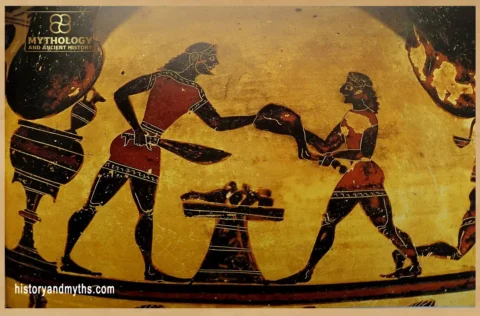
Ancient Greek food was simple, but not by choice. What people ate was shaped by limited farmland, a dry climate, and the need to sustain the household over time. The…