Ancient Greek Women: Roles, Restrictions, and Hidden Power
The role of women in ancient Greece was not random or simply restrictive—it was structured to serve specific social and economic functions. Women did not participate in public politics, but…
Explore the history, society, politics, warfare, philosophy, art, religion, and daily life of ancient Greece. This section examines how Greek civilization developed across different regions and periods, how its institutions and ideas shaped the ancient Mediterranean world, and what historical and archaeological evidence reveals about its lasting influence.
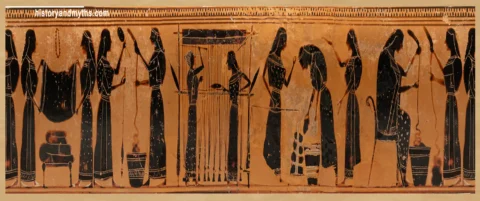
The role of women in ancient Greece was not random or simply restrictive—it was structured to serve specific social and economic functions. Women did not participate in public politics, but…
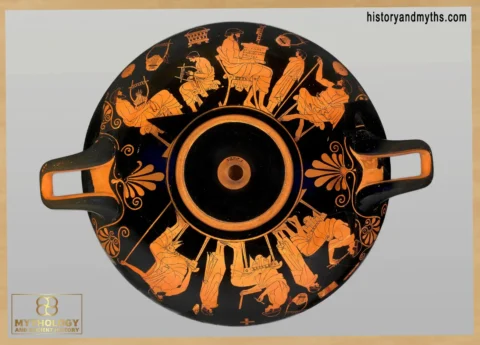
Greek education was not designed to transfer knowledge. It was built to produce a specific type of person—someone prepared to function within the structure of the city. What students learned,…
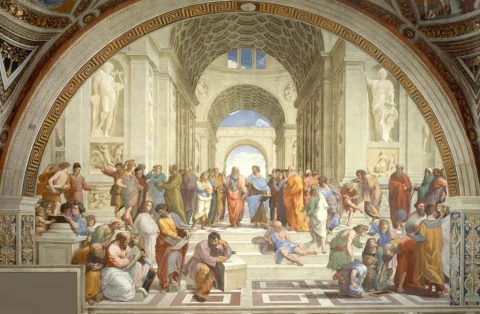
Greek philosophy is not a collection of abstract ideas. It is a method for thinking—one that focuses on asking precise questions, testing assumptions, and organizing knowledge into clear structures. What…
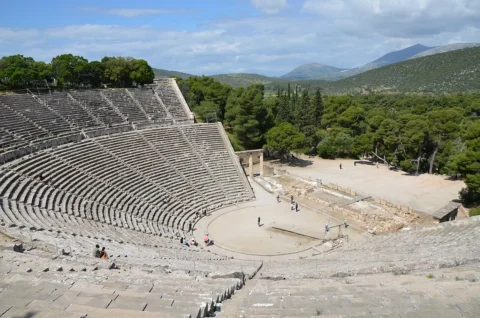
Greek theatre was not simply a place for entertainment. It was a structured system designed to control how performance was seen, heard, and experienced by a large audience at once….
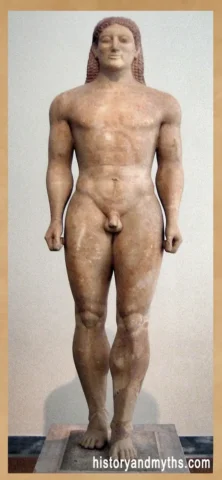
Greek sculpture is not simply about creating realistic statues. It is a structured approach to shaping the human body according to specific rules of proportion, balance, and visual control. What…
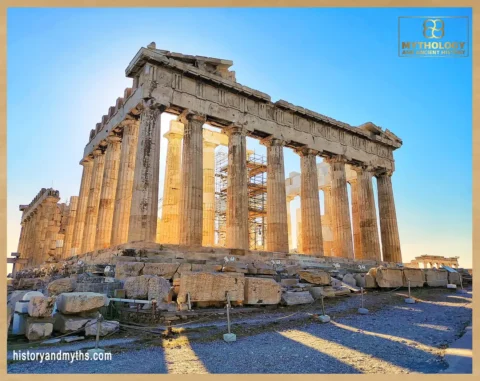
Greek architecture was not designed simply to create beautiful buildings. It was a structured system built to control how space is experienced, how structures are perceived, and how power is…
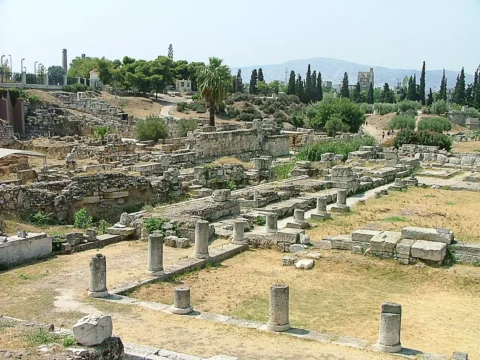
Ancient Greek daily life was not random or purely personal; it was structured by social roles, economic activity, and religious practice. A typical day was shaped by work, public interaction,…
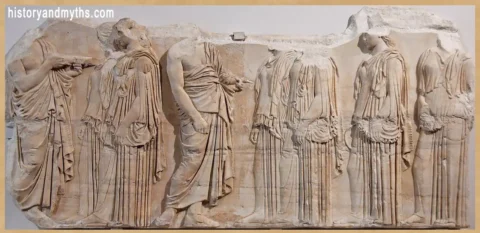
Greek festivals were not simple celebrations; they were organized religious events that combined ritual, community, and public display. At their core, they honored specific gods through sacrifices, processions, and competitions,…
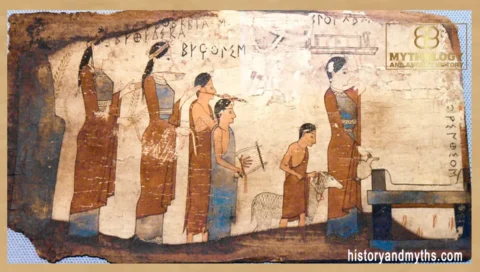
Greek gods were not abstract figures in stories; they were active parts of decision-making and daily life. People did not approach all gods in the same way. Each deity had…
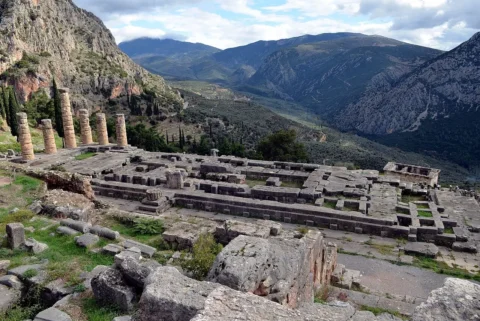
Greek religion was not based on a fixed set of beliefs or a sacred text. It functioned through ritual practice—a system of offerings, sacrifices, and festivals that maintained the relationship…
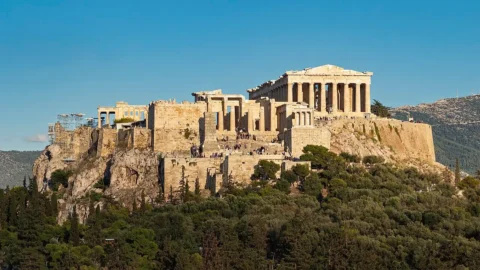
Greek temples were not designed as places for public worship, but as houses for the gods. Unlike later religious buildings, most rituals and sacrifices took place outside, while the temple…
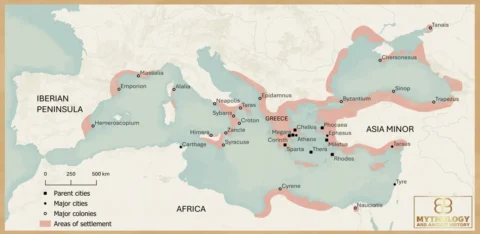
Greek colonization was not driven by empire-building in the modern sense, but by necessity and opportunity. From the eighth century BCE onward, many Greek city-states faced a structural problem: limited…
Greek trade networks were not optional—they were necessary for survival. Most Greek city-states could not produce enough grain due to limited fertile land, so they depended on maritime trade to…
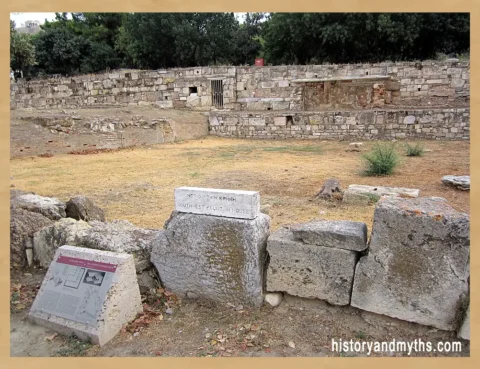
The economy of ancient Greece was built on three foundations: agriculture, trade, and local markets. Because the Greek mainland is mountainous and poor in fertile land, most communities could not…

War was a constant feature of the Greek world because the region was divided into hundreds of independent city-states, each responsible for its own defense and interests. Without a unified…
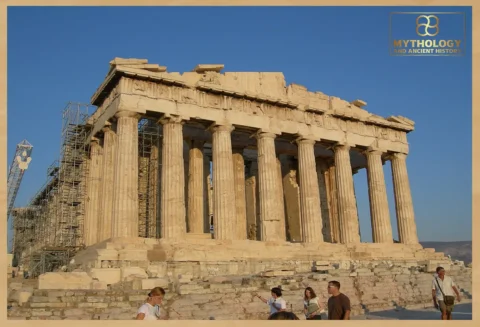
Ancient Greece was not a single unified state but a landscape of independent city-states, each with its own political system and social order. Among them, two cities became the most…
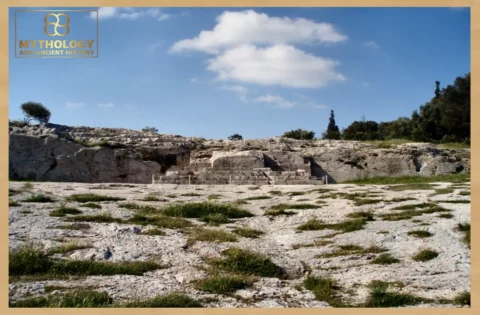
Ancient Greek democracy did not resemble modern representative systems. In the city-state of Athens, political decisions were made directly by citizens rather than by elected officials. Adult male citizens gathered…
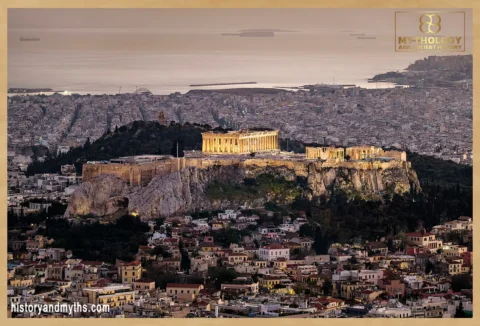
Ancient Greece was never a single unified country. Instead, it was a network of independent political communities known as city-states, or poleis. Each of these city-states functioned as a small,…