Ancient Greek Baths and Hygiene: How Greeks Cleaned Their Bodies
Ancient Greek baths were not large luxury complexes like those of Rome; they were simple, functional spaces tied closely to daily routines, especially in the gymnasium. Greeks maintained hygiene primarily by coating the body with oil and then scraping off dirt and sweat with a tool called a strigil, rather than washing with soap. Bathing typically involved cold water and focused on restoring the body after physical activity. In practice, hygiene was integrated into everyday life—linked to exercise, health, and routine maintenance rather than comfort or leisure.
What Were Public Baths in Ancient Greece?
Greek public baths were small, practical facilities designed for washing rather than extended leisure. They were often attached to or located near the Gymnasium, which tells you their purpose: clean the body after exercise and return it to a usable state. There was no attempt to create a multi-room experience. A bath was a place to wash, not a destination to spend hours.
Water use reflected that simplicity. Cold water was standard, supplied through basins or simple pools, with pouring or immersion depending on the setup. Heating existed in limited forms, but it was not the defining feature. What mattered was access and turnover—people could arrive, clean themselves, and leave without delay.
The layout followed the same logic. Instead of large halls, you find compact rooms or open washing areas with minimal separation. Space was organized to support a sequence—arrive from training, clean the body, and move on—rather than to guide visitors through a staged experience. This kept construction and maintenance low while serving a consistent daily need.
Public use was typical, especially for male citizens engaged in athletic or civic routines. These spaces functioned as extensions of everyday activity, not as special-purpose institutions. Their design makes sense once you see the role: hygiene was routine maintenance tied to movement and work, not a luxury service built around comfort.
| Element | How It Worked | Purpose | Key Feature |
|---|---|---|---|
| Cleaning Method | Oil applied then scraped with strigil | Remove sweat and dirt efficiently | No soap required |
| Water Use | Cold water rinse after scraping | Cool and finish cleaning | Minimal water needed |
| Bath Location | Near gymnasiums or public areas | Serve daily routines | Integrated with activity |
| Facilities | Small basins and simple rooms | Quick access and turnover | Functional design |
| Daily Use | Cleaning after exercise | Maintain body condition | Routine-based hygiene |
| Social Role | Shared use in public spaces | Support interaction | Part of daily life |
How Greeks Actually Cleaned Their Bodies
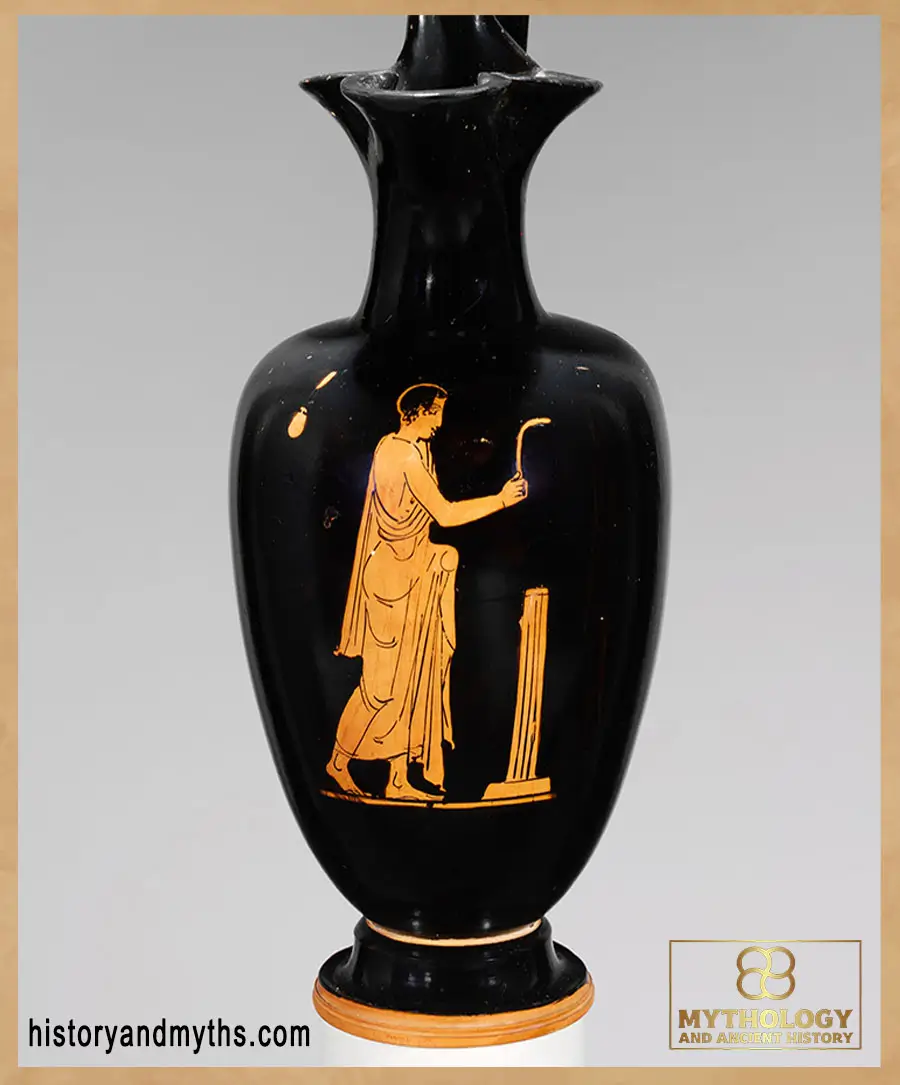
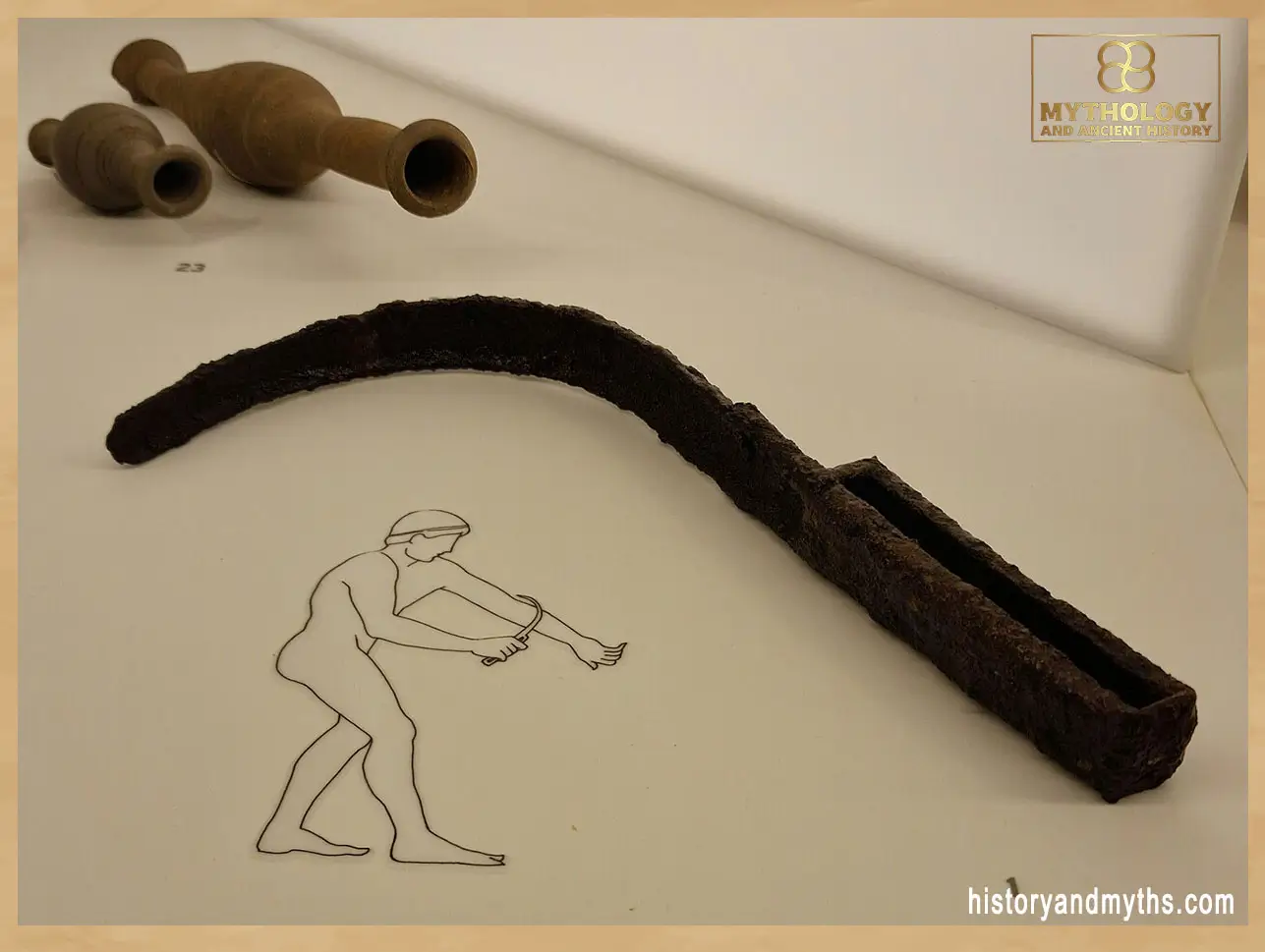
Greek hygiene did not start with water. It started with oil. After exercise, the body was covered in a thin layer of oil, which trapped sweat, dust, and debris on the skin. Instead of rinsing immediately, this layer was then removed using a strigil, a curved metal scraper that pulled the mixture off in a single motion.
This method worked because it targeted what needed to be removed. Sweat and dirt adhered to the oil, so scraping separated them from the skin more efficiently than water alone. The result was a clean surface without prolonged soaking or scrubbing. It also avoided reliance on soap, which was not a standard part of Greek daily hygiene.
Water came after scraping, not before. A quick rinse—often with cold water—removed any remaining residue and cooled the body. The sequence mattered: oil to bind impurities, scraping to remove them, water to finish. Reversing that order reduced effectiveness.
The process was repeatable and efficient. It required minimal equipment, little time, and could be performed in shared spaces without crowding. That is why it became standard practice, especially around the gymnasium. Hygiene was not about comfort; it was about restoring the body quickly after exertion and maintaining a consistent routine.
The Role of the Gymnasium in Hygiene
Hygiene in the Greek world was anchored in the gymnasium, where physical training and body care were treated as a single routine. Exercise produced sweat and dust; cleaning followed immediately as part of the same sequence. The bath was not a separate destination—it was the finishing step after training.
This integration explains both the location and the method. Facilities for washing were placed alongside training areas so that the transition from activity to cleaning required no delay. The use of oil and the strigil fits this setting: it works quickly, needs little water, and can be done in shared space without complex infrastructure.
The gymnasium also imposed a schedule. Training sessions created predictable cycles—arrive, exercise, clean, leave—which standardized when and how people maintained hygiene. That regularity made cleanliness routine rather than occasional. It did not depend on individual preference; it followed the structure of daily activity.
There is also a practical dimension. Because hygiene was tied to exercise, it was repeated frequently. Regular scraping and rinsing prevented buildup rather than addressing it after the fact. The system favored consistency over intensity: short, repeated cleaning tied to movement instead of long, infrequent bathing.
Seen this way, the gymnasium functioned as more than a training ground. It was the point where body maintenance was organized, ensuring that hygiene remained part of daily life rather than an isolated practice.
Bathing Spaces and Design
Greek bathing spaces were built for use, not experience. Most were simple rooms or open areas with basins and pools supplied by basic water systems. There was no layered sequence of heated chambers. The layout supported a short process—arrive, clean, rinse, leave—without unnecessary steps.
Water infrastructure was minimal but effective. Basins were fed by nearby sources or stored water, and the focus was on availability rather than temperature control. Cold water dominated because it was easy to supply and matched the post-exercise routine. Where heated water existed, it was limited and did not define the space.
The scale remained small. Instead of large halls, these facilities were compact and functional, allowing steady use without crowding. Surfaces were designed to handle water and repeated traffic, not to impress. The architecture reflects priority: durability and accessibility over comfort.
Placement also mattered. Baths were located where they could serve daily movement—near training areas, public spaces, or routes people already used. This reduced friction. Hygiene did not require a separate trip; it fit into existing patterns.
In practical terms, the design removed barriers. No complex systems, no long stays, no dependence on specialized heating. The environment supported a fast, repeatable process that aligned with how Greeks actually used bathing: as routine maintenance, not extended leisure.
Ancient Greek hygiene was based on a simple but effective system: apply oil, scrape off dirt and sweat with a strigil, then rinse with water. Public baths were small and functional, usually connected to gymnasiums, and designed for quick use rather than comfort. Hygiene was not occasional—it was a daily routine built into exercise and public life.
© historyandmyths.com — Educational use
Public vs Private Hygiene
Greek hygiene was split between shared spaces for routine cleaning and private practices for basic upkeep. Public baths handled what followed exercise—oil application, scraping, and a quick rinse—because they were positioned next to training and built for turnover. They solved the immediate problem created by physical activity.
Private hygiene was simpler and more flexible. In the home, cleaning meant washing with water, maintaining the body between visits to public facilities, and handling needs that did not require shared infrastructure. This was not a duplicate of the public routine; it was a lighter version that kept the body in acceptable condition day to day.
Access shaped the balance. Men who used the Gymnasium regularly relied more on public spaces because their routine included exercise. Others depended more on domestic washing. The system did not force one approach; it divided tasks by context.
The result was complementary use. Public spaces provided efficient cleaning tied to activity, while private spaces maintained continuity between those moments. Neither replaced the other. Together, they kept hygiene regular without requiring large, centralized facilities or long, dedicated visits.
Hygiene and Health
Greek hygiene was practical and tied to observable effects rather than abstract theory. Cleaning followed exertion because sweat and dust were seen as things that should be removed before they accumulated. The oil-and-scraping method cleared the skin efficiently, and the final rinse cooled the body, reducing fatigue after activity.
There was no modern concept of germs, but there was a clear link between routine cleaning and physical condition. Regular removal of residue from the skin prevented irritation and discomfort, especially for those training daily. Hygiene was therefore preventative in practice: short, repeated cleaning reduced problems before they developed.
Temperature also played a role. Cold water was common not because it was preferred for comfort, but because it was available and effective for recovery. After exertion, cooling the body quickly helped restore normal function. Heating water required additional resources, so it was used selectively rather than as a standard feature.
What matters is consistency. The system did not rely on occasional deep cleaning. It relied on frequent, efficient maintenance tied to daily activity. That approach aligned with how the body was used and kept hygiene integrated with health without requiring complex facilities or extended time.
Social and Cultural Role
Greek bathing was embedded in routine, but it also created a shared social setting. Because cleaning followed the same schedule as training, people encountered each other at predictable times and places. Conversation, observation, and informal exchange happened alongside the practical task of washing. The space did not need to be designed for socializing; it became social because of repeated use.
This environment reinforced norms about the body and behavior. Regular exposure to others during and after exercise made standards of fitness and cleanliness visible and comparable. Hygiene was not only personal maintenance; it was part of how individuals presented themselves within the community.
Access shaped participation. In spaces connected to the Gymnasium, the routine primarily reflected the activities of male citizens engaged in training and civic life. That focus influenced how these places functioned: efficient, shared, and tied to public activity rather than private comfort.
What matters is that bathing supported continuity of interaction. It did not create a separate social world; it extended the one already formed through daily movement and exercise. The role of the bath, then, was not to entertain but to maintain both the body and the rhythm of collective life.
Why Greek Baths Were Different from Roman Baths
Greek baths were built around speed and function, while Roman baths were built around duration and experience. In the Greek system, bathing followed a clear sequence—exercise, oil application, scraping, rinse—and then exit. The space supported that sequence without adding extra stages.
Roman baths introduced a different model. They expanded bathing into a multi-room process with controlled temperatures and extended stays. Movement between rooms—cold, warm, and hot—became part of the experience, and facilities were designed to accommodate longer visits. This required more infrastructure and a different use of time.
The difference comes from purpose. Greek baths were tied to the routine of the Gymnasium, so efficiency mattered. Roman baths functioned as broader social environments where people stayed longer, so comfort and variety were built into the design.
This contrast explains why Greek bathing appears simpler. It was not underdeveloped; it was aligned with a system that prioritized regular use and quick turnover. Roman baths did not replace that logic; they introduced a separate one based on extended use and environmental control.
Why Greek Baths and Hygiene Mattered
Greek bathing mattered because it turned hygiene into a repeatable daily system rather than an occasional activity. By linking cleaning directly to exercise in places like the Gymnasium, it ensured that the body was maintained regularly without requiring extra time or complex facilities.
The system worked through consistency. Oil application, scraping, and rinsing were simple steps that could be repeated after each session. This reduced buildup on the skin and kept the body in a usable state for continued activity. Hygiene was not a separate concern; it was part of how the body was managed.
It also reduced dependence on infrastructure. Because the method relied on minimal water and simple tools, it could function in shared spaces without heavy resource demands. This made regular cleaning accessible and sustainable within the limits of the environment.
The result was practical rather than theoretical. Greek hygiene did not aim for perfection; it aimed for reliability. By embedding cleaning into routine, it maintained physical condition and supported daily life without turning bathing into a time-consuming or resource-heavy process.
Greek public baths and hygiene worked as a practical system tied to daily activity, not as a separate luxury. Cleaning followed a clear sequence—oil, scraping, and rinsing—designed to remove sweat and dirt quickly after exercise. Facilities were simple because they served a specific purpose: restore the body and keep routines moving.
What defines the system is integration. Hygiene was built into the rhythm of the Gymnasium, making it regular and repeatable without extra effort. The design, the method, and the timing all support the same outcome: efficient body maintenance.
This is why Greek bathing looks minimal compared to later traditions. It was not intended to provide comfort or extended use. It was structured to work within the constraints of time, space, and resources while maintaining the body consistently.
- Greek hygiene relied on oil and scraping, not soap.
- The strigil was the key tool for cleaning the body.
- Public baths were simple and designed for quick use.
- Hygiene was closely tied to exercise in the gymnasium.
- Cold water was commonly used for rinsing and recovery.
- Bathing was routine maintenance, not luxury or leisure.
- Greek baths differed from Roman baths in scale and purpose.
Frequently Asked Questions
How did ancient Greeks clean their bodies?
They used oil and a strigil to scrape off dirt and sweat, followed by a water rinse.
Did ancient Greeks use soap?
No. Cleaning was based on oil and scraping rather than soap.
What is a strigil?
A curved metal tool used to scrape oil, sweat, and dirt from the skin.
Were Greek public baths like Roman baths?
No. Greek baths were smaller and more functional, without large heated rooms.
Why were baths connected to gymnasiums?
Because hygiene was part of the routine after physical exercise.
Was bathing a daily activity in ancient Greece?
Yes. It was part of regular body maintenance, especially for those who trained daily.
Sources & Rights
- Yegül, Fikret. Baths and Bathing in Classical Antiquity. MIT Press.
- Scanlon, Thomas F. Eros and Greek Athletics. Oxford University Press.
- Miller, Stephen G. Ancient Greek Athletics. Yale University Press.
- Golden, Mark. Sport and Society in Ancient Greece. Cambridge University Press.
- Garland, Robert. Daily Life of the Ancient Greeks. Greenwood Press.
- Cartledge, Paul. Ancient Greece: A Very Short Introduction. Oxford University Press.
- Burkert, Walter. Greek Religion. Harvard University Press.
- Parker, Robert. Polytheism and Society at Athens. Oxford University Press.
- Jones, Peter V. Daily Life in Ancient Greece. Bristol Classical Press.
- Boardman, John. The Greeks Overseas. Thames & Hudson.
- Hornblower, Simon. The Oxford Classical Dictionary. Oxford University Press.
- Hippocrates. On Airs, Waters, and Places.
- Longrigg, James. Greek Medicine: From the Heroic to the Hellenistic Age. Routledge.
- Nutton, Vivian. Ancient Medicine. Routledge.
- Totelin, Laurence. Hippocratic Recipes. Brill.
- Thompson, Dorothy J. Memphis Under the Ptolemies. Princeton University Press.
- Humphreys, Sally C. The Family, Women and Death. University of Michigan Press.
- Neils, Jenifer. The Parthenon: From Antiquity to the Present. Cambridge University Press.
- Riginos, Alice Swift. Platonica. Brill.
- Lee, Mireille M. Body, Dress, and Identity in Ancient Greece. Cambridge University Press.
Written by H. Moses — All rights reserved © Mythology and History