Ancient Greek Travel and Mobility: How People Moved
Travel in ancient Greece was limited, slow, and usually necessary—not optional. Most people did not move frequently, and when they did, it was for clear reasons such as trade, war, or religious activity. Distance, terrain, and risk shaped every decision. Overland routes were difficult due to mountains and poor roads, while sea travel was faster but unpredictable and dangerous.
Movement depended on purpose and planning. Travelers had to consider timing, weather, and available routes, especially when relying on ships. There was no unified network that made travel easy or routine. Instead, mobility followed patterns built around geography and need.
As a result, travel was not part of daily life for most people. It was controlled, purposeful, and shaped by the limits of the environment.
The Core System: Movement Under Constraints
Mobility in ancient Greece follows limits, not preference. Every journey is shaped by three factors that cannot be ignored: distance, terrain, and risk. These determine whether movement is possible, how long it takes, and whether it is worth attempting.
Distance is measured in time, not in units. A short route across difficult ground can take longer than a longer coastal path. Planning depends on how far a person can move within a day and where they can stop. Movement is broken into stages rather than completed in a single stretch.
Terrain sets the route. Mountain ranges divide regions into smaller zones, forcing travelers to follow narrow passes or indirect paths. There is no continuous road network linking all areas, so movement depends on known routes that can be repeated safely. Leaving those routes increases uncertainty.
Risk remains constant. On land, isolation and exposure create problems if something goes wrong. At sea, weather and navigation introduce different hazards. Neither option removes risk; it shifts its form. This is why travel decisions are calculated rather than spontaneous.
The system works because it restricts movement to what can be managed. Travel happens when the purpose justifies the cost in time and risk, and when a viable route exists to support it.
| Factor | Effect on Travel | Outcome |
|---|---|---|
| Geography | Mountains and coastline shape routes | Fragmented movement paths |
| Land Travel | Slow and route-dependent | Predictable but limited mobility |
| Sea Travel | Faster but weather-dependent | Extended reach with higher risk |
| Purpose | Trade, war, religion | Justified movement |
| Planning | Stage-based travel | Reliable completion |
Geography: The Main Driver of Movement
Geography determines how and where people move before any decision is made. The Greek landscape is fragmented—mountain ranges divide the mainland into isolated zones, while the coastline and islands open alternative paths by sea. Movement follows these natural lines rather than cutting across them.
Overland travel is constrained by elevation and narrow passes. Routes do not run straight; they bend around obstacles and connect valleys instead of crossing ridges. This creates predictable corridors of movement. Travelers use the same passages repeatedly because they are the only reliable options.
The sea changes the scale. Coastlines and island chains create step-by-step routes that link distant points more efficiently than land. Short crossings between visible landmarks reduce uncertainty and allow progress without long inland detours. Where land blocks movement, the sea connects it.
This split produces a dual system. Inland areas rely on limited, stable paths shaped by terrain. Coastal and island regions depend on maritime routes that expand reach but introduce different risks. The choice between land and sea is not preference—it is determined by the geography of the route itself.
Land Travel: Slow, Routed, and Predictable
Movement over land follows fixed paths and advances in stages. There is no continuous network that allows direct travel between distant points, so routes connect known stops—valleys, settlements, and passes—where a traveler can rest and resupply. Progress depends on reaching these points in sequence.
Speed is limited by terrain and load. Walking is the default, with pack animals used where the path allows it. Wagons are restricted to the few stretches of ground that can support them, so most routes are designed for foot traffic. This keeps movement steady but slow.
Planning focuses on distance per day. Travelers calculate how far they can go before daylight ends and where they will stop. Deviating from established routes introduces uncertainty—finding water, shelter, or assistance becomes harder—so known paths are preferred even if they are longer.
Reliability comes from repetition. The same roads and tracks are used because they work. They are not optimized for speed; they are optimized for completion. Travel succeeds when each stage can be reached consistently, not when the route is shortest.
Sea Travel: Faster Reach, Higher Risk
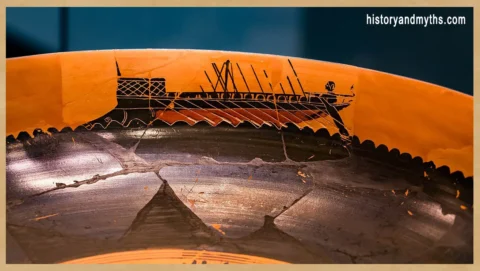
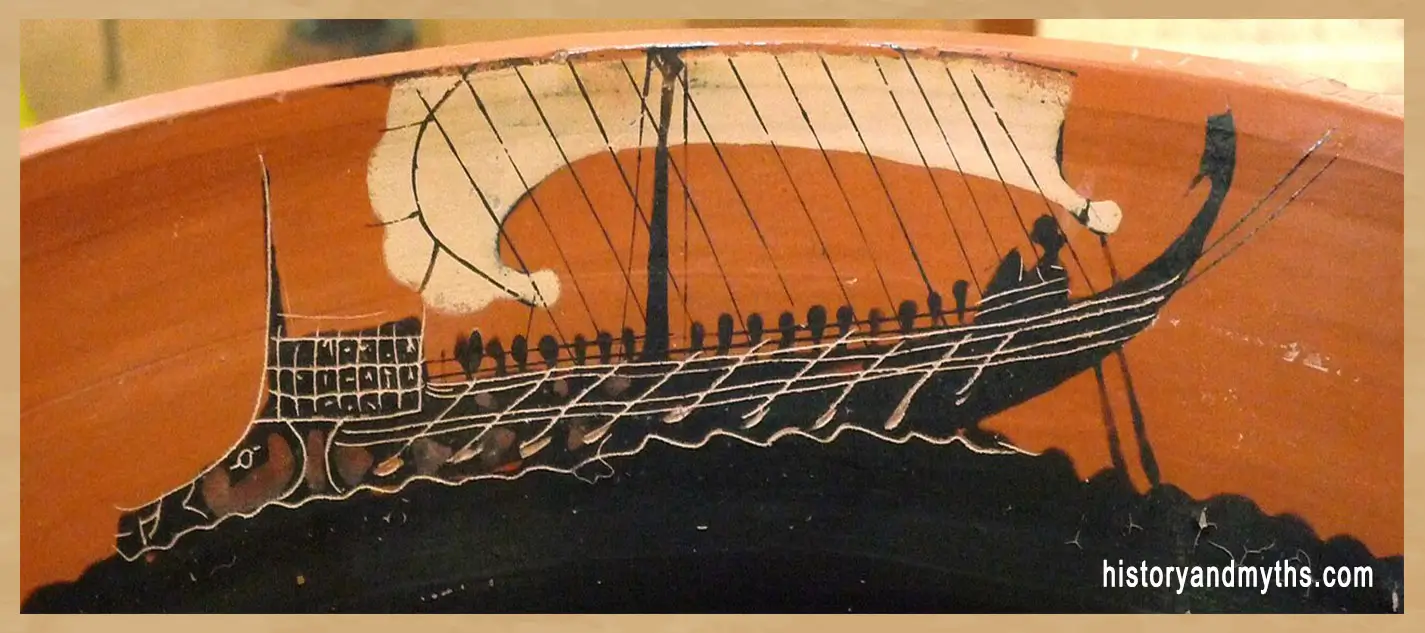
Sea routes expand distance but add uncertainty. When conditions are favorable, ships cover ground that would take days on land in a fraction of the time. Coastlines and island chains create stepwise navigation—moving from one visible point to the next—so long detours inland can be avoided.
Speed depends on conditions, not on schedule. Wind direction, sea state, and daylight determine when a voyage starts and how far it goes. Sailors wait for usable weather, then move quickly. This makes travel efficient when it works and unpredictable when it does not.
Risk is constant. Storms, shifting winds, and limited visibility can interrupt or end a journey without warning. Unlike land travel, where progress can continue at reduced speed, sea travel can stop entirely. Decisions are made to manage this risk—hugging the coast, choosing shorter crossings, and timing departures.
Capacity is the advantage. Ships carry goods and groups more effectively than overland routes. This makes maritime travel central for trade and long-distance movement, even with the added danger.
The trade-off is clear: the sea offers reach and speed, but only when conditions allow it.
Why People Traveled: Purpose Before Movement
Travel begins with a clear objective. Movement without purpose is avoided because it consumes time, exposes the traveler to risk, and interrupts routine. Most journeys fall into a few categories, each with its own constraints.
Trade is the most regular driver. Merchants move goods between regions that produce different resources. Routes are chosen for reliability and capacity—often coastal paths by sea or established inland corridors. Timing aligns with seasons and market cycles, not with convenience.
War creates forced movement. Armies and messengers travel along the same limited routes but under pressure. Speed matters, but so does coordination. Movement is organized in stages to keep units supplied and aligned, which slows progress but maintains order.
Religious travel follows a different pattern. Pilgrims move toward specific sites at known times, creating periodic flows rather than continuous traffic. These journeys are planned in advance and rely on the same predictable routes used for other purposes.
Personal travel exists but remains limited. Family matters, legal obligations, or temporary relocation can require movement, yet these cases still follow the same rules—planned stages, known paths, and a defined endpoint.
Across all cases, the logic is consistent. Travel is justified first, then organized around routes and timing that make completion possible.
Travel in ancient Greece was not free movement but a controlled system shaped by geography, risk, and purpose. People moved only when necessary, using known routes and planning journeys in stages to ensure completion.
© historyandmyths.com — Educational use
Infrastructure and Routes: Limited but Defined
Travel depends on a small number of established routes rather than a continuous network. Paths connect specific points—ports, passes, and settlements—and are reused because they are known to work. Movement stays within these corridors to reduce uncertainty.
On land, roads vary in quality. Some sections are reinforced or paved, but many are simple tracks shaped by repeated use. They are maintained where traffic justifies it, not extended to cover all areas. This creates gaps that travelers must plan around.
At sea, infrastructure is minimal but strategic. Harbors and anchor points define where ships can stop safely. These locations structure maritime routes the same way passes structure land travel. A voyage is planned as a sequence of reachable stops.
Navigation relies on familiarity rather than formal systems. Landmarks, coastlines, and known distances guide movement. This keeps routes stable over time, even without centralized planning.
The result is a network that is narrow but reliable. It does not maximize coverage; it supports repeatable movement along proven paths.
Time, Distance, and Planning: Movement in Stages
Travel is organized around what can be completed in a day. Distance is not treated as a fixed number but as a range defined by terrain, load, and daylight. A route is broken into segments that connect known stopping points, and each segment has to be achievable without overextension.
Timing sets the limits. On land, progress depends on daylight hours and physical endurance. At sea, it depends on weather windows that allow departure and safe passage. Delays are expected, so plans include margins rather than exact schedules.
Preparation focuses on continuity. Travelers carry what they need for the next stage and rely on established stops for the rest. Missing a planned stop creates risk, so routes are chosen for reliability, not for speed.
Coordination matters when groups are involved. Larger movements require synchronization—departure times, rest points, and pacing—so that the group stays intact. This adds control but reduces flexibility.
The system works by turning a long journey into a series of manageable steps. Completion depends on reaching each stage in sequence, not on covering the total distance at once.
Social and Economic Impact: Movement as Exchange
Mobility shapes exchange more than it expands it. Because movement is limited, goods, people, and ideas concentrate along the routes that exist. Markets grow where routes meet—ports, crossings, and key settlements—because that is where movement can be completed reliably.
Trade follows these lines. Regions specialize based on what can be moved out and what can be brought in. Transport cost and risk determine value as much as supply. Items that travel well and fit available routes become common in exchange, while others remain local.
Information moves the same way. News, practices, and skills spread along repeated paths through merchants, travelers, and seasonal movement. There is no continuous flow across all areas; transmission is uneven and tied to the routes that connect them.
Social effects are localized. Communities along major routes see more contact and change, while isolated areas remain stable. Movement does not erase differences; it redistributes them along specific corridors.
The result is a network defined by concentration. Where movement is possible, exchange intensifies. Where it is not, continuity holds.
Mobility vs Settlement: Stability Over Movement
Most people remain where they are. Movement exists, but it does not replace settlement as the dominant pattern. Daily life depends on continuity—land, household, and local ties—so travel is temporary and bounded.
Decisions to move are constrained by cost and disruption. Leaving a place means stepping outside established support—family, resources, and known routes. Unless the purpose justifies that cost, staying is the rational choice. This keeps mobility selective rather than common.
When movement happens, it is structured to return or to connect to another stable point. Traders follow cycles between the same locations. Messengers move along fixed lines and back. Even longer relocations link one settled environment to another rather than creating constant motion.
The system balances reach with stability. Routes allow exchange and coordination across distance, but they do not produce a mobile society. What persists is a pattern where movement serves settlement, not the other way around.
Movement Defined by Limits
Travel in ancient Greece is shaped by what cannot be changed—terrain, distance, and risk. These limits determine when movement happens, which routes are used, and how far a journey can go. Choice exists, but only within those boundaries.
Land and sea offer different advantages, yet neither removes constraint. Overland routes provide continuity but restrict speed. Maritime routes extend reach but depend on conditions that cannot be controlled. Every journey is a balance between these options.
What results is a system where movement is planned, staged, and justified. People do not travel often, and when they do, they follow paths that make completion possible. Mobility supports exchange and coordination, but it does not replace the stability of settled life.
- Travel in ancient Greece was limited and purpose-driven.
- Geography was the main factor shaping movement.
- Land travel was slow but predictable along fixed routes.
- Sea travel allowed faster movement but carried significant risk.
- Journeys were planned in stages based on time and distance.
- Mobility supported trade and exchange but did not replace settlement.
Frequently Asked Questions
How did people travel in ancient Greece?
Travel was done on foot, by animal, or by sea, depending on distance and purpose.
Was travel common in ancient Greece?
No, most people traveled only when necessary due to time, cost, and risk.
Which was faster, land or sea travel?
Sea travel was faster but depended heavily on weather conditions.
Why did people travel in ancient Greece?
Common reasons included trade, war, and religious activities.
Did Greece have a developed road system?
No, routes were limited and followed natural paths rather than a unified network.
How were long journeys planned?
Journeys were divided into stages based on daily travel limits and known stopping points.
Sources & Rights
- Casson, Lionel. Travel in the Ancient World. Johns Hopkins University Press, 1994.
- Horden, Peregrine, and Nicholas Purcell. The Corrupting Sea. Blackwell, 2000.
- Garnsey, Peter, and Richard Saller. The Roman Empire: Economy, Society and Culture. University of California Press, 1987.
- Finley, Moses I. The Ancient Economy. University of California Press, 1999.
- Osborne, Robin. Greece in the Making. Routledge, 1996.
- Hansen, Mogens Herman. The Athenian Democracy. Blackwell, 1991.
- Cartledge, Paul. Ancient Greece: A History in Eleven Cities. Oxford University Press, 2009.
- Snodgrass, Anthony. An Archaeology of Greece. University of California Press, 1987.
- Whitley, James. The Archaeology of Ancient Greece. Cambridge University Press, 2001.
- Morris, Ian. Archaeology as Cultural History. Blackwell, 2000.
- Sealey, Raphael. A History of the Greek City States. University of California Press, 1976.
- Ault, Bradley A. The Houses at Halieis. Indiana University Press, 2005.
- Allison, Penelope M. The Archaeology of Household Activities. Routledge, 1999.
- Foxhall, Lin. “Household, Gender and Property in Classical Athens.” The Classical Quarterly, 1989.
- Garland, Robert. Daily Life of the Ancient Greeks. Greenwood Press, 1998.
- Pomeroy, Sarah B. Goddesses, Whores, Wives, and Slaves. Schocken Books, 1975.
- Young, David C. A Brief History of the Olympic Games. Blackwell, 2004.
- Kyle, Donald G. Sport and Spectacle in the Ancient World. Wiley-Blackwell, 2007.
- Harris, H.A. Greek Athletes and Athletics. Hutchinson, 1964.
- Spivey, Nigel. The Ancient Olympics. Oxford University Press, 2004.
Written by H. Moses — All rights reserved © Mythology and History