What a Typical Day Looked Like in Ancient Athens
A typical day in ancient Athens followed a structured rhythm shaped by daylight, public activity, work, and civic life. Markets became crowded early in the morning, workshops opened shortly after…
Explore the history, society, politics, warfare, philosophy, art, religion, and daily life of ancient Greece. This section examines how Greek civilization developed across different regions and periods, how its institutions and ideas shaped the ancient Mediterranean world, and what historical and archaeological evidence reveals about its lasting influence.
A typical day in ancient Athens followed a structured rhythm shaped by daylight, public activity, work, and civic life. Markets became crowded early in the morning, workshops opened shortly after…
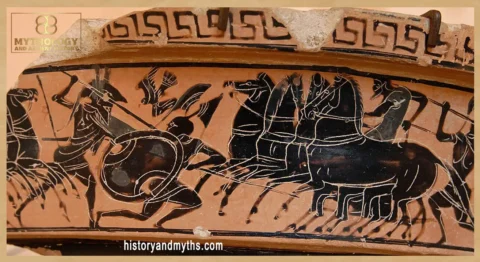
Ancient Greek commanders could not control battles through constant communication or full battlefield visibility. Dust, noise, crowded formations, and close combat made direct command extremely difficult once fighting began. Orders…
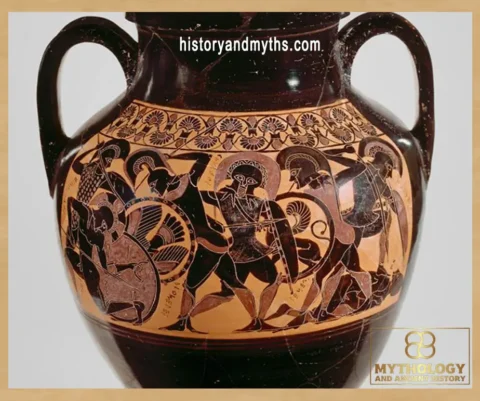
Fighting inside a Greek phalanx was not an experience of open movement or individual combat skill. Hoplites stood packed tightly beside one another with limited visibility, restricted weapon movement, and…
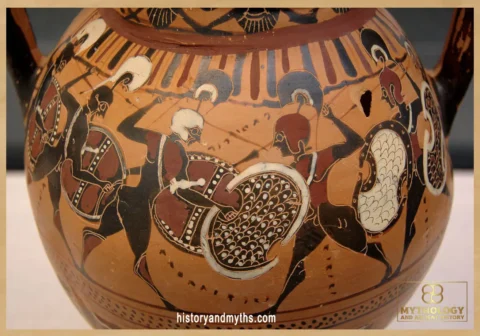
When two Greek phalanxes collided, the battle did not turn into orderly one-on-one combat. The first moments were chaotic, compressed, and physically brutal. Shields crashed together, spears struck from limited…
Trade in ancient Greece generated public revenue through a system of harbor duties, import taxes, market fees, and commercial charges collected by city authorities. Merchants, ship owners, and foreign traders…
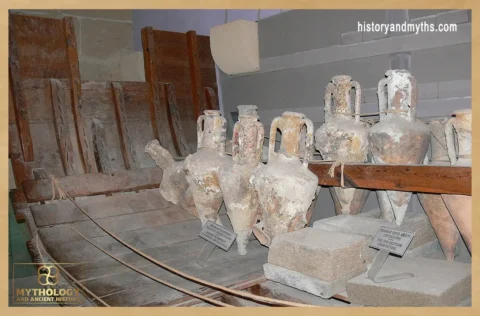
Goods in ancient Greece did not move directly from ships into the market. After arriving at the harbor, cargo had to be unloaded, inspected, stored, carried through the city, and…
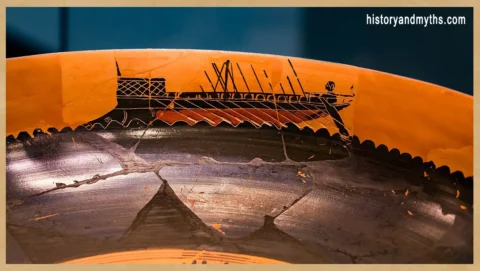
Foreign traders played a major role in Greek commerce, especially in port cities that depended on imported goods and maritime exchange. Many operated as metics—resident foreigners who could trade, rent…
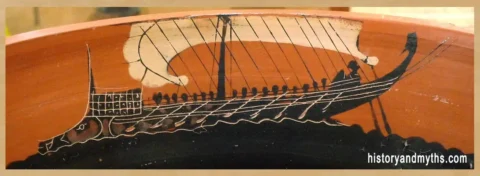
Trade in ancient Greece was controlled through a shared system rather than by a single authority. Private merchants handled most buying, selling, shipping, and profit-making activity, while the state controlled…
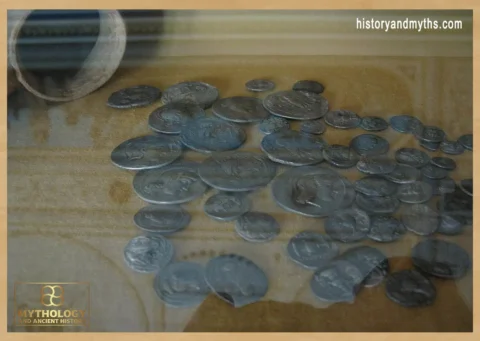
Wealth in ancient Greece was not kept in banks but stored across physical assets and trusted locations. People held value in coins, silver, goods like oil and grain, and long-term…
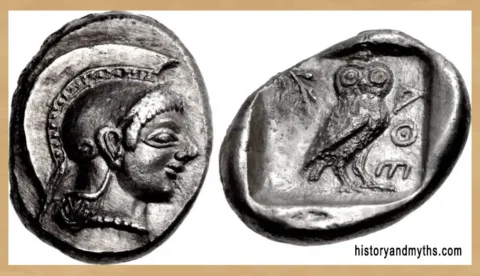
Money in ancient Greek markets was used for direct, face-to-face payment, not as an abstract system. Buyers paid with coins on the spot, prices were understood in familiar values, and…
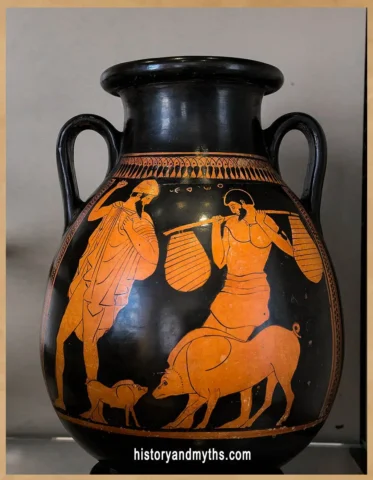
Greek merchants made profit by controlling margins, timing, costs, and risk within a market where prices changed daily. They bought goods when supply was high and prices were low, then…
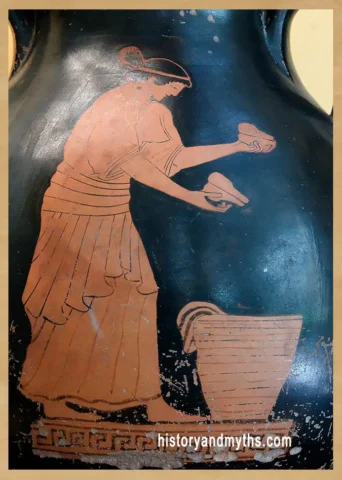
Bargaining in ancient Greek markets worked through a clear, repeatable process rather than random haggling. Sellers opened with a flexible asking price based on time, competition, and the type of…
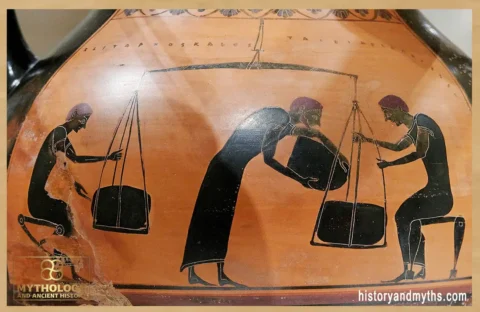
Ancient Greek trade in the agora worked as a structured daily system of exchange, not random buying and selling. Farmers, craftsmen, and merchants brought goods into the market early, displayed…
Ancient Greek courts did not rely on professional judges or lawyers. Instead, large citizen juries decided cases directly, and litigants presented their own arguments. Magistrates organized the process but did…
A verdict in ancient Greece did not enforce itself. Once the court ruled, the outcome had to be carried out in practice, and that responsibility fell largely on the winning…
A guilty verdict in an Athenian court did not automatically fix the penalty. After conviction, the process shifted to a separate stage where punishment had to be chosen, not assumed….
A lawsuit in ancient Greece did not begin with a state investigation—it started when a citizen chose to act. To bring a case, the accuser had to file a formal…
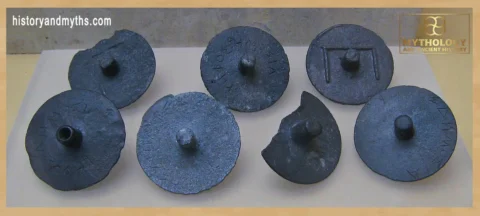
In Athenian courts, verdicts were decided directly by large juries through a secret ballot system, not by judges. Each juror received voting disks, chose one in private, and cast it…
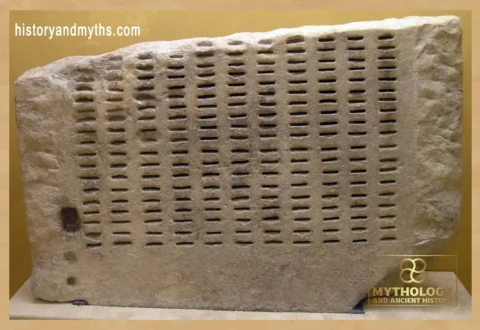
Athenian juries were selected through a structured random process designed to prevent control or bias. Eligible citizens enrolled for service, and each day jurors were chosen using a device called…
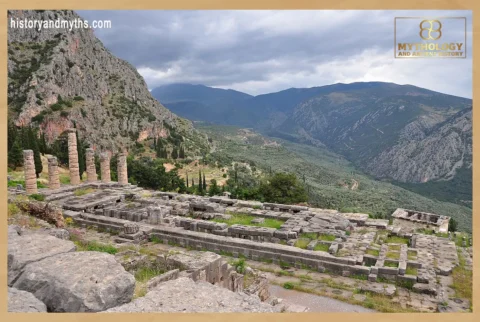
Ancient Greeks faced earthquakes, floods, droughts, and occasional volcanic events, with earthquakes posing the most immediate threat to cities and infrastructure. They explained these events in two ways: religiously, as…