Ancient Greek Communication and Messengers: How Messages Traveled
Communication in ancient Greece depended on people, not systems. There was no centralized postal network, so messages moved only as fast as a messenger could travel. Most communication was carried by hand—either spoken directly or written and delivered by a trusted individual.
Speed varied with distance and route. A short message within a city could be delivered quickly, but communication between regions depended on terrain, timing, and risk. Delays were common, especially when routes were long or conditions uncertain.
Reliability mattered as much as speed. Messages had to be delivered accurately, often without alteration, which made trust in the messenger essential. As a result, communication was controlled, personal, and limited by the same constraints that shaped travel.
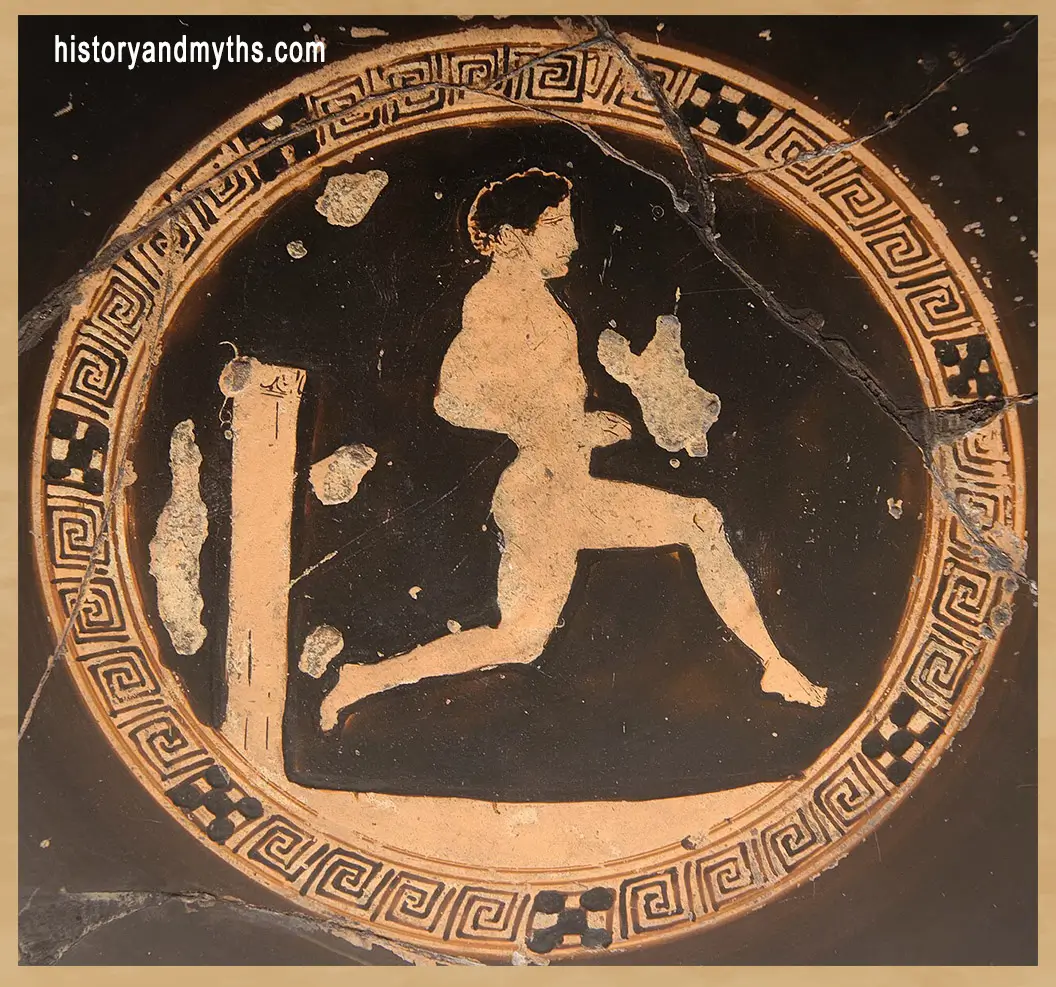
Message Delivery Under Human Limits
Messages in ancient Greece move only when a person carries them. There is no independent channel that guarantees delivery. Every message is tied to a route, a body, and a decision to travel. This sets the basic limits: speed equals travel time, and reliability depends on the individual in transit.
Delivery is planned in stages. A message is assigned to a messenger, a route is chosen, and expected stops are identified. If the distance is long, the task may be handed off or paused at known points. Progress depends on reaching each stage without interruption, not on continuous movement.
Form follows the system. Written messages fix content but add dependence on material and handling. Oral messages remove that dependency but rely on memory and clarity. The choice is practical: written for precision across distance, oral for speed and flexibility over shorter routes.
Failure points are built in. Delay, loss, or alteration can occur at any stage—on the road, at sea, or at a transfer point. The system reduces these risks through planning and selection of reliable carriers, but it cannot remove them.
What holds the system together is control. Messages are not sent broadly; they are directed, timed, and carried along routes that can be completed. Communication works when movement works.
| Component | Function | Result |
|---|---|---|
| Messengers | Carry messages | Human-based communication |
| Routes | Define movement paths | Limited reach |
| Written Messages | Fix content | Higher accuracy |
| Oral Messages | Flexible delivery | Faster but less stable |
| Trust | Ensure reliability | Accurate delivery |
Messengers: The Human Network
Messengers are the system. There is no standing service that guarantees coverage, so delivery depends on selecting the right person for a specific route. Speed, familiarity with the terrain, and reliability determine who carries a message.
Roles vary by context. Some messengers are attached to officials or institutions and handle regular communication within a defined circuit. Others are chosen ad hoc—merchants, travelers, or hired runners—when a message needs to move beyond local boundaries. The network is therefore flexible but uneven.
Selection is deliberate. For short distances, a fast runner may be enough. For longer or riskier routes, experience matters more than speed. A messenger who knows the route can avoid delays and choose workable alternatives when conditions change.
Accountability is direct. The sender knows who carries the message, and the recipient expects delivery from that individual. This reduces anonymity but increases responsibility. Failure is visible and attributable.
Continuity comes from repetition. The same people often move along the same routes, building familiarity and trust over time. The network stabilizes not through infrastructure, but through experience and selection.
Speed and Distance: Communication Measured in Travel Time
Messages move at the pace of the route. There is no separate speed for communication; it is the same as movement. A message within a city can be delivered quickly because the distance is short and the path is known. Once it leaves that space, time increases in direct proportion to terrain and conditions.
Distance is calculated in stages. A messenger covers what can be completed in a day, then continues from the next point. This creates predictable ranges rather than exact schedules. For longer routes, delays are expected and factored into planning.
Terrain alters speed. Flat, familiar ground allows steady progress. Mountain passes slow movement and limit options. At sea, speed can increase sharply with favorable conditions, but it can also drop to zero if those conditions fail.
Urgency changes how the route is used, not the system itself. A faster messenger may be chosen, or rest may be reduced, but the same constraints apply. There is no method to bypass distance entirely.
Communication time is therefore not fixed. It is a variable outcome shaped by route, environment, and the person carrying the message.
Trust and Reliability: Securing the Message
Reliability is the main constraint after distance. A fast message that arrives altered or incomplete has no value, so the system prioritizes control over speed. Trust is established through selection, method, and verification rather than through any centralized guarantee.
The choice of messenger is the first control. Known individuals are preferred because their past performance is visible. For sensitive communication, senders rely on people within their own network or on specialists whose routes and habits are already understood. This reduces uncertainty but limits flexibility.
Form is the second control. Written messages fix content and reduce distortion over long routes, but they introduce handling risks. Oral messages avoid material loss and can move faster over short distances, yet they depend on memory and discipline. The method is chosen based on which risk is easier to manage for the route in question.
Verification closes the process. A reply, a seal, or a recognizable delivery practice confirms that the message has arrived as intended. Without confirmation, the system remains open to doubt, especially across longer distances.
What emerges is a controlled chain. Each link—messenger, method, and confirmation—reduces a different risk. Communication works when all three hold.
Written vs. Oral Communication: Choosing the Method
The method is chosen based on distance, urgency, and risk. There is no single default. Written and oral communication are used side by side, each solving a different problem.
Written messages fix content. They are used when accuracy must be preserved across distance or when the message carries formal weight—orders, agreements, or records. Writing reduces distortion, but it adds dependence on materials and handling. A written message can be lost, damaged, or intercepted, so its route and carrier must be selected carefully.
Oral messages prioritize speed and flexibility. A trained messenger can adjust delivery to context, clarify meaning, and avoid delays linked to materials. This works best over shorter distances or within familiar routes where the risk of misinterpretation is lower. The cost is dependence on memory and discipline.
Selection is practical. If the main risk is alteration, writing is preferred. If the main constraint is time or access, oral delivery is used. In some cases, both are combined—written for record, oral for reinforcement.
The system does not favor one method over the other. It matches the message to the route and the conditions that will carry it.
Communication in ancient Greece depended entirely on human carriers. Messages moved as fast as a person could travel, making speed, trust, and route reliability the key factors shaping how information was delivered.
© historyandmyths.com — Educational use
Communication in War and Politics: Urgency Under Pressure
In war and political decision-making, communication operates under time pressure but remains bound to the same limits. Orders, reports, and negotiations depend on messengers moving along established routes, often with reduced margins for delay.
Speed is increased by selection and timing. Faster runners are used, departures are immediate, and rest is minimized. Even so, distance and terrain still define how quickly a message can arrive. Urgency changes the pace, not the system.
Accuracy becomes critical. Military orders must be delivered exactly, so written messages are common for clarity, often supported by oral explanation to ensure correct interpretation. For sensitive matters, trusted messengers are chosen to reduce the risk of interception or alteration.
Coordination depends on sequence. Messages are sent in stages—forward commands, returning reports—creating a chain of communication rather than a single transmission. Delays at any point affect the entire process.
The result is controlled urgency. Communication moves as fast as conditions allow, but it cannot bypass the constraints of movement. Decisions are made with this delay in mind, not against it.
Communication Routes and Mobility: The Same Network
Messages move along the same routes used for travel and trade. There is no separate communication network. Paths, sea lanes, and stopping points define where messages can go and how reliably they can get there.
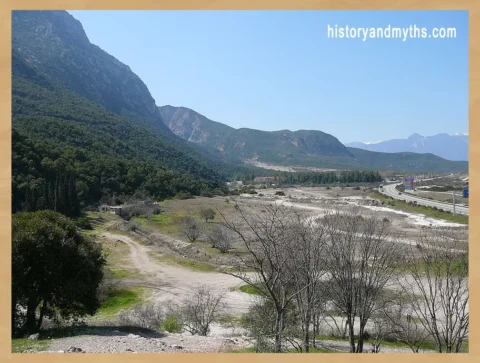
On land, routes follow established corridors—valleys, passes, and links between settlements. Messengers use these paths because they offer predictable progress and access to support. Leaving them introduces uncertainty without reducing time.
At sea, communication depends on maritime routes that connect ports and anchor points. Ships carry messages when they move, so delivery is tied to departure schedules and conditions. This can extend reach but reduces control over timing.
Transfer points are critical. Messages may change hands at known stops, allowing longer routes to be completed in stages. Each transfer adds risk but also makes distance manageable.
The system is efficient because it reuses what already exists. Communication does not create new routes; it depends on the reliability of the ones in use.
Limits of Communication: Delay, Loss, and Interruption
Communication is constrained by the same factors that shape movement, but the effects are more visible. Delay is expected, not exceptional. A message can slow down at any stage—waiting for departure, navigating terrain, or pausing at a transfer point. Timing is estimated, not guaranteed.
Loss is a constant risk. Written messages can be damaged, misplaced, or intercepted. Oral messages can degrade if the chain is long or if the messenger is forced to alter the route. The system reduces these risks through selection and planning, but it cannot eliminate them.
Interruption is the most disruptive limit. Weather can halt sea travel entirely. Conflict can block routes or force detours. Illness or injury can stop a messenger mid-journey. When interruption occurs, the message does not reroute automatically; it waits for a new plan.
Redundancy is used when stakes are high. The same message may be sent with more than one carrier or along different routes to increase the chance of arrival. This improves reliability but increases cost and effort.
These limits define the system. Communication works within them, not around them.
Social Impact: Communication as a Local System
Communication reinforces proximity. Because messages move slowly and depend on specific routes, most interaction stays within local or regional boundaries. Information circulates where delivery is reliable and stops where it is not.
This creates uneven awareness. Communities along active routes receive news and instructions more regularly, while more isolated areas experience delays or partial information. Differences in access are built into the system.
Authority operates through this structure. Decisions made in one location take time to reach others, so implementation depends on when and how messages arrive. Local response fills the gap between sending and receiving.
Networks form around repeated exchange. Merchants, officials, and known messengers connect the same points over time, making those links stronger. Communication becomes more dependable along these lines, not across the entire landscape.
The result is concentration. Where routes are stable, information flows. Where they are not, communication remains limited.
Communication Defined by Human Limits
Communication in ancient Greece does not operate as a system of speed but as a system of control. Messages move only when carried, along routes that can be completed, by individuals who can be trusted to deliver them.
Distance, terrain, and risk set the outer limits. Within those limits, choices are made—who carries the message, which route is used, and whether the content is written or spoken. These decisions shape how fast and how reliably communication works.
What emerges is a consistent pattern. Messages are directed, staged, and verified where possible. Delays and losses are expected and managed rather than avoided.
The system holds because it accepts its constraints. Communication succeeds when movement, trust, and planning align.
- Communication relied on messengers, not systems.
- Messages moved at the speed of human travel.
- Trust was essential for accurate delivery.
- Written messages ensured precision, while oral messages offered flexibility.
- Routes and geography limited communication reach.
- Delays and message loss were common and expected.
Frequently Asked Questions
How did people communicate in ancient Greece?
Communication relied on messengers who delivered messages either orally or in written form.
Was there a postal system in ancient Greece?
No, there was no centralized postal system; communication depended on individuals.
How fast could messages travel?
Message speed depended on distance, terrain, and the ability of the messenger.
Were messages usually written or spoken?
Both methods were used depending on the need for accuracy or speed.
What were the risks of communication?
Delays, loss, and message alteration were common risks.
Why was trust important in communication?
Because the system relied on individuals, accurate delivery depended on the reliability of the messenger.
Sources & Rights
- Casson, Lionel. Travel in the Ancient World. Johns Hopkins University Press, 1994.
- Harris, William V. Ancient Literacy. Harvard University Press, 1989.
- Thomas, Rosalind. Literacy and Orality in Ancient Greece. Cambridge University Press, 1992.
- Yardley, J.C. Letters in the Greco-Roman World. Routledge, 2013.
- Cartledge, Paul. Ancient Greece: A History in Eleven Cities. Oxford University Press, 2009.
- Osborne, Robin. Greece in the Making. Routledge, 1996.
- Hansen, Mogens Herman. The Athenian Democracy. Blackwell, 1991.
- Garland, Robert. Daily Life of the Ancient Greeks. Greenwood Press, 1998.
- Pomeroy, Sarah B. Goddesses, Whores, Wives, and Slaves. Schocken Books, 1975.
- Snodgrass, Anthony. An Archaeology of Greece. University of California Press, 1987.
- Whitley, James. The Archaeology of Ancient Greece. Cambridge University Press, 2001.
- Morris, Ian. Archaeology as Cultural History. Blackwell, 2000.
- Sealey, Raphael. A History of the Greek City States. University of California Press, 1976.
- Finley, Moses I. The Ancient Economy. University of California Press, 1999.
- Ault, Bradley A. The Houses at Halieis. Indiana University Press, 2005.
- Allison, Penelope M. The Archaeology of Household Activities. Routledge, 1999.
- Foxhall, Lin. “Household, Gender and Property in Classical Athens.” The Classical Quarterly, 1989.
- Young, David C. A Brief History of the Olympic Games. Blackwell, 2004.
- Kyle, Donald G. Sport and Spectacle in the Ancient World. Wiley-Blackwell, 2007.
- Harris, H.A. Greek Athletes and Athletics. Hutchinson, 1964.
Written by H. Moses — All rights reserved © Mythology and History