What Is the Book of Gates? Authority and Judgment in Ancient Egypt
In ancient Egyptian belief, reaching the afterlife was not simply a matter of surviving the night. It was a matter of permission. The Book of Gates presents a vision of…
Explore the gods, myths, creation stories, sacred symbols, afterlife beliefs, and religious traditions of ancient Egypt. This section examines how Egyptian mythology explained the cosmos, kingship, death, rebirth, and divine order, while also exploring the roles of major deities and the cultural meaning behind some of Egypt’s most enduring myths.
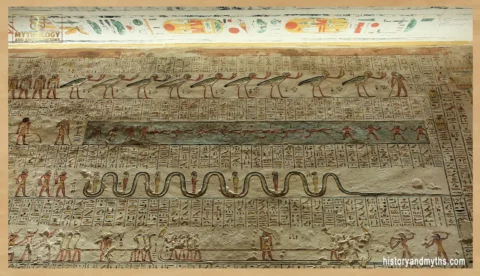
In ancient Egyptian belief, reaching the afterlife was not simply a matter of surviving the night. It was a matter of permission. The Book of Gates presents a vision of…
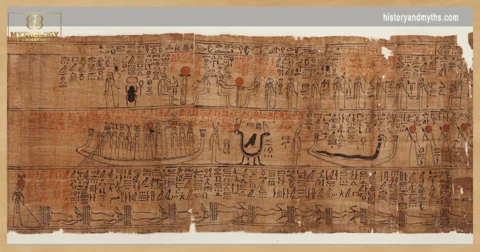
In ancient Egyptian thought, the night was not an empty interval between sunset and dawn. It was a structured, dangerous, and necessary realm of transformation. The twelve hours of the…
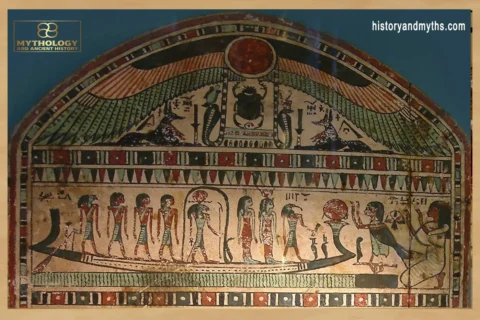
In ancient Egyptian thought, the universe did not remain stable by stillness—it survived through movement. Each day and night, the sun god Ra crossed sky and underworld aboard the solar…
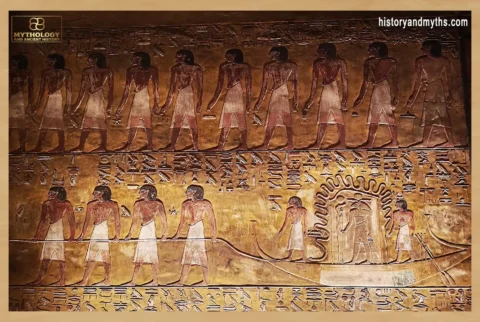
In ancient Egyptian belief, the sun’s disappearance at dusk did not mark rest or absence—it signaled the beginning of a dangerous cosmic passage. Each night, the sun god Ra descended…
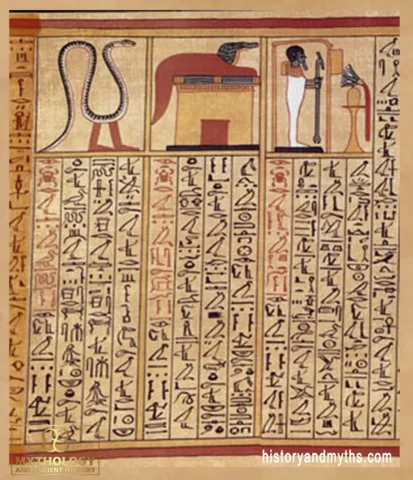
In ancient Egyptian belief, punishment in the afterlife was not designed to inflict endless pain, nor to satisfy divine anger. Its purpose was far more precise: to prevent chaos from…
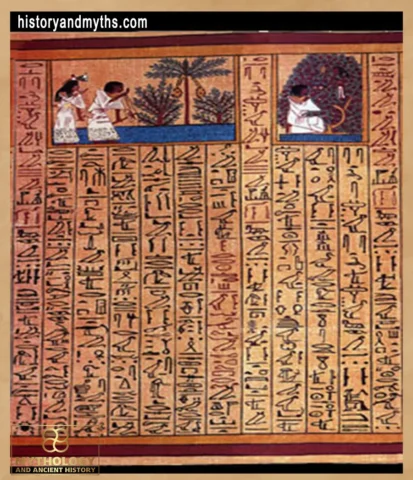
In ancient Egyptian belief, the afterlife was not a vague promise of happiness, nor a single reward granted automatically after death. Rewards were specific, earned, and deeply practical—designed to preserve…
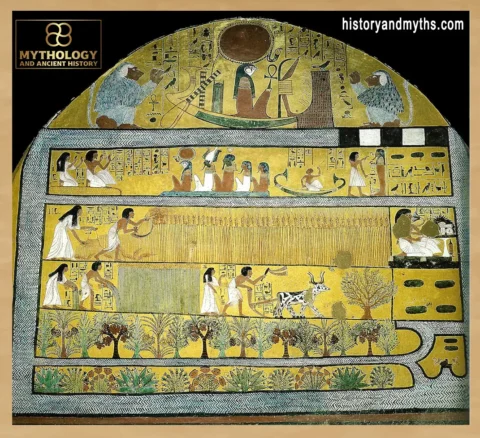
In ancient Egyptian belief, Aaru, the Field of Reeds, was not a distant, otherworldly heaven divorced from human life. It was Egypt itself—made eternal and perfected. The dead did not…
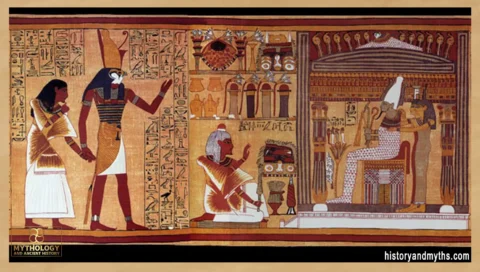
In the Egyptian afterlife, judgment did not belong to the one who weighed the heart or recorded the result. It belonged to the one who made judgment legitimate. Osiris stands…
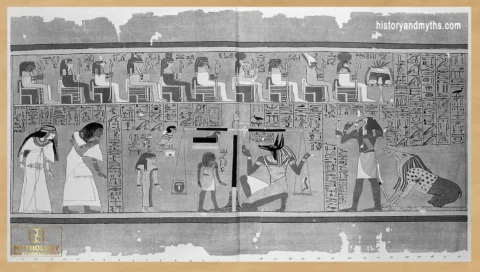
In the weighing of the heart, the central judgment scene of the Egyptian afterlife, Anubis was neither judge nor executioner. His role was quieter and more precise. He stood beside…
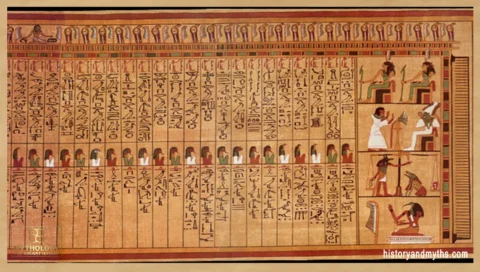
In ancient Egyptian belief, the journey after death did not begin with punishment or reward it began with judgment. At the center of this judgment stood the Hall of Two…
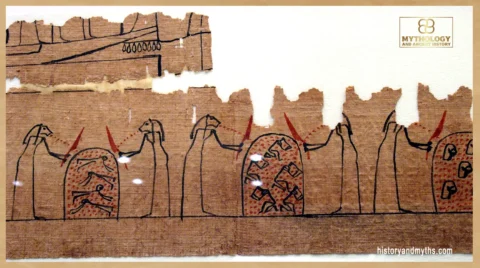
In the Egyptian vision of the afterlife, punishment was never random, emotional, or driven by anger. It followed judgment. Only after the heart was weighed and the verdict delivered did…
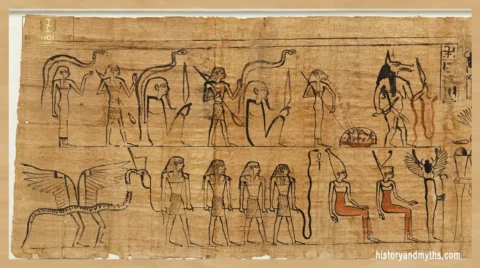
In the Egyptian imagination of the afterlife, the Duat was not filled only with gates, guardians, and judges. It also contained monsters—beings that did not negotiate, verify, or judge, but…
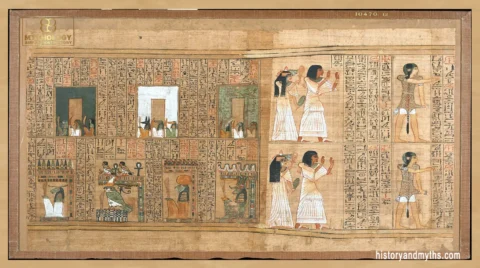
In the Egyptian vision of the afterlife, gates alone were not enough to regulate the journey through the Duat. Every point of passage required watchers figures whose role was to…
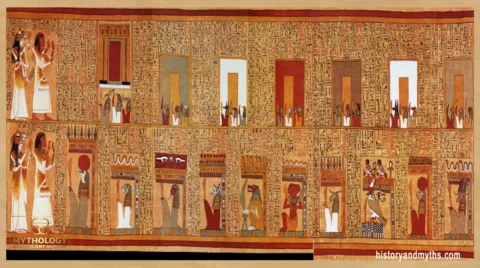
In ancient Egyptian belief, the journey through the Duat was not a single, open path. It was structured by a series of gates points of transition that controlled movement between…
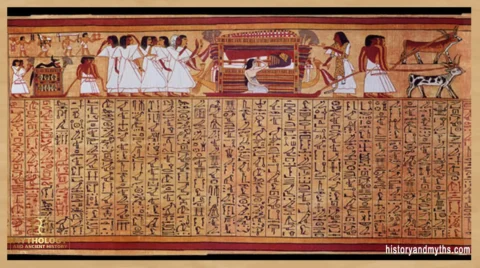
For the ancient Egyptians, death was not a sudden break from life, but the beginning of a carefully imagined journey. When a person died, their existence did not simply pause…
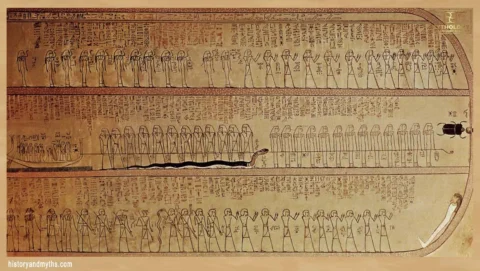
To the ancient Egyptians, death was not a sudden ending or a leap into the unknown. It was a passage into a hidden realm governed by laws as precise as…
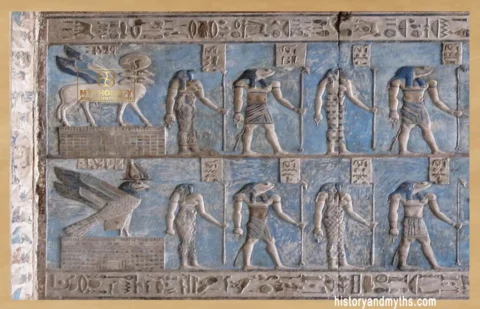
The Ogdoad was a group of eight primordial deities worshipped at Hermopolis (Khmunu) in Ancient Egypt. They represented the chaotic state before creation—darkness, hiddenness, infinity, and watery abyss—paired as four…
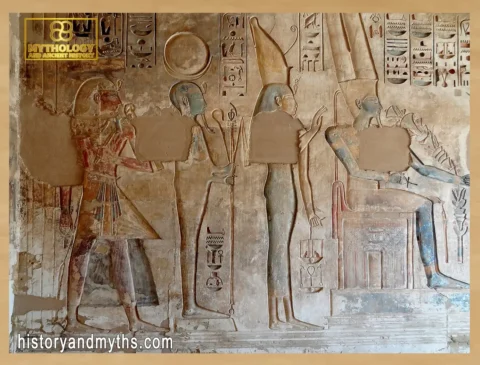
Introduction At the break of day along the Nile, when the morning haze drifted lazily above the water and the cliffs of the valley caught fire with the first pale…