How Fishermen Sold Fish in Ancient Greek Cities
Fishermen in Ancient Greek cities sold fish through harbors, coastal markets, and crowded agoras where fresh seafood had to move quickly before it spoiled. Most sales depended on speed, daily…
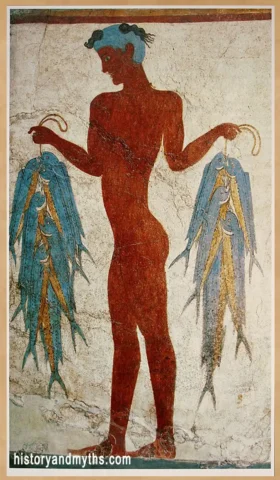
Fishermen in Ancient Greek cities sold fish through harbors, coastal markets, and crowded agoras where fresh seafood had to move quickly before it spoiled. Most sales depended on speed, daily…
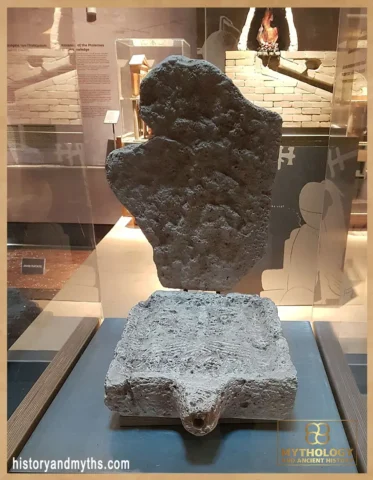
Olive oil in Ancient Greece was stored in sealed ceramic containers and transported through markets, ports, workshops, and merchant networks as one of the most valuable everyday trade goods in…
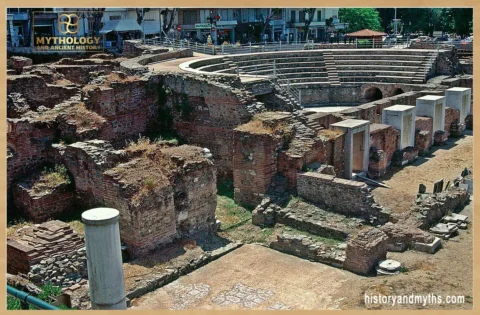
Greek shopkeepers operated through small street-facing businesses that depended on daily customer traffic, personal reputation, bargaining, and constant movement inside busy marketplaces such as the agora. Most shops were simple…
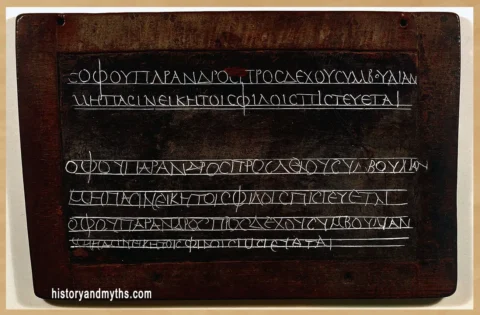
Greek students learned step by step through memorization, repetition, reading exercises, writing practice, and spoken recitation rather than through textbooks or formal classrooms in the modern sense. Young children usually…
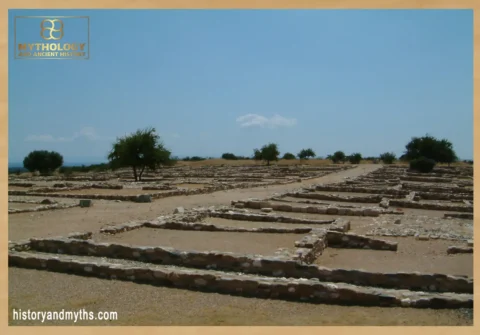
Ancient Greek cities managed waste through drainage channels, public rules, manual removal, and disposal areas outside city walls rather than modern sewer systems. Household wastewater flowed through street gutters, solid…
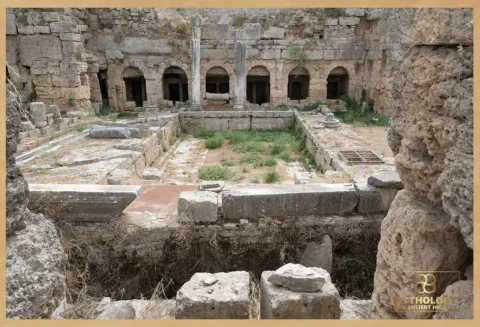
Ancient Greek cities survived through carefully managed water systems built around springs, wells, cisterns, fountains, and gravity-fed channels. Long before modern plumbing existed, cities such as Athens depended on public…
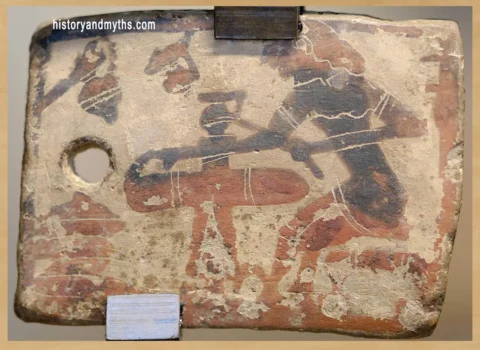
When people think about ancient Greece, they usually imagine philosophers, temples, or famous battles. Most Greeks, however, spent their lives working. Farmers woke before sunrise to deal with crops and…
A typical day in ancient Athens followed a structured rhythm shaped by daylight, public activity, work, and civic life. Markets became crowded early in the morning, workshops opened shortly after…
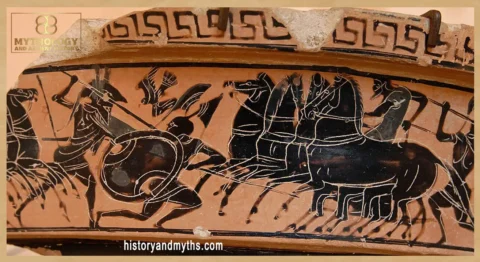
Ancient Greek commanders could not control battles through constant communication or full battlefield visibility. Dust, noise, crowded formations, and close combat made direct command extremely difficult once fighting began. Orders…
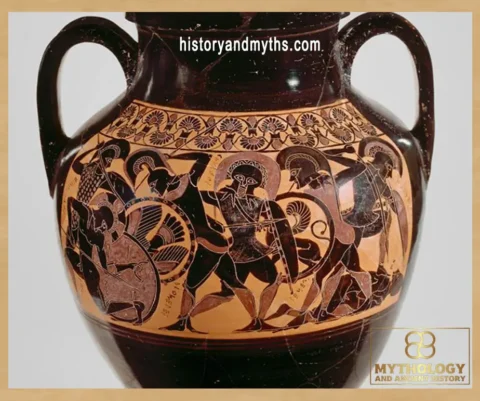
Fighting inside a Greek phalanx was not an experience of open movement or individual combat skill. Hoplites stood packed tightly beside one another with limited visibility, restricted weapon movement, and…
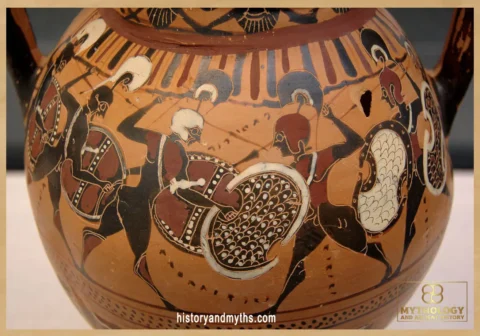
When two Greek phalanxes collided, the battle did not turn into orderly one-on-one combat. The first moments were chaotic, compressed, and physically brutal. Shields crashed together, spears struck from limited…
Trade in ancient Greece generated public revenue through a system of harbor duties, import taxes, market fees, and commercial charges collected by city authorities. Merchants, ship owners, and foreign traders…
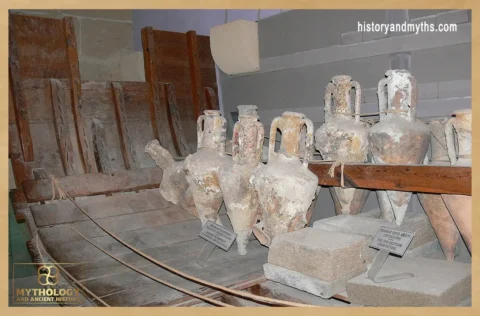
Goods in ancient Greece did not move directly from ships into the market. After arriving at the harbor, cargo had to be unloaded, inspected, stored, carried through the city, and…
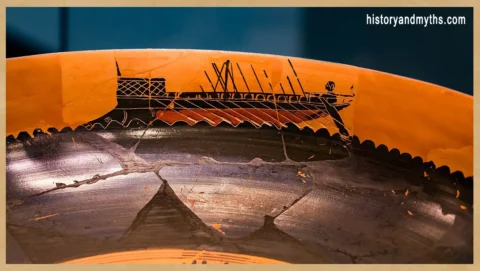
Foreign traders played a major role in Greek commerce, especially in port cities that depended on imported goods and maritime exchange. Many operated as metics—resident foreigners who could trade, rent…
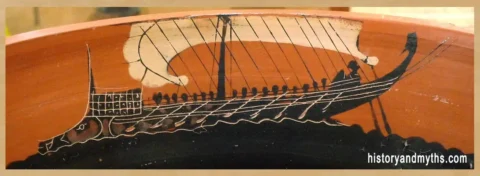
Trade in ancient Greece was controlled through a shared system rather than by a single authority. Private merchants handled most buying, selling, shipping, and profit-making activity, while the state controlled…
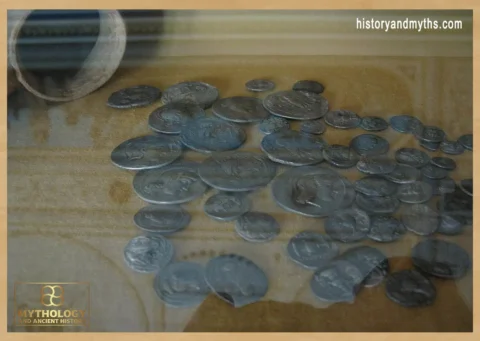
Wealth in ancient Greece was not kept in banks but stored across physical assets and trusted locations. People held value in coins, silver, goods like oil and grain, and long-term…
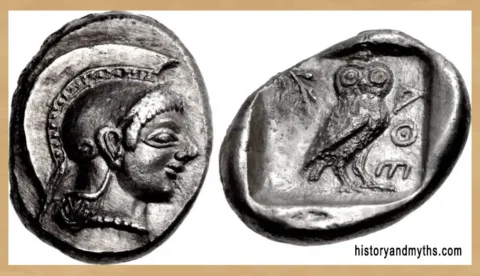
Money in ancient Greek markets was used for direct, face-to-face payment, not as an abstract system. Buyers paid with coins on the spot, prices were understood in familiar values, and…
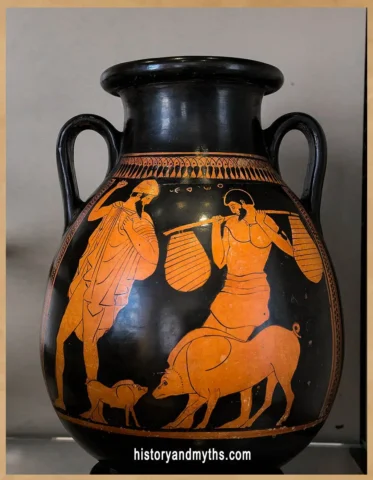
Greek merchants made profit by controlling margins, timing, costs, and risk within a market where prices changed daily. They bought goods when supply was high and prices were low, then…
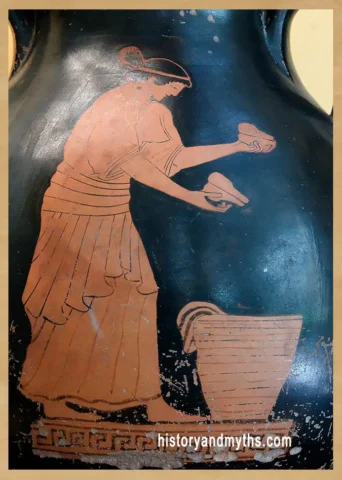
Bargaining in ancient Greek markets worked through a clear, repeatable process rather than random haggling. Sellers opened with a flexible asking price based on time, competition, and the type of…
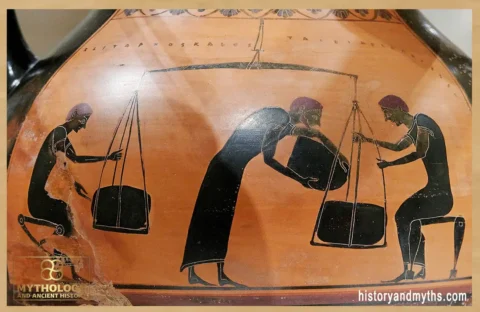
Ancient Greek trade in the agora worked as a structured daily system of exchange, not random buying and selling. Farmers, craftsmen, and merchants brought goods into the market early, displayed…