How Foreign Traders Operated in Ancient Greek Cities
Foreign traders played a major role in Greek commerce, especially in port cities that depended on imported goods and maritime exchange. Many operated as metics—resident foreigners who could trade, rent property, use ports, and build commercial networks without becoming full citizens. Greek cities relied on these outsiders for supply, shipping, and regional connections, but still imposed legal and social limits through taxes, residency rules, and restrictions on political rights. In practice, foreign traders were economically necessary but never fully integrated into the civic structure of the city.
Why Greek Cities Needed Foreign Traders
Greek cities depended on outside traders because local economies could not supply everything consistently on their own.
Import dependence. Large urban centers required grain, timber, metals, and other goods that often came from distant regions. Foreign merchants connected Greek cities to those external supply zones.
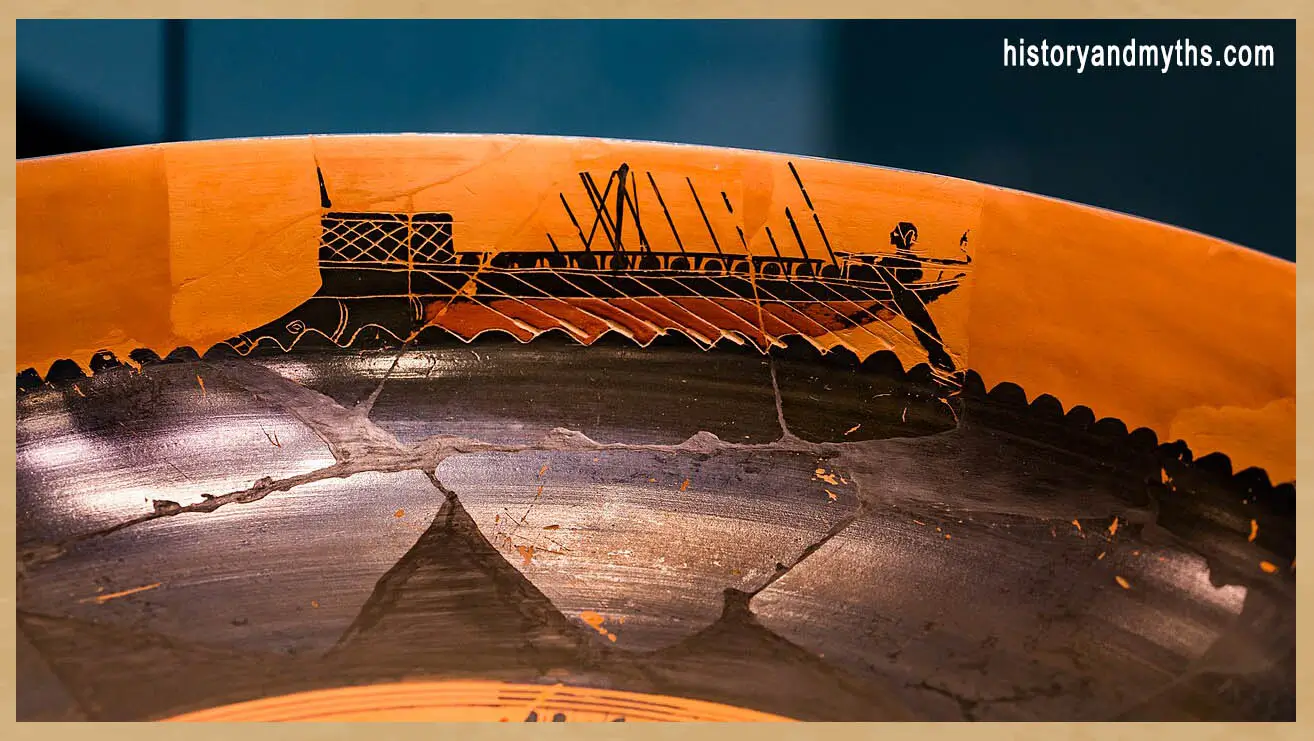
Maritime specialization. Long-distance sea trade required experience with routes, ports, and regional markets. Traders arriving from abroad already possessed networks that local sellers did not control directly.
Commercial continuity. Foreign merchants kept goods moving between cities even when local production fluctuated. Their activity reduced shortages and expanded the variety of products available inside the market.
Port-driven economies. Cities with active harbors benefited from attracting outside traders rather than excluding them. More foreign commerce increased customs revenue, market activity, and supply reliability.
Access to external information. Traders carried knowledge along with cargo—prices, shortages, political conditions, and demand patterns in other regions. This information shaped commercial decisions inside Greek cities themselves.
Foreign traders were therefore not marginal participants. They formed part of the infrastructure that allowed Greek urban economies to function beyond their local resource base.
| Aspect | Foreign Traders | Greek Citizens |
|---|---|---|
| Trade Participation | Allowed to trade and operate commercially | Full economic participation |
| Political Rights | No voting or civic office | Full political inclusion |
| Property Access | Limited ownership rights | Broader ownership privileges |
| Legal Position | Protected under regulated foreign status | Protected as citizens |
| Economic Role | Connected cities to external trade networks | Controlled civic and political institutions |
Who the Metics Were in Greek Cities
Metics were resident foreigners who lived and worked inside Greek cities without holding full citizenship.
Permanent outsiders. Unlike temporary visitors, metics could remain in the city long term, operate businesses, and participate in economic life while still remaining outside the political body of citizens.
Legally recognized status. Their position was regulated rather than informal. Cities defined what metics could do, what taxes they owed, and what protections they received under local law.
Economic concentration in trade. Many metics worked in commerce, shipping, manufacturing, and skilled professions. Port districts especially depended on their activity and connections.
Limited civic inclusion. Metics could contribute economically but lacked core political rights such as voting or direct participation in government institutions.
Dependence on local authority. Their ability to remain and operate depended on compliance with civic regulations. Protection existed through the city’s legal structure, not through citizenship itself.
Metics occupied an intermediate position: integrated into the economy but separated from the political identity of the city.
What Foreign Traders Were Allowed to Do
Foreign traders could participate in commercial life through practical rights tied to trade rather than citizenship.
Use ports and marketplaces. They could bring cargo into harbors, rent selling space, and conduct transactions inside regulated market areas.
Enter contracts. Commercial agreements, partnerships, and shipping arrangements were legally recognized, allowing outsiders to operate within the city’s economic system.
Rent property and storage. Traders could lease warehouses, workshops, and housing needed for ongoing business activity even when ownership rights remained restricted.
Move capital and goods. Coins, cargo, and commercial inventory could circulate through foreign-operated networks without requiring full civic integration.
Work through local intermediaries. In many cases, relationships with citizens or established residents helped foreign merchants navigate local procedures and reduce operational barriers.
Their participation was designed around economic function. Greek cities opened access where trade required it while keeping civic membership separate from commercial usefulness.
What Restrictions They Faced
Foreign traders operated under limits that reminded them they were economically useful but not fully part of the civic community.
No citizenship rights. They could trade and reside in the city, but they remained excluded from voting, political office, and formal participation in civic decision-making.
Special taxes and obligations. Many metics paid resident taxes or additional fees connected to their legal status as foreigners.
Limits on property ownership. Access to land and permanent property was restricted in many cities, reducing long-term security and tying outsiders more closely to commercial activity rather than civic integration.
Dependence on legal protection. Their position relied on local laws and official recognition. Losing legal standing could threaten their ability to continue operating.
Social separation. Even successful foreign traders remained identifiable as outsiders within the social structure of the city.
These restrictions allowed cities to benefit from foreign commerce while preserving a clear distinction between economic participation and citizenship.
- Foreign traders were economically necessary to Greek port cities
- Many operated as metics under regulated legal status
- They could trade and build networks without becoming citizens
- Greek cities balanced economic openness with civic restrictions
- Ports depended heavily on outsider commercial activity
© historyandmyths.com — Educational use
Why Cities Protected Foreign Commerce Anyway
Greek cities protected foreign trade because economic stability depended on keeping outside merchants active inside the system.
Supply reliability. Imported goods reached the city through external commercial networks. Restricting foreign traders too heavily risked disrupting access to essential products.
Port revenue. Harbors generated income through duties, fees, and market activity. More foreign traffic increased public revenue without requiring the state to conduct trade itself.
Competitive advantage. Cities that welcomed commerce attracted more ships, cargo, and business relationships. Active ports strengthened regional influence and economic resilience.
Market expansion. Foreign merchants increased the range of available goods and connected local markets to wider Mediterranean exchange systems.
Commercial reputation. Stable treatment of outsiders encouraged repeat activity. Traders returned to cities where agreements were enforceable and trade conditions remained predictable.
Protection of foreign commerce was therefore pragmatic rather than ideological. Greek cities defended trade because their economies benefited directly from keeping outside merchants engaged.
How Foreign Traders Built Local Networks
Foreign traders reduced uncertainty by connecting themselves to people already embedded inside the city.
Partnerships with locals. Citizens or established residents helped outsiders access storage, market space, and legal procedures that were easier to navigate through trusted local contacts.
Repeated commercial relationships. Trust developed through consistent transactions. Traders returned to the same sellers, buyers, ship operators, and intermediaries to reduce risk and negotiation time.
Port-based connections. Harbors acted as network centers where merchants exchanged information about prices, routes, cargo availability, and political conditions affecting trade.
Reputation as commercial capital. Reliability mattered. A trader known for honoring agreements and delivering expected goods gained easier access to future business opportunities.
Community clustering. Foreign merchants from similar regions often operated near one another, creating informal support systems inside large commercial districts.
These networks replaced the security that citizenship normally provided, allowing outsiders to function inside the city through relationships rather than political inclusion.
Why Port Cities Relied on Outsiders More Heavily
Port cities depended on outsiders because maritime trade connected them to regions far beyond their own territory.
Continuous cargo movement. Harbors handled goods arriving from multiple regions at different times of the year. Foreign traders maintained that flow by linking ports into wider commercial circuits.
Specialized maritime knowledge. Navigation routes, seasonal sailing conditions, and distant market conditions required experience that local authorities did not always possess directly.
Higher commercial diversity. Port economies expanded through contact with different languages, products, and trading practices. Outsiders increased both supply variety and market reach.
Faster access to external markets. Traders already connected to foreign ports could redirect goods more efficiently than cities trying to organize trade internally.
Economic dependence on exchange. Cities built around ports generated income through movement—cargo, duties, storage, and resale. Restricting outsiders too heavily would weaken the system that sustained the harbor economy itself.
Port cities therefore became the areas where economic openness was strongest, even while civic boundaries remained intact.
What This Reveals About Greek Economy
The role of foreign traders shows that Greek economies were commercially open without being socially or politically open in the same way.
Economic function outweighed civic inclusion. Cities allowed outsiders to trade because commerce depended on external networks, even while citizenship remained restricted.
Trade operated across boundaries. Goods, money, and information moved more freely than political rights. Economic integration expanded beyond the limits of the citizen body.
Practicality shaped policy. Greek cities balanced protection of civic identity with the need for stable supply and active ports. Regulation focused on managing outsiders, not excluding them completely.
Commerce relied on mobility. Foreign traders connected local markets to regional exchange systems that individual cities could not reproduce alone.
Urban economies became interconnected. Port activity tied Greek cities into wider Mediterranean trade patterns where outsiders were not exceptions but necessary participants.
This system reveals a economy that remained politically local but economically interconnected, using foreign commerce while keeping civic control in the hands of citizens.
- Greek cities relied heavily on foreign traders for commerce and supply
- Metics could participate economically without full citizenship
- Foreign merchants faced taxes and legal restrictions
- Port cities depended more strongly on outsider networks
- Greek economies were commercially open but politically restricted
Frequently Asked Questions
Who were foreign traders in ancient Greece?
They were non-citizens who participated in commerce, shipping, and market exchange inside Greek cities.
What were metics in ancient Greece?
Metics were resident foreigners who could live and work in Greek cities without holding citizenship rights.
Could foreign traders own property in Greek cities?
Property ownership was often restricted, although renting space for trade and storage was usually allowed.
Why did Greek cities rely on foreign traders?
Foreign merchants connected cities to wider Mediterranean trade networks and imported essential goods.
Did foreign traders have political rights?
No. They could trade legally but remained excluded from voting and civic office.
Why were port cities more open to outsiders?
Because maritime trade depended heavily on external merchants, ships, and commercial connections.
Sources & Rights
- Bresson, Alain. The Making of the Ancient Greek Economy. Princeton University Press, 2016.
- Finley, M.I. The Ancient Economy. University of California Press.
- Cohen, Edward E. Athenian Economy and Society. Princeton University Press.
- Morley, Neville. Trade in Classical Antiquity. Cambridge University Press.
- Davies, J.K. The Greek Economy. Cambridge University Press.
- Hansen, Mogens Herman. The Athenian Democracy in the Age of Demosthenes. University of Oklahoma Press.
- Ober, Josiah. The Rise and Fall of Classical Greece. Princeton University Press.
- Shipton, Katherine. Money and the Elite in Classical Athens. Cambridge University Press.
- Whitehead, David. The Ideology of the Athenian Metic. Cambridge University Press.
- Xenophon. Poroi.
- Demosthenes. Against Lacritus.
Written by H. Moses — All rights reserved © Mythology and History