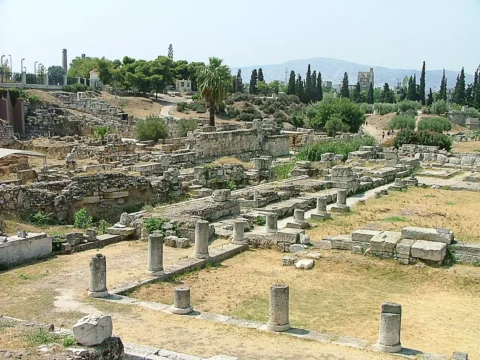
How Shopkeepers Operated in Ancient Greek Markets
Greek shopkeepers operated through small street-facing businesses that depended on daily customer traffic, personal reputation, bargaining, and constant movement inside busy marketplaces such as the agora. Most shops were simple open-front spaces where merchants displayed goods directly to passing buyers, stored supplies in jars or back rooms, and handled sales face-to-face without fixed prices or large inventories.
Shopkeepers sold food, pottery, oil, tools, cloth, and imported products while dealing with competition, changing demand, taxes, and irregular supply deliveries. Their businesses relied heavily on location, customer relationships, and the ability to keep goods moving through crowded urban markets in cities such as Athens.
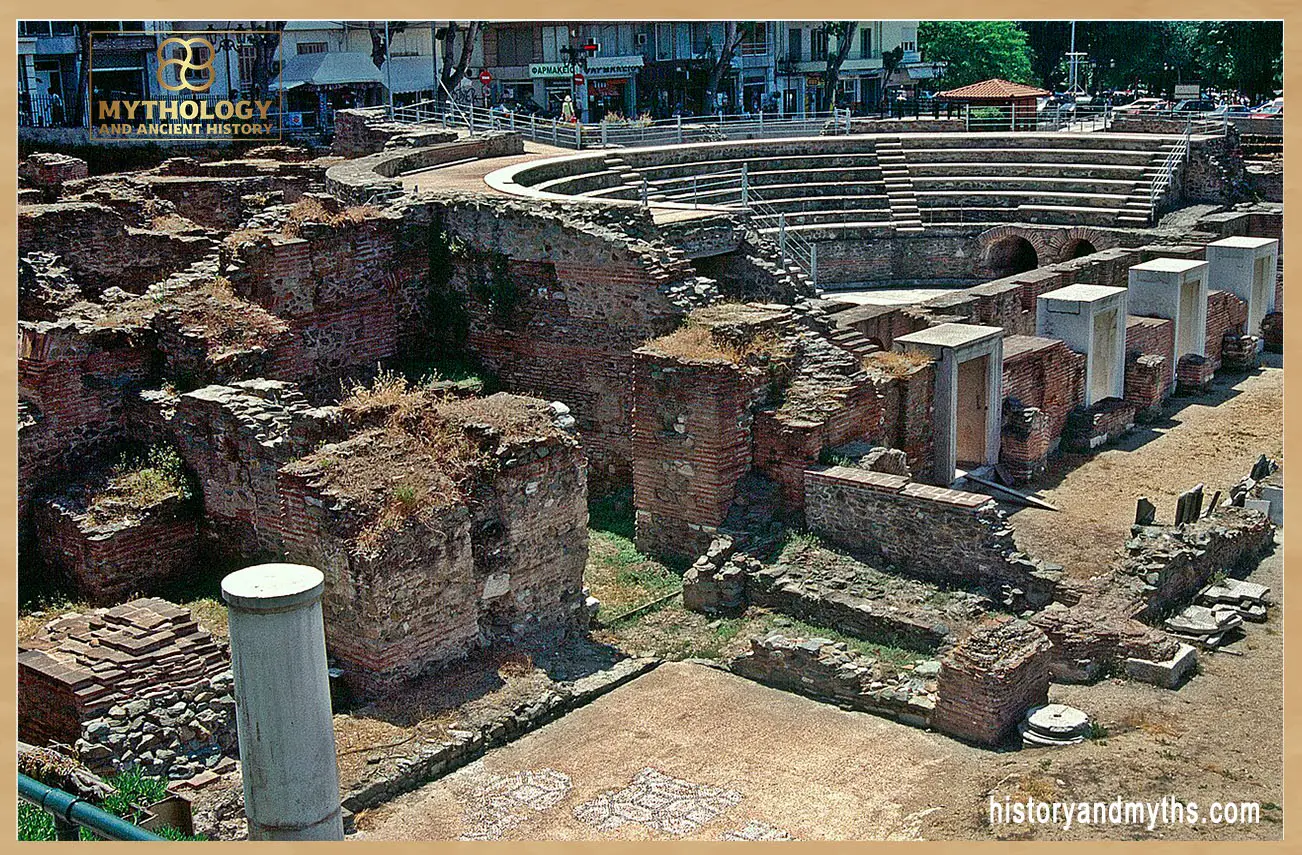
Where Greek Shopkeepers Worked
Most Greek shopkeepers operated in busy commercial areas where constant foot traffic increased the chance of daily sales. The most valuable locations were usually near the agora, port districts, workshops, or roads connecting crowded parts of the city. Shops depended heavily on visibility because customers often bought goods while moving through public spaces rather than through planned visits.
Many businesses used small open-front rooms facing the street directly. Goods could be seen from outside, allowing merchants to attract buyers without large signs or separate display areas. Some shopkeepers worked from permanent stone buildings, while others sold from temporary stalls or movable setups during market activity and festivals.
Port cities created especially active commercial environments. Imported goods arriving by ship moved quickly into nearby markets, where shopkeepers sold oil, pottery, cloth, tools, wine, and food products to local buyers or traveling merchants. In places connected to maritime trade, location could determine how quickly goods sold and how often inventory changed.
Certain trades also clustered together. Potters, metalworkers, fish sellers, and food merchants often operated near similar businesses because customers expected to find related products in the same area. This created commercial streets where competition remained constant and shopkeepers had to rely on reputation, product quality, and customer relationships to maintain sales.
| Shop Activity | How Greek Shopkeepers Operated |
|---|---|
| Shop Location | Most shops operated near agoras, ports, or crowded commercial streets. |
| Product Display | Goods were displayed openly using jars, baskets, shelves, and hanging items. |
| Customer Interaction | Sales depended on bargaining, reputation, and face-to-face negotiation. |
| Storage Methods | Shopkeepers stored goods in amphorae, baskets, jars, and small back rooms. |
| Business Challenges | Merchants faced competition, spoilage, delayed shipments, and unstable prices. |
How Goods Were Displayed and Sold
Greek shopkeepers displayed goods in ways that made them visible from the street. Amphorae, baskets, shelves, hanging items, and open containers allowed customers to inspect products before negotiating a price. Small shops rarely had large storage space, so much of the available inventory appeared directly in front of buyers.
Food sellers often kept products near the entrance where smell and visibility attracted passing customers. Pottery, tools, cloth, and metal goods were arranged so buyers could handle or examine them closely during negotiation. Selling depended heavily on direct interaction rather than fixed pricing or packaged goods.
Most transactions happened face-to-face. Shopkeepers answered questions, discussed quality, weighed products, and bargained with customers directly inside the shop space or immediately outside it. Reputation mattered because repeat customers often returned to merchants they considered reliable or fair in pricing.
Imported goods could attract attention quickly, especially in commercial cities connected to maritime trade. Items from other regions carried higher value in some markets, giving shopkeepers opportunities to charge more for products considered rare or difficult to obtain locally.
How Shopkeepers Dealt With Customers
Greek shopkeepers relied heavily on personal interaction because most trade happened through direct negotiation rather than fixed commercial systems. Customers examined goods closely, asked questions about origin or quality, and expected merchants to discuss prices openly before a sale was completed.
Trust played an important role in repeated business. Merchants who sold poor products, manipulated weights, or charged unfair prices risked damaging their reputation inside crowded market communities where buyers shared information quickly. Reliable shopkeepers had a better chance of keeping long-term customers, especially in districts with heavy competition.
Regular customers also helped stabilize business during slower periods. Shopkeepers often depended on familiar local buyers rather than constant flows of strangers, which made social relationships part of economic survival as much as the goods themselves.
How Goods Were Stored Inside Shops
Storage was a constant problem for Greek shopkeepers because most businesses operated in small spaces with limited room for inventory. Goods were commonly kept in jars, wooden containers, baskets, or storage rooms positioned behind the main selling area.
Food products required particular care. Olive oil, wine, grain, and dried goods were often sealed inside amphorae or large containers that protected them from moisture, heat, and contamination. Perishable items sold more quickly because long-term preservation remained difficult in crowded urban markets.
Merchants also had to balance storage with visibility. Keeping too many goods hidden reduced sales opportunities, while leaving products exposed increased the risk of theft, weather damage, or spoilage. Shopkeepers therefore moved inventory constantly between display areas and protected storage spaces depending on demand and market conditions.
How Greek Retail Trade Actually Worked
Greek shopkeepers operated through small street-facing businesses that relied on visibility, customer trust, bargaining, and constant market activity rather than fixed prices or large inventories. Most merchants sold goods directly to passing buyers inside crowded urban districts where reputation and daily sales determined economic survival.
© historyandmyths.com — Educational use
The Daily Challenges of Greek Shopkeepers
Greek shopkeepers worked in unstable commercial conditions where income depended on daily sales, supply arrivals, and market activity. A slow trading day could directly reduce a merchant’s ability to replace stock or cover operating costs.
Supply problems created constant pressure, especially in cities connected to maritime trade. Delayed ships, damaged cargo, poor harvests, or political conflict could interrupt the flow of goods and quickly affect prices inside local markets.
Perishable products created additional risk. Fish, produce, oil, and prepared food could lose value rapidly in hot weather if they remained unsold for too long. Merchants therefore had to balance pricing carefully between profit and speed of sale.
Competition inside crowded commercial districts remained intense. Customers could compare products easily between nearby shops, forcing merchants to compete through quality, reliability, negotiation skill, or access to better goods rather than through fixed pricing alone.
How Trade Activity Changed Throughout the Year
Trade activity in Greek cities did not remain constant throughout the year. Seasonal harvests, sailing conditions, religious festivals, and population movement affected what shopkeepers sold and how much business they could expect during different periods.
Port commerce slowed during dangerous winter sailing conditions when storms disrupted maritime travel across the Mediterranean. Shops that depended on imported goods sometimes faced shortages or delayed deliveries until safer trading seasons returned.
Festivals and public gatherings could temporarily increase commercial activity. Large crowds entering cities created higher demand for food, wine, clothing, tools, and religious items, giving merchants opportunities for stronger sales during major civic or religious events.
Agricultural cycles also shaped local markets. Harvest periods increased the flow of grain, olives, wine, and other products into urban centers, while weaker harvests could reduce supply and raise prices inside commercial districts.
Were Greek Shopkeepers Wealthy?
Most Greek shopkeepers were not wealthy merchants controlling large trade networks. Many operated small businesses that depended on steady daily transactions rather than large profits from single sales.
Income varied widely between trades and locations. Merchants working near active ports or major agoras could earn more consistent revenue than sellers in smaller towns or less crowded districts. Access to imported goods also created opportunities for higher profit in some markets.
Even successful shopkeepers remained vulnerable to supply problems, damaged goods, unstable prices, and changing demand. Wealth in the Greek economy was more commonly associated with landownership, shipping, or large-scale trade than with ordinary retail activity inside local shops.
Greek shopkeepers operated through small, highly active businesses that depended on location, reputation, customer relationships, and continuous market movement. They displayed goods openly, negotiated prices directly with buyers, managed limited storage space, and adjusted constantly to supply changes and seasonal trade conditions.
Most shops functioned on a local scale rather than through large commercial systems, yet they formed an essential part of urban economic life in Ancient Greece. Daily retail trade connected ports, workshops, farmers, and customers through thousands of small transactions that kept Greek cities economically active.
Key Takeaways
- Greek shopkeepers usually worked from small open-front shops near agoras and ports.
- Most goods were displayed directly toward the street to attract passing customers.
- Trade depended heavily on bargaining and personal reputation.
- Merchants stored products in amphorae, jars, baskets, and small storage rooms.
- Daily business changed with shipping seasons, harvests, and festivals.
- Most shopkeepers earned modest incomes rather than large commercial fortunes.
FAQ
How did Greek shopkeepers sell goods?
Greek shopkeepers sold goods through direct face-to-face trade, bargaining, and open street-facing displays inside busy commercial districts.
Where were most Greek shops located?
Most shops operated near agoras, ports, and crowded streets where merchants could attract regular customer traffic.
Did Ancient Greek shops have fixed prices?
No. Prices were often negotiated directly between merchants and customers during each transaction.
What products did Greek shopkeepers sell?
Shopkeepers sold food, pottery, oil, wine, cloth, tools, metal goods, and imported products.
How were goods stored inside Greek shops?
Goods were commonly stored in amphorae, jars, baskets, and small rear storage spaces.
Were Greek shopkeepers wealthy?
Most shopkeepers operated small businesses and earned moderate incomes rather than large commercial fortunes.
Did seasons affect Greek trade?
Yes. Harvest cycles, shipping seasons, and festivals strongly affected supply, prices, and customer activity.
Why was reputation important for Greek merchants?
Customers often returned to merchants they considered reliable, especially in competitive urban marketplaces.
Sources & Rights
- Finley, M. I. The Ancient Economy. Berkeley: University of California Press, 1999.
- Bresson, Alain. The Making of the Ancient Greek Economy. Princeton: Princeton University Press, 2016.
- Foxhall, Lin. Studying Gender in Classical Antiquity. Cambridge: Cambridge University Press, 2013.
- Hansen, Mogens Herman. An Inventory of Archaic and Classical Poleis. Oxford: Oxford University Press, 2004.
- Burford, Alison. Land and Labor in the Greek World. Baltimore: Johns Hopkins University Press, 1993.
- Camp, John McK. The Athenian Agora. London: Thames & Hudson, 1986.
- Jameson, Michael H. “Agriculture and Slavery in Classical Athens.” Classical Journal 73, no. 2 (1977): 122–145.
- Davies, J. K. Wealth and the Power of Wealth in Classical Athens. Salem: Ayer Company Publishers, 1981.
- Cartledge, Paul. Ancient Greece: A History in Eleven Cities. Oxford: Oxford University Press, 2009.
- Millett, Paul. Lending and Borrowing in Ancient Athens. Cambridge: Cambridge University Press, 1991.
- Osborne, Robin. Greece in the Making. London: Routledge, 1996.
- Fisher, Nick. Social Values in Classical Athens. London: Bristol Classical Press, 1976.
- Jones, A. H. M. The Greek City from Alexander to Justinian. Oxford: Clarendon Press, 1940.
- Waterfield, Robin. Athens: A History. London: Macmillan, 2004.
- Amemiya, Toru. Economy and Economics in Ancient Greece. London: Routledge, 2007.
- Vlassopoulos, Kostas. Unthinking the Greek Polis. Cambridge: Cambridge University Press, 2007.
- Morris, Ian. Archaeology as Cultural History. Oxford: Blackwell, 2000.
- Boardman, John. The Greeks Overseas. London: Thames & Hudson, 1999.
- de Ste. Croix, G. E. M. The Class Struggle in the Ancient Greek World. London: Duckworth, 1981.
- Whitby, Michael. Trade and Famine in Classical Antiquity. Cambridge: Cambridge University Press, 1988.
Written by H. Moses — All rights reserved © Mythology and History