How Fishermen Sold Fish in Ancient Greek Cities
Fishermen in Ancient Greek cities sold fish through harbors, coastal markets, and crowded agoras where fresh seafood had to move quickly before it spoiled. Most sales depended on speed, daily catches, customer demand, and proximity to ports because fresh fish could lose value within hours during hot weather. Merchants therefore sold seafood directly from baskets, stalls, and market tables while competing with preserved products such as salted fish that lasted longer and traveled farther.
Fish trade became an important part of urban food supply in coastal cities connected to Mediterranean shipping and local fishing activity. Prices changed depending on freshness, species, season, and availability, while port traffic and market timing strongly affected how fishermen and fish sellers operated inside Greek commercial life.
Where Fishermen Sold Fish in Greek Cities
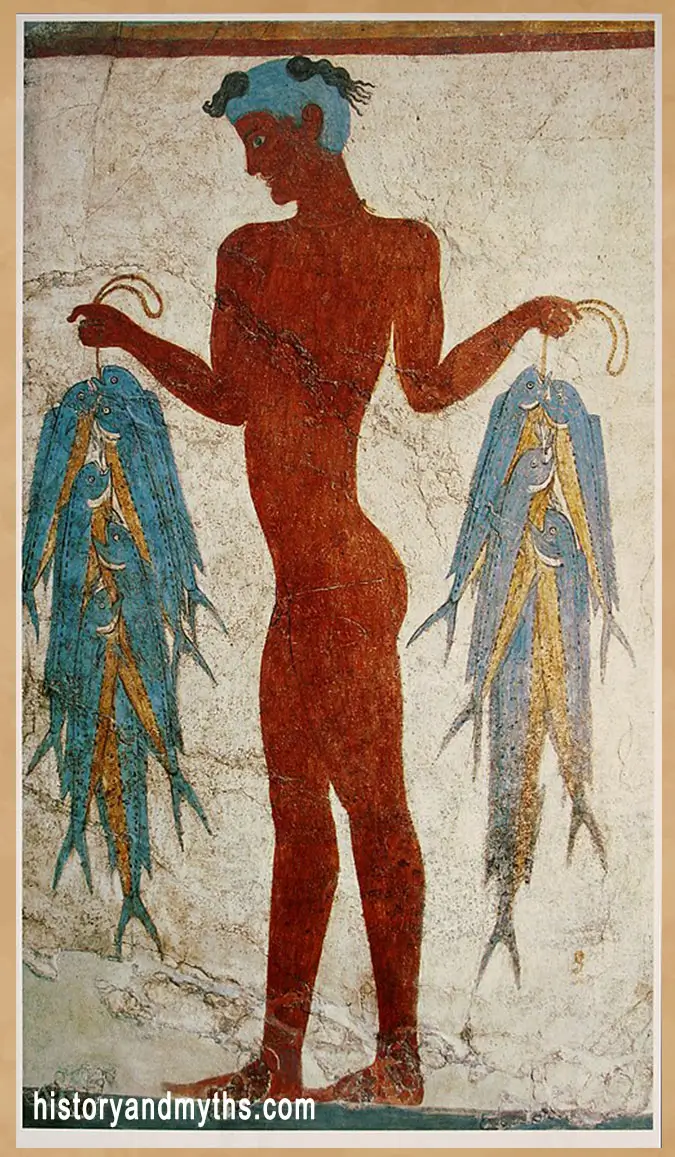
Most fishermen sold fish near harbors, coastal markets, and busy agoras where customers gathered daily to buy food before supplies spoiled. Port districts were especially important because catches arriving directly from boats could move quickly into nearby commercial areas without long transport delays.
In larger cities, fish sellers often worked in crowded sections of the marketplace associated with food trade and imported goods. The smell, visibility, and speed of sales made fish markets different from many other commercial spaces inside Greek urban life.
Coastal cities handled fish more easily than inland communities because fresh catches could reach consumers within hours. Inland markets depended more heavily on preserved seafood transported through trade networks rather than direct daily fishing activity.
Some merchants specialized in fish sales while others combined seafood with broader food trade. Market space, customer traffic, and proximity to docks all influenced how successfully fishermen and fish sellers could operate inside competitive urban markets.
| Fish Trade Activity | How Fish Was Sold in Greek Cities |
|---|---|
| Selling Locations | Fish was sold mainly near ports, coastal markets, and crowded agoras. |
| Fresh Fish Trade | Fresh catches had to be sold quickly before spoilage reduced value and demand. |
| Display Methods | Fish sellers used baskets, tables, and open displays so buyers could inspect freshness directly. |
| Salted Fish Trade | Salted fish lasted longer and moved more easily through long-distance trade routes. |
| Commercial Challenges | Fish sellers faced spoilage, unstable catches, weather problems, and strong market competition. |
Why Fish Had to Be Sold Quickly
Fresh fish spoiled far more rapidly than grain, pottery, oil, or most other market goods traded in Greek cities. Warm Mediterranean temperatures increased the risk of decay, especially during busy market days when seafood remained exposed in open public spaces.
This created constant pressure to move catches into urban markets immediately after arrival. Fishermen and sellers depended on fast unloading, rapid transport from the harbor, and steady customer traffic to avoid financial losses from unsold fish.
Timing therefore became part of the business itself. A successful catch could still lose value if boats arrived late, markets were overcrowded, or buyers had already purchased earlier supplies. Freshness directly affected both price and demand inside daily trade activity.
How Fish Was Displayed and Sold
Fish sellers usually displayed their catch openly in baskets, shallow containers, or on market tables where buyers could inspect freshness before purchasing. Visibility mattered because customers judged quality through appearance, smell, and texture rather than sealed packaging or standardized labels.
Larger fish were sometimes cut into portions to make them affordable for more customers, while smaller catches could be sold in groups or measured quantities. Prices changed throughout the day depending on supply, freshness, and remaining inventory.
Transactions happened directly between seller and buyer. Customers negotiated prices, examined the catch closely, and compared products between nearby vendors, especially in crowded food markets where several fishermen competed for the same buyers.
Why Fish Trade Worked Differently in Ancient Greece
Fish trade in Ancient Greek cities depended on speed, freshness, and direct access to ports because seafood spoiled much faster than most other commercial products. Fishermen and merchants therefore relied on fast market distribution, daily harbor activity, and preserved fish trade to keep urban food supply functioning.
© historyandmyths.com — Educational use
Fresh Fish vs Salted Fish Trade
Fresh fish and salted fish operated differently inside the Greek economy because they served separate commercial needs. Fresh catches depended on immediate local sales, while salted fish could survive long transport and remain usable for extended periods.
Salt preservation allowed merchants to move seafood between distant cities without rapid spoilage. This made salted fish more suitable for maritime trade, military supply, travel, and inland markets far from active fishing ports.
The two products also appealed to different buyers and price levels. Fresh fish often carried higher value in coastal cities when catches arrived quickly, while preserved fish provided a more stable and accessible food source in regions with limited direct access to the sea.
How Ports Controlled the Fish Supply
Ports played a central role in supplying fish to Greek cities because most fresh catches entered urban markets directly from coastal landing areas. The distance between docks and marketplaces affected how quickly seafood could reach buyers before losing quality.
Busy ports created faster commercial circulation. Boats unloaded catches near warehouses, food sellers, and transport workers who helped move fish into nearby market districts within the same day. Cities connected to active maritime trade therefore had more reliable seafood access than isolated inland communities.
Port activity also influenced pricing and availability. Large catches arriving at the same time could lower prices temporarily, while poor weather or reduced fishing activity could quickly limit supply inside urban markets. Fish trade remained closely tied to the rhythm of harbor traffic and coastal commerce.
The Challenges of Fish Sellers in Ancient Greece
Fish sellers worked in one of the most unstable parts of the Greek food economy because their products lost value quickly and depended heavily on daily conditions. A weak catch, rough seas, delayed boats, or slow market activity could reduce earnings immediately.
Preservation remained a constant problem for merchants handling fresh seafood. Unsold fish became difficult to trade after long exposure to heat and crowded market conditions, forcing sellers to lower prices late in the day or accept financial losses.
Competition inside food markets added further pressure. Buyers could compare freshness and prices between nearby vendors within minutes, which meant fish sellers had to balance speed, pricing, and product quality constantly to remain competitive.
Fish trade in Ancient Greek cities depended on speed, location, and constant daily movement between ports and urban markets. Fishermen and merchants sold seafood through direct face-to-face trade where freshness determined value, pricing, and customer demand.
The business operated differently from many other forms of commerce because fish spoiled quickly and required immediate distribution after arrival. Fresh catches, preserved seafood, harbor activity, and market timing all shaped how fish sellers worked inside the broader Greek urban economy.
Key Takeaways
- Most fishermen sold fish near ports, harbors, and busy urban markets.
- Fresh fish had to move quickly through the market before spoilage reduced value.
- Customers judged seafood quality through smell, appearance, and freshness.
- Salted fish lasted longer and supported long-distance trade networks.
- Harbor traffic strongly affected seafood supply and market prices.
- Fish sellers faced constant pressure from spoilage, weather, and competition.
FAQ
Where did fishermen sell fish in Ancient Greece?
Most fishermen sold fish near harbors, coastal markets, and crowded agoras connected to daily urban trade.
Why did fish need to be sold quickly?
Fresh fish spoiled rapidly in warm Mediterranean conditions, making fast market sales essential.
How did Greek fish sellers display seafood?
Fish sellers displayed seafood openly in baskets, shallow containers, and on market tables where buyers could inspect freshness.
What was the difference between fresh and salted fish trade?
Fresh fish depended on immediate local sales, while salted fish lasted longer and supported long-distance trade.
Did ports affect fish prices in Greek cities?
Yes. Harbor traffic, weather, and the size of daily catches strongly influenced seafood supply and pricing.
Why was salted fish important in the Greek economy?
Salted fish could survive long transport and provided food for inland markets, travelers, and military supply systems.
What challenges did fish sellers face?
Fish sellers dealt with spoilage, unstable catches, rough weather, market competition, and fluctuating prices.
Was fish trade important in Ancient Greek cities?
Yes. Fish trade formed an important part of urban food supply, especially in coastal commercial centers.
Sources & Rights
- Davidson, James. Courtesans and Fishcakes: The Consuming Passions of Classical Athens. London: HarperCollins, 1997.
- Bresson, Alain. The Making of the Ancient Greek Economy. Princeton: Princeton University Press, 2016.
- Finley, M. I. The Ancient Economy. Berkeley: University of California Press, 1999.
- Casson, Lionel. Travel in the Ancient World. Baltimore: Johns Hopkins University Press, 1994.
- Camp, John McK. The Athenian Agora. London: Thames & Hudson, 1986.
- Dalby, Andrew. Siren Feasts: A History of Food and Gastronomy in Greece. London: Routledge, 1996.
- Curtis, Robert I. Ancient Food Technology. Leiden: Brill, 2001.
- Foxhall, Lin. Studying Gender in Classical Antiquity. Cambridge: Cambridge University Press, 2013.
- Boardman, John. The Greeks Overseas. London: Thames & Hudson, 1999.
- Burford, Alison. Land and Labor in the Greek World. Baltimore: Johns Hopkins University Press, 1993.
- Whitby, Michael. Trade and Famine in Classical Antiquity. Cambridge: Cambridge University Press, 1988.
- Millett, Paul. Lending and Borrowing in Ancient Athens. Cambridge: Cambridge University Press, 1991.
- Hansen, Mogens Herman. An Inventory of Archaic and Classical Poleis. Oxford: Oxford University Press, 2004.
- Vlassopoulos, Kostas. Unthinking the Greek Polis. Cambridge: Cambridge University Press, 2007.
- Amemiya, Toru. Economy and Economics in Ancient Greece. London: Routledge, 2007.
- Osborne, Robin. Greece in the Making. London: Routledge, 1996.
- Morris, Ian. Archaeology as Cultural History. Oxford: Blackwell, 2000.
- Waterfield, Robin. Athens: A History. London: Macmillan, 2004.
- de Ste. Croix, G. E. M. The Class Struggle in the Ancient Greek World. London: Duckworth, 1981.
- Bekker-Nielsen, Tonnes. Ancient Fishing and Fish Processing in the Black Sea Region. Aarhus: Aarhus University Press, 2005.
Written by H. Moses — All rights reserved © Mythology and History