How Goods Moved from Port to Market in Ancient Greece
Goods in ancient Greece did not move directly from ships into the market. After arriving at the harbor, cargo had to be unloaded, inspected, stored, carried through the city, and redistributed into commercial spaces by workers, transporters, and merchants. Ports and markets functioned as connected parts of the same economic system, linked through roads, storage zones, labor networks, and urban infrastructure. The speed and organization of this movement affected supply, prices, and the efficiency of trade inside Greek cities.
Why Ports and Markets Had to Work Together
Ports and markets depended on each other because trade only generated value once goods entered urban circulation.
Harbors received cargo, not consumers. Ships delivered bulk goods into controlled unloading areas, but economic exchange happened later inside commercial districts where buyers, retailers, and workshops operated.
Markets depended on constant supply. Urban demand required regular movement from the harbor into the city. Delays at the port could quickly affect availability inside the market itself.
Different spaces served different functions. Ports handled arrival, storage, and transfer, while markets handled distribution and sale. Neither space could replace the other.
Commercial flow connected both systems. Roads, carriers, warehouses, and labor networks turned imported cargo into usable market inventory. Trade depended on this transition functioning efficiently.
Port activity shaped urban economy. Cities with active harbors developed stronger commercial districts because imported goods continuously fed local exchange and resale activity.
The harbor and the market therefore operated as linked stages of the same economic process rather than separate commercial worlds.
| Stage | Main Activity | Purpose |
|---|---|---|
| Harbor Arrival | Cargo unloading and separation | Transfer goods from ship to shore |
| Temporary Storage | Holding goods near the docks | Stabilize incoming cargo flow |
| Urban Transport | Movement by porters, animals, and carts | Carry goods into commercial districts |
| Market Redistribution | Dividing bulk cargo into sale quantities | Prepare goods for urban consumption |
| Retail Sale | Distribution through markets and workshops | Complete the commercial cycle |
What Happened When Cargo Arrived at the Harbor
The arrival of a ship began a coordinated transfer process before goods could enter the city market.
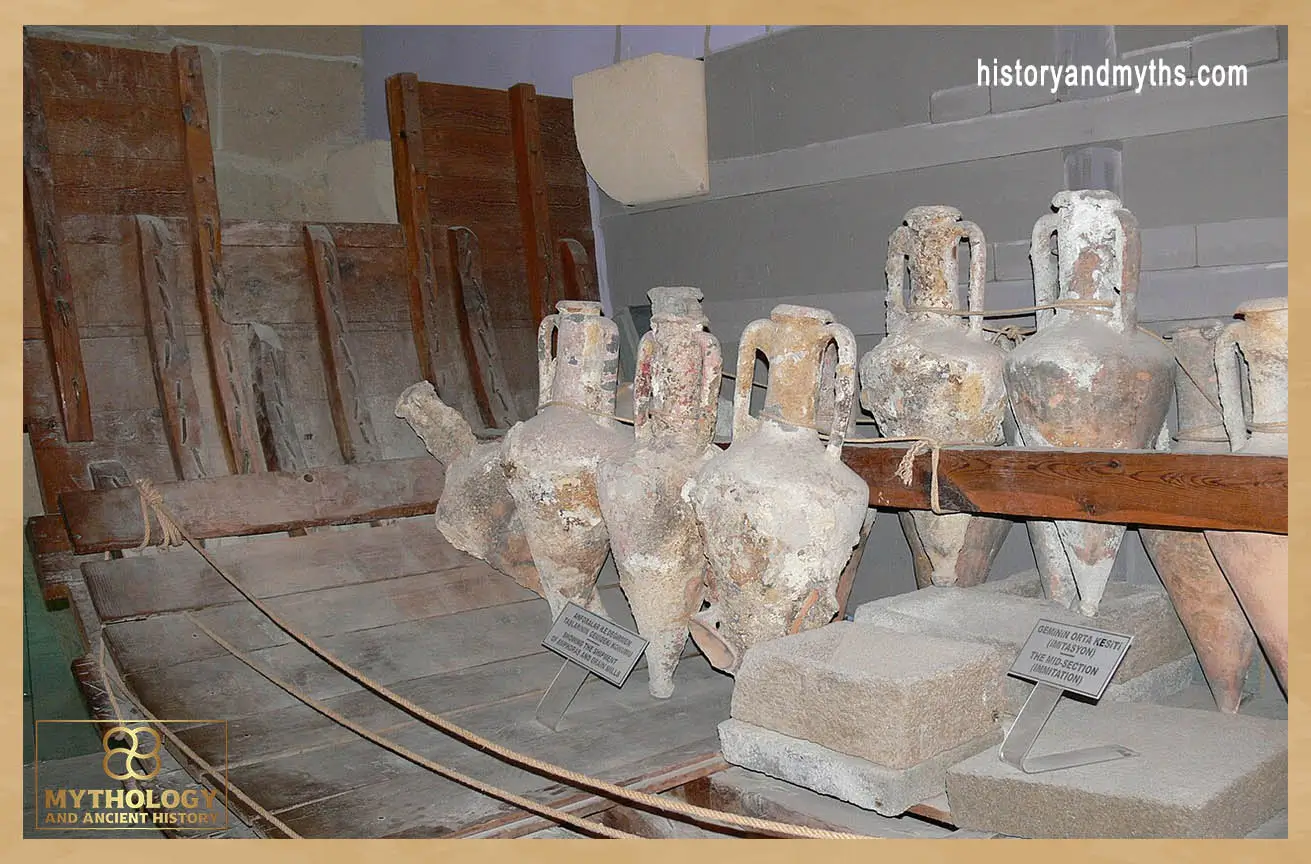
Unloading came first. Cargo was removed from the vessel manually and separated according to type, destination, or ownership. Amphorae, grain sacks, timber, and metal shipments required different handling methods.
Temporary holding areas absorbed incoming volume. Goods were placed near docks or in nearby storage spaces until transport inside the city could be organized.
Verification and supervision followed. Port officials and commercial agents monitored cargo movement, especially for taxed or regulated imports entering busy harbors.
Merchants coordinated collection. Buyers, intermediaries, or transport workers arranged the next stage of movement from the waterfront into urban commercial zones.
Time mattered immediately. Delays increased congestion, risked spoilage for certain goods, and slowed market supply further inside the city.
The harbor functioned as a transfer environment where cargo shifted from maritime transport into the urban distribution system.
Who Handled the Movement of Goods
The movement of goods depended on specialized labor operating between the harbor and the market.
Dock workers managed unloading. They removed cargo from ships, organized it onshore, and prepared it for inland transport.
Carriers moved goods through the city. Human porters, pack animals, and carts transferred cargo from waterfront areas into warehouses, workshops, and market districts.
Intermediaries coordinated delivery. Commercial agents connected merchants, storage operators, and transport workers to keep goods moving toward their final destination.
Warehouse operators controlled short-term storage. They received incoming cargo, separated inventory, and released goods according to demand and transport capacity.
Retail distributors broke bulk cargo into market quantities. Large shipments arriving at the harbor were divided into smaller amounts suitable for local sale and urban consumption.
Trade relied not only on merchants and ships but on a layered labor system that converted imported cargo into usable market supply.
How Goods Were Transported Through the City
Moving cargo through Greek cities required adapting to dense streets, uneven terrain, and the limits of urban infrastructure.
Human transport remained essential. Porters carried amphorae, sacks, and smaller goods directly through crowded areas where larger vehicles could not move efficiently.
Pack animals extended carrying capacity. Donkeys and mules transported heavier loads across longer urban routes, especially between storage zones and market districts.
Carts worked best on accessible routes. Wheeled transport was useful for bulk movement where streets allowed it, particularly near broader roads connected to the harbor.
Movement patterns followed commercial geography. Goods flowed toward agoras, workshops, storage facilities, and retail clusters rather than dispersing randomly through the city.
Traffic efficiency affected trade speed. Congestion, distance, and handling delays influenced how quickly imported goods became available for sale.
Urban transport was therefore a logistical process shaped by the physical structure of the city itself.
- Trade depended on movement between harbor and market
- Ports, warehouses, and roads formed a connected system
- Dock workers and carriers played essential economic roles
- Storage zones regulated the flow of imported goods
- Transport efficiency directly affected supply and profit
© historyandmyths.com — Educational use
Why Storage Areas Mattered Between Port and Market
Goods rarely moved from the harbor directly into immediate sale. Storage zones stabilized the flow between arrival and distribution.
Cargo arrived in bulk. Ships carried volumes larger than daily market demand, making temporary holding necessary before goods could be redistributed gradually.
Timing controlled release. Merchants and distributors used storage to manage when products entered the market instead of flooding commercial spaces at once.
Different goods required different conditions. Grain, oil, wine, timber, and metal shipments needed separate handling environments to reduce damage or spoilage.
Transport capacity was limited. Incoming cargo often exceeded the number of available carriers or vehicles at a given moment, forcing staged movement through warehouses and holding areas.
Commercial organization depended on separation. Sorting goods before market entry simplified delivery to workshops, retailers, and buyers across the city.
Storage areas functioned as operational buffers that kept the commercial system moving without overwhelming the urban market network.
How Port Districts Became Commercial Zones
Port districts evolved beyond docking areas because trade activity concentrated people, goods, and services in the same space.
Commercial services gathered near the harbor. Warehouses, workshops, taverns, lodging spaces, and exchange points appeared where merchants and cargo arrived continuously.
Transport costs encouraged proximity. Keeping storage and business activity close to the docks reduced carrying time and simplified redistribution into the city.
Foreign traders concentrated there. Outsiders operating temporarily or seasonally often remained near port areas where commercial contacts and shipping access were easiest to maintain.
Information moved through the harbor first. News about prices, shortages, and arriving cargo circulated rapidly inside port districts, making them centers of economic decision-making.
Urban growth followed trade movement. As commercial traffic increased, harbor districts developed into active economic environments tied directly to the wider city market.
Port districts became extensions of the trading system itself rather than simple arrival points for ships.
What Risks Existed During Transport
Moving goods through the city exposed cargo to delays, damage, and loss before it ever reached the market.
Breakage during handling. Amphorae and containers could crack during unloading or transport across uneven streets, especially when goods were moved repeatedly between carriers and storage spaces.
Spoilage from delay. Perishable products lost value if transport slowed during heat, congestion, or storage bottlenecks near the harbor.
Theft and disappearance. Cargo passing through crowded port districts and busy streets created opportunities for partial loss, especially with smaller or high-value goods.
Traffic congestion. Narrow urban routes slowed movement when multiple shipments arrived simultaneously, delaying market distribution.
Weather exposure. Rain, humidity, and dust affected goods waiting outdoors between unloading and inland transfer.
Transport risk therefore existed not only at sea but throughout the urban movement process connecting the harbor to the market.
Why Efficient Movement Increased Profit
Profit depended not only on buying and selling but on how quickly goods moved through the commercial system.
Faster delivery reduced storage pressure. Goods reaching the market quickly required less temporary holding and lower handling costs.
Fresh products kept higher value. Perishable cargo lost market quality over time, making speed economically important for sellers and distributors.
Rapid turnover freed capital. Merchants recovered money sooner when cargo entered circulation quickly, allowing reinvestment into new shipments or purchases.
Reliable movement stabilized supply. Consistent transport reduced sudden shortages and improved the predictability of market activity.
Lower transport friction improved competitiveness. Traders who moved goods efficiently could sell sooner, reduce losses, and respond faster to demand changes inside the city.
Efficient movement increased profit by shortening the gap between arrival and sale while reducing the costs created by delay and congestion.
What This Reveals About Greek Urban Economy
The movement of goods from harbor to market shows that Greek trade depended on coordinated urban logistics, not ships alone.
Commerce relied on connected systems. Ports, storage zones, roads, labor networks, and marketplaces operated together as parts of a single economic structure.
Urban infrastructure shaped trade capacity. A city’s ability to handle cargo efficiently affected supply stability, commercial speed, and market growth.
Economic activity extended beyond the harbor. Trade continued through transport, redistribution, and retail movement inside the city after ships arrived.
Labor played a central role. Carriers, dock workers, warehouse operators, and intermediaries formed the operational layer that kept goods circulating.
Trade efficiency depended on movement efficiency. The success of commerce was tied not only to access to goods but to how effectively the city could move them through its internal system.
Greek urban economies therefore functioned through organized circulation, where the path between harbor and market mattered as much as maritime trade itself.
- Goods moved through organized urban logistics systems
- Ports and markets functioned as connected economic spaces
- Transport workers and storage operators were critical to trade
- Delays and congestion could reduce commercial efficiency
- Movement speed affected supply, freshness, and profitability
Frequently Asked Questions
How were goods moved from ports to markets in ancient Greece?
Goods were unloaded at harbors, stored temporarily, and transported into cities by porters, pack animals, and carts.
Why were Greek harbors important to trade?
Harbors acted as entry points for imported cargo and connected maritime trade to urban markets.
Who handled cargo movement in Greek cities?
Dock workers, carriers, warehouse operators, and commercial intermediaries managed the movement of goods.
Why did ancient Greek cities use storage areas near ports?
Storage zones helped regulate cargo flow and prevented markets from becoming overloaded by incoming shipments.
What risks existed during urban transport?
Goods faced risks such as spoilage, theft, congestion, weather exposure, and breakage during handling.
How did transport efficiency affect Greek trade?
Faster movement reduced costs, stabilized supply, and increased the speed at which merchants could sell goods.
Sources & Rights
- Bresson, Alain. The Making of the Ancient Greek Economy. Princeton University Press, 2016.
- Finley, M.I. The Ancient Economy. University of California Press.
- Morley, Neville. Trade in Classical Antiquity. Cambridge University Press.
- Cohen, Edward E. Athenian Economy and Society. Princeton University Press.
- Davies, J.K. The Greek Economy. Cambridge University Press.
- Blackman, David. “The Athenian Navy and the Piraeus.” American Journal of Archaeology.
- Garland, Robert. The Piraeus: From the Fifth to the First Century B.C. Cornell University Press.
- Hansen, Mogens Herman. The Polis as an Urban Centre and as a Political Community. Copenhagen.
- Ober, Josiah. The Rise and Fall of Classical Greece. Princeton University Press.
- Shipton, Katherine. Money and the Elite in Classical Athens. Cambridge University Press.
- Foxhall, Lin. Studying Gender in Classical Antiquity. Cambridge University Press.
- Burford, Alison. Craftsmen in Greek and Roman Society. Cornell University Press.
- Casson, Lionel. Ships and Seamanship in the Ancient World. Johns Hopkins University Press.
- Rickman, Geoffrey. The Corn Supply of Ancient Rome. Oxford University Press.
- de Souza, Philip. Piracy in the Graeco-Roman World. Cambridge University Press.
- Xenophon. Poroi.
- Demosthenes. Against Phormion.
- Aristotle. Politics.
Written by H. Moses — All rights reserved © Mythology and History