The Sphinx and the Power of Deadly Knowledge in Greek Mythology
In Greek mythology, the Sphinx was one of the few monsters who did not rely on physical strength to defeat her victims. Instead, she used a riddle. Travelers approaching the…
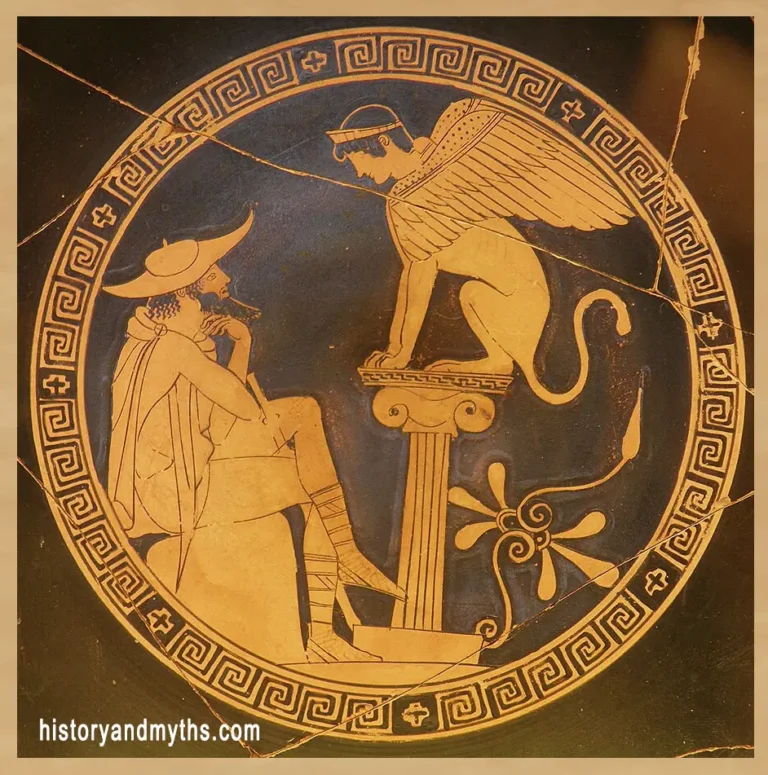
In Greek mythology, the Sphinx was one of the few monsters who did not rely on physical strength to defeat her victims. Instead, she used a riddle. Travelers approaching the…
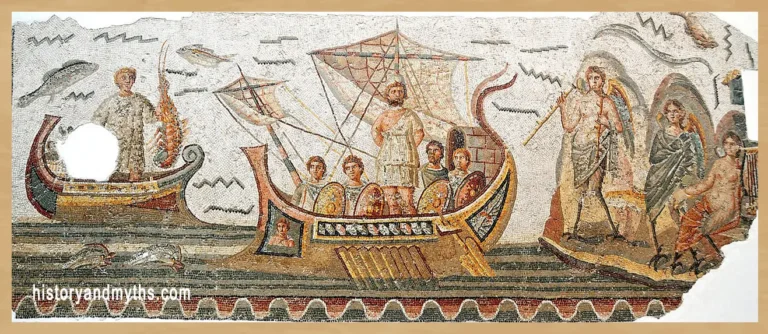
In Greek mythology, few dangers were as feared as Scylla and Charybdis. Positioned on opposite sides of a narrow sea passage, they created a situation in which sailors could not…
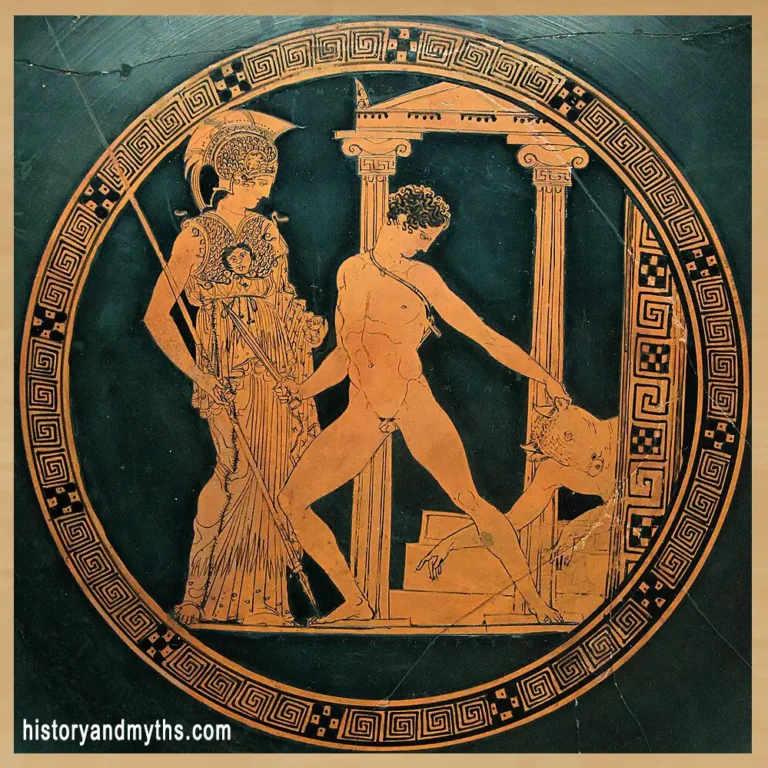
In Greek mythology, the Minotaur is often remembered as a terrifying monster hidden beneath the island of Crete. Yet the creature alone does not explain why the story remained famous…
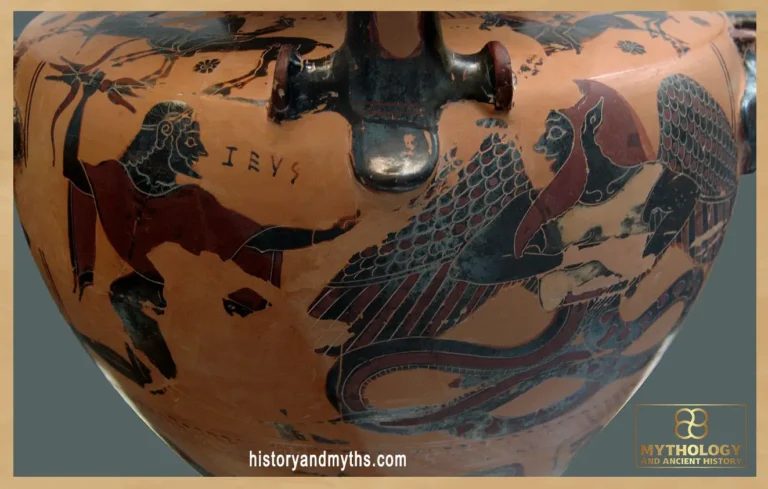
In Greek mythology, Typhon was not simply the largest or most terrifying monster. He was the greatest threat the cosmos had ever faced. Ancient sources describe him as a force…
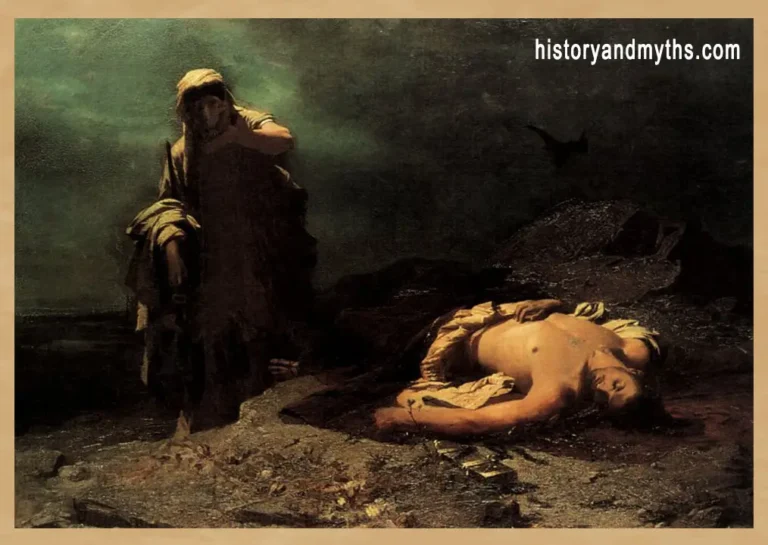
In ancient Greece, few fates were considered more frightening than dying without burial. The fear was not simply about leaving a body exposed or denying someone a proper funeral. Greeks…
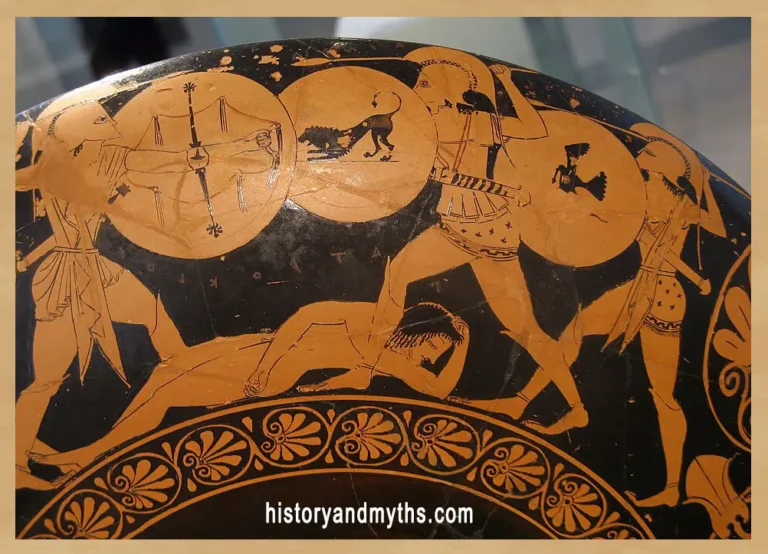
In Greek mythology, dreams were more than private experiences that occurred during sleep. Many Greeks believed that dreams could serve as a meeting point between the world of the living…
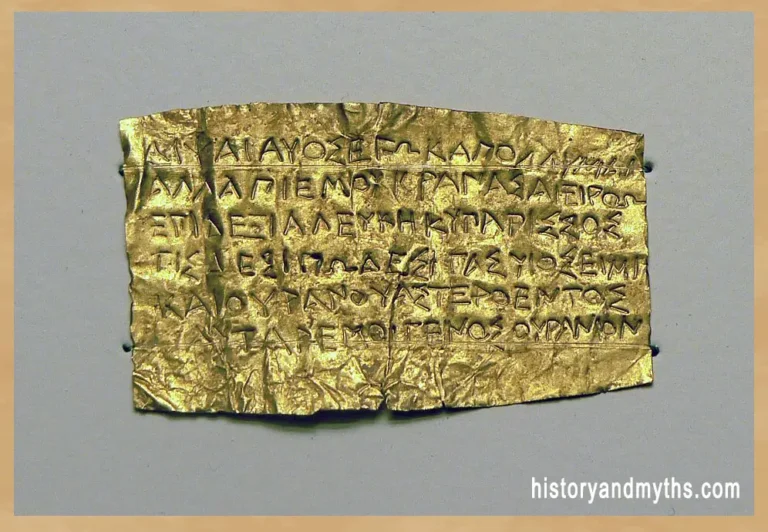
In Greek mythology, death was not always viewed as the final destination of the soul. While many Greek traditions imagined the dead entering the underworld and remaining there, other religious…
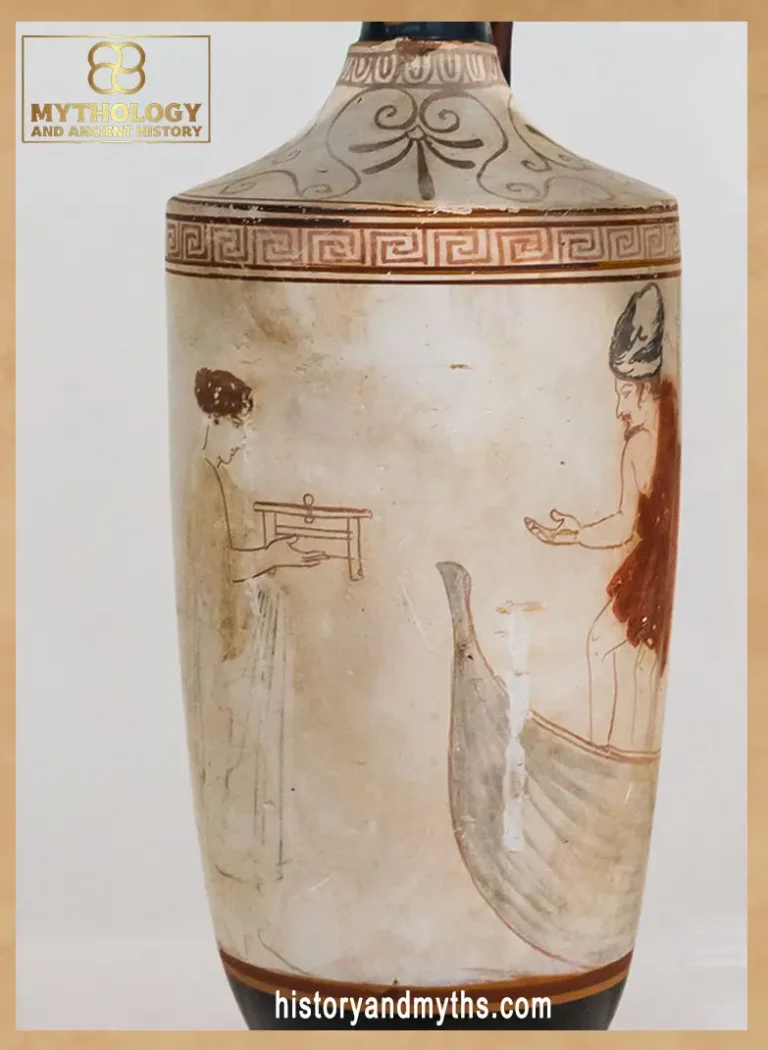
In Greek mythology, death was not simply a matter of leaving the world of the living and entering the world of the dead. The journey itself required preparation, and one…
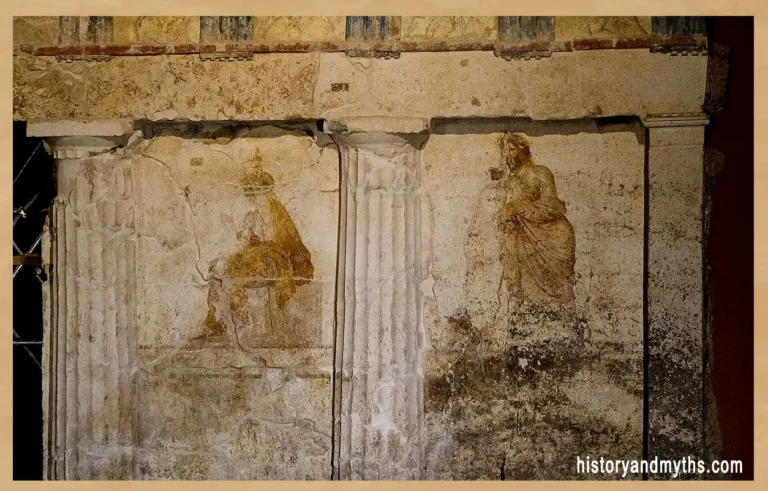
In Greek mythology, the fate of a soul after death was not entirely random. Different souls could receive very different outcomes, ranging from the rewards of Elysium to the punishments…
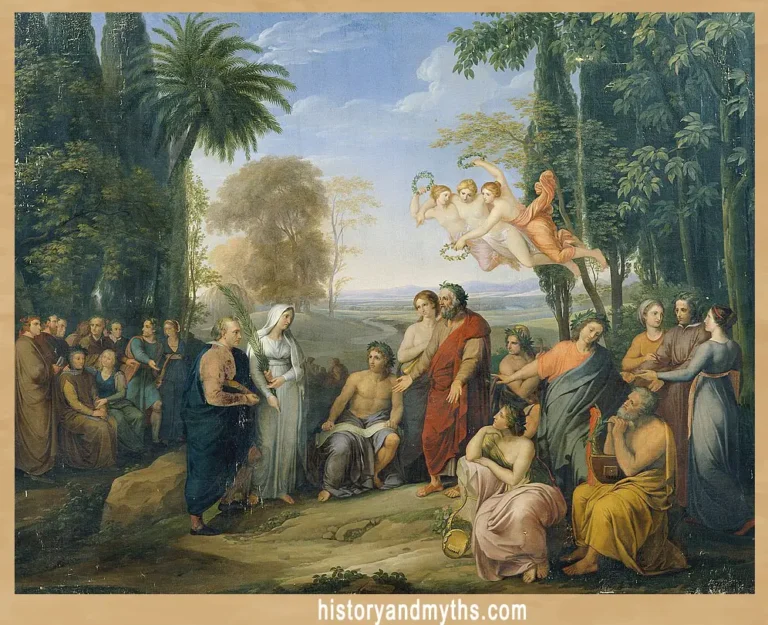
Elysium was the closest thing Greek mythology had to a paradise, but it was not intended for everyone. While most souls entered the ordinary regions of the underworld after death,…
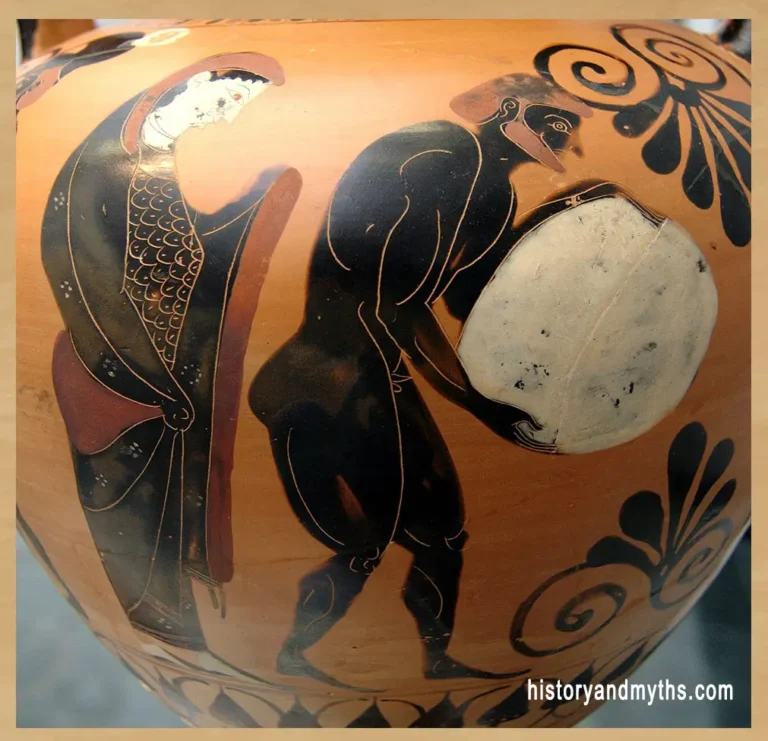
In Greek mythology, eternal punishment was reserved for only a small number of individuals. Most souls entered the underworld and continued their existence without endless torment. Those who received eternal…
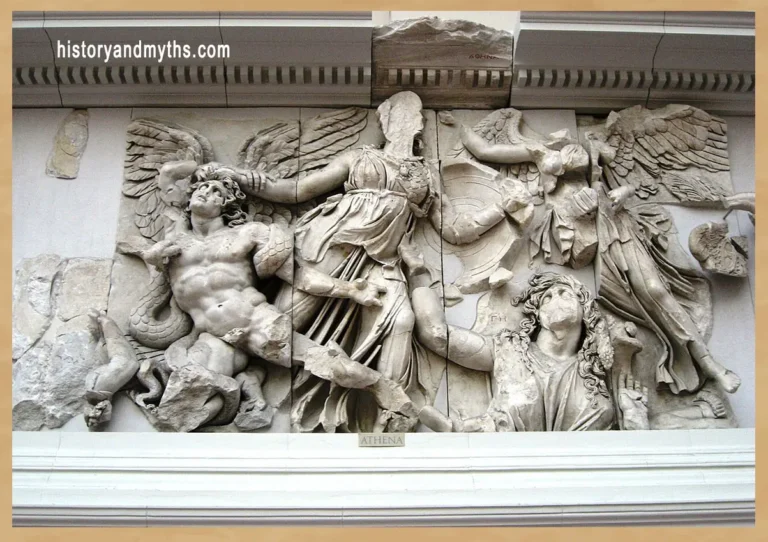
Greek mythology did not divide the universe into gods, Titans, and primordial beings simply to create different generations of divine characters. Each group represented a different layer of reality and…
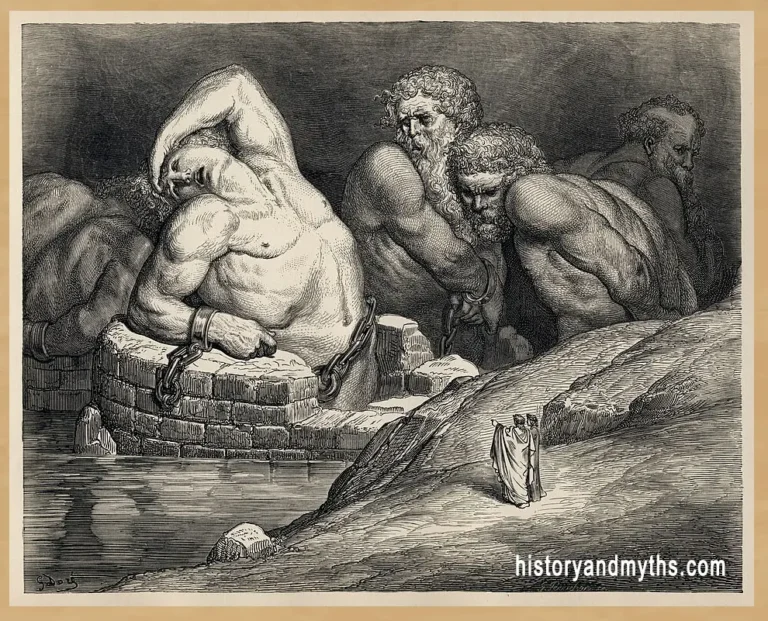
Tartarus in Greek mythology was far more than a place of punishment for the dead. Long before it became associated with condemned souls and eternal torment, Tartarus existed as one…
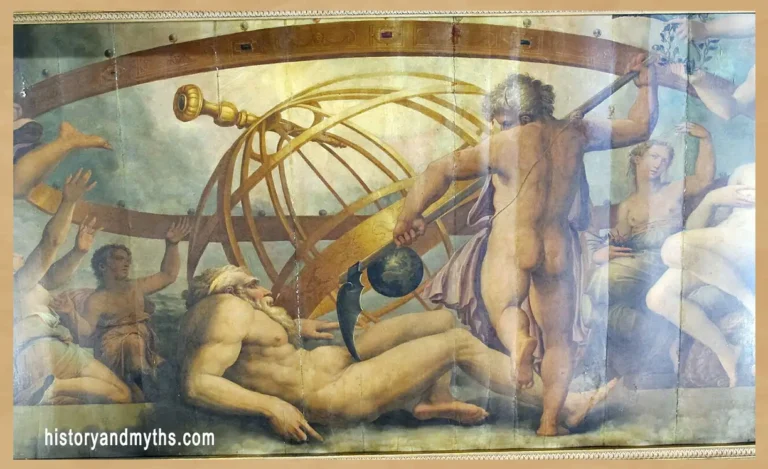
In Greek mythology, power was never permanent. The rulers of the cosmos lived under a constant fear shared by gods, Titans, and primordial beings alike: the fear of being overthrown…
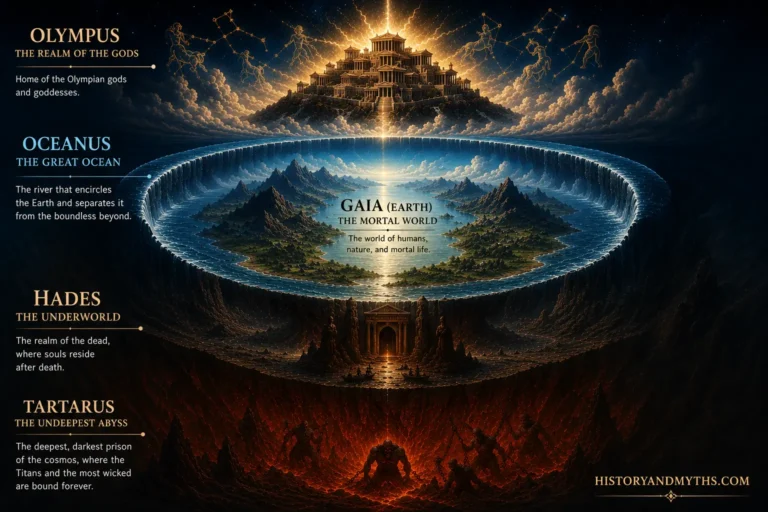
The structure of the Greek cosmos was far more complex than a simple division between heaven, earth, and the underworld. Ancient Greek mythology imagined the universe as a layered system…
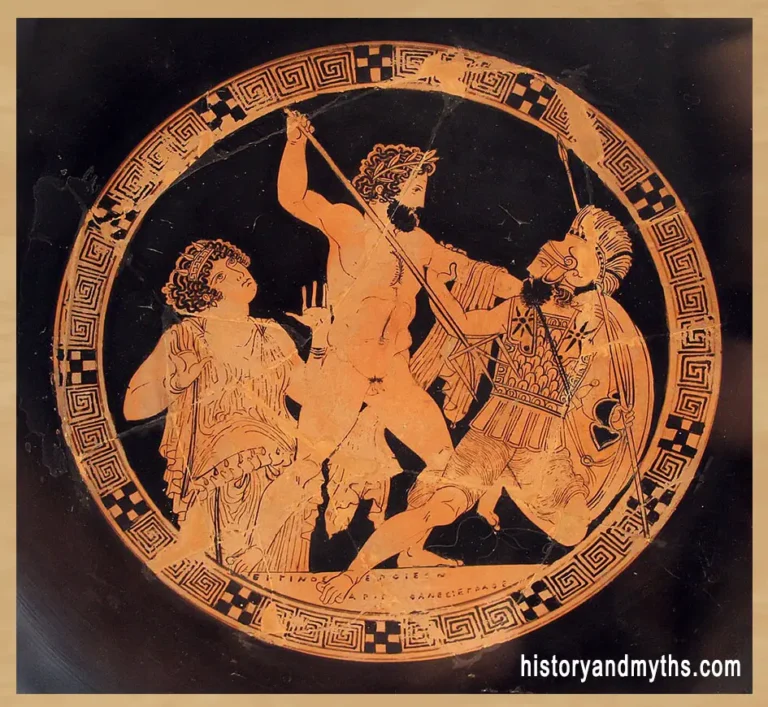
The Gigantomachy was the war between the Olympian gods and the Giants in ancient Greek mythology. Unlike the Titanomachy, which established Olympian rule, the Gigantomachy threatened the stability of that…
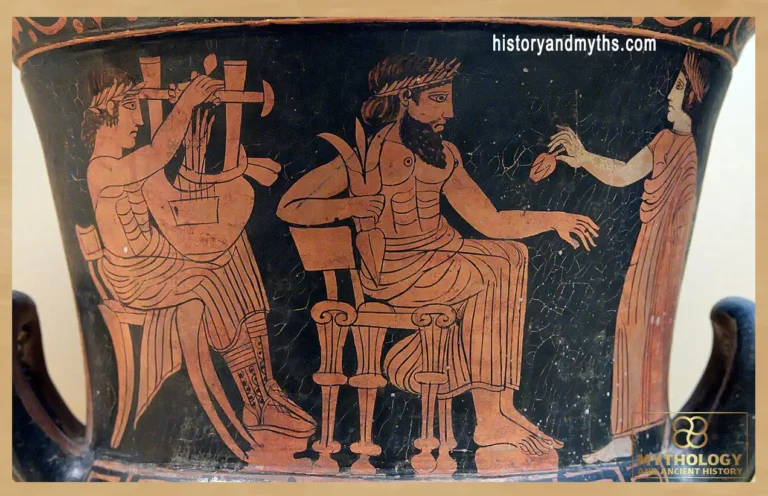
The Titanomachy was the great war between the Titans and the Olympian gods in ancient Greek mythology. More than a mythological battle, it explained how Zeus and the Olympians overthrew…
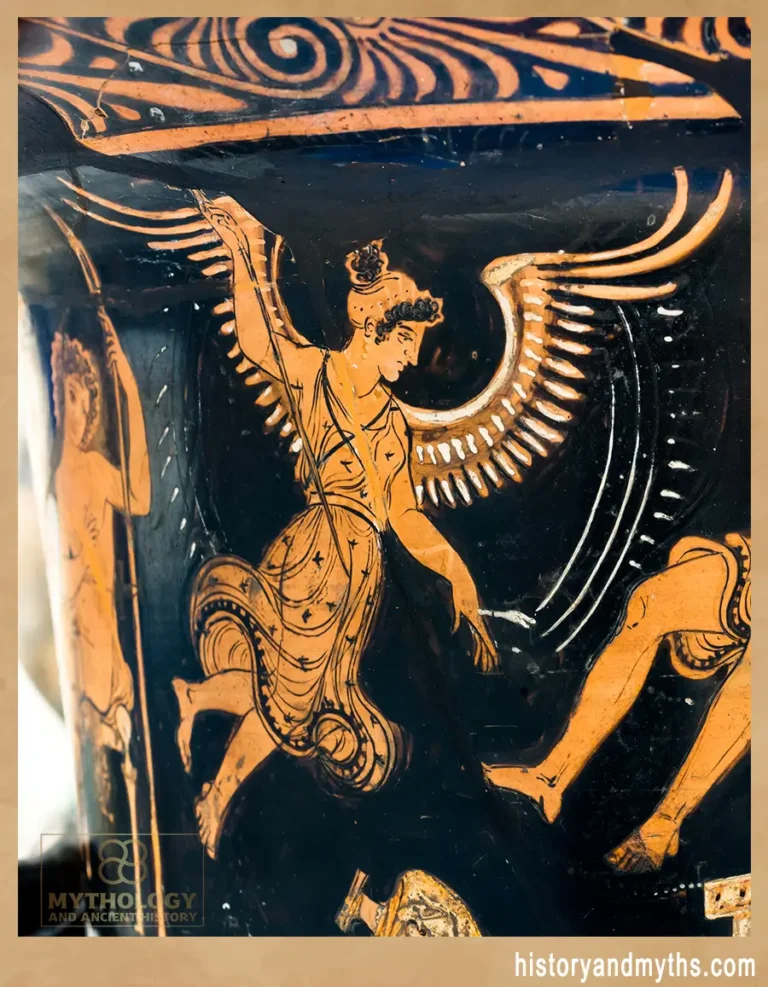
In Greek mythology, madness was not treated as a random stroke of misfortune. It was a force with intention, capable of tearing a hero away from reason and pushing him…