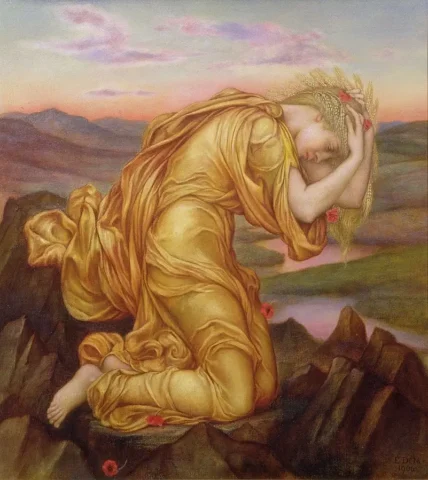
Why Humans Were Turned Into Other Creatures in Greek Mythology
Transformation is one of the most distinctive patterns in Greek mythology. Again and again, humans, nymphs, heroes, and even kings are changed into animals, plants, stars, or other forms. At first glance these stories can appear to be imaginative tales explaining the origins of natural features. A closer look, however, reveals that transformation served a much deeper purpose within the Greek mythological imagination.
These myths were rarely random. A transformation often occurred at a moment of crisis—after a challenge to a god, an act of divine mercy, a tragic loss, or the crossing of a boundary that should not have been crossed. In some stories it functions as punishment, in others as protection, remembrance, or escape. The new form becomes a permanent reminder of what happened and why it mattered.
Understanding transformation myths therefore means looking beyond the final change itself. Whether it is Arachne becoming a spider, Daphne becoming a laurel tree, or Actaeon becoming a stag, the transformation reflects larger Greek ideas about power, identity, memory, and the relationship between mortals and the divine. Together, these stories reveal why metamorphosis became one of the most enduring themes in Greek mythology.
What Are Transformation Myths?
Transformation myths are stories in which a person, creature, or divine being undergoes a permanent change in form. In Greek mythology, these changes often result in a human becoming an animal, plant, natural feature, constellation, or other non-human existence. Unlike temporary disguises used by gods, these transformations usually carry lasting consequences that reshape the character’s identity and place in the world.
What makes these myths distinctive is that the transformation itself is rarely the true subject of the story. The physical change serves as the outcome of a deeper conflict involving divine power, human behavior, desire, grief, pride, or fate. The new form becomes a visible expression of the lesson, punishment, protection, or memory that the myth seeks to preserve.
The story of Arachne illustrates this pattern clearly. Her transformation into a spider is not important because it explains the existence of spiders. It matters because it reflects the consequences of challenging a goddess and refusing to recognize divine limits. The new form permanently embodies the conflict that produced it.
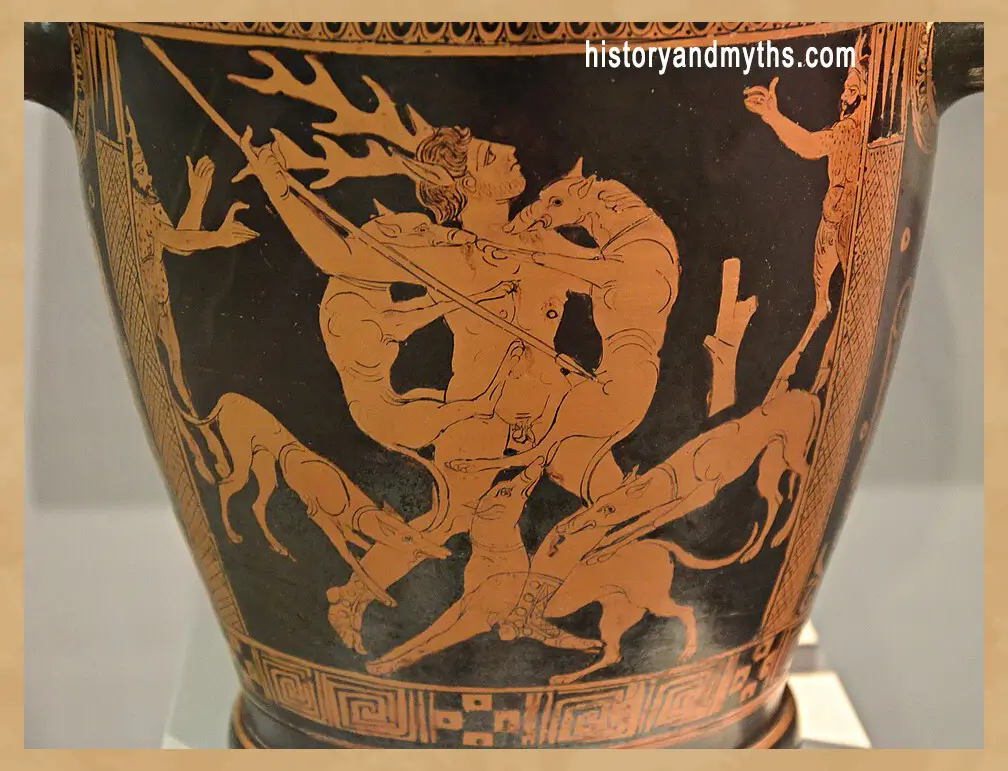
The same principle appears in many other myths. Daphne’s transformation into a laurel tree preserves her escape from Apollo. Hyacinthus becomes associated with a flower that keeps his memory alive after death. Actaeon’s transformation into a stag reflects the consequences of crossing a boundary that separated mortals from the divine.
Because of this, transformation myths should not be understood as simple origin stories. They are symbolic narratives that use physical change to express ideas about power, identity, memory, and the relationship between human beings and forces greater than themselves.
| Myth | Transformation | Primary Function | Symbolic Meaning |
|---|---|---|---|
| Arachne | Spider | Punishment | Limits of human pride |
| Daphne | Laurel Tree | Protection | Escape and preservation |
| Hyacinthus | Flower | Remembrance | Memory and grief |
| Actaeon | Stag | Boundary Violation | Human limits before the divine |
Why Transformation Appears So Often in Greek Mythology
Transformation became a recurring theme in Greek mythology because it provided a powerful way to make abstract ideas visible. Concepts such as pride, desire, grief, divine anger, and human limitation could be difficult to express through ordinary narrative alone. By changing a person’s physical form, mythology turned those ideas into something permanent and impossible to ignore.
The device also allowed myths to leave lasting marks on the world. A tragic event did not simply end when a character died or disappeared. The transformation ensured that the story remained present in the landscape, whether as a tree, flower, animal, spring, or constellation. Memory became something visible rather than something merely remembered.
Transformation was equally useful because it created consequences that matched the scale of mythological events. When mortals encountered gods, challenged divine authority, or crossed sacred boundaries, an ordinary punishment often seemed insufficient. A permanent change of form reflected the extraordinary nature of the act and its consequences.
The popularity of these stories also reflects a broader Greek interest in instability and change. Mythology repeatedly explores how quickly fortune, status, beauty, and power can disappear. Transformation myths take this idea to its extreme conclusion by showing that even identity itself is not always secure.
For ancient audiences, these stories offered more than entertainment. They provided memorable explanations for how divine power operated in the world. A transformation could preserve a lesson, explain a sacred symbol, or demonstrate the limits that separated mortals from the gods, making it one of the most flexible narrative tools in Greek mythology.
Transformation as Divine Punishment
One of the most common functions of transformation in Greek mythology is punishment. When mortals challenged divine authority, violated sacred boundaries, or displayed excessive pride, transformation often became a visible and permanent consequence. Rather than simply inflicting suffering, the gods altered the offender’s identity itself, ensuring that the lesson could not be forgotten.
The story of Arachne is a well-known example. Renowned for her skill as a weaver, she challenged Athena and refused to acknowledge the goddess’s superiority. After the contest, Arachne was transformed into a spider. The punishment did not erase her talent; instead, it forced her to continue weaving forever in a new form. The transformation reflected the nature of the offense and made the lesson inseparable from her existence.
This pattern appears in many Greek myths. Punishment is rarely arbitrary. The new form often symbolizes the behavior that provoked divine intervention, creating a direct connection between action and consequence. The transformed individual becomes a living reminder of the boundary that was crossed.
Transformation also differs from ordinary punishment because it extends beyond a single moment. A fine, wound, or death may end a story, but a permanent change of form continues indefinitely. Mythology uses this permanence to emphasize the enduring power of the gods and the risks of ignoring limits established by the divine order.
For Greek audiences, these stories reinforced a recurring theme: human abilities and ambitions had limits. When those limits were ignored, the consequences could reach beyond suffering and alter the very nature of the person responsible.
Transformation Was More Than Magic
Greek transformation myths were not simply stories about magical changes. They used physical transformation to express punishment, protection, memory, grief, and divine intervention. The new form became a permanent symbol that preserved the meaning of the myth long after the original event had ended.
© historyandmyths.com — Educational Use
Transformation as Protection and Escape
Not all transformations in Greek mythology are punishments. In many stories, a change of form serves as a means of protection when no other escape is possible. The transformation may involve loss, but it also prevents an outcome considered even worse.
The myth of Daphne demonstrates this idea clearly. Pursued by Apollo and unwilling to surrender her independence, Daphne appealed for help at the moment she could no longer escape. Her transformation into a laurel tree ended the pursuit, preserving her from the fate she feared. Although she lost her human form, the metamorphosis functioned as a rescue rather than a punishment.
This type of transformation reveals a different aspect of divine power. Instead of enforcing authority, the gods intervene to alter reality itself. The change creates a permanent solution to a crisis that cannot be resolved through ordinary means. Escape becomes possible only by becoming something other than what one was before.
Protection through transformation often carries a cost. The individual survives, but their previous identity cannot be fully recovered. This tension gives such myths much of their emotional force. The transformation saves the character while simultaneously ending a part of their existence.
These stories show that metamorphosis was not always associated with divine anger. It could also express mercy, protection, or the desire to preserve something that would otherwise be lost. In doing so, Greek mythology presents transformation as a force capable of both punishment and salvation, depending on the circumstances that trigger it.
Why Humans Became Part of Nature
Many Greek transformation myths end with a person becoming part of the natural world. Trees, flowers, birds, animals, springs, and constellations repeatedly emerge from human stories. These transformations were not simply imaginative explanations for natural phenomena. They reflected a deeper belief that important events could become permanently embedded in the landscape.
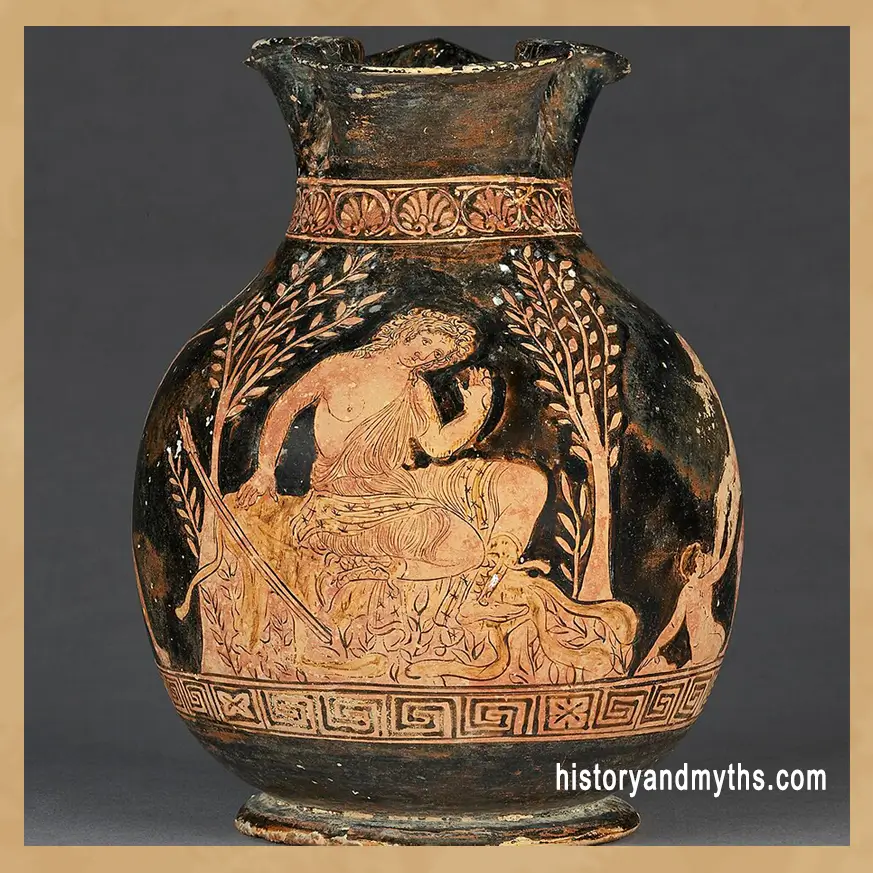
The myth of Hyacinthus offers a clear example. After the young companion of Apollo died, a flower associated with his memory emerged from the tragedy. The transformation ensured that the loss would not disappear with time. Nature itself became a form of remembrance, preserving the story long after the individual was gone.
This pattern appears throughout Greek mythology. A transformed person does not vanish from existence. Instead, they become something that remains visible and enduring. The landscape absorbs the memory, allowing human experiences such as love, grief, pride, or suffering to survive in a new form.
Such stories also blur the boundary between humanity and nature. Rather than treating the natural world as separate from human life, mythology often presents it as a continuation of human experience. Trees, flowers, and animals can carry the traces of divine encounters, heroic tragedies, and personal transformations.
For Greek audiences, these myths helped explain why certain places or natural features possessed symbolic meaning. A flower was not merely a flower, and a tree was not merely a tree. Both could be reminders of events that connected the human world to the actions of gods, heroes, and mythological figures.
Transformation and the Limits of Human Identity
Many transformation myths explore a question that appears throughout Greek mythology: how stable is human identity? These stories often begin with a character who believes they understand their place in the world, only to discover that their identity can be altered by forces far beyond their control.
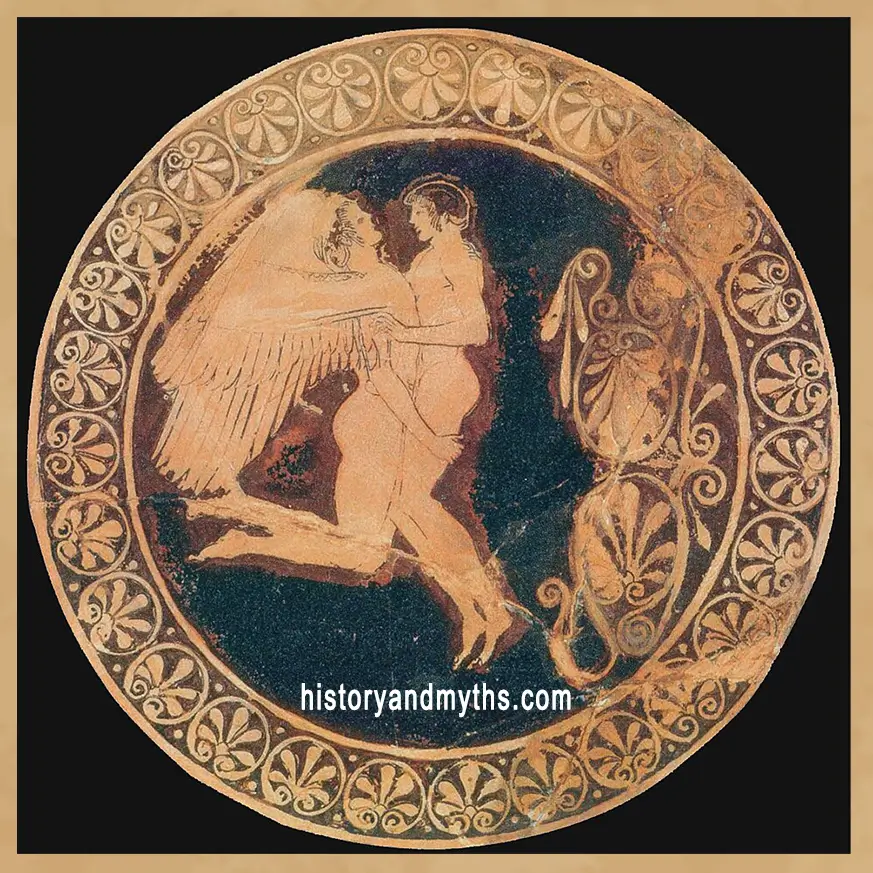
The myth of Actaeon illustrates this theme particularly well. After accidentally seeing Artemis while she bathed, he crossed a boundary that separated mortal experience from a realm reserved for the divine. His transformation into a stag was not merely a punishment. It stripped away the identity that had defined him and placed him in a completely different relationship to the world around him.
What makes such myths powerful is that the transformed individual often retains some awareness of who they once were. The body changes, but traces of memory, emotion, or experience remain. This creates a tension between past and present identities that gives many transformation stories their lasting emotional impact.
These myths also reflect a broader Greek concern with human limitations. Beauty, strength, intelligence, and social status could all be lost. Transformation pushes this uncertainty to its extreme by suggesting that even the self is not entirely secure. Under exceptional circumstances, a person can become something fundamentally different from what they once were.
For Greek audiences, such stories reinforced the idea that mortals occupied a fragile position within the cosmos. Human identity was meaningful, but it was not absolute. The gods possessed the power not only to influence human lives but, in some cases, to redefine what a person was altogether.
What Transformation Myths Symbolized
Although transformation myths take many forms, they repeatedly return to a small number of symbolic ideas. At their core, these stories explore the relationship between human beings and powers greater than themselves. The transformation becomes a visible sign that an encounter with the divine has permanently altered reality.
One recurring theme is the importance of limits. Characters who challenge gods, ignore warnings, or cross sacred boundaries often experience transformations that reflect the consequences of their actions. The change serves as a reminder that mortals and immortals do not occupy the same position within the cosmos.
Another common theme is preservation. Many transformations prevent a person, memory, or event from disappearing entirely. Daphne survives as the laurel, Hyacinthus endures through the flower associated with his name, and countless other figures become part of the natural world rather than vanishing from it. Transformation turns memory into something lasting and visible.
These myths also symbolize the instability of human existence. Identity, beauty, strength, and status can all change unexpectedly. By making those changes physical and irreversible, mythology expresses a broader awareness that life itself is shaped by forces that individuals cannot fully control.
For this reason, transformation myths remained one of the most effective narrative tools in Greek mythology. They allowed stories to express punishment, protection, grief, remembrance, and divine power through a single dramatic act. The transformation was never simply the end of the story—it was the symbolic form through which the story’s deeper meaning became visible.
Transformation myths occupy a unique place in Greek mythology because they combine narrative drama with symbolic meaning. Whether a character becomes a spider, a tree, a flower, or an animal, the change is rarely random. It reflects a larger idea about divine power, human limitations, memory, identity, or the consequences of crossing sacred boundaries.
The stories of Arachne, Daphne, Hyacinthus, and Actaeon demonstrate that transformation could serve many different purposes. It could punish pride, provide protection, preserve remembrance, or reveal the fragility of human identity. Despite their differences, all of these myths use physical change to express truths that ordinary events could not convey as effectively.
This helps explain why metamorphosis appears so frequently across Greek mythology. Transformation offered a powerful way to make invisible ideas visible, turning abstract themes into memorable stories that remained meaningful long after the characters themselves had changed.
Seen together, these myths reveal that transformation was not simply a literary device. It was one of the primary ways Greek mythology explored the relationship between mortals, nature, and the divine forces that shaped the world around them.
Key Takeaways
- Transformation myths are among the most common narrative patterns in Greek mythology.
- Metamorphosis often served as punishment, protection, remembrance, or divine intervention.
- Arachne represents transformation as punishment for challenging divine authority.
- Daphne demonstrates transformation as a form of protection and escape.
- Hyacinthus shows how transformation could preserve memory after tragedy.
- Actaeon illustrates the dangers of crossing boundaries reserved for the gods.
- These myths explore identity, mortality, power, and the relationship between humans and the divine.
Frequently Asked Questions
What are transformation myths in Greek mythology?
They are myths in which a person or creature is permanently changed into another form, such as an animal, plant, or natural feature.
Why is transformation so common in Greek mythology?
Transformation allowed myths to express punishment, protection, memory, divine power, and human limitations through visible and lasting changes.
Was transformation always a punishment?
No. Some transformations served as protection, rescue, remembrance, or a way to preserve someone from harm.
Who was transformed into a spider in Greek mythology?
Arachne was transformed into a spider after challenging Athena in a weaving contest.
Why was Daphne transformed into a laurel tree?
She was transformed to escape Apollo’s pursuit, making her story one of protection rather than punishment.
What happened to Hyacinthus?
After his death, a flower became associated with his memory, symbolizing remembrance and loss.
Why was Actaeon transformed into a stag?
He accidentally saw Artemis bathing and was transformed after crossing a boundary between mortals and the divine.
What do transformation myths symbolize?
They symbolize themes such as identity, memory, divine authority, mortality, and the limits of human power.
Sources & Rights
- Ovid. Metamorphoses.
- Apollodorus. Bibliotheca.
- Pausanias. Description of Greece.
- Homer. Iliad.
- Homer. Odyssey.
- Hesiod. Theogony.
- Walter Burkert. Greek Religion.
- Richard Buxton. The Complete World of Greek Mythology.
- Timothy Gantz. Early Greek Myth.
- Robin Hard. The Routledge Handbook of Greek Mythology.
- Sarah Iles Johnston. Ancient Greek Religion.
- Fritz Graf. Greek Mythology.
- Jennifer Larson. Greek Nymphs: Myth, Cult, Lore.
- Robert Parker. On Greek Religion.
- Oxford Classical Dictionary. Entries on Metamorphosis and Greek Mythology.
Written by H. Moses — All rights reserved © Mythology and History