Sin, Guilt, and Purification in Ancient Egypt: How Order Was Restored
In Ancient Egypt, “sin” was not a moral failure rooted in guilt, but a disruption of cosmic order (Ma’at) and a form of ritual impurity. Egyptians did not seek forgiveness…
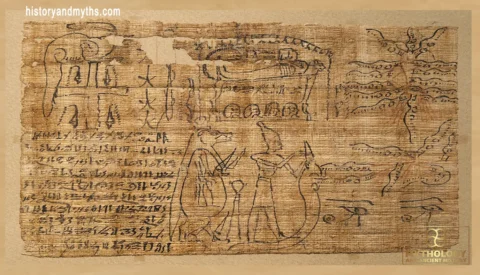
In Ancient Egypt, “sin” was not a moral failure rooted in guilt, but a disruption of cosmic order (Ma’at) and a form of ritual impurity. Egyptians did not seek forgiveness…
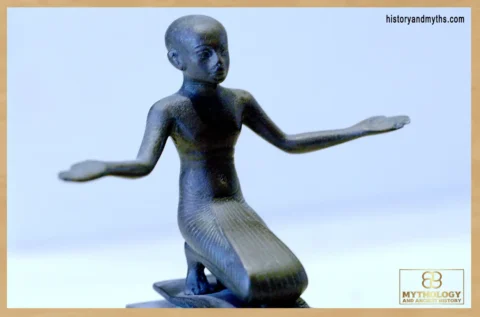
Ancient Egyptians feared not only divine punishment, but the possibility of unseen imbalance, delayed justice, and silent gods. Religious anxiety was rooted in uncertainty—illness without cause, misfortune without explanation, and…
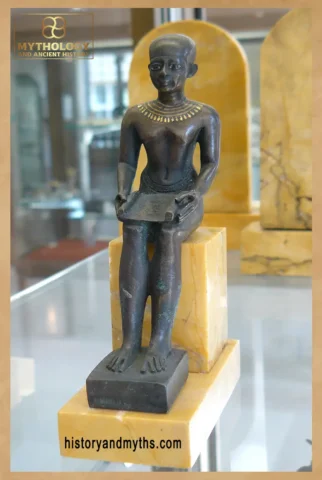
Ancient Egyptian religion was not confined to temples or dominated solely by distant gods. Alongside official cults, a parallel form of belief developed at ground level—one in which certain humans,…

Pilgrimage in ancient Egypt was not a routine act of devotion, nor a religious obligation practiced by all. Travel was costly, slow, and often dangerous, making religious journeys exceptional rather…
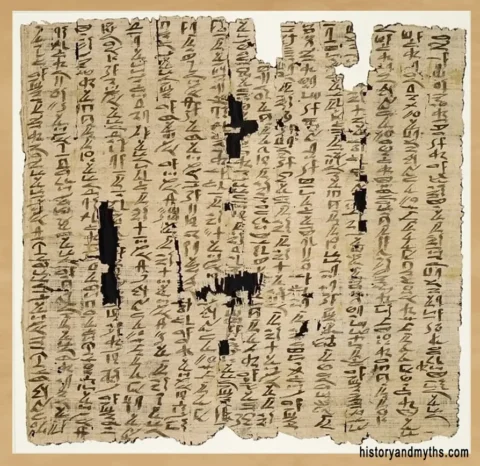
For most ancient Egyptians, justice was not guaranteed by courts or officials. Legal systems existed, but access to them was unequal, outcomes were uncertain, and power often outweighed truth. When…
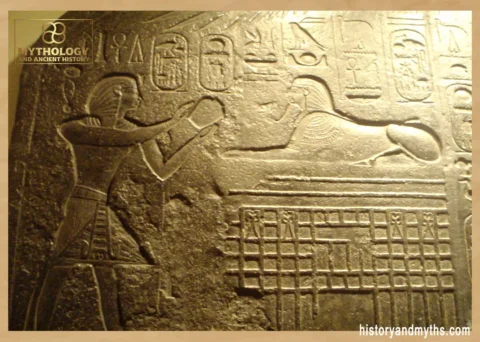
In ancient Egypt, dreams were not dismissed as private fantasies or random images of the sleeping mind. They were treated as meaningful experiences that could carry warning, guidance, or divine…
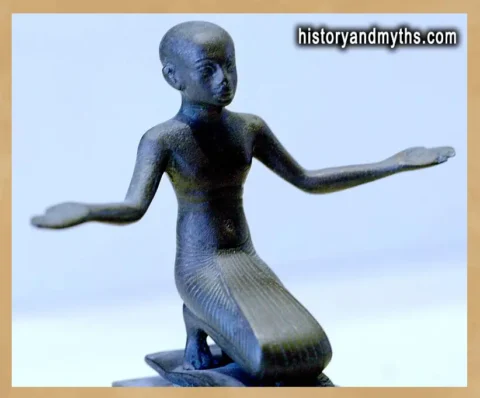
Did ancient Egyptians practice religion only in temples? No. For most people, religious life continued inside the home, where illness, childbirth, fear, and everyday uncertainty demanded constant protection. Household religion…
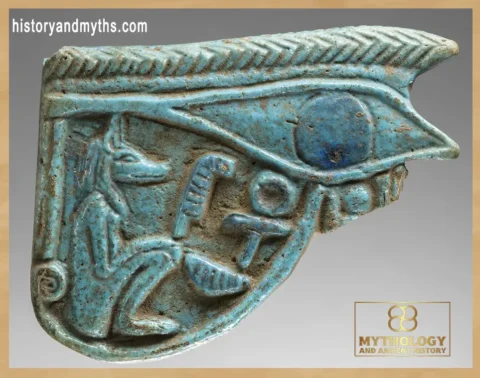
Did ancient Egyptians believe in the evil eye? Although no formal religious doctrine defined it, many Egyptians believed that envy and harmful attention could bring sudden illness, misfortune, or unexplained…
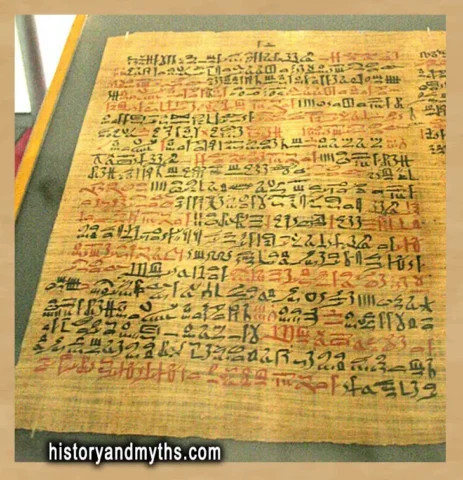
Did ancient Egyptians really use healing magic in everyday life? Yes, but not as a replacement for medicine. For most ordinary Egyptians, healing magic worked alongside practical treatment, offering comfort,…
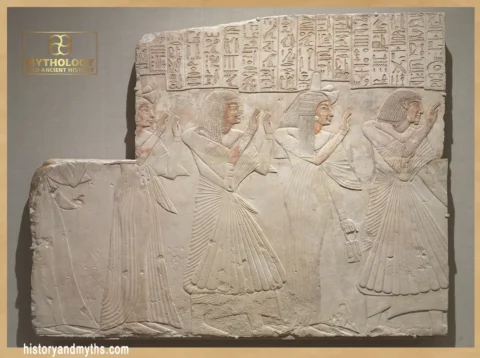
Daily prayer in ancient Egypt was not a formal ritual confined to temples or priests. It was a practical, personal response to uncertainty—spoken quietly at home, murmured during work, or…
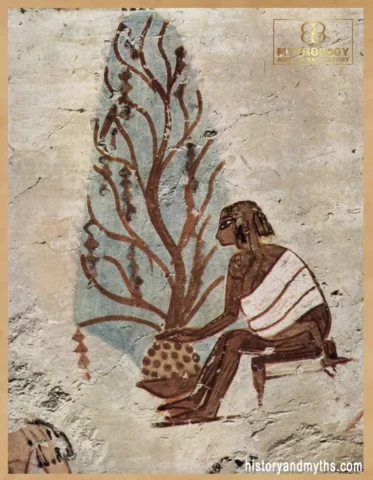
Widowhood and single life were not marginal conditions in ancient Egypt, nor were they treated as social anomalies. Losing a spouse-or living outside marriage-meant a shift in economic position, household…
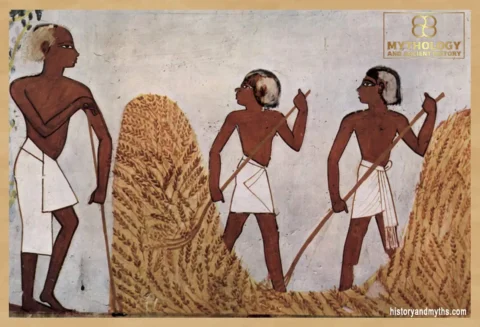
Poverty in ancient Egypt was not a permanent social label or a fixed underclass. It was usually a temporary condition, caused by illness, injury, crop failure, or the loss of…
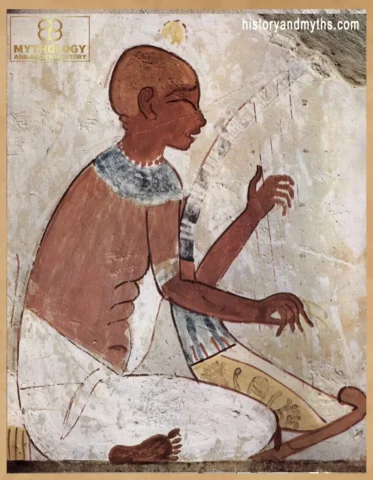
Illness and disability were not marginal experiences in ancient Egypt; they were woven into everyday life, visible in tomb scenes, medical papyri, and administrative records. Rather than treating sickness as…
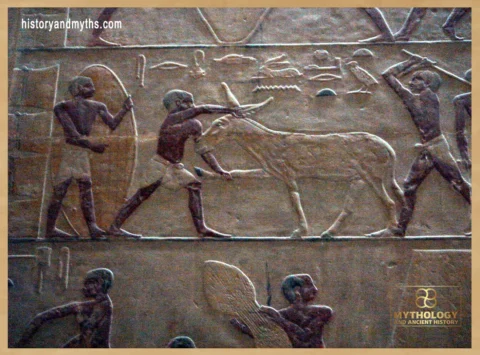
Animals in ancient Egypt were not symbols floating in myth alone; they were present, physical companions and tools within daily life. Inside houses, courtyards, farms, and workshops, animals shaped how…
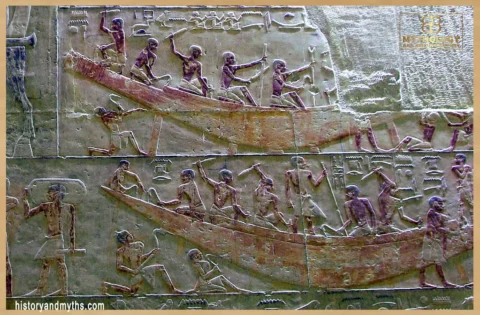
River transport was not a secondary feature of ancient Egyptian life; it was the operational backbone of the state. Long before roads connected cities, the Nile functioned as a continuous…
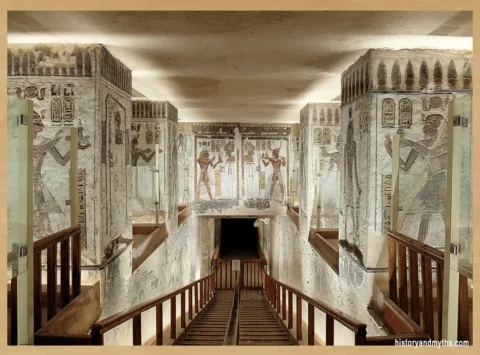
The pyramids dominate modern imagination, but they represent only one phase—both architecturally and conceptually—in ancient Egyptian burial practices. Long after pyramid construction declined, Egyptians continued to invest immense skill, planning,…
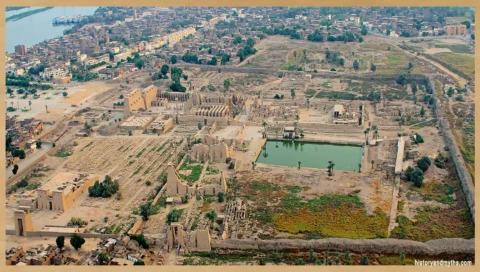
Ancient Egyptian temples were not simply religious monuments built to impress the gods or glorify kings. They were carefully planned state projects, designed and executed through a complex system that…
Sexual crimes in ancient Egypt were not understood simply as moral failures or private misconduct. When sexual acts involved coercion, abuse of power, or violation of bodily autonomy, they entered…
Violence in ancient Egypt was not treated as a matter of personal anger or social disorder alone. When physical harm occurred, the legal system approached it as a measurable offense,…
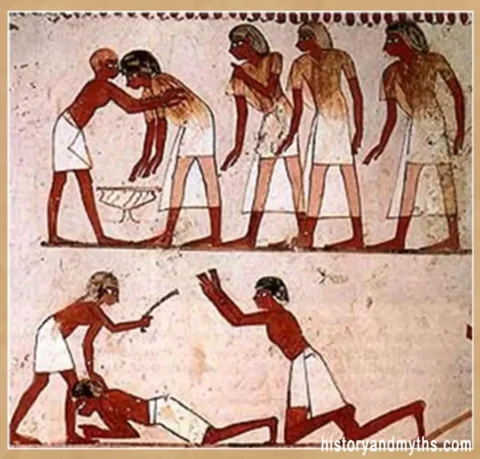
Theft in ancient Egypt was not simply the loss of property; it was a criminal act defined by intent, not by disagreement. Unlike property disputes—where ownership was contested—cases of theft…