Evil Eye in Ancient Egypt: Fear, Envy, and Daily Life
Did ancient Egyptians believe in the evil eye? Although no formal religious doctrine defined it, many Egyptians believed that envy and harmful attention could bring sudden illness, misfortune, or unexplained loss. The fear belonged to everyday life rather than official temple religion, influencing how people understood vulnerability and protected themselves.
Unlike magical attacks performed through deliberate ritual, the evil eye was often seen as an unintended consequence of envy or excessive attention. Children, visible success, and unexpected prosperity were considered especially vulnerable because they attracted notice that could disturb social balance.
This article explores how belief in the evil eye shaped ordinary Egyptian life, why it became a practical explanation for misfortune, how people tried to avoid its effects, and what this fear reveals about the relationship between religion, psychology, and everyday social behavior in ancient Egypt.
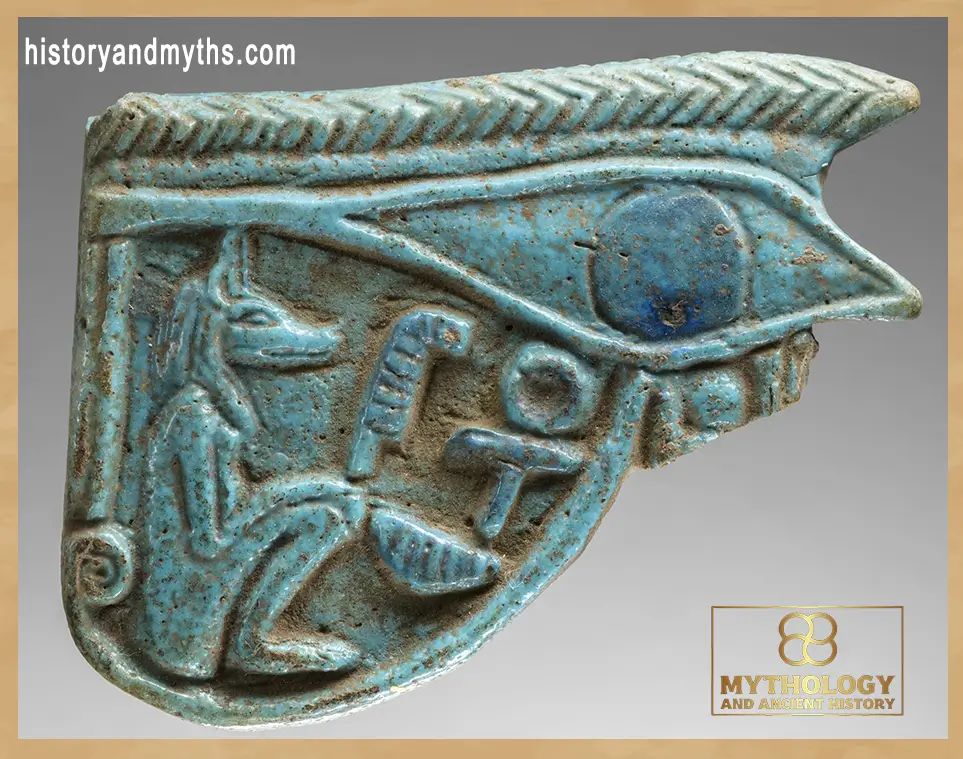
What the Evil Eye Meant in Ancient Egypt
In ancient Egypt, the evil eye was not imagined as a spell deliberately cast by a magician. It was understood as harm caused unintentionally through attention, especially when attention was charged with envy, resentment, or imbalance. The danger did not come from ritual action, but from the gaze itself.
This belief allowed people to explain misfortune without accusing someone of intentional wrongdoing. A harmful look could come from anyone neighbor, visitor, even a relative without conscious intent. This distinction was crucial in a society built on close social ties. It transformed fear into something manageable rather than socially explosive.
The evil eye was therefore linked to moments of visibility. Sudden success, healthy children, beauty, or prosperity created vulnerability because they attracted attention. When misfortune followed visibility, the connection felt logical. The belief did not require proof; it required coincidence interpreted through fear.
By framing harm as accidental, the concept of the evil eye reduced conflict while still providing meaning. It explained suffering without breaking social bonds, allowing people to respond defensively through avoidance or protection rather than accusation. In daily life, this made the evil eye a social explanation, not a supernatural attack.
| Aspect | Belief in the Evil Eye | Function in Daily Life |
|---|---|---|
| Nature of the Harm | Unintentional harm caused by attention or envy. | Explained sudden misfortune without blaming individuals. |
| Primary Trigger | Visibility, success, beauty, or sudden attention. | Linked misfortune to social imbalance. |
| Most Vulnerable | Children and those experiencing sudden change. | Focused protection on the fragile without accusation. |
| Relation to Illness | Used to explain rapid or unexplained sickness. | Provided meaning when medical causes were unclear. |
| Social Behavior | Restraint, discretion, limited praise. | Reduced tension and preserved harmony. |
| Protection Strategy | Avoidance and subtle defensive practices. | Allowed response without conflict or accusation. |
Fear, Envy, and Social Suspicion
Fear of the evil eye in ancient Egypt was closely tied to envy, but it was expressed cautiously. Openly accusing someone of jealousy or malicious intent risked damaging social harmony. Instead, suspicion remained indirect, shaped by circumstance rather than confrontation.
Envy was most likely to arise in moments of imbalance: unexpected success, visible wealth, or a child thriving while others struggled. These situations created unease not because envy was assumed to be deliberate, but because attention itself was seen as risky. Too much notice whether admiring or resentful could disturb balance and invite harm.
This dynamic encouraged subtle behavioral adjustments. People avoided excessive display, moderated praise, and practiced discretion about success or good fortune. Fear of the evil eye thus shaped everyday conduct, promoting restraint and social sensitivity rather than open conflict.
By channeling suspicion away from individuals and toward circumstances, belief in the evil eye helped manage tension in tightly knit communities. It acknowledged envy as a human emotion without allowing it to fracture relationships. In this way, fear functioned as a regulatory force, guiding behavior to preserve social stability.
The Evil Eye and Sudden Illness
Sudden illness was one of the strongest triggers for fear of the evil eye in ancient Egypt. When sickness appeared without warning especially in children or otherwise healthy individuals it demanded explanation. The evil eye provided a cause that fit experience: harm that arrived quickly, invisibly, and without clear reason.
This connection did not replace medical thinking; it filled a gap. Illnesses that resisted treatment or appeared overnight were difficult to interpret through practical means alone. Linking them to the evil eye allowed families to make sense of misfortune without assuming fate or divine punishment. It framed illness as socially induced vulnerability, not moral failure.
Children were particularly associated with this fear. Their visibility, fragility, and perceived attractiveness made them vulnerable to attention. When a child became ill after being admired or noticed, the sequence felt meaningful. The evil eye explained the timing, not the biology.
By associating sudden illness with attention and imbalance, the belief offered a way to respond through caution, protection, and behavioral change rather than resignation. In everyday life, this made the evil eye a practical explanation for illness that arrived too fast to understand and too frightening to ignore.
Children, Vulnerability, and Blame
Children occupied the most vulnerable position within belief in the evil eye. Their youth, beauty, and dependence made them highly visible, and visibility was risk. When a child fell ill, cried constantly, or weakened suddenly, families often interpreted the event through fear of harmful attention rather than deliberate attack.
Crucially, blame was rarely direct. Accusing someone of harming a child through envy could fracture family and community ties. Instead, responsibility was displaced onto circumstance too much admiration, too many visitors, or an unguarded moment. This allowed fear to be acknowledged without naming a culprit.
As a result, behavior changed rather than relationships. Parents limited exposure, reduced praise, and acted discreetly around children. Protection focused on prevention, not confrontation. The evil eye thus shaped childcare practices by encouraging caution and restraint, not suspicion toward specific individuals.
In this way, belief in the evil eye managed anxiety without escalating conflict. It recognized children as fragile without isolating them socially. By avoiding personal blame, families preserved cohesion while still responding to fear, making the belief a protective framework rather than an accusatory one.
Everyday Behavior to Avoid the Evil Eye
Fear of the evil eye influenced daily behavior more than ritual action. Ordinary Egyptians adjusted how they spoke, displayed success, and interacted socially to reduce unwanted attention. Protection often began with restraint rather than objects or spells.
Excessive praise was avoided, especially toward children or visible prosperity. People moderated compliments, limited public display of good fortune, and exercised discretion in moments of success. These habits reduced exposure to attention, which was believed to carry risk regardless of intent.
Social interactions also shifted subtly. Visits were controlled during periods of illness or vulnerability, and personal matters were kept private. This was not secrecy driven by paranoia, but caution shaped by experience. The goal was to minimize visibility, not to accuse or exclude others.
By embedding avoidance into everyday conduct, belief in the evil eye became self-regulating. It required no confrontation and little explanation. Behavior adjusted quietly to maintain balance, making the fear manageable and socially non-disruptive. In daily life, this practical adaptation mattered more than formal protection.
Protection Without Accusation
In ancient Egypt, protection against the evil eye was carefully practiced without naming an offender. Direct accusation risked conflict in closely connected communities, so defensive measures focused on safeguarding the vulnerable rather than identifying a source of harm. This approach preserved social balance while still acknowledging fear.
Protective actions were subtle and indirect. Families relied on avoidance, discretion, and familiar practices rather than confrontation. By framing harm as accidental and socially diffuse, people could respond decisively without creating blame. Protection targeted the condition exposure and imbalance not the individual.
This strategy reflects a broader cultural priority: maintaining harmony. The evil eye was managed as a shared risk, not a personal attack. Everyone could unintentionally cause harm, and everyone could be vulnerable to it. This mutual understanding reduced suspicion and allowed protection to function quietly.
By separating fear from accusation, belief in the evil eye remained socially sustainable. It explained misfortune, guided behavior, and enabled protection, all while keeping relationships intact. In daily life, this made the evil eye less about hostility and more about collective caution.
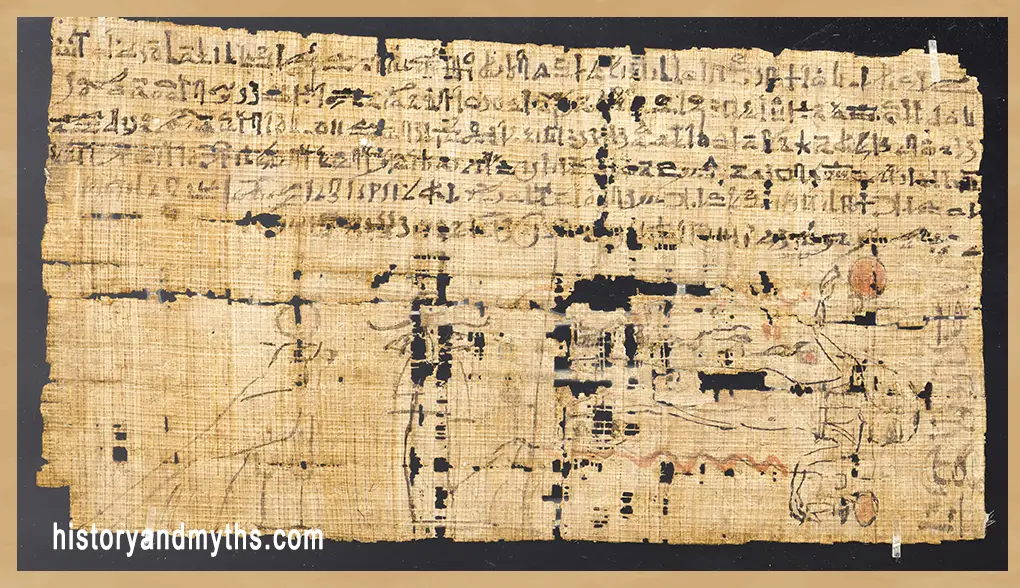
The Evil Eye in Ancient Egypt — At a Glance
- The evil eye was a daily fear, not a formal doctrine.
- Harm was believed to occur unintentionally through attention or envy.
- Children and moments of visibility were seen as most vulnerable.
- Sudden illness often triggered fear of the evil eye.
- Protection focused on restraint and avoidance rather than accusation.
- The belief helped preserve social harmony while explaining misfortune.
© historyandmyths.com — Educational use
Was the Evil Eye Connected to the Eye of Horus?
Although both ideas involve the eye, they were not the same belief. The evil eye referred to harmful attention associated with envy and misfortune, while the Eye of Horus symbolized healing, protection, and restored balance. One explained how harm might occur, whereas the other represented the power to overcome it.
This distinction helps explain why protective eye amulets became so common in ancient Egypt. They were not symbols of the evil eye itself but symbols intended to counter danger and restore well-being. Rather than celebrating fear, the Eye of Horus expressed the hope that order could overcome illness, vulnerability, and unseen threats.
Why the Fear Persisted
Fear of the evil eye persisted in ancient Egypt because it made sense of everyday uncertainty. It explained why misfortune could strike suddenly, without moral cause or visible reason. In a world where illness, loss, and failure were common and often unpredictable, the evil eye offered a socially acceptable explanation that did not rely on blame or divine punishment.
The belief endured because it was practical. It shaped behavior without demanding ritual, accusation, or institutional control. By encouraging restraint, discretion, and caution, it reduced social tension while giving people a way to respond to fear. The evil eye was less a doctrine than a framework for managing anxiety.
Its persistence also lay in its flexibility. It adapted to different situations illness, childhood vulnerability, sudden loss without contradiction. Anyone could be affected, and anyone could unintentionally cause harm, making the belief universally relevant. This shared vulnerability kept it embedded in daily life rather than confined to superstition.
Ultimately, the evil eye endured because it addressed a fundamental human need: the need to understand misfortune without destroying social bonds. In ancient Egypt, it functioned as a quiet, stabilizing belief one that explained fear, guided behavior, and helped communities endure uncertainty without turning against one another.
Related Reading:
Key Takeaways
- The evil eye functioned as a daily explanation for sudden misfortune.
- Harm was believed to occur without intent, through attention or envy.
- Children were considered especially vulnerable due to visibility and fragility.
- Fear of the evil eye shaped behavior more than ritual practice.
- Protection focused on discretion and avoidance rather than blame.
- The belief preserved social harmony while managing fear and uncertainty.
Frequently Asked Questions (FAQ)
Did ancient Egyptians believe in the evil eye?
Yes. It functioned as a popular daily fear used to explain sudden illness, loss, or misfortune that seemed to have no clear cause.
What did the evil eye mean in ancient Egypt?
It was harm believed to occur through intense attention—especially envy—often without deliberate intent or formal ritual.
Was the evil eye seen as intentional magic?
Not usually. It was often understood as accidental harm caused by envy or social imbalance rather than a planned magical attack.
Why were children linked to fear of the evil eye?
Children were considered fragile and highly visible. Sudden sickness after admiration or attention made them seem especially vulnerable.
How was the evil eye connected to sudden illness?
When sickness appeared quickly or without explanation, the evil eye provided a social cause that fit timing and fear.
Did Egyptians accuse people directly of giving the evil eye?
Open accusation risked conflict, so fear was often managed indirectly through avoidance and protective behavior rather than blame.
How did people avoid the evil eye in daily life?
They practiced discretion, limited public display of success, moderated praise, and reduced exposure during vulnerable moments.
Was protection against the evil eye mainly about amulets?
Objects mattered, but daily prevention often relied more on behavior—restraint and careful social interaction—than on visible ritual.
Is the evil eye a myth or a social belief?
In this context it worked primarily as a social belief: a framework to interpret misfortune while preserving relationships.
Why did fear of the evil eye persist?
Because it explained uncertainty without moral blame and guided practical behavior that reduced anxiety and social tension.
Sources & Rights
- Assmann, Jan. The Search for God in Ancient Egypt. Cornell University Press, 2001.
- Assmann, Jan. The Mind of Egypt: History and Meaning in the Time of the Pharaohs. Metropolitan Books, 2002.
- Baines, John. “Practical Religion and Piety.” In Religion in Ancient Egypt: Gods, Myths, and Personal Practice, edited by Byron E. Shafer. Cornell University Press, 1991.
- Bard, Kathryn A. An Introduction to the Archaeology of Ancient Egypt. 2nd ed. Wiley-Blackwell, 2015.
- David, Rosalie. Religion and Magic in Ancient Egypt. Penguin Books, 2002.
- Frankfurter, David. Religion in Roman Egypt: Assimilation and Resistance. Princeton University Press, 1998.
- Hornung, Erik. Conceptions of God in Ancient Egypt: The One and the Many. Cornell University Press, 1996.
- Ikram, Salima. Ancient Egypt: An Introduction. Cambridge University Press, 2011.
- Nunn, John F. Ancient Egyptian Medicine. British Museum Press, 1996.
- Pinch, Geraldine. Magic in Ancient Egypt. University of Texas Press, 2006.
- Pinch, Geraldine. Egyptian Mythology: A Guide to the Gods, Goddesses, and Traditions of Ancient Egypt. Oxford University Press, 2004.
- Quirke, Stephen. Exploring Religion in Ancient Egypt. Wiley-Blackwell, 2015.
- Redford, Donald B., ed. The Oxford Encyclopedia of Ancient Egypt. Oxford University Press, 2001.
- Ritner, Robert K. The Mechanics of Ancient Egyptian Magical Practice. Oriental Institute, University of Chicago, 1993.
- Shafer, Byron E., ed. Religion in Ancient Egypt: Gods, Myths, and Personal Practice. Cornell University Press, 1991.
- Teeter, Emily. Religion and Ritual in Ancient Egypt. Cambridge University Press, 2011.
- Wilkinson, Richard H. The Complete Gods and Goddesses of Ancient Egypt. Thames & Hudson, 2003.
- The British Museum. Collection Online: Ancient Egypt.
- The Metropolitan Museum of Art. Heilbrunn Timeline of Art History: Ancient Egypt.
- UCLA Encyclopedia of Egyptology. Magic, Medicine, Personal Piety, Household Religion, and Protective Beliefs in Ancient Egypt.
Written by H. Moses — All rights reserved © History and Myths