Disability and Illness in Ancient Egypt: Society, Work, and Rights
Illness and disability were not marginal experiences in ancient Egypt; they were woven into everyday life, visible in tomb scenes, medical papyri, and administrative records. Rather than treating sickness as an anomaly or a purely personal failure, Egyptian society approached physical and mental conditions as part of a broader cosmic and social order. Disease could signal imbalance, injury could limit certain forms of labor, and congenital conditions might reshape—but did not necessarily erase—a person’s place within family, work, and community. Understanding this framework requires moving beyond medicine alone to examine how society, religion, and the state interacted with the realities of the human body.
This article examines how illness and disability functioned socially, not sentimentally. It asks how people with impairments were perceived, whether they were excluded or integrated into economic life, and how far institutions such as temples and households absorbed responsibility for care. By separating medical practice from social judgment, and religious belief from legal status, the analysis reveals a society that neither romanticized suffering nor systematically erased those who lived with it. Disability in ancient Egypt was negotiated—through work, belief, and social roles—rather than defined by stigma in the modern sense.
Crucially, the discussion focuses on evidence: medical texts that distinguish injury from chronic illness, depictions of impaired bodies without mockery, and administrative patterns that suggest continued participation in labor and cultic life. Instead of projecting modern moral frameworks backward, the article reconstructs how ancient Egyptians themselves understood bodily difference—and what that understanding tells us about social inclusion, hierarchy, and resilience in one of the world’s longest-lasting civilizations.
Medical Reality vs. Social Perception
How Ancient Egyptians Understood Illness and Impairment
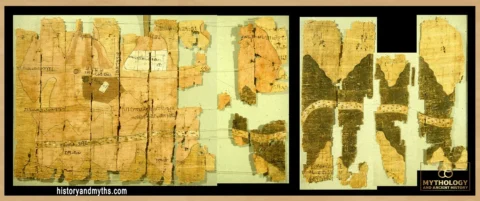
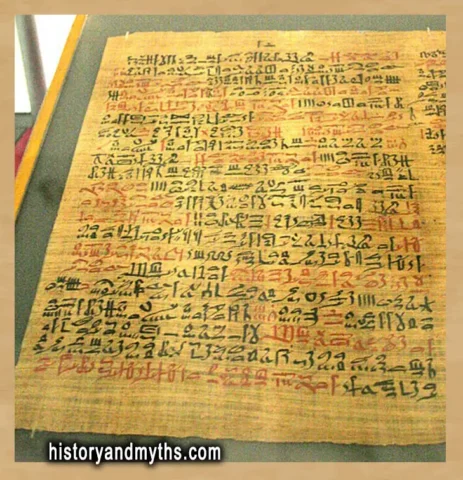
Ancient Egyptian sources draw a clear—often overlooked—distinction between the physical reality of illness and its social meaning. Medical papyri such as the Edwin Smith Surgical Papyrus treat injuries, deformities, and functional impairments in strictly empirical terms. Conditions are described, prognoses are given, and outcomes are classified without moral language. A broken limb, paralysis, or chronic pain appears as a bodily state to be managed, not as evidence of personal failure or divine condemnation. This medical realism forms the foundation of how disability was understood in practice.
Social perception followed a different but complementary logic. Illness was frequently framed as a disruption of ma’at—the cosmic balance that structured society, nature, and the body itself. Crucially, this imbalance was not synonymous with guilt. Disease could arise from environmental exposure, injury at work, aging, or unseen forces, and texts rarely assign blame to the individual sufferer. Unlike later religious traditions that moralize sickness, Egyptian belief systems allowed illness to exist without permanently redefining a person’s social identity.
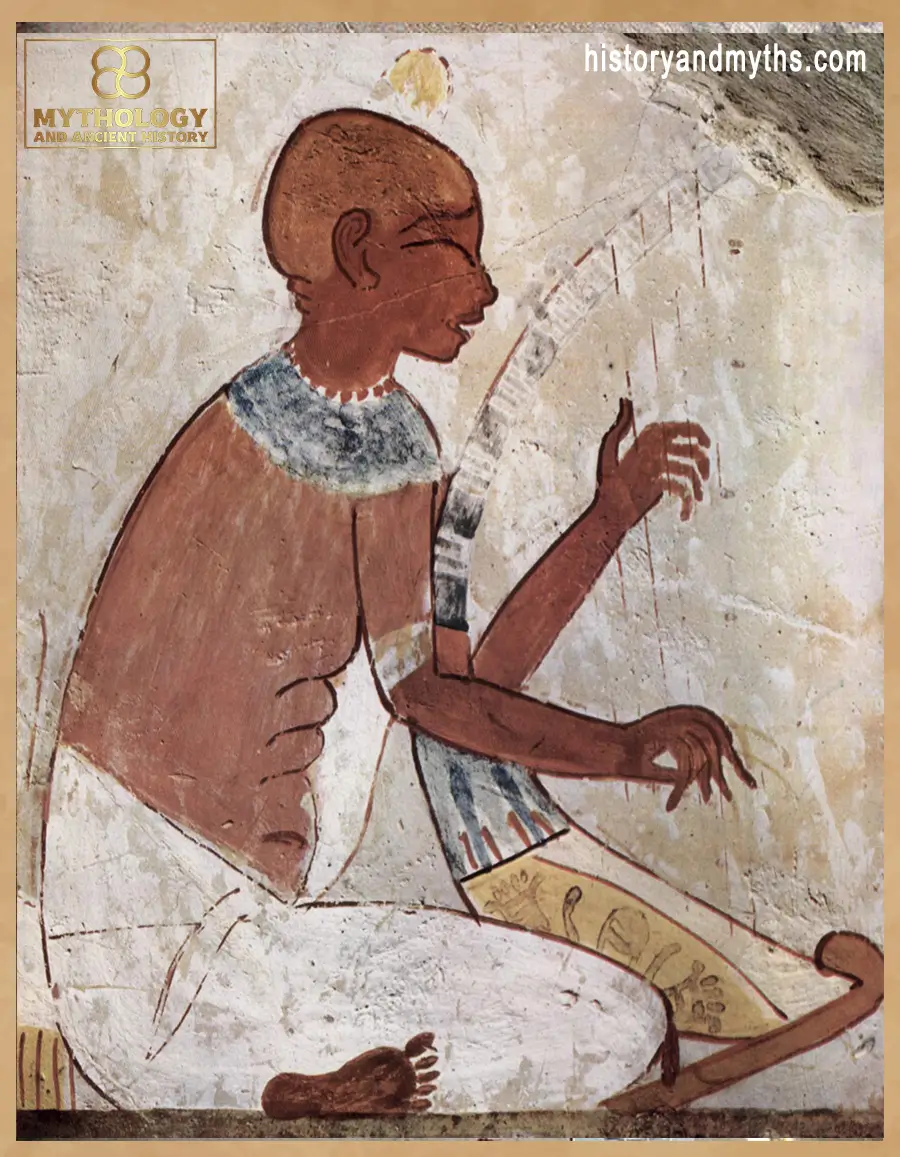
This separation explains an important social phenomenon: impairment did not automatically produce exclusion. Tomb scenes, administrative records, and occupational depictions show individuals with visible physical differences continuing to participate in daily life. The presence of amputees, injured workers, and people with limited mobility in artistic and textual sources—without caricature or ridicule—suggests that bodily difference was normalized rather than erased. Disability altered function, not belonging.
Mental and neurological conditions were approached through a similar dual framework. Medical texts describe symptoms such as confusion, seizures, or loss of speech, while religious texts invoke ritual or protective magic alongside treatment. These approaches were not contradictory. To an Egyptian mind, applying medicine and invoking divine protection addressed different layers of the same problem. What matters socially is that mental illness did not render a person legally invisible or ritually impure by default.
The absence of a fixed social category equivalent to “the disabled” is telling. Ancient Egypt did not group individuals by impairment type into a separate class. Instead, capability was assessed contextually: what work could still be done, what role could be adapted, and what support networks—family, temple, household—were available. This fluid evaluation prevented disability from becoming a permanent social label.
From a societal perspective, illness was a condition, not an identity. The body might falter, but the individual remained embedded within kinship, labor, and religious life. This pragmatic worldview helps explain why later sections—work, law, and religious practice—show continuity rather than exclusion for many impaired individuals.
| Aspect | Evidence from Ancient Egypt | What This Means Socially |
|---|---|---|
| Medical Understanding | Injuries and illnesses described empirically in medical papyri, with prognosis and treatment. | Illness seen as a condition to manage, not a moral judgment. |
| Social Perception | Depictions of impaired individuals without ridicule or exclusion. | Bodily difference did not equal social stigma. |
| Work & Economy | Task reassignment and continued employment in households and temples. | Economic participation adapted to capacity, not erased. |
| Congenital Conditions | Dwarfism associated with skilled and sometimes prestigious roles. | Difference could coexist with status and visibility. |
| Religion & Healing | Medical treatment combined with ritual, magic, and protection. | Goal was restoration of balance, not blame. |
| Legal Status | No laws restricting rights due to illness or disability. | Legal personhood remained intact regardless of bodily condition. |
Disability and Work
Labor, Adaptation, and Economic Inclusion
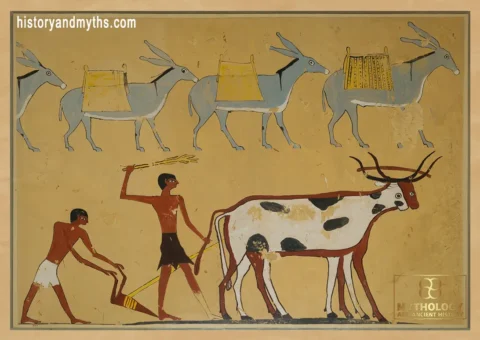
Evidence from administrative texts, tomb scenes, and titles shows that disability in ancient Egypt did not automatically sever a person from work. What changed was type of labor, not social membership. The economy—largely household- and temple-based—was flexible enough to absorb reduced physical capacity through task adaptation rather than exclusion.
Work Was Function-Based, Not Body-Based
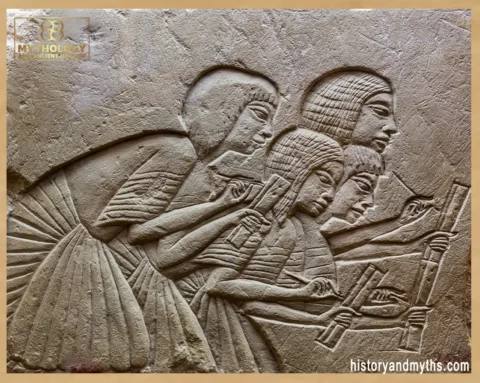
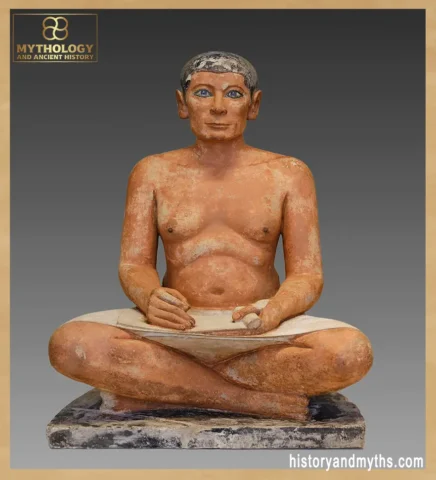
Egyptian labor organization assessed what could still be done, not what was lost. Injuries and chronic conditions are acknowledged in medical texts, yet there is no parallel legal or administrative category that strips impaired individuals of occupational identity. Skilled roles—scribal work, accounting, supervision, cult service—depended more on literacy, experience, and trust than on physical strength. This structural reality created natural inclusion without the need for explicit policy.
Manual Labor and Injury: Adaptation Over Dismissal
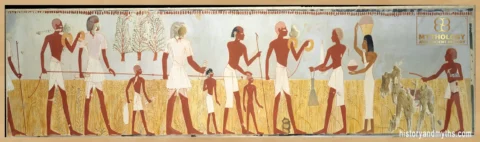
Construction, quarrying, agriculture, and transport inevitably produced injuries. The Edwin Smith Papyrus treats trauma as a predictable outcome of work, offering prognoses and management rather than social consequences. Nowhere do sources suggest that injured workers were automatically discarded. In practice, households and work crews could reassign tasks—light duty, oversight, or supportive roles—especially where labor shortages made retention valuable.
Skilled Difference: Dwarfism as a Case Study
Dwarfism illustrates the distinction between physical difference and economic value. Individuals with dwarfism appear repeatedly in high-status contexts: jewelry production, textile workshops, court service, and cultic environments. Titles and tomb depictions indicate specialization and prestige, not marginalization. Their visibility confirms that bodily difference, when compatible with skilled labor, could enhance rather than diminish social standing.
Illness, Poverty, and Institutional Responsibility
Who Carried the Burden When the Body Failed?
The critical question for any society is not whether illness exists, but who absorbs its economic and social cost. In ancient Egypt, the evidence points to a distributed responsibility model—shared between household, temple, and workplace—rather than abandonment or state indifference.
The Household as First Line of Support
Kinship networks were the primary buffer against illness-induced poverty. Households pooled labor, redistributed food, and adjusted roles when a member became sick or impaired. This model reduced the risk that temporary or chronic illness would collapse a family’s economic viability. Crucially, the absence of institutionalized poorhouses or asylums does not indicate neglect; it reflects reliance on embedded social safety nets rather than segregated care.
Temples as Economic Stabilizers, Not Charities
Temples were not welfare institutions in the modern sense, but they functioned as economic stabilizers. With granaries, workshops, and administrative offices, temples redistributed rations and provided employment across a range of capacities. Textual and archaeological evidence shows that temples absorbed labor disruptions without moral judgment—sick or impaired workers were managed administratively, not expelled ritually.
This matters because temples were among the largest employers in Egypt. Their capacity to reassign tasks (from physical labor to oversight, storage, or ritual assistance) meant that illness did not automatically translate into destitution.
No Evidence of Systematic Exclusion
Administrative records meticulously track rations, absences, and labor assignments. They do not record exclusion from sustenance due to illness. Where absence is noted, it is logged as a logistical issue, not a moral or legal one. This bureaucratic neutrality indicates that sickness was treated as a temporary or manageable condition, not grounds for social disqualification.
Poverty Was Contextual, Not Inevitable
Illness increased vulnerability, but poverty was not an automatic outcome. Factors that mattered more than the condition itself included:
- access to kin networks,
- integration into temple or household economies,
- and possession of transferable skills.
In other words, social position, not bodily condition, determined economic risk. This distinction undercuts modern assumptions that premodern societies equated sickness with helplessness.
The Absence of Punitive Logic
There is no evidence that illness triggered loss of legal rights, confiscation of property, or ritual exclusion from community life. Where religious responses appear—prayers, amulets, protective spells—they supplement care rather than replace social responsibility. The system aimed to restore balance, not assign blame.
Legal Status and Rights
Did Illness or Disability Limit Legal Personhood?
From a legal standpoint, illness and disability did not strip an individual of personhood in ancient Egypt. This is one of the clearest conclusions supported by administrative records, legal documents, and court procedures. There is no surviving evidence of laws that restricted property ownership, testimony, or contractual capacity on the basis of physical or mental impairment.
Legal Capacity Was Not Body-Dependent
Ancient Egyptian law—largely pragmatic and case-based—focused on status, role, and responsibility, not bodily condition. Individuals who were sick or physically impaired continued to:
- own property,
- inherit and transmit goods,
- appear in legal disputes,
- and be represented in contracts.
Legal texts and ostraca record disputes involving injured workers, aging individuals, and people temporarily incapacitated, yet never indicate loss of rights due to condition. This absence is decisive: in a system where disqualifications (such as slavery or criminal penalty) are explicitly recorded, silence on disability implies legal continuity.
Testimony and Responsibility
There is no indication that illness invalidated testimony or legal accountability. Responsibility was tied to action, not condition. If a person was capable of fulfilling a role—witness, contractor, supervisor—they retained that function. Mental impairment is harder to trace due to terminology limits, but again, no legal category equivalent to “incompetence” exists in surviving sources.
Property and Inheritance
Inheritance documents and household records show continuity regardless of health status. Property did not revert to the state or temple due to illness. Family transmission remained intact unless overridden by explicit legal cause (crime, debt, or enslavement). This reinforces a core pattern: the law addressed outcomes, not bodily states.
Illness Was Not a Legal Fault
Crucially, illness did not trigger punitive consequences. There is no evidence of:
- forced loss of employment by law,
- ritual disqualification from contracts,
- or state seizure of assets due to incapacity.
Where accommodation occurred, it was administrative—not legal—handled at the level of workplace or household. The law stayed neutral.
Illness, Magic, and Religion
Function Without Moralization
Ancient Egyptians did not separate “medicine” from “religion” the way modern systems do. Healing was a single practical project with multiple tools: drugs, surgery, ritual speech, protective objects, and divine mediation. The key point for search intent is this: religious healing was not mainly about blaming the sick—it was about restoring stability when the body’s normal order failed.
Disease Was Often Explained as an External Attack, Not a Personal Fault
In many magical-medical texts, illness is framed as something that hits a person—an assault by a god, a spirit, a dead person, or a hostile force—rather than a moral stain on the patient. This model shifts attention away from “what did the person do wrong?” toward “how do we repel what is harming them?” Ritner documents this logic in detail, showing how Egyptian healing spells treat disease like an intruder that must be identified, threatened, expelled, or neutralized. .
Words Were a Treatment Technology
Medical prescriptions often include spoken formulas (“words to be said”) alongside physical procedures. That does not mean Egyptians lacked medical thinking; it means they believed speech and writing could activate protective power (heka) in the same way a drug activates a physiological effect. In this framework, incantations are not “extra”—they are part of the method.
Amulets and Protective Objects Were Preventive Medicine
Amulets, divine images, and short protective texts functioned like risk management: they aimed to prevent recurrence, block unseen harms, and stabilize vulnerable bodies (children, pregnant women, injured people, the chronically ill). This is why objects associated with protection—Bes, Taweret, Isis motifs, apotropaic devices—appear so frequently in daily life contexts. Pinch’s overview makes clear that healing magic in Egypt was heavily practical: objects, formulas, and ritual actions aimed at concrete outcomes.
Priests and Physicians Were Overlapping Roles
Healers could be physicians, priestly specialists, or both, depending on context. Temples were not only sacred spaces; they were also large institutions with knowledge, personnel, and routines that supported health through ritual service and practical administration. That overlap explains why illness management appears across “medical” and “religious” domains without friction.
What This Means Socially
Because illness was often conceptualized as imbalance or external harm, the social response tended to be containment and restoration, not expulsion. People used every available channel—family support, workplace adaptation, temple resources, and protective practice—because the goal was to get the person functioning again, not to redefine them as permanently lesser.
Illness & Disability in Ancient Egypt — At a Glance
- Illness was treated as a disruption of balance, not a moral fault.
- Disability altered work roles but rarely erased social or economic participation.
- Households absorbed much of the social and economic impact of sickness.
- Temples functioned as stabilizing institutions, not exclusionary authorities.
- Law did not remove rights, property, or legal personhood due to bodily condition.
- Religion & magic complemented medical care with the goal of restoration, not blame.
© historyandmyths.com — Educational use
What Disability and Illness Meant—And What They Did Not
Illness disrupted capacity but did not revoke rights. Disability altered labor paths but did not erase economic participation. Religious responses aimed at restoration and protection, not moral condemnation. Crucially, the law remained neutral: property, testimony, and personhood persisted regardless of bodily state. Where vulnerability increased, support came from embedded social structures rather than segregated institutions.
This matters because it corrects a common modern projection. Ancient Egypt did not divide society into “able” and “disabled” classes. It evaluated people contextually—by role, skill, and network—allowing continuity of belonging even when the body failed. In that sense, disability was a lived reality without becoming a social verdict.
Key Takeaways
- Illness in ancient Egypt was understood as a condition to manage, not a personal or moral failure.
- Disability rarely resulted in social exclusion; economic and social roles were adapted rather than erased.
- Households and temples absorbed the impact of illness through flexible labor and support networks.
- Religious and magical practices aimed at restoring balance, not assigning blame to the sick.
- Legal rights—property, contracts, and testimony—remained intact regardless of bodily condition.
Frequently Asked Questions (FAQ)
How were disabled people treated in ancient Egypt?
They were generally integrated into society, with work and roles adapted to their abilities rather than systematic exclusion.
Was illness considered a punishment from the gods?
No. Illness was usually understood as an imbalance or external harm, not a moral fault of the individual.
Could people with disabilities work in ancient Egypt?
Yes. Many continued working in skilled, administrative, household, or temple roles suited to their capacity.
Did illness affect legal rights or personhood?
There is no evidence that illness or disability removed property rights, inheritance, or legal standing.
How did ancient Egyptians treat mental illness?
Mental and neurological conditions were addressed through combined medical treatment and protective religious practices.
Were dwarfs seen as disabled in ancient Egypt?
No. Dwarfism was often socially accepted and could be linked to skilled or prestigious occupations.
Who supported sick or disabled people economically?
Support primarily came from households and kin networks, with temples acting as major economic stabilizers.
Did temples function as hospitals?
Not in a modern sense, but temples provided healing rituals, employment, and economic support for the sick.
Was disability a social stigma in ancient Egypt?
The evidence does not support widespread stigma; disability was treated as a condition rather than a social identity.
Did illness lead to social exclusion?
Generally no. Illness altered daily capacity but rarely resulted in exclusion from community life.
Sources & Rights
- Nunn, John F. Ancient Egyptian Medicine. Norman: University of Oklahoma Press, 1996.
- Kemp, Barry J. Ancient Egypt: Anatomy of a Civilization. 2nd ed. London: Routledge, 2006.
- David, Rosalie. Handbook to Life in Ancient Egypt. Oxford: Oxford University Press, 2008.
- James, T. G. H. Pharaoh’s People: Scenes from Life in Imperial Egypt. Chicago: University of Chicago Press, 1984.
- Ritner, Robert K. The Mechanics of Ancient Egyptian Magical Practice. Chicago: Oriental Institute of the University of Chicago, 1993.
- Pinch, Geraldine. Magic in Ancient Egypt. Austin: University of Texas Press, 2006.
- Teeter, Emily. Religion and Ritual in Ancient Egypt. Chicago: Oriental Institute of the University of Chicago, 2011.
- Sauneron, Serge. The Priests of Ancient Egypt. Translated by Ann Morrissett. Ithaca: Cornell University Press, 2000.
- Allen, James P. Middle Egyptian: An Introduction to the Language and Culture of Hieroglyphs. 2nd ed. Cambridge: Cambridge University Press, 2010.
- Brier, Bob, and Hoyt Hobbs. Daily Life of the Ancient Egyptians. Westport, CT: Greenwood Press, 2008.
- Westbrook, Raymond, ed. A History of Ancient Near Eastern Law. Leiden: Brill, 2003.
- Robins, Gay. Women in Ancient Egypt. Cambridge, MA: Harvard University Press, 1993.
Written by H. Moses — All rights reserved © Mythology and History