Healing Magic in Ancient Egypt: Everyday Beliefs and Medicine
Did ancient Egyptians really use healing magic in everyday life? Yes, but not as a replacement for medicine. For most ordinary Egyptians, healing magic worked alongside practical treatment, offering comfort, protection, and hope when illness, pain, or childbirth created fear and uncertainty.
Healing magic was not limited to priests or temples. Mothers, caregivers, and experienced family members often used short spoken spells together with simple remedies already found at home. These practices reflected everyday experience rather than secret knowledge, allowing people to respond immediately when professional medical help was unavailable or ineffective.
This article explores how healing magic functioned in daily life, who performed it, why it remained closely connected to medicine, and what it reveals about the practical ways ancient Egyptians faced illness, suffering, and uncertainty.
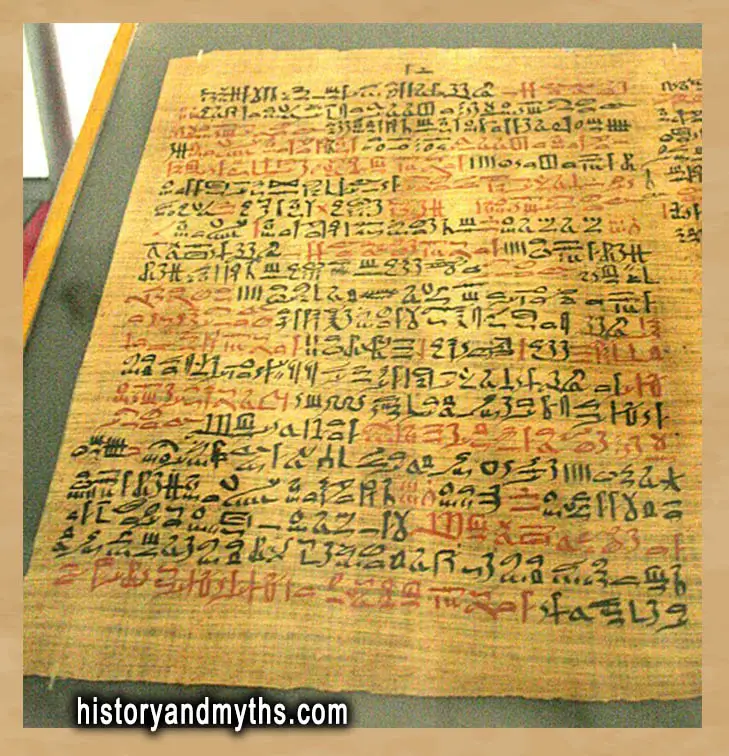
Illness as a Daily Experience
For ordinary Egyptians, illness was not an abstract medical condition but a constant presence in daily life. Minor injuries, infections, fevers, digestive problems, and chronic pain were common, especially in environments shaped by manual labor, crowded living spaces, and limited sanitation. Many ailments had no clear cause or predictable outcome, making illness both physically and emotionally destabilizing.
This uncertainty shaped how people responded to sickness. Illness was often perceived as something that acted upon the body, not simply a mechanical failure. Sudden pain, paralysis, or weakness demanded explanation as well as relief. When symptoms resisted treatment or appeared without visible cause, they created fear particularly for children and pregnant women.
Healing magic emerged from this context. It addressed the lived reality of illness as unpredictable and threatening. Rather than waiting for diagnosis or cure, people acted immediately, using words, gestures, and familiar practices to regain a sense of control. Healing magic was therefore not exceptional it was a routine response to a world where sickness was frequent and explanations were limited.
| Aspect | Healing Magic Practice | Role in Daily Life |
|---|---|---|
| Trigger | Pain, illness, fear, sudden symptoms. | Prompted immediate action when health felt threatened. |
| Primary Users | Mothers, caregivers, midwives, family members. | Placed healing power within the household. |
| Method | Spoken spells combined with simple remedies. | Linked physical care with emotional reassurance. |
| Relation to Medicine | Used alongside or after medical treatment. | Filled gaps when medicine failed or was unavailable. |
| Emotional Function | Calming fear and restoring confidence. | Stabilized households during illness. |
| Outcome | Relief, reassurance, sense of control. | Helped people cope with suffering in daily life. |
When Medicine Was Not Enough
Ancient Egyptian medicine was advanced for its time, but it had clear limits. Doctors treated wounds, fractures, and visible conditions with tools and remedies, yet many illnesses resisted explanation or cure. Fevers that lingered, pain without injury, sudden weakness, or complications during childbirth often fell outside effective medical control.
In these moments, healing magic became the next available response, not a competing system. People did not abandon medicine; they supplemented it. When treatment failed, magic addressed what medicine could not uncertainty, fear, and the need to act rather than wait. Words were spoken where tools were ineffective, and ritual gestures filled the gap left by unanswered symptoms.
Healing magic was especially important when illness escalated emotionally. A child’s condition worsening, pain persisting through the night, or symptoms returning after treatment created anxiety that demanded reassurance. Magic offered structure and intention in these moments. It allowed people to intervene actively, even when outcomes were unclear.
Rather than signaling distrust in medicine, the use of healing magic reflected realism. It acknowledged that not all suffering could be cured, but all suffering required response. In daily life, healing magic functioned as a means of engagement when medicine reached its limits.
Did Egyptians Choose Medicine or Healing Magic First?
Ancient Egyptians did not usually separate medicine from healing magic into competing choices. The two approaches often worked together from the beginning of an illness rather than being used one after the other. A household might apply a simple remedy while speaking protective words, and a physician could prescribe treatment without rejecting the use of religious or magical practices.
The decision depended less on belief than on circumstance. Minor illnesses were often managed at home with familiar remedies and spoken formulas. More serious injuries or persistent disease increased the likelihood of consulting an experienced healer or physician, but even then protective spells could remain part of the treatment.
This combination reflected a practical understanding of illness. Physical care addressed the body, while healing magic addressed uncertainty, fear, and the unseen causes that many people believed could influence recovery. Rather than choosing between medicine and magic, ordinary Egyptians combined every trusted method that might improve the chances of healing.
Who Performed Healing Magic
Healing magic in everyday life was not restricted to specialists. While trained healers and priests existed, most healing acts were performed by ordinary people within the household. Mothers, caregivers, midwives, and elderly relatives played a central role, especially when treating children, managing childbirth complications, or responding to sudden pain.
Experience mattered more than authority. Individuals who had witnessed successful healing before through words spoken, gestures repeated, or simple rituals were trusted to act again. Knowledge circulated informally, passed through observation and repetition rather than formal instruction. This made healing magic accessible and adaptable to daily needs.
In some cases, specialists were consulted, particularly for severe or persistent illness. However, their involvement did not replace household action. Healing often began at home, with spoken spells or calming rituals applied immediately, before outside help was sought. This layered response reflected practicality rather than hierarchy.
The widespread participation in healing magic explains its endurance. It did not depend on institutions or exclusive knowledge. It depended on familiarity, urgency, and trust. By allowing ordinary people to act in moments of illness, healing magic remained embedded in daily life rather than confined to formal religious or medical spaces.
Spoken Spells and Everyday Remedies
Most healing magic in daily life relied on spoken spells, not complex rituals. These spells were short, repetitive, and direct. They named the pain, addressed the threat, and called for relief. The power lay not in poetic form, but in clarity and repetition words spoken aloud to confront illness as an active force.
Spoken spells were often paired with simple remedies already available in the household: water, oil, herbs, or basic ointments. The material action reinforced the spoken word. Applying a remedy while reciting a spell transformed treatment into an intentional act, combining physical care with symbolic control.
These practices were highly situational. A spell for a crying child differed from one used for persistent pain or fever. There was no universal formula. What mattered was familiarity and confidence. Repeating known words created reassurance, especially when symptoms were frightening or unexplained.
By merging speech and action, healing magic remained flexible and immediate. It allowed people to respond to illness without delay, using tools and language already at hand. In everyday life, this combination made healing magic practical, repeatable, and emotionally stabilizing.
Healing Children and Childbirth
Children and childbirth were the moments when healing magic was used most urgently. Infant illness, sudden crying, weakness, or fever created immediate fear, especially because children were vulnerable and outcomes unpredictable. In these situations, healing magic offered a way to act quickly when medical intervention was limited or unavailable.
Mothers and midwives relied on familiar words, gestures, and calming routines to protect both child and mother. Healing spells were spoken to ward off harm, soothe pain, and restore balance. These practices did not replace physical care; they accompanied it, creating reassurance while addressing visible symptoms. During childbirth, healing magic helped manage anxiety, pain, and uncertainty factors that medicine alone could not resolve.
The emotional dimension was critical. A frightened mother or a distressed household could worsen suffering. Healing magic functioned as emotional stabilization, providing structure and confidence in moments of crisis. Repeated words and actions reassured caregivers that something meaningful was being done.
Because childhood illness and childbirth were frequent experiences, healing magic became normalized rather than exceptional. Its continued use reflects practical necessity, not superstition. In daily life, healing magic protected the most vulnerable when control felt fragile and immediate action mattered most.
Pain, Fear, and Emotional Relief
Pain in ancient Egypt was not only physical; it was deeply tied to fear. Sudden illness, recurring pain, or unexplained symptoms created anxiety that could spread through an entire household. When pain resisted treatment, uncertainty itself became part of the suffering. Healing magic addressed this emotional dimension directly.
Spoken spells, repeated gestures, and familiar actions helped transform fear into something manageable. By naming the pain and confronting it verbally, people reduced its unpredictability. Healing magic created a sense of order at moments when the body felt out of control. This psychological relief was as important as any physical effect.
Fear was especially powerful at night, during prolonged illness, or when symptoms returned after apparent recovery. Healing magic provided reassurance in these moments. It allowed caregivers to remain active rather than helpless, reinforcing calm and confidence even when outcomes were uncertain.
This emotional function explains why healing magic endured alongside medicine. It treated what medicine often could not: the experience of suffering. By reducing fear and restoring a sense of agency, healing magic played a critical role in everyday life, supporting both body and mind.
Healing Magic in Everyday Life — At a Glance
- Healing magic was a daily response to illness, pain, and uncertainty.
- It usually began at home, led by caregivers rather than specialists.
- Short spoken spells were paired with simple remedies already available.
- It complemented medicine when treatment failed or access was limited.
- Its strongest effect was restoring calm, control, and household stability.
- Children and childbirth were the moments of highest urgency.
© historyandmyths.com — Educational use
Why Healing Magic Worked
Healing magic worked in everyday life because it addressed how people experienced illness, not just its symptoms. It provided immediate action in situations where waiting was dangerous or emotionally unbearable. By combining words, gestures, and simple remedies, healing magic transformed passive suffering into deliberate response.
Its effectiveness did not depend solely on physical outcomes. Healing magic reduced fear, restored confidence, and reinforced social support within the household. When caregivers acted together speaking, touching, repeating familiar practices they created stability at moments of crisis. This collective response mattered as much as recovery itself.
Healing magic also worked because it was adaptable. It could be adjusted to different illnesses, ages, and circumstances without institutional approval. This flexibility allowed it to remain relevant across generations, even as medical knowledge evolved. Rather than opposing medicine, healing magic complemented it by filling emotional and explanatory gaps.
In daily life, healing magic endured because it met a basic human need: the need to act meaningfully in the face of pain and uncertainty. Its success lay not in superstition, but in its capacity to restore control, calm, and hope when illness disrupted ordinary life.
Healing magic in ancient Egypt was not an alternative to medicine, but a daily response to vulnerability. It allowed ordinary people to act when illness created fear, uncertainty, or emotional strain that medicine alone could not resolve. Through spoken spells, simple remedies, and familiar gestures, healing magic restored a sense of control at moments when the body felt unpredictable.
Its strength lay in accessibility. Anyone could perform it, adapt it, and repeat it when needed. By addressing both pain and anxiety, healing magic supported recovery not only by treating symptoms, but by stabilizing the household and calming the mind. This dual role explains why it endured alongside professional medicine.
In everyday life, healing magic was practical, immediate, and human. It reveals how ancient Egyptians confronted illness not passively, but through meaningful action—combining care, belief, and reassurance to face suffering with resilience rather than helplessness.
Key Takeaways
- Healing magic was practical: it helped people act immediately in moments of illness.
- Households—not temples—were the primary setting for everyday healing magic.
- Caregivers used short spoken spells alongside simple treatments.
- Magic often supported medicine by addressing fear and uncertainty.
- Its durability came from flexibility and emotional relief, not institutional control.
- Healing magic was most visible in childhood sickness and childbirth crises.
Frequently Asked Questions (FAQ)
What is healing magic in ancient Egypt?
It was a practical everyday approach to illness that used spoken spells, simple actions, and household remedies to seek relief and protection.
Did ancient Egyptians use healing magic instead of medicine?
Usually not. Healing magic often complemented medicine, especially when symptoms were unclear or treatment was limited.
Who performed healing magic in daily life?
Most healing magic began in the household, led by caregivers such as mothers, midwives, and relatives rather than formal specialists.
What did everyday healing spells look like?
They were typically short spoken formulas aimed at pain, fever, or fear, repeated for reassurance and immediate action.
Why were children a focus of healing magic?
Children were highly vulnerable to sudden illness, so families used quick spoken spells and calming practices to protect and stabilize them.
How was healing magic used in childbirth?
It supported mothers and midwives by reducing fear, managing uncertainty, and reinforcing protection alongside practical care.
How did healing magic relate to fear and anxiety?
It helped people cope emotionally by creating structure and a sense of control when illness felt unpredictable or threatening.
Was healing magic religious or medical?
In daily life it worked across both: words addressed divine power while actions and remedies addressed the body at the same time.
Did healing magic require priests or temples?
No. Most everyday healing magic was performed at home without priestly mediation, using familiar words and simple materials.
What is the main takeaway about healing magic in ancient Egypt?
It endured because it was accessible, adaptable, and emotionally stabilizing—helping ordinary people respond to illness when certainty was limited.
Sources & Rights
- Assmann, Jan. The Search for God in Ancient Egypt. Cornell University Press, 2001.
- Assmann, Jan. Death and Salvation in Ancient Egypt. Cornell University Press, 2005.
- Baines, John. “Practical Religion and Piety.” In Religion in Ancient Egypt: Gods, Myths, and Personal Practice, edited by Byron E. Shafer. Cornell University Press, 1991.
- Bard, Kathryn A. An Introduction to the Archaeology of Ancient Egypt. 2nd ed. Wiley-Blackwell, 2015.
- David, Rosalie. Religion and Magic in Ancient Egypt. Penguin Books, 2002.
- Hornung, Erik. Conceptions of God in Ancient Egypt: The One and the Many. Cornell University Press, 1996.
- Ikram, Salima. Ancient Egypt: An Introduction. Cambridge University Press, 2011.
- Kemp, Barry J. Ancient Egypt: Anatomy of a Civilization. 2nd ed. Routledge, 2006.
- Nunn, John F. Ancient Egyptian Medicine. British Museum Press, 1996.
- Pinch, Geraldine. Magic in Ancient Egypt. University of Texas Press, 2006.
- Pinch, Geraldine. Egyptian Mythology: A Guide to the Gods, Goddesses, and Traditions of Ancient Egypt. Oxford University Press, 2004.
- Quirke, Stephen. Exploring Religion in Ancient Egypt. Wiley-Blackwell, 2015.
- Redford, Donald B., ed. The Oxford Encyclopedia of Ancient Egypt. Oxford University Press, 2001.
- Ritner, Robert K. The Mechanics of Ancient Egyptian Magical Practice. Oriental Institute, University of Chicago, 1993.
- Shafer, Byron E., ed. Religion in Ancient Egypt: Gods, Myths, and Personal Practice. Cornell University Press, 1991.
- Teeter, Emily. Religion and Ritual in Ancient Egypt. Cambridge University Press, 2011.
- The British Museum. Collection Online: Ancient Egypt.
- The Metropolitan Museum of Art. Heilbrunn Timeline of Art History: Ancient Egypt.
- UCLA Encyclopedia of Egyptology. Magic, Medicine, Household Religion, and Personal Piety.
Written by H. Moses — All rights reserved © History and Myths