Cities of Mesopotamia: Urban Life, Power, and Organization
Cities of Mesopotamia were the earliest fully developed urban systems in human history, integrating housing, administration, trade, defense, and community life within centralized political structures. These cities controlled agricultural surplus, regulated economic activity, and organized labor through temples, palaces, and legal institutions. Their urban design and governance models shaped daily life and influenced later civilizations across the ancient world.
Cities of Mesopotamia were the first fully developed urban systems in human history. They were not simple population centers but complex environments where agriculture, administration, trade, religion, and political authority were integrated into a single urban framework.
In major cities such as Uruk, Babylon, and Ur, urban life was organized around planned residential districts, centralized markets, regulated streets, fortified walls, and neighborhood communities. These elements worked together to control resources, manage populations, and sustain long-term political power.
Archaeological remains and administrative texts show that Mesopotamian cities functioned through coordinated systems of housing, taxation, labor management, legal regulation, and defense. Daily life, economic activity, and social relations were shaped by this urban structure rather than by individual households alone.
This article explains how Mesopotamian cities were founded, organized, governed, and maintained, and how their urban systems created the foundations of later civilization.
Origins of Mesopotamian Cities
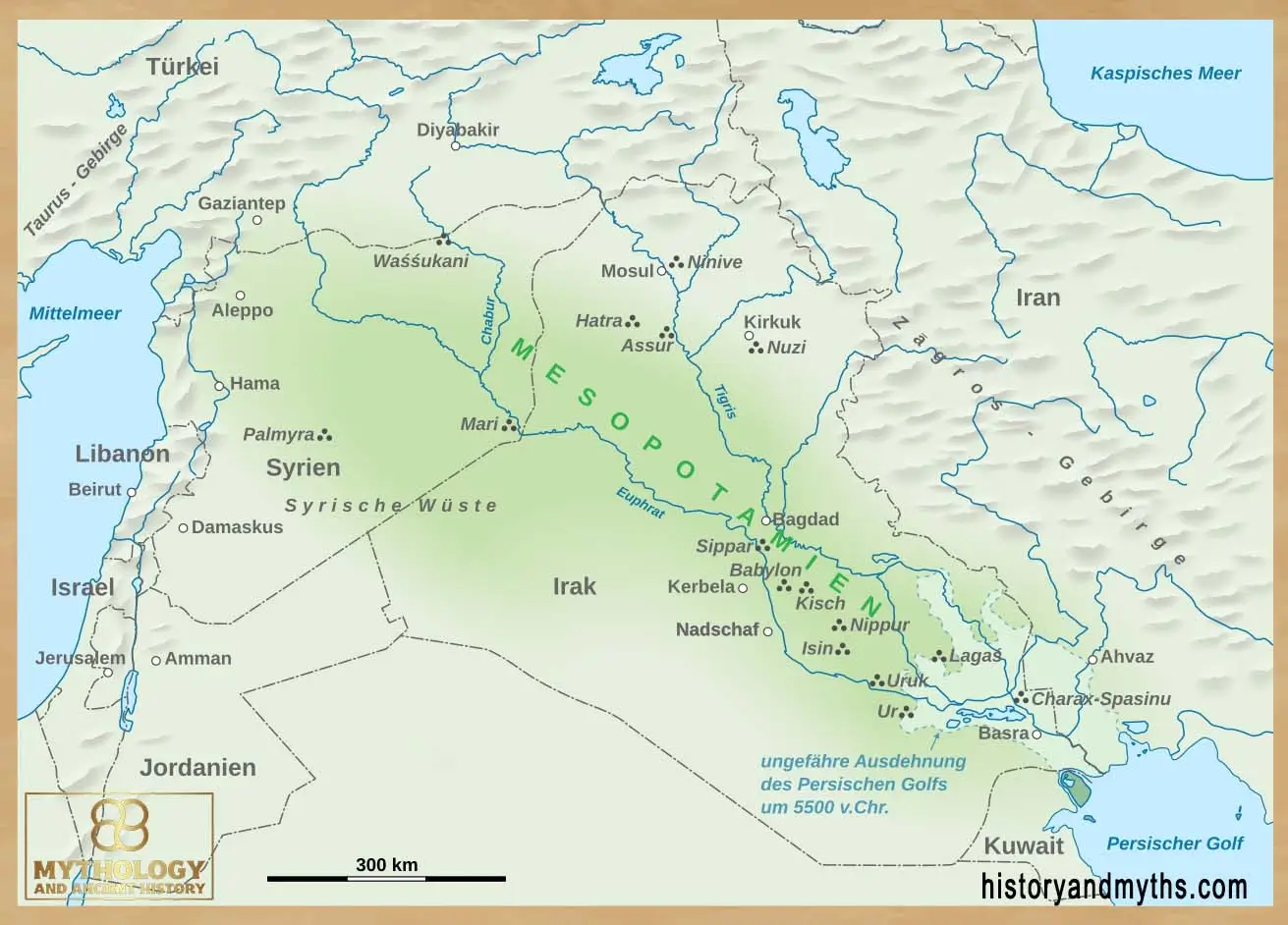
Mesopotamian cities emerged from early agricultural settlements established along the Tigris and Euphrates rivers. Stable food production, supported by irrigation systems, allowed populations to grow beyond village scale and form permanent urban centers.
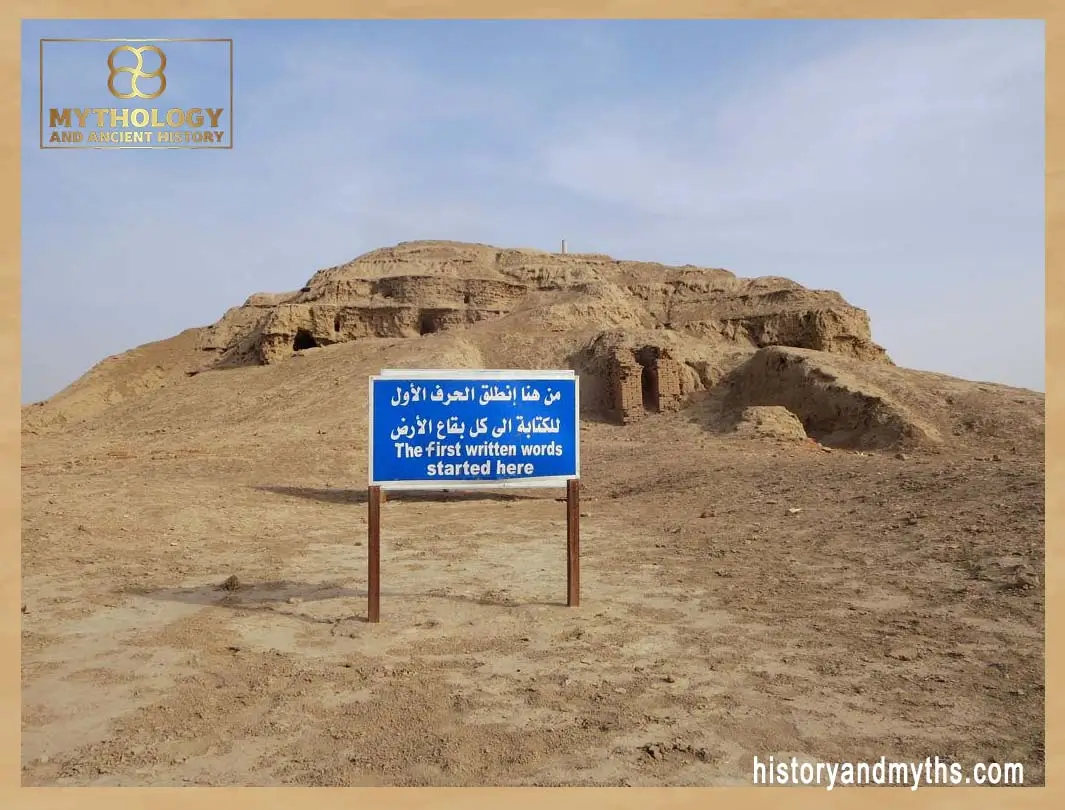
The earliest urban development occurred in southern Mesopotamia during the late fourth millennium BCE. Sites such as Uruk and Eridu expanded rapidly through the concentration of temples, storage facilities, and administrative buildings. These institutions coordinated labor, managed surplus, and organized large construction projects.
Temples initially functioned as economic and administrative hubs. They controlled land, distributed grain, employed workers, and recorded transactions. This institutional economy created the first urban management systems and reduced dependence on kin-based organization alone.
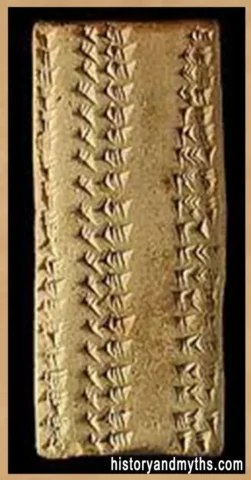
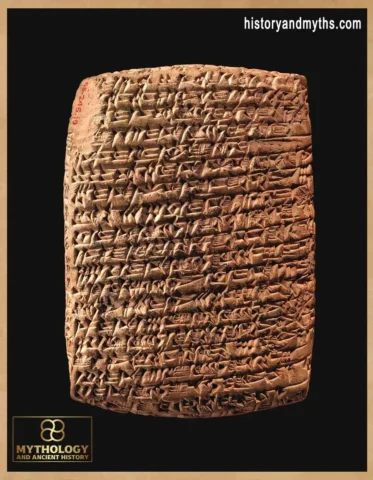
Writing developed in this context as a tool for urban administration. Early cuneiform records document taxation, labor assignments, and resource distribution, demonstrating that city growth depended on bureaucratic coordination rather than informal exchange.
Political authority gradually replaced temple dominance. Royal palaces emerged beside religious centers, especially in cities such as Ur, transforming urban governance into a centralized state system supported by military and legal institutions.
Overall, Mesopotamian cities originated from the interaction of agriculture, religious administration, and emerging political power. Urbanization was driven by institutional control of resources rather than by spontaneous population growth.
| Urban Element | Main Function | Institutional Control |
|---|---|---|
| Housing | Family life and household production | Property law and taxation |
| Markets | Distribution and trade | Temple and palace supervision |
| Streets | Movement and regulation | Municipal administration |
| City Walls | Defense and border control | State labor systems |
| Neighborhoods | Community organization | Local officials |
Urban Layout and Planning
Mesopotamian cities were organized through functional zoning rather than rigid geometric planning. Residential districts, markets, administrative centers, and religious complexes were distributed according to economic needs, political control, and environmental constraints.
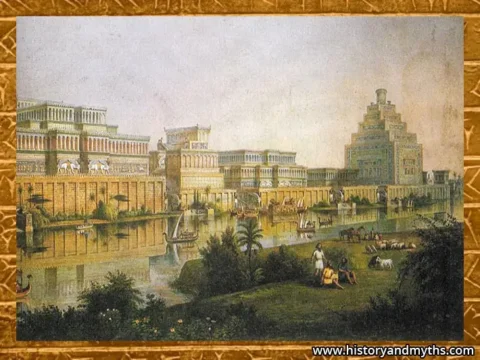
Central zones were dominated by temples and palaces, which acted as administrative and economic hubs. In cities such as Uruk and Babylon, these complexes were connected to main streets and gate routes, ensuring efficient movement of goods, officials, and labor.
Housing districts clustered around narrow lanes and shared courtyards. This dense layout maximized limited space inside city walls and reinforced neighborhood cohesion. Workshops and storage rooms were often integrated into residential blocks, linking production with daily life.
Markets and distribution areas were positioned near major roads and gates. This placement facilitated taxation, inspection, and long-distance trade while limiting uncontrolled commercial activity inside inner districts.
Street networks were irregular and hierarchical. Main routes supported transport and administration, while secondary alleys served local movement and security. This structure reduced congestion and strengthened internal monitoring.
Drainage canals and water channels were incorporated into urban design. They supported sanitation, irrigation, and transport, making hydraulic management a core element of city planning.
Overall, Mesopotamian urban layout prioritized control, efficiency, and adaptability. Planning was shaped by institutional authority and environmental conditions rather than by abstract architectural symmetry.
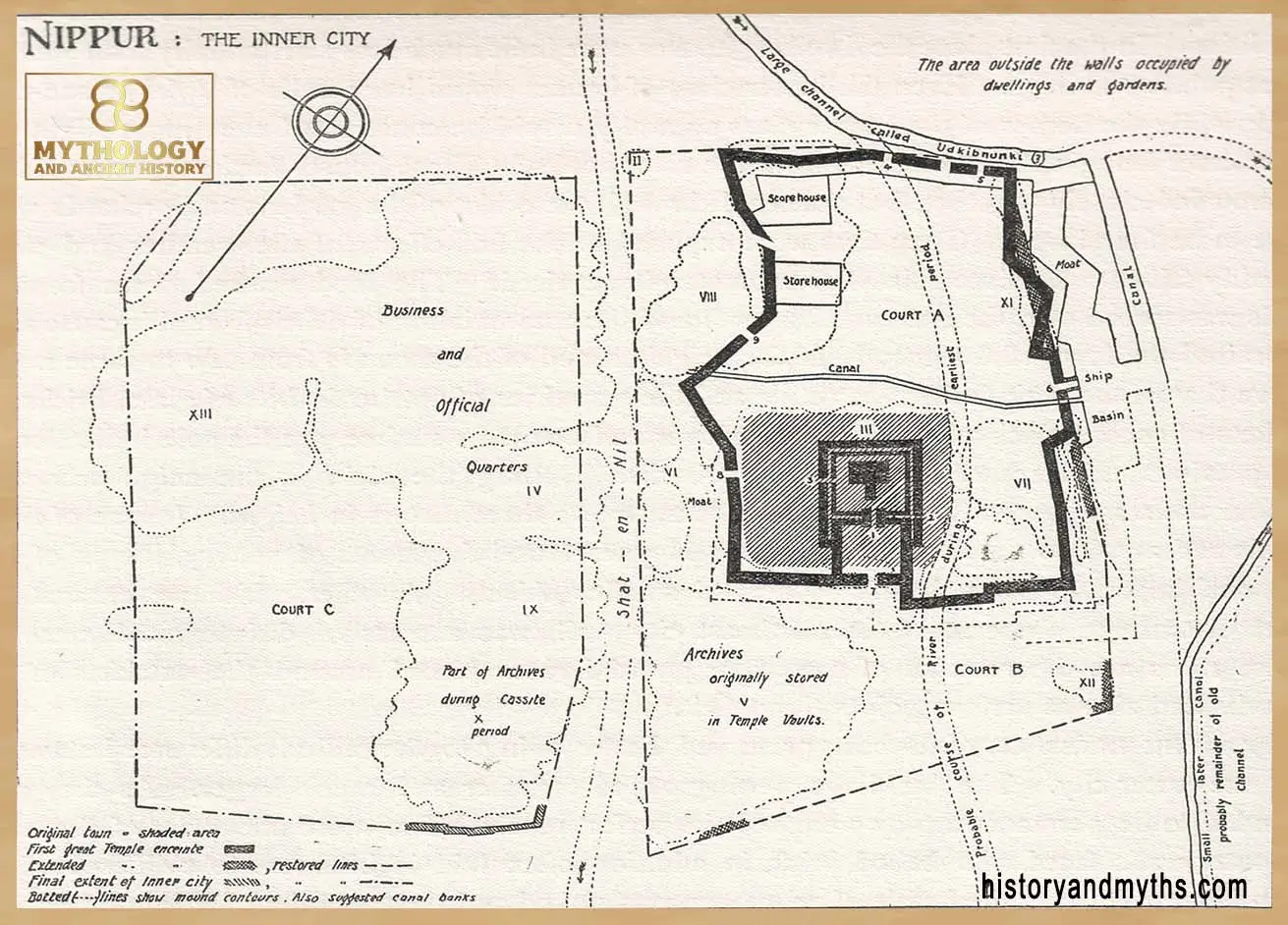
Housing and Residential Life
Housing in Mesopotamian cities was designed to balance privacy, climate adaptation, and economic activity. Most urban houses were built from mudbrick and organized around internal courtyards that provided ventilation, light, and protected domestic space.
Typical homes included living rooms, storage areas, kitchens, and small workspaces. These rooms supported household production such as weaving, food processing, and tool maintenance. Residential architecture therefore integrated living and working functions.
Wealth differences were reflected in housing size and layout. Elite families occupied larger houses with multiple courtyards and private wells, while lower-income households lived in compact units with limited amenities.
Property ownership and rental arrangements were legally regulated. Sale contracts, leases, and inheritance documents show that housing formed a central component of urban wealth and social status.
In cities such as Ur and Nippur, excavated residential quarters reveal long-term occupation and repeated rebuilding, indicating stable neighborhood communities.
Overall, residential life was structured around family units, regulated property systems, and integrated domestic economies. Housing functioned as the foundation of social and economic organization in Mesopotamian cities.
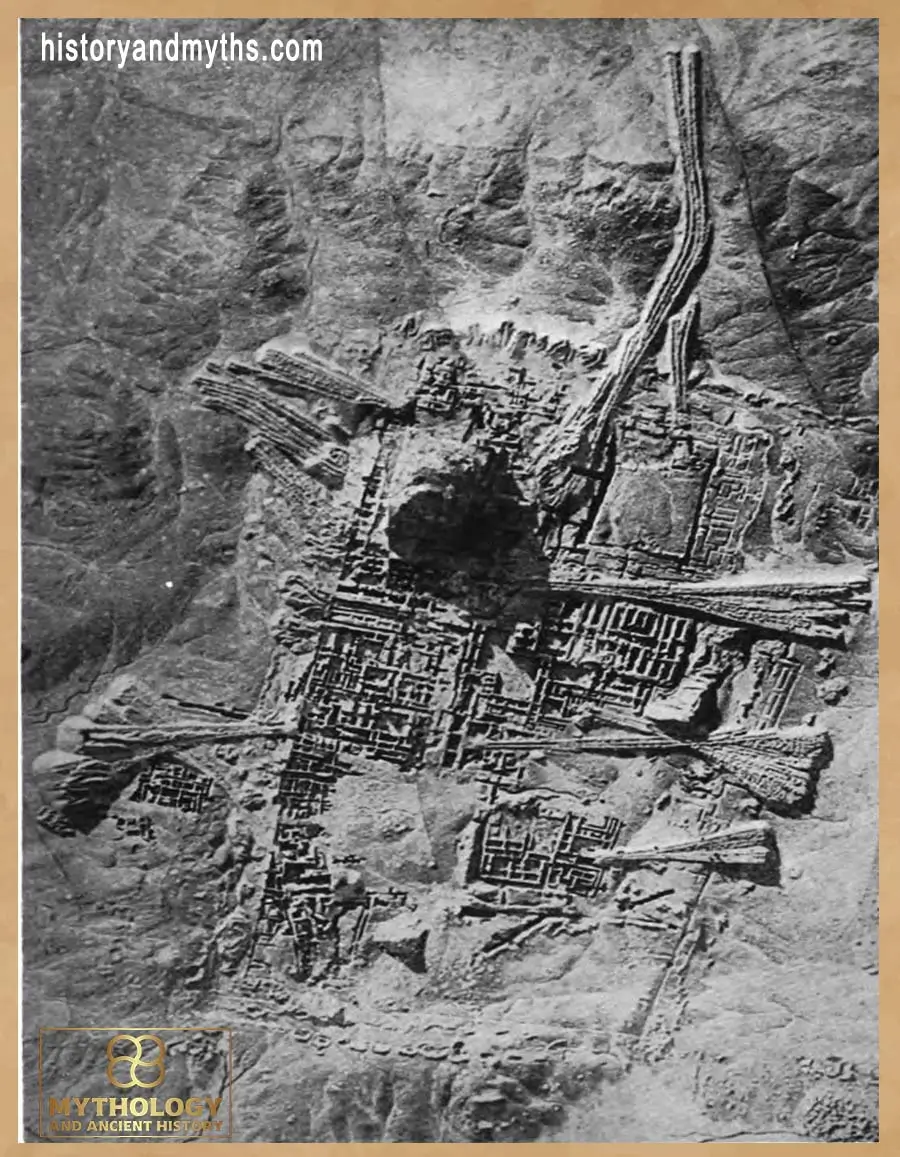
Markets and Trade Networks
Markets in Mesopotamian cities functioned as regulated exchange centers rather than open informal spaces. Commercial activity was concentrated near city gates, main roads, and administrative districts, where officials could supervise transactions and collect taxes.
Trade operated on multiple levels. Local markets distributed food, textiles, pottery, and tools within neighborhoods, while long-distance trade networks connected cities such as Uruk, Babylon, and Ur to Anatolia, the Levant, and the Persian Gulf.
Merchants worked under institutional oversight. Temples and palaces controlled major trading operations, provided capital, stored goods, and managed contracts. Private traders operated within this system through loans, partnerships, and licensing.
Market activity was supported by standardized weights, measures, and accounting practices. Cuneiform tablets record prices, wages, debts, and delivery schedules, demonstrating that urban commerce depended on bureaucratic regulation.
Specialized districts often emerged around specific crafts and commodities, such as textiles, metals, and agricultural products. These clusters improved efficiency and reinforced professional networks.
Overall, Mesopotamian markets combined local distribution with international exchange under centralized supervision. Trade was integrated into state administration and formed a core pillar of urban economic stability.
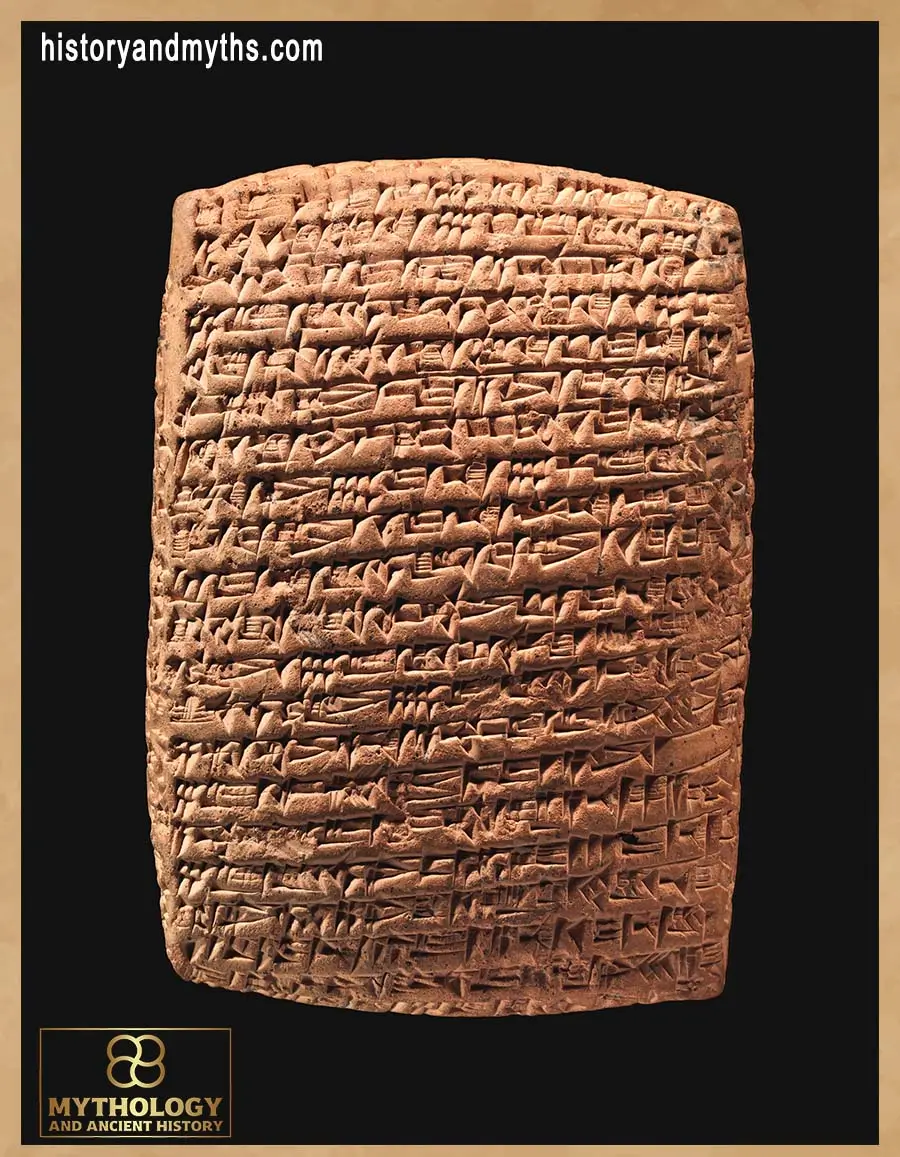
Streets and Transportation Systems
Street networks in Mesopotamian cities were designed to regulate movement, control access, and connect economic and administrative zones. Rather than following rigid grids, most cities developed organic road systems shaped by gradual expansion and functional needs.
Primary streets linked city gates, temples, palaces, and markets. These routes supported long-distance trade, state processions, and official transport. In cities such as Babylon and Uruk, main roads were wide enough for carts, pack animals, and ceremonial traffic.
Secondary streets and alleys served residential districts. These narrow passages limited through-traffic, enhanced security, and reinforced neighborhood boundaries. Their irregular layout reduced surveillance blind spots and discouraged uncontrolled movement.
Transportation relied primarily on animal power and river navigation. Donkeys and ox-drawn carts transported goods inside cities, while the Tigris and Euphrates functioned as major commercial corridors linking urban centers.
Bridges, docks, and quay installations connected streets to waterways. This integration allowed cities such as Nippur to coordinate land and river transport efficiently.
Street maintenance was regulated by civic authorities. Legal texts record responsibilities for repairs, drainage management, and obstruction control, showing that circulation infrastructure was institutionally managed.
Overall, Mesopotamian transportation systems prioritized administrative oversight, economic efficiency, and internal security. Urban mobility was carefully integrated into broader systems of governance and trade.
How Mesopotamian Cities Functioned
- Urban growth was driven by irrigation-based agriculture.
- Temples and palaces controlled major resources.
- Residential districts combined living and production.
- Markets operated under institutional supervision.
- Walls served military and administrative purposes.
- Neighborhoods linked households to the state.
© historyandmyths.com — Educational Use
City Walls and Defense Systems
City walls were central to Mesopotamian urban security and political authority. They protected populations, controlled movement, and symbolized state power. Most major cities were enclosed by thick mudbrick fortifications reinforced with towers and gates.
Walls followed the natural contours of rivers and canals to strengthen defensive positions. In cities such as Babylon and Nineveh, multiple defensive layers combined outer walls, inner walls, moats, and controlled entry points.
Gates functioned as military, administrative, and economic checkpoints. Officials monitored trade, migration, and taxation at these entrances, turning fortifications into tools of governance as well as defense.
Maintenance of walls was a state responsibility. Royal inscriptions and legal texts record organized labor projects for repairing breaches, strengthening towers, and clearing surrounding zones for visibility.
During periods of conflict, walls supported garrison troops, storage facilities, and signaling systems. They allowed cities to resist sieges and maintain internal stability during regional wars.
Beyond military use, fortifications marked urban boundaries and reinforced civic identity. Living inside the walls meant legal protection, access to resources, and political membership.
Overall, Mesopotamian walls combined military engineering with administrative control. Defense systems were inseparable from urban management and state authority.
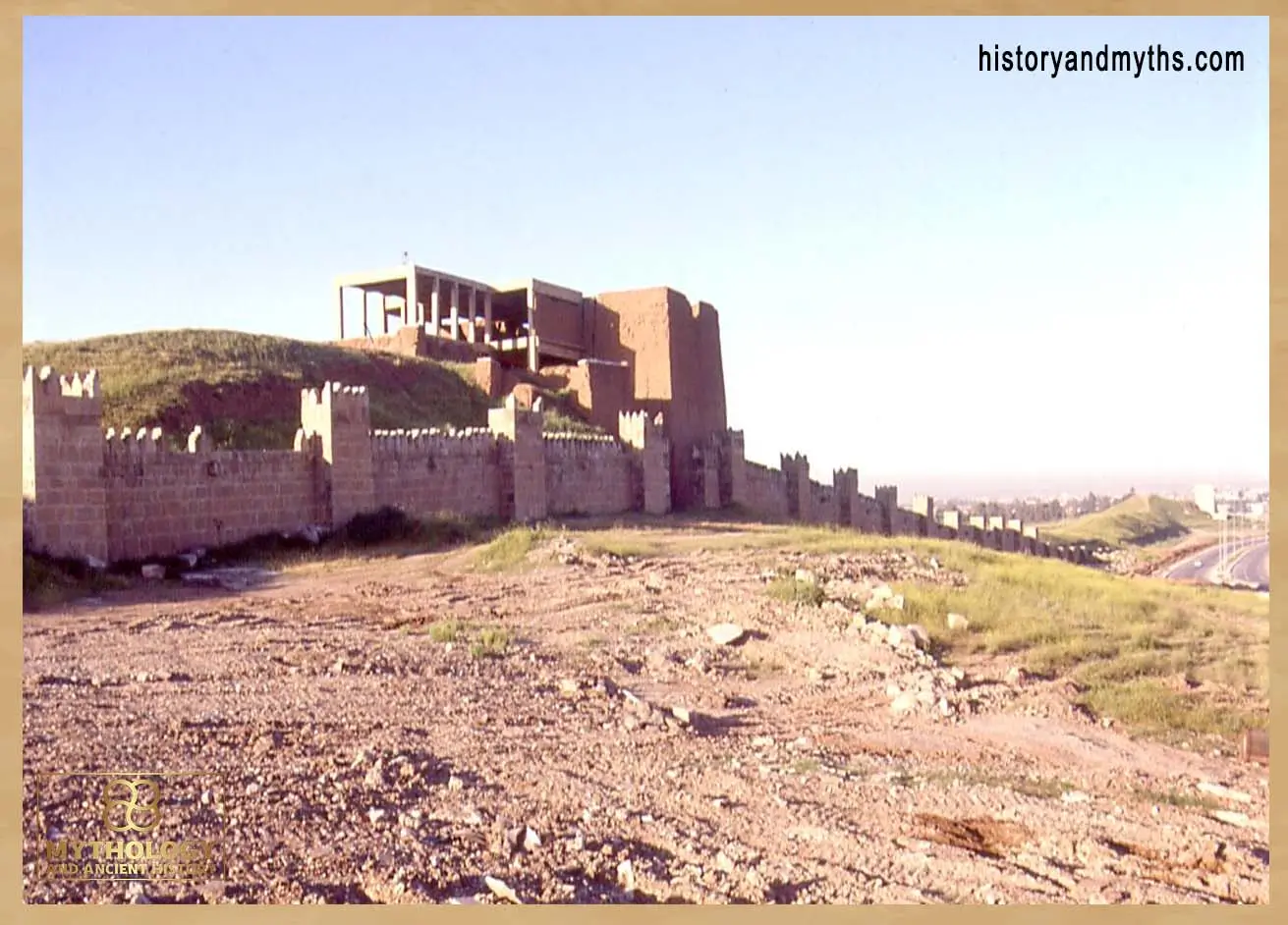
Neighborhoods and Community Life
Neighborhoods formed the basic social units of Mesopotamian cities. Each district consisted of clustered houses connected by narrow alleys and shared courtyards, creating stable local communities based on daily interaction and mutual dependence.
Residents were linked through family ties, professional networks, and religious practices. Small shrines, local cult spaces, and communal rituals reinforced social cohesion within each neighborhood.
Administrative texts show that neighborhoods functioned as units of taxation, labor organization, and legal responsibility. Officials registered households, assigned work duties, and resolved disputes at the local level, reducing pressure on central authorities.
In cities such as Ur and Nippur, excavated quarters reveal long-term continuity, with houses rebuilt on the same plots for generations. This pattern indicates strong attachment to place and community identity.
Economic cooperation was common within districts. Neighbors shared tools, storage space, and workshop facilities, especially in textile production, food processing, and small-scale trade.
Social status influenced neighborhood structure. Elite families often clustered near administrative centers, while artisans and laborers occupied peripheral zones, producing subtle internal hierarchies within the city.
Overall, Mesopotamian neighborhoods combined social, economic, and administrative functions. They acted as intermediaries between individual households and central institutions, ensuring urban stability and collective control.
Continue Reading
Administration and Governance
Mesopotamian cities were governed through centralized administrative systems that coordinated taxation, labor, justice, and resource distribution. Urban management depended on trained scribes, officials, and inspectors operating from temples, palaces, and record offices.
Written documentation formed the foundation of governance. Cuneiform tablets recorded land ownership, tax payments, work obligations, court rulings, and commercial contracts. This documentation system allowed authorities to monitor population activity in detail.
Local administration operated through district supervisors and neighborhood representatives. These officials collected dues, organized public labor, and reported disputes to higher authorities, creating a hierarchical control structure inside the city.
In major centers such as Babylon and Ur, royal courts functioned as supreme administrative bodies. Kings issued decrees regulating prices, wages, property rights, and legal procedures.
Judicial institutions were integrated into urban governance. Courts handled conflicts over land, inheritance, debt, and trade, ensuring social stability and protecting economic activity.
Public works projects, including wall repairs, canal maintenance, and street construction, were organized through state-directed labor systems. Citizens were legally obligated to participate, reinforcing collective responsibility.
Overall, Mesopotamian governance relied on documentation, supervision, and legal authority. Urban administration transformed cities into controlled political units capable of sustaining large populations and complex economies.
Economic and Political Power
Mesopotamian cities functioned as centers of economic extraction and political control. Agricultural surplus from surrounding countryside was collected, stored, and redistributed through urban institutions, giving cities dominance over regional resources.
Temples and palaces monopolized large sectors of production. They owned farmland, workshops, herds, and transport facilities, allowing ruling elites to regulate prices, wages, and labor supply.
Urban elites accumulated wealth through land ownership, tax farming, and state contracts. Merchant families and administrative officials formed powerful social groups whose economic influence supported political authority.
Military organization reinforced urban dominance. Cities maintained garrisons, arsenals, and logistical networks that enabled rulers to project power beyond city walls and secure trade routes.
In empires centered on cities such as Babylon and Nineveh, urban administrations coordinated provincial taxation and imperial governance, transforming cities into command hubs.
Political legitimacy was closely linked to urban prosperity. Kings presented themselves as builders, protectors, and providers, emphasizing city welfare in royal inscriptions and public monuments.
Economic inequality was an inherent feature of urban power systems. Control of land, credit, and labor concentrated resources in elite hands, reinforcing long-term social hierarchies.
Overall, Mesopotamian cities combined economic concentration with political centralization. Urban power rested on institutional control of surplus, labor, and military force.
Archaeological Evidence and Sources
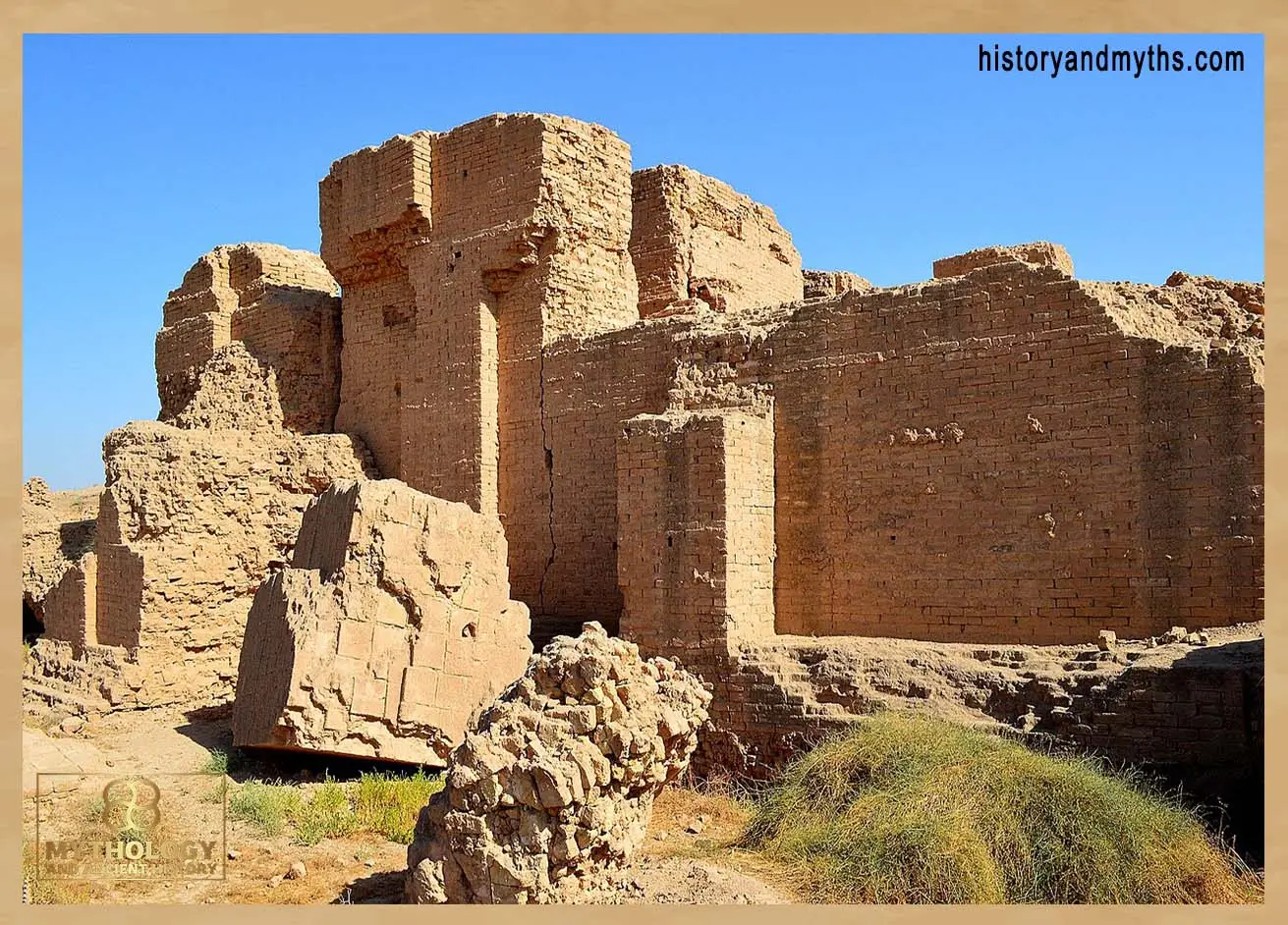
Knowledge of Mesopotamian urban systems is based on archaeological excavations, architectural remains, and administrative archives preserved on clay tablets. These sources allow scholars to reconstruct city organization, population patterns, and institutional control.
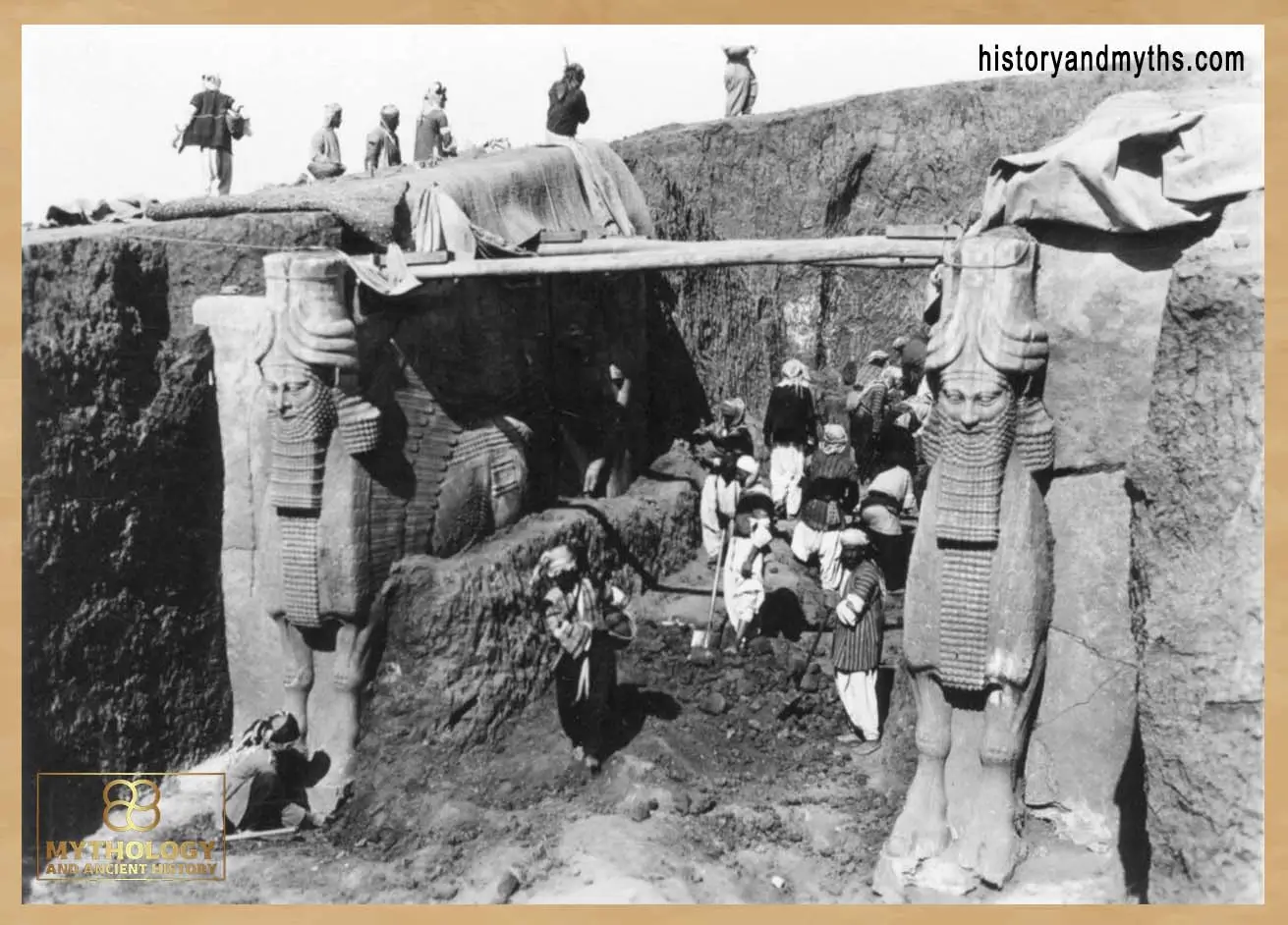
Major excavation sites such as Uruk, Ur, Nippur, and Babylon have revealed residential quarters, street systems, drainage networks, temples, and administrative complexes. These remains demonstrate the physical structure of urban life.
Excavated houses show standardized building techniques, repeated rebuilding phases, and long-term occupation. Street layouts and gate systems confirm regulated movement and controlled access. Storage facilities and workshops illustrate institutional management of production and distribution.
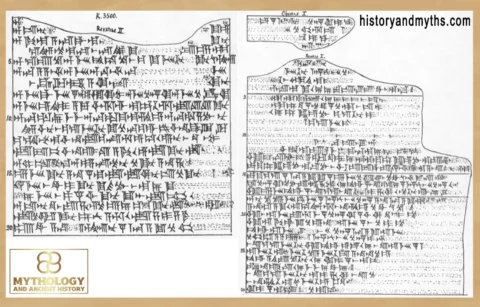
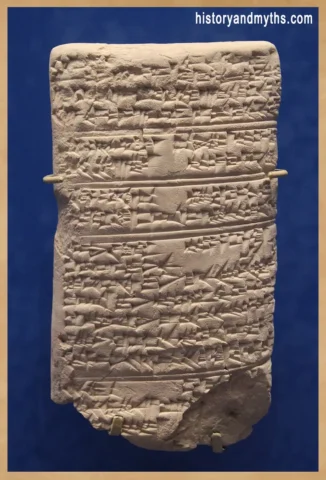
Cuneiform archives provide detailed administrative data. Tablets record taxation, labor assignments, property sales, court cases, and commercial contracts. Together, these documents reveal how urban life was regulated on a daily basis.
Survey projects and satellite mapping have expanded understanding of city boundaries, suburban zones, and canal networks. These methods show that urban centers were integrated with surrounding agricultural landscapes.
Interpretation relies on combining material evidence with textual sources. Neither archaeology nor written records alone can explain urban systems fully. Their integration allows historians to reconstruct Mesopotamian cities as coordinated social, economic, and political structures.
Overall, archaeological and textual evidence confirms that Mesopotamian cities were highly organized environments shaped by long-term institutional planning and continuous administrative supervision.
Legacy and Historical Influence
Mesopotamian cities established the basic model for urban civilization in the ancient world. Their systems of planning, administration, economic regulation, and social organization influenced later societies across the Near East and Mediterranean.
Urban institutions developed in Mesopotamia were adopted and adapted by neighboring cultures, including the Assyrians, Babylonians, and later Persian administrations. Legal documentation, taxation systems, and bureaucratic governance became standard features of imperial rule.
Architectural concepts such as centralized temple complexes, fortified city walls, and integrated residential districts were transmitted to later urban traditions. These elements shaped city development in Anatolia, the Levant, and Egypt.
Commercial networks organized through Mesopotamian cities created long-distance exchange routes that survived for centuries. These routes supported cultural interaction, technological diffusion, and political alliances.
Writing systems, administrative accounting, and legal record-keeping formed enduring tools of governance. Cuneiform-based documentation influenced later legal and economic practices even after the script itself declined.
The social structure of neighborhoods, professional guilds, and institutional households provided a template for organizing large urban populations. These mechanisms allowed complex societies to function without constant centralized coercion.
Overall, Mesopotamian cities laid the structural foundations of urban life. Their combination of economic management, political authority, and social regulation remains central to understanding the origins of organized urban civilization.
Key Takeaways
- Mesopotamian cities were highly regulated urban systems.
- Housing combined domestic life with economic activity.
- Trade networks were supervised by state institutions.
- Street systems supported surveillance and transport.
- Fortifications reinforced political authority.
- Neighborhoods functioned as administrative units.
Frequently Asked Questions
What were Mesopotamian cities?
They were complex urban centers integrating administration, economy, religion, and defense.
How were these cities planned?
They developed organically around temples, palaces, and water systems.
Who controlled urban life?
Temple and palace administrations managed most resources.
Did people own their houses?
Yes, property ownership and rental contracts were legally regulated.
How important was trade?
Trade linked Mesopotamian cities to Anatolia, the Levant, and the Gulf.
Why were city walls important?
They provided defense, taxation control, and political symbolism.
How do we know about these cities?
From excavations, architecture, and cuneiform archives.
Sources & Rights
- Adams, Robert McC. The Evolution of Urban Society. Chicago: University of Chicago Press, 1966.
- Algaze, Guillermo. The Uruk World System. Chicago: University of Chicago Press, 2005.
- Bottero, Jean. Mesopotamia: Writing, Reasoning, and the Gods. Chicago: University of Chicago Press, 1992.
- Charpin, Dominique. Writing, Law, and Kingship in Old Babylonian Mesopotamia. Chicago, 2010.
- Dalley, Stephanie. Myths from Mesopotamia. Oxford: Oxford University Press, 2008.
- Fagan, Brian. Ancient Mesopotamia. London: Thames & Hudson, 2011.
- George, Andrew. Babylonian Topographical Texts. Leuven, 1992.
- Hansen, Mogens. A Comparative Study of Thirty City-State Cultures. Copenhagen, 2000.
- Leick, Gwendolyn. Mesopotamia: The Invention of the City. London, 2001.
- Liverani, Mario. The Ancient Near East: History, Society and Economy. London, 2014.
- Matthews, Roger. The Archaeology of Mesopotamia. London, 2003.
- Nissen, Hans J. The Early History of the Ancient Near East. Chicago, 1988.
- Oates, Joan. Babylon. London: Thames & Hudson, 1986.
- Postgate, Nicholas. Early Mesopotamia: Society and Economy. London, 1994.
- Pollock, Susan. Ancient Mesopotamia. Cambridge, 1999.
- Roth, Martha. Law Collections from Mesopotamia. Atlanta, 1997.
- Snell, Daniel. Life in the Ancient Near East. New Haven, 2014.
- Stone, Elizabeth. Nippur Neighborhoods. Chicago, 1987.
- Van De Mieroop, Marc. A History of the Ancient Near East. Oxford, 2016.
- Woolley, Leonard. Ur of the Chaldees. London, 1954.
Written by H. Moses — All rights reserved © Mythology and History