Markets in Mesopotamian Cities: Trade, Prices, and Urban Economy
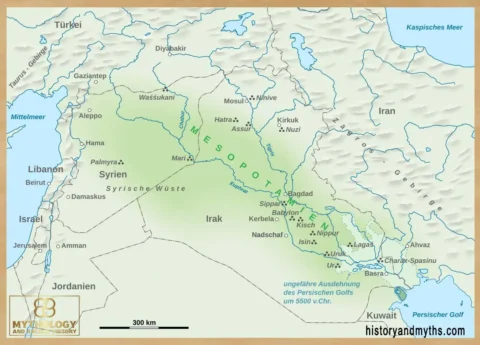
Markets in Mesopotamian cities were organized economic spaces where agricultural surplus, craft production, and long-distance trade converged. They were typically located near main streets, city gates, temples, and storage facilities, allowing goods to move efficiently between producers, merchants, and consumers. These markets formed the backbone of urban distribution systems in cities such as Babylon, Uruk, and Nineveh.
Trade in these markets relied on standardized systems of exchange based on weighed silver, measured grain, and regulated units of value rather than informal barter alone. Prices, contracts, and merchant activities were recorded on clay tablets, reflecting strong institutional oversight by temples and palaces. This legal framework reduced risk, stabilized supply, and integrated local markets into wider regional networks.
This article examines how urban markets functioned in Mesopotamia: where they were located, what goods were traded, how prices were set, who controlled commercial activity, and how marketplaces shaped daily social life. By combining archaeological evidence with administrative records, it explains why markets were central to the economic stability and political organization of Mesopotamian cities.
Location and Urban Integration
Markets in Mesopotamian cities were strategically placed to maximize access, circulation, and control. They were usually located near main roads, city gates, temples, and storage complexes, allowing goods to move quickly between producers, traders, and consumers.
In major cities such as Babylon, Uruk, and Nineveh, commercial zones developed along primary traffic routes that connected residential districts with administrative and religious centers. This positioning ensured constant flow of buyers and simplified supervision by state and temple authorities.
Markets were closely integrated with warehouses and workshops. Agricultural products arriving from rural areas were stored nearby before distribution, while craft goods were sold close to their production sites. This reduced transport costs and limited losses in perishable goods.
Urban planning did not separate economic space from daily life. Instead, commercial activity was embedded within residential and institutional networks. Streets functioned as trading corridors, and small-scale vending often extended into nearby alleys and courtyards.
This spatial organization reflects deliberate planning. Markets were placed where movement, administration, and supply intersected, reinforcing their role as regulated centers within the urban system rather than informal gathering points.
Goods and Trade Networks
Markets in Mesopotamian cities handled a wide range of locally produced and imported goods. The core of urban trade was based on agricultural surplus, especially barley, dates, sesame oil, and livestock products, which formed the foundation of daily consumption and commercial exchange.
Craft production supplied markets with textiles, pottery, metal tools, jewelry, and leather goods. Weaving workshops and pottery centers were closely linked to commercial zones, allowing artisans to sell directly or through intermediaries. Textiles, in particular, became one of the most valuable trade commodities and were widely exchanged both within and beyond city boundaries.
Imported goods entered markets through long-distance trade networks. These included timber from the Levant, copper from Anatolia, tin from eastern regions, lapis lazuli from Central Asia, and luxury stones and shells from the Persian Gulf. Such materials were rare and expensive, making them accessible mainly to elites, temples, and large merchants.
Markets functioned as redistribution centers rather than simple retail spaces. Goods moved from rural producers to urban storehouses, then to merchants, and finally to consumers. Temples and palaces played a major role in this process by controlling large stocks and releasing them into markets during shortages or seasonal peaks.
Trade networks connected cities into regional systems. Local markets were linked to river transport routes, caravan paths, and port facilities, allowing surplus products to circulate between southern, central, and northern Mesopotamia. This integration ensured stable supply and reduced dependence on single production zones.
Overall, Mesopotamian markets operated within complex commercial networks. They combined local production, institutional redistribution, and international exchange into a unified system that sustained urban economies over long periods.
| Aspect | Description |
|---|---|
| Location | Near gates, main roads, temples, and warehouses |
| Main Goods | Grain, textiles, metals, livestock, pottery |
| Exchange System | Silver by weight and grain standards |
| Control | Temple and palace supervision |
| Social Role | Economic and communication hub |
Exchange Systems and Pricing
Trade in Mesopotamian markets was based on standardized systems of value rather than informal bargaining alone. The primary medium of exchange was weighed silver, used as a reference unit for pricing goods, wages, and services. Even when physical silver was not exchanged, its weight value served as the basis for accounting.
Barley also functioned as a major unit of value, especially in rural and lower-income transactions. Prices were often calculated in grain equivalents, reflecting the central role of agriculture in the economy. Other commodities, such as oil and textiles, were sometimes used as payment in specific contractual contexts.
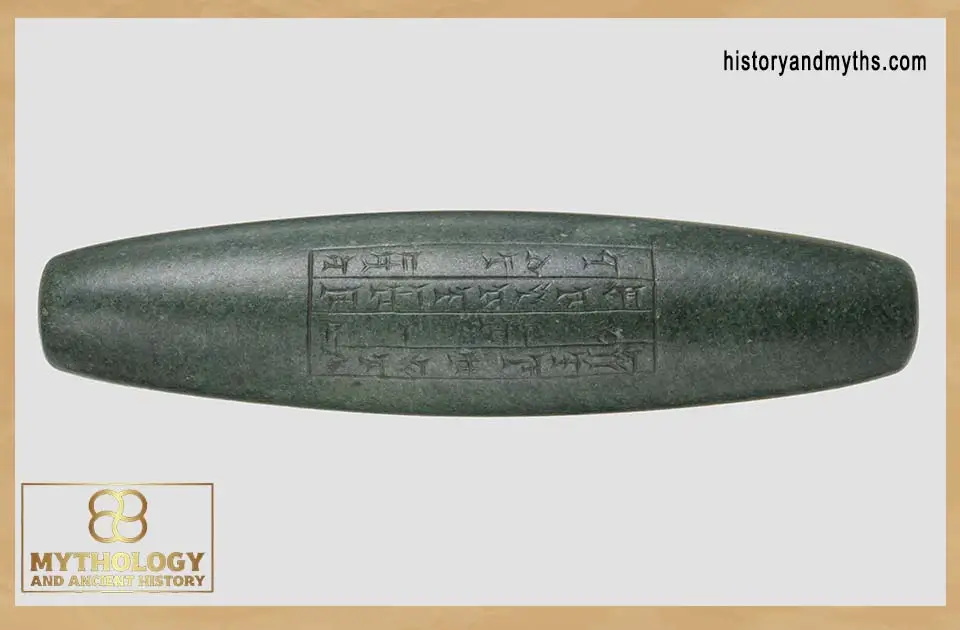
Measurement systems were carefully regulated. Standardized weights, volume containers, and length measures ensured consistency in transactions. Official seals and verified weights were used in major commercial centers to prevent fraud and disputes. These controls increased market reliability and reduced transaction risk.
Pricing was influenced by seasonal cycles, harvest levels, and state intervention. During shortages, temples and palaces released stored grain to stabilize prices. In periods of surplus, prices fell, encouraging wider consumption and trade. Legal texts record penalties for price manipulation and dishonest measurement.
Most large transactions were documented through written contracts. These tablets recorded quantities, values, repayment schedules, and guarantees. Credit arrangements were common, allowing merchants to operate beyond immediate cash or commodity reserves.
Overall, Mesopotamian markets relied on institutionalized valuation systems. Exchange was governed by law, measurement, and administrative oversight rather than spontaneous negotiation alone, giving urban commerce long-term stability.
Merchants, Craftsmen, and Vendors
Commercial activity in Mesopotamian markets was carried out by a diverse group of professional merchants, skilled craftsmen, small-scale vendors, and occasional rural sellers. Each group played a specific role within the urban economic system.
Professional merchants operated long-distance and regional trade networks. They managed large shipments, negotiated contracts, extended credit, and worked closely with temples and palaces. Many belonged to established families with access to capital, storage facilities, and administrative support.
Craftsmen produced goods for both direct sale and institutional distribution. Weavers, potters, metalworkers, and leatherworkers often worked in workshops located near market zones. Some sold their products independently, while others were attached to temple or palace enterprises that controlled pricing and supply.
Small vendors and farmers supplied daily necessities such as vegetables, dairy products, fish, and prepared foods. These sellers operated from temporary stalls, baskets, or street-side spaces and formed the most visible layer of market life. Their income depended heavily on seasonal availability and local demand.
Middlemen and brokers facilitated transactions between producers and buyers. They arranged storage, transport, and bulk sales, reducing risk for individual sellers. Although less visible archaeologically, administrative records confirm their importance in commercial coordination.
Social status varied widely among market participants. Elite merchants enjoyed legal protection and political influence, while small vendors faced unstable income and limited security. Markets therefore reflected broader social hierarchies as much as economic activity.
Overall, Mesopotamian marketplaces functioned through coordinated interaction between multiple occupational groups, integrating production, distribution, and consumption within a regulated urban framework.
Mesopotamian Markets — Key Facts
- Markets were integrated into urban planning.
- Silver and grain formed the basis of pricing.
- Temples and palaces regulated trade.
- Merchants operated regional networks.
- Transactions were legally documented.
Regulation, Taxes, and State Control
Markets in Mesopotamian cities operated under close institutional supervision. Temples and palaces controlled large portions of production, storage, and distribution, giving them significant influence over commercial activity. This oversight ensured stable supply and protected state interests.
Taxes and fees were imposed on goods entering and leaving urban markets. Merchants paid levies on transported commodities, rented storage space, and market stalls. These payments were recorded in administrative tablets and formed an important source of public revenue.
Authorities regulated weights, measures, and pricing practices. Official standards were enforced to limit fraud and protect buyers. Inspectors and scribes monitored major transactions, especially those involving bulk goods or long-distance trade.
Market activity was also shaped by legal enforcement. Contracts defined delivery terms, penalties, and repayment obligations. Violations, such as false measurement or failure to honor agreements, could result in fines or property seizure.
State intervention increased during shortages and crises. Stored grain and essential goods were released from institutional warehouses to stabilize prices and prevent unrest. This practice linked market regulation directly to political stability.
Overall, Mesopotamian markets functioned within a controlled economic framework. Commercial freedom existed, but it operated inside administrative boundaries designed to secure revenue, order, and social balance.
Daily Life in the Marketplace
Daily life in Mesopotamian markets was shaped by constant movement, negotiation, and social interaction. Buyers, sellers, transporters, and officials crowded commercial zones from early morning until late afternoon, especially during peak agricultural and trading seasons.
Transactions involved bargaining, inspection of goods, and verification of weights and measures. Prices were discussed openly, and reputation played a major role in establishing trust between merchants and customers. Regular traders developed long-term relationships that reduced transaction risks.
Markets also functioned as communication centers. News about harvests, political changes, military campaigns, and regional trade routes circulated quickly through commercial networks. Travelers and caravan leaders acted as informal carriers of information.
Food vendors and service providers operated alongside major traders, supplying prepared meals, water, and basic tools. These services supported long working hours and increased market efficiency. Temporary stalls and mobile sellers expanded commercial space beyond fixed locations.
Disputes were common and usually resolved on-site through negotiation or administrative mediation. Scribes and officials recorded serious conflicts, reinforcing legal oversight. This combination of informal practice and institutional authority maintained order.
Overall, marketplaces were dynamic social environments. Economic exchange, information flow, and social regulation were tightly interconnected, making markets central to daily urban life.
Continue Reading
Archaeological and Textual Evidence
Evidence for Mesopotamian marketplaces comes primarily from excavation data and administrative records rather than clearly preserved market buildings. Excavations in cities such as Babylon, Uruk, and Nineveh reveal dense commercial zones near main streets, storage complexes, and institutional centers.
Archaeological remains include warehouses, weighing stones, standardized containers, and clusters of workshops associated with commercial activity. These structures indicate organized systems of storage, redistribution, and retail exchange rather than informal trading spaces.
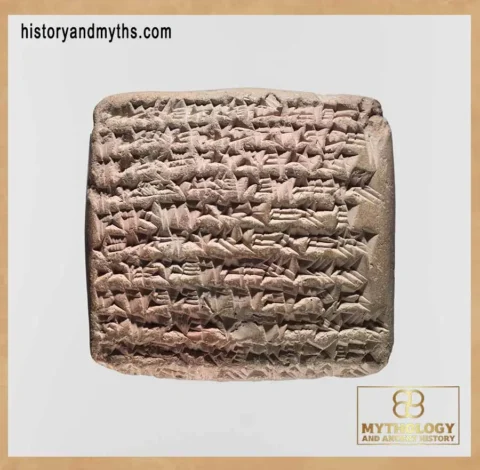
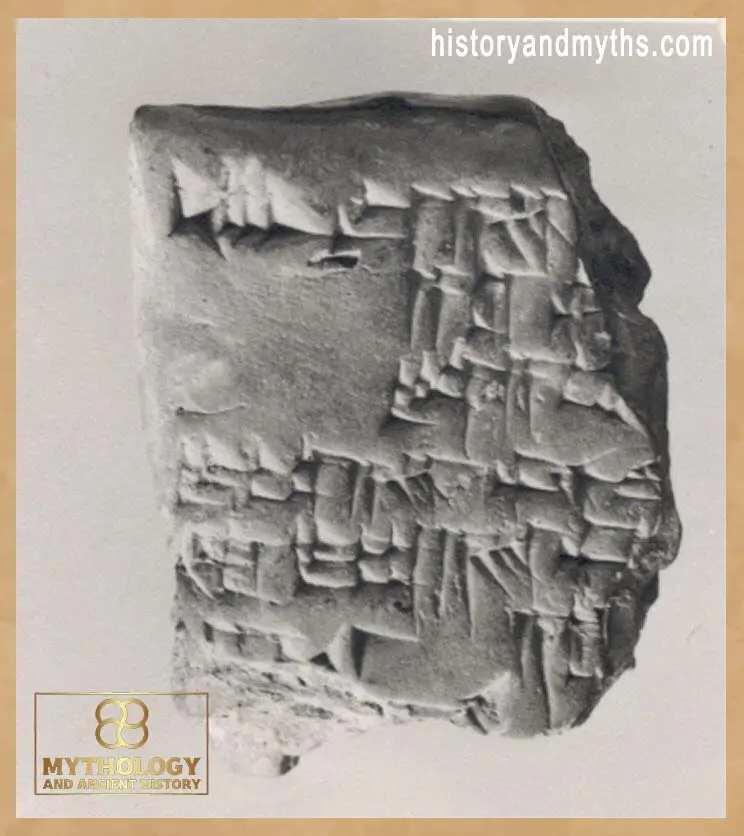
Clay tablets provide the most direct evidence. Thousands of administrative and legal texts record prices, deliveries, loans, transport contracts, and tax payments. These documents confirm that market transactions were regulated, documented, and integrated into state and temple accounting systems.
Household archives also reveal commercial activity. Records found inside private residences show that many merchants conducted business from their homes while using nearby markets for distribution and negotiation. This reflects the close integration between domestic and commercial life.
Material finds such as seals, weights, balance pans, and merchant tools further support the existence of standardized trade practices. Their widespread presence across urban sites demonstrates that market exchange followed shared legal and technical norms.
Together, archaeological structures, written records, and commercial instruments form a consistent body of evidence. They show that Mesopotamian markets were permanent, regulated institutions embedded within urban administration and long-distance trade networks.
Key Takeaways
- Mesopotamian markets were regulated urban institutions.
- Trade relied on standardized weights and legal contracts.
- Merchants, craftsmen, and vendors formed layered networks.
- State control stabilized prices and supply.
- Markets connected local and international trade systems.
Frequently Asked Questions
Did Mesopotamian cities have organized markets?
Yes, markets were integrated into main roads and institutional centers.
What was used as money in Mesopotamia?
Silver by weight and grain were the main units of value.
Who controlled market activity?
Temples and palaces supervised major transactions.
Were prices regulated?
Yes, authorities enforced standard weights and measures.
Did farmers sell directly in markets?
Yes, many rural producers sold surplus goods in urban markets.
Sources & Rights
- Postgate, J. N. Early Mesopotamia: Society and Economy. London: Routledge, 1992.
- Van De Mieroop, Marc. A History of the Ancient Near East. Oxford: Blackwell, 2016.
- Algaze, Guillermo. The Uruk World System. Chicago: University of Chicago Press, 2005.
- Powell, Marvin A. Weights and Measures in Mesopotamia. Philadelphia: American Philosophical Society, 1987.
- Oates, Joan. Babylon. London: Thames & Hudson, 1986.
- Snell, Daniel C. Life in the Ancient Near East. New Haven: Yale University Press, 1997.
- Hudson, Michael, and Cornelia Wunsch. Creating Economic Order. Bethesda: CDL Press, 2004.
- Stone, Elizabeth C. Urban Life in Mesopotamia. Cambridge: Cambridge University Press, 2013.
- Liverani, Mario. The Ancient Near East. London: Routledge, 2014.
- Leick, Gwendolyn. Mesopotamia: The Invention of the City. London: Penguin, 2002.
- Roaf, Michael. Cultural Atlas of Mesopotamia. New York: Facts On File, 1990.
- Charpin, Dominique. Writing, Law, and Kingship. Chicago: University of Chicago Press, 2010.
Written by H. Moses — All rights reserved © Mythology and History